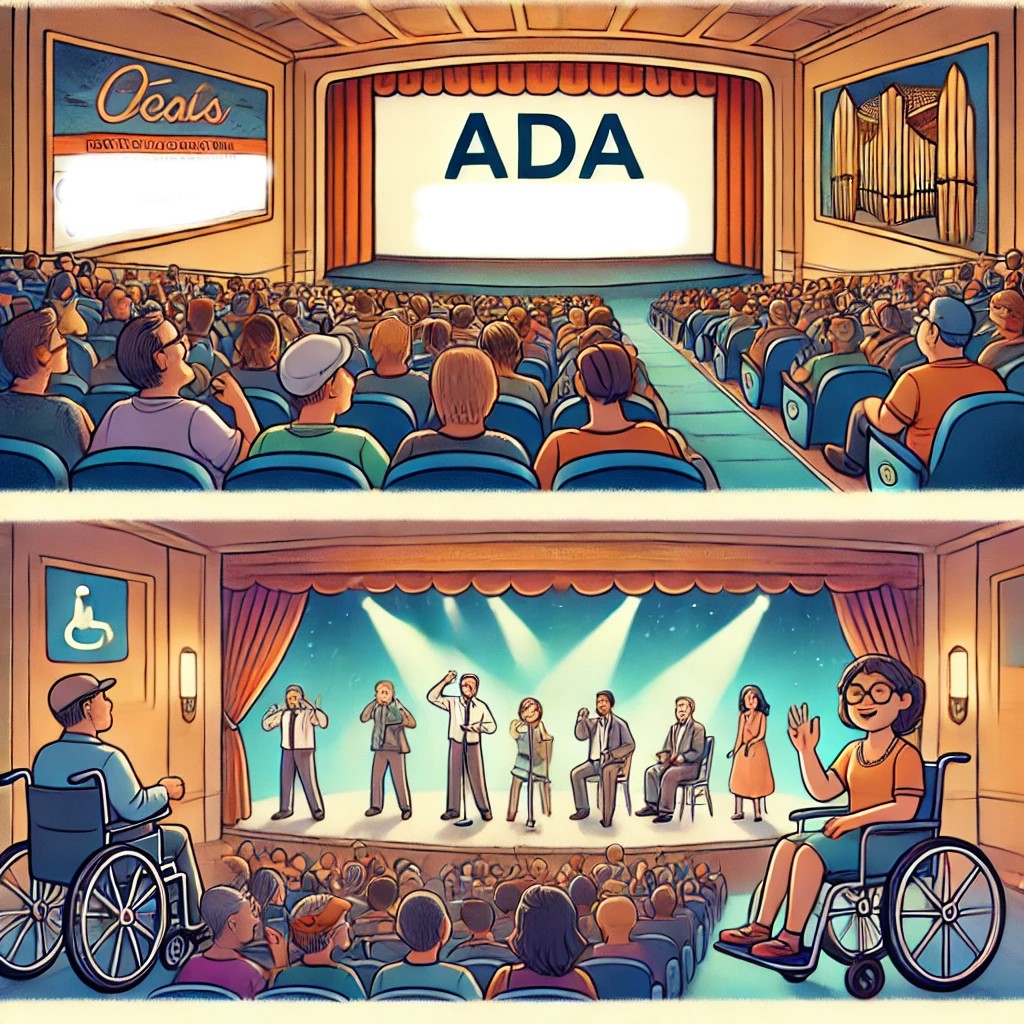
The Americans with Disabilities Act (ADA), enacted in 1990, is a landmark civil rights law that prohibits discrimination against individuals with disabilities in all areas of public life, including jobs, schools, transportation, and all public and private places open to the general public. One of the pivotal realms that the ADA impacts is public housing. The act mandates that all levels of state and local government, as well as any private organization offering public accommodations, ensure accessibility for individuals with disabilities. For those relying on public housing, the ADA offers a critical framework for equal rights and opportunities.
Understanding your rights and the regulations that govern public housing under the ADA is vital for both tenants and property managers. This comprehensive article aims to break down the essential aspects of the ADA concerning public housing, outline the obligations for housing providers, and highlight the rights of tenants with disabilities. Whether you’re a tenant seeking to understand your rights or a property manager striving to comply with ADA regulations, this guide provides valuable insights.
This article will delve into the fundamentals of the ADA and its applications to public housing, discuss key provisions and accessible design standards, elucidate the complaint and enforcement mechanisms, and provide practical tips for both tenants and housing providers. By the end, you’ll be well-equipped with the knowledge to navigate the intertwining of ADA regulations and public housing effectively.
Understanding the ADA: An Overview
The ADA comprises five titles, each addressing different spheres of public life. In the context of public housing, the focus mainly lies within Title II and Title III. Title II pertains to state and local government services, ensuring they do not exclude or deny benefits to individuals with disabilities. Public housing authorities (PHAs) fall under this category, necessitating compliance to avoid discrimination.
Title III, on the other hand, cites public accommodations and commercial facilities, mandating that these entities provide accessible buildings and services. Although Title III primarily targets private entities, it also reinforces the importance of accessibility in public housing facilities used for public purposes (such as community rooms and leasing offices).
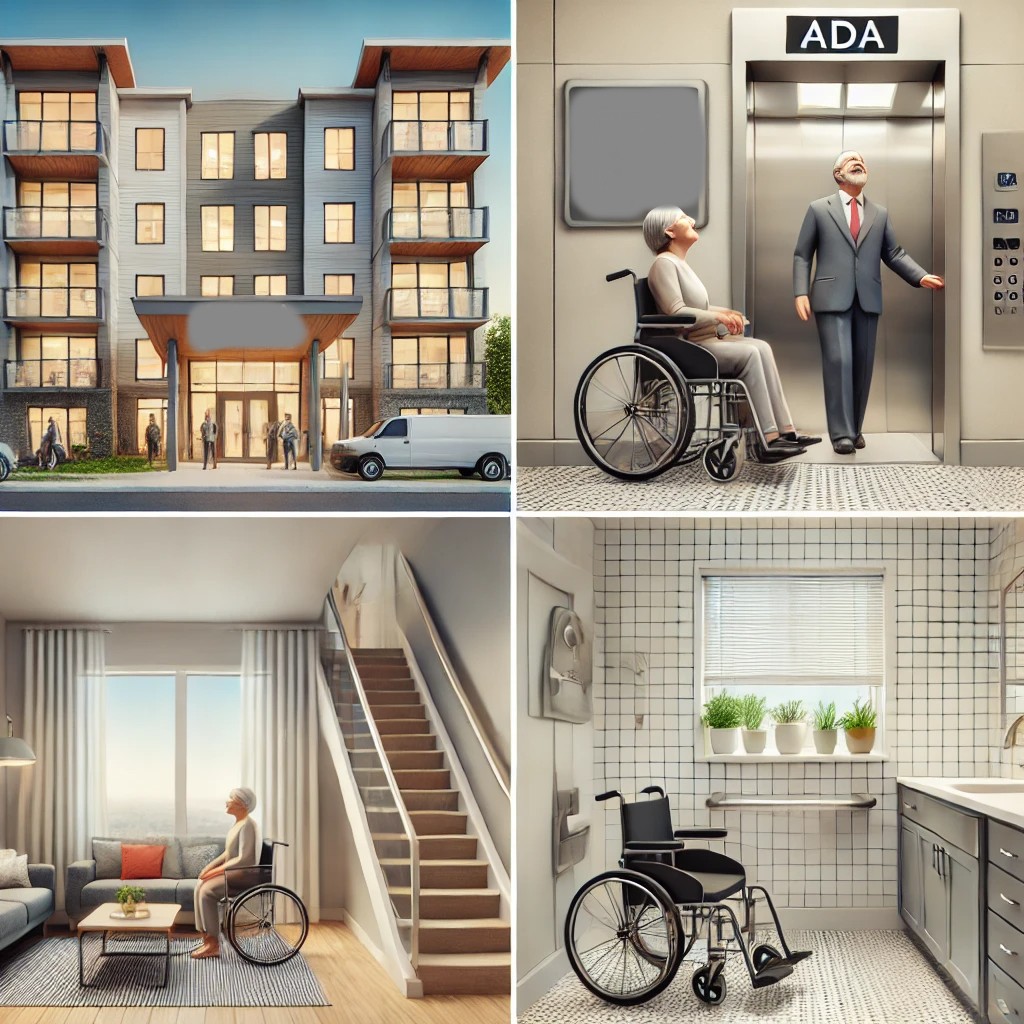
The ADA emphasizes “reasonable modifications” and “reasonable accommodations” as crucial concepts in public housing. “Reasonable modifications” refer to structural changes, such as building ramps or installing grab bars, which enable individuals with disabilities to enjoy equal housing opportunities. Conversely, “reasonable accommodations” involve changes in policy, practice, or procedures, such as waiving a no-pets policy to allow a service animal.
For public housing authorities and landlords, understanding these terms and their practical applications is paramount. They must be prepared to evaluate and implement requests for modifications and accommodations in a fair and timely manner, ensuring compliance with ADA mandates.
Key Provisions and Accessible Design Standards
The ADA includes specific standards to ensure public housing is accessible to individuals with disabilities. These standards apply to newly constructed, altered, or existing housing facilities.
For new constructions and alterations, the 2010 ADA Standards for Accessible Design outline detailed requirements. Key elements covered include accessible routes, designated parking spaces, entrance accessibility, service counters, and signage. For instance, accessible units must have wide doorways, lower countertops, and roll-in showers, among other features.
Existing facilities should also be retrofitted to improve accessibility, although the extent of modifications depends on factors such as cost and feasibility. Sometimes, providing equivalent facilitation through alternative measures (like offering services in an accessible location) is acceptable.
Additionally, the Fair Housing Act (FHA) intersects with the ADA, particularly in multifamily residential properties. The FHA mandates that covered multifamily dwellings designed and constructed for first occupancy after March 13, 1991, must be accessible for people with disabilities. Compliance with FHA standards often aligns with ADA requirements, creating a cohesive framework for accessible public housing.
Complaint and Enforcement Mechanisms
Despite comprehensive regulations, ADA compliance sometimes falls short, affecting individuals’ quality of life. Fortunately, the ADA offers robust complaint and enforcement mechanisms.
Tenants who believe their ADA rights have been violated in public housing can file complaints with the U.S. Department of Housing and Urban Development (HUD) or the U.S. Department of Justice (DOJ). HUD typically handles complaints related to discriminatory practices, whereas DOJ addresses broader ADA violations.
The complaint process begins with gathering relevant information and completing a formal complaint form, available on HUD and DOJ websites. Following submission, these agencies investigate to determine whether discrimination or non-compliance occurred.
Upon finding violations, HUD or DOJ may engage in conciliation efforts, negotiate settlements, or even pursue legal action against offending housing providers. These stringent enforcement procedures aim to uphold the ADA’s integrity and ensure protected individuals receive fair treatment.
Practical Tips for Tenants
Navigating the ADA and public housing landscape can be daunting for tenants. Here are practical tips to help you safeguard your rights:
- Familiarize yourself with the ADA’s core provisions, focusing on reasonable modifications and accommodations.
- Communicate your needs clearly with property managers or housing authorities. Provide detailed explanations and, if possible, suggest potential solutions.
- Keep thorough records of interactions and documentation, such as correspondence, medical statements supporting accommodation requests, and any written approvals or denials.
- Don’t hesitate to reach out to advocacy groups or legal aid organizations specializing in disability rights for guidance and support.
- Should disputes arise, utilize the formal complaint processes offered by HUD and DOJ to seek resolution and ensure your rights are upheld.
By being informed and proactive, tenants can effectively advocate for themselves and navigate the housing landscape with confidence.
Action Steps for Housing Providers
For property managers and housing authorities, maintaining ADA compliance is both a legal obligation and a commitment to fairness. Here are key action steps to consider:
- Conduct regular assessments of your properties to identify and address accessibility issues. Utilize ADA standards as a checklist for evaluating existing facilities and planning new constructions.
- Foster an inclusive environment by training staff on ADA requirements and effective communication strategies for interacting with tenants with disabilities.
- Develop clear policies and procedures for handling requests for reasonable modifications and accommodations. Ensure these processes are efficient, transparent, and well-documented.
- Engage with disability rights organizations and community advocates to gain insights and stay updated on best practices and evolving legal standards.
- Address complaints promptly and cooperatively. Resolve issues internally when possible, but be prepared to collaborate with external enforcement agencies if needed.
By taking these steps, housing providers can create more accessible and inclusive living environments, ultimately benefitting all inhabitants.
Conclusion
The Americans with Disabilities Act has fundamentally transformed public housing, ensuring that individuals with disabilities have equal access and opportunities. While compliance with the ADA involves navigating complex regulations, it also underscores the collective commitment to fairness, dignity, and inclusivity in our society.
For tenants, understanding your rights under the ADA empowers you to advocate for necessary accommodations and improvements. Communicating clearly with housing providers, keeping thorough records, and seeking support from advocacy groups and legal channels are vital steps in this journey.
Conversely, for housing providers, embracing ADA standards is not merely a legal requirement; it’s an ethical obligation. By prioritizing accessibility, training staff, and refining internal processes, you can ensure a higher quality of life for all tenants and foster an inclusive community.
Ultimately, the ADA’s mission in public housing is to create environments where individuals with disabilities are not only accommodated but also respected and valued. As we navigate these regulations and strive to meet these standards, we contribute to a more just and equitable society for everyone.
Frequently Asked Questions
1. What are the ADA requirements for accessibility in public housing?
The ADA establishes comprehensive accessibility requirements for public housing to ensure that individuals with disabilities have equal access to housing opportunities just like everyone else. First and foremost, public housing authorities must make reasonable modifications to policies, practices, and procedures when such modifications are necessary to afford services to individuals with disabilities. For example, installing grab bars in bathrooms or lowering countertops for wheelchair accessibility are considered reasonable changes. Structural accessibility is also a key component, which means that housing units built or renovated after 1991 are usually required to comply with the ADA Standards for Accessible Design. This involves things like accessible routes from public sidewalks and parking areas to the dwelling unit entrances, accessibility within the residence, and community spaces in housing complexes being designed to accommodate mobility devices.
Moreover, communication accessibility is paramount as well. Public housing services must provide auxiliary aids and services, such as sign language interpreters and Braille materials, to ensure effective communication with individuals who have hearing or vision impairments. Also, the ADA mandates that all levels of state and local housing programs take adequate steps to ensure their services are accessible, including physical barrier removal, furnishing accessible transportation, and modifying eligibility criteria that unnecessarily screen out individuals with disabilities.
2. Does the ADA apply to all types of public housing?
Yes, the ADA applies to most public housing environments. While the ADA primarily addresses public entities and privately owned businesses open to the public, its principles enforce fair housing laws and often overlap with other regulations, such as the Fair Housing Act (FHA) and Section 504 of the Rehabilitation Act of 1973. Interestingly, the ADA’s coverage encapsulates publicly funded housing projects, government-owned or operated housing, and those housing authorities that receive federal funds. This includes everything from public housing projects to Section 8 housing and even federally assisted rental housing. What is critical here is that the ADA ensures that all housing facilities and services offered to the public are provided in the most integrated setting appropriate to the needs of individuals with disabilities.
3. What if a public housing facility was built before the ADA? Are there exemptions?
Public housing facilities constructed before the enactment of the ADA in 1990 are not automatically exempt from compliance. Instead, these older facilities are often required to remove barriers to access where it is not unduly burdensome or financially prohibitive. The ADA sets out that alterations or new constructions must meet ADA standards regardless of the building’s age, particularly if these changes affect usability for people with disabilities. That said, the notion of “readily achievable” modifications takes into account whether the changes can be carried out without much difficulty or expense.
For existing buildings, public housing authorities must evaluate physical barriers and prioritize their removal. This could involve simple fixes such as changing door handles, installing accessible door hardware, or adding tactile signage. The overarching goal is to facilitate access wherever it is readily implementable, reflecting the ADA’s vision for fostering equal participation opportunities for individuals with disabilities.
4. Are there any penalties for public housing providers if they fail to comply with the ADA?
Yes, failure to comply with the ADA can result in significant penalties and legal consequences for public housing providers. Potential sanctions range from injunctive relief, requiring housing authorities to make changes to their policies or facilities, to monetary damages which might include compensatory damages for those who faced discrimination or were denied access. Apart from legal costs, housing providers may also face reputational damage. The Department of Justice can take action against violators, and individuals with disabilities can file lawsuits for discrimination.
To mitigate these risks, it’s crucial for public housing providers to conduct thorough accessibility assessments, implement ADA-compliant practices, and continuously train staff on these legal requirements. Regular audits and incorporation of feedback from individuals with disabilities can help minimize the chances of non-compliance and enhance the overall accessibility of housing facilities.
5. How can individuals with disabilities request accommodations in public housing under the ADA?
Individuals with disabilities can request accommodations in public housing by initiating direct communication with the housing provider or management. Typically, this starts with submitting a formal request, preferably in writing, outlining their specific needs and the modifications being sought. Public housing authorities are obligated under the ADA to make reasonable accommodations unless doing so would impose an undue hardship.
If a request is denied, the individual has several recourses. They can engage in a dialogue to explore alternative accommodations that might be feasible or contest the denial through a formal grievance process. Moreover, individuals have the right to file a complaint with the U.S. Department of Housing and Urban Development (HUD) or seek legal counsel to address their concerns through litigation, if necessary.
The crucial aspect here is communication. Both the requester and the housing provider should engage in an interactive process to determine the most appropriate accommodation, balancing the disability-related needs of the individual with the operational capacity of the housing provider.