The travel industry is continually evolving, with an increasing emphasis on inclusivity and accessibility. As global travel becomes more accessible to people of all abilities, there’s a rising demand for accommodations that cater to a diverse range of physical needs. Accessible guest rooms are pivotal in ensuring that transient lodgings meet these demands. But what exactly makes a guest room “accessible,” and why is it crucial for lodging providers to focus on improving accessibility?
Accessible guest rooms are specially designed accommodations that include various modifications and technologies to facilitate ease of use for individuals with disabilities. They go beyond simple ramp installations, which, while crucial, are just a small part of ensuring a comfortable stay for all guests. An inclusive approach considers various mobility issues, sensory impairments, and more. Ensuring access and ease of use isn’t just about compliance with laws and regulations like the Americans with Disabilities Act (ADA); it’s about providing every guest with a comfortable, equitable experience.
Understanding and implementing accessible features in transient lodging is not only about attracting more customers and capturing a wider market share but also fostering inclusivity. This guide aims to provide a comprehensive look at the critical components that define accessible guest rooms, practical implementations, and the benefits of adopting these practices for both business and personal goodwill.
Implementing Mobility-Friendly Features
For many individuals, mobility limitations are a primary concern when traveling, and accessible guest rooms should accommodate these needs with design considerations that facilitate easy movement and comfort. Whether it’s widened doorways or lowered light switches, these adjustments can significantly improve the guest experience. A real-world example of this can be seen at the Hilton Garden Inn brand, which focuses on ensuring all its properties provide such features in their accessible guest rooms.
Structurally, it is essential to incorporate elements such as roll-in showers, raised toilet seats with grab bars, and adjustable-height beds. These features cater to the varying needs of guests, from wheelchair users to those who may require a little extra support. Hotels should evaluate their spaces through the lens of mobility-challenged guests to identify potential areas for improvement and possible bottlenecks or barriers to access.
Supporting Sensory Differences
Individuals with sensory disabilities, such as visual or auditory impairments, face a different set of challenges. To effectively cater to these guests, accessible guest rooms must go beyond basic modifications and incorporate advanced features that address unique needs. Real-world hospitality examples, such as the Braille or tactile-marked room features at Marriott hotels, showcase how effective these measures can be.
Consider room numbers labeled in Braille or large, high-contrast print so that visually impaired guests can easily identify their rooms. For the hearing impaired, visual alarms and indicators for fire alerts or room service are crucial. Televisions with closed-captioning and amplified phones with TTY capabilities should also be standard offerings. Such considerations dramatically enhance the stay of sensory-disabled guests, leading to positive reviews and returning customers.
- Mandatory room features to accommodate sensory impairments:
- Visual alerts for phones, alarm clocks, and door knocks
- Braille signs and large print for easy readability
- Soundproofing solutions for hearing sensitivity
Enhancing Bathroom Accessibility
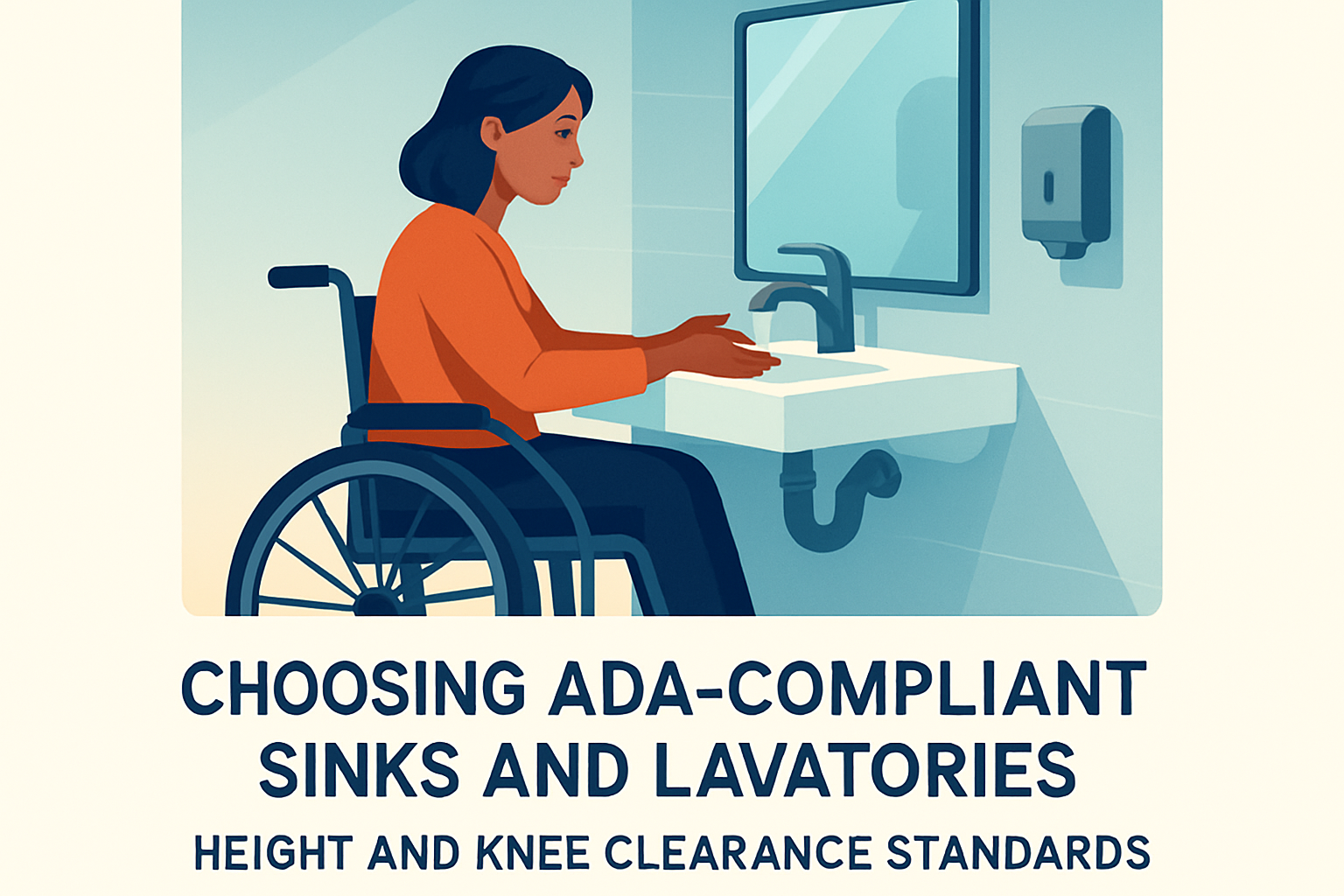
The bathroom is notoriously one of the most challenging areas for accessibility. Fortunately, numerous hotels have made strides in adapting their facilities to be more welcoming. An outstanding example is the Sheraton Hotel chain, which has incorporated well-thought-out accessible bathrooms that include roll-under sinks and handheld showerheads.
Bathrooms in accessible guest rooms should ideally have roll-in showers with benches, grab bars strategically placed near toilets and in showers, and low-threshold or no-threshold showers. Other practical features can include motion-activated lighting, which benefits those with limited dexterity. Enhancements like these not only serve their functional purpose but help affirm a facility’s commitment to inclusivity.
Offering Assistive Technologies
Modern technology has heralded unprecedented levels of convenience and adaptability. Hotels can leverage assistive technology to vastly improve the accessibility of their rooms. Leading brands like Radisson have incorporated smart room technology, where controlled lighting, temperature, and even window curtains can be managed through a smartphone or a voice-activated assistant like Alexa.
This technology can also include integrated systems for visually guiding guests to their rooms through voice navigation or location-based mobile applications. Offering tech-based solutions enables guests to have more control over their environment, resulting in a more personalized and comfortable stay.
Catering to Diverse Dietary Needs
Accessibility isn’t solely about physical accommodations; it extends into all facets of a guest’s stay, including dining. Warm hospitality is holistic, addressing every aspect of the guest’s experience. For example, some Hyatt hotels are exemplary in offering menu options that account for dietary restrictions related to disabilities like celiac disease or lactose intolerance.
Providing menus that clearly label allergens, nutritional information, and offer substitutions for typical allergens like gluten or dairy can help mitigate the stress these guests often experience when dining out. Keeping a variety of accessible options, such as vegetarian or vegan, can also aid in making the overall experience more inclusive.
Legal and Social Obligations
While hospitality is rooted in genuine care and a philosophy of service, compliance with laws like the ADA ensures minimum standards for accessibility are met. Non-compliance is not only a legal risk but damages reputation. Companies leading the charge in this space often go beyond the regulation requirements, as seen with businesses such as the Omni Hotels & Resorts, where accessibility is integrated into overall brand reputation strategies.
Providing accessible accommodation is critical not just for meeting legal obligations but also for appealing to a growing demographic of disabled travelers. It represents a commitment not just to hospitality, but to human dignity and respect for all guests.
The Business Impact of Accessible Rooms
Emphasizing accessible accommodations reflects positively on a brand’s reputation, making it a socially responsible business practice. This approach resonates with today’s socially conscious customers. Hotels that embrace accessibility often find this decision leads to a competitive advantage and an increase in revenue due to attracting more visitors, including those who may specifically seek accommodations with exemplary accessibility features.
A Marriott Bonvoy Hotel investment study highlights how properties that have extensively integrated accessible practices often report higher occupancy rates, particularly during peak travel seasons. Offering accessible rooms can be a profitable business decision, translating not only into supplemental revenue but also fostering long-term customer loyalty.
Key Takeaways and Next Steps
Accessible guest rooms are an essential facet of modern transient lodging, benefiting both guests and businesses. By implementing thoughtful design features, employing assistive technologies, and maintaining an inclusive atmosphere, lodging owners can significantly enhance the travel experience for guests with disabilities.
The benefits of accessibility should prompt immediate action for those managing or owning transient lodging facilities. Whether initiating small changes like introducing wheelchair-accessible furniture or executing large-scale renovations, every step further opens doors (literally and figuratively) to building greater inclusivity.
Hospitality providers are encouraged to consult with accessibility experts and conduct evaluations of their current facilities to identify potential improvements. Investing in staff training on handling accessibility-related inquiries can further enrich guest experiences. Remember, achieving exceptional inclusivity is not just possible—it’s imperative. The time to integrate accessibility into the core value of hospitality services is now.
Accessible accommodations are more than just compliance; they embody the essence of hospitality—welcoming every guest with open arms. Take the steps today to ensure your lodging is not just a place to stay but a space for all to feel welcome and respected.
Frequently Asked Questions
1. What is the definition of an accessible guest room in transient lodging?
Accessible guest rooms in transient lodging are specially designed accommodations to meet the needs of guests with disabilities. These rooms incorporate features that allow individuals with mobility, hearing, or vision impairments to enjoy their stay comfortably. This includes, but is not limited to, wider doorways for wheelchair access, lowered light switches, roll-in showers, and visual alarm notifications for individuals with hearing impairments. The aim is to provide a seamless experience for all guests, ensuring that everyone, regardless of physical abilities, can access the full range of amenities offered by the accommodation.
2. Why is it essential for lodging providers to focus on improving accessibility?
Improving accessibility in lodging is not just about compliance with regulations; it’s about offering inclusive hospitality. By focusing on accessibility, lodging providers can cater to a broader clientele, including the growing demographic of travelers with disabilities. It opens up their business to a market segment that frequently faces challenges in finding suitable accommodations. Moreover, accessible facilities improve the overall guest experience for everyone, including families with small children, elderly travelers, and guests who may encounter temporary disabilities, like recent injuries. In today’s travel industry, where inclusivity is increasingly valued, making accommodations accessible not only boosts customer satisfaction but enhances a property’s reputation and market appeal.
3. What specific features are commonly found in accessible guest rooms?
Accessible guest rooms are designed to address various needs, with features carefully implemented to enhance accessibility. These rooms may include roll-in showers with seating, lowered bathroom fixtures, and grab bars for stability. Doors are typically wider to accommodate wheelchairs, and furniture is arranged to allow easy navigation. In addition, some rooms are equipped with visual and auditory aids such as flashing notifications for smoke alarms and phones equipped with hearing enhancement capabilities. These features are not just about meeting a checklist—they are integral to ensuring that all guests can move around with independence and ease, reflecting thoughtful hospitality.
4. How can lodging providers ensure their rooms remain truly accessible to all guests?
Beyond initial construction or renovation, lodging providers must continue to evaluate and maintain the accessibility of their guest rooms. This includes regular staff training on assisting guests with disabilities and keeping up with the latest accessibility standards and technologies. Guest feedback is a vital tool—listening to guests who use these rooms can provide insights into further improvements or adjustments needed. Furthermore, consulting with accessibility experts or organizations can help ensure that the accommodations are not only compliant but truly user-friendly for all potential guests. Continuous commitment to accessibility reinforces a property’s dedication to inclusive service.
5. What are the broader benefits of creating accessible guest rooms in transient lodging?
Creating accessible guest rooms extends beyond serving those with disabilities—it represents a commitment to social responsibility and equality in hospitality. Offering accessible accommodations demonstrates that a business values diversity and inclusion, which can enhance its reputation and appeal to a wider audience beyond just those who directly require such facilities. It fosters goodwill and positions the establishment as a leader in accessible travel. Additionally, from a business perspective, accommodating such a diverse range of guests can lead to increased booking and loyalty. In the long term, meditating on inclusivity and accessibility can set a property apart in a competitive market by attracting a dedicated, satisfied clientele.