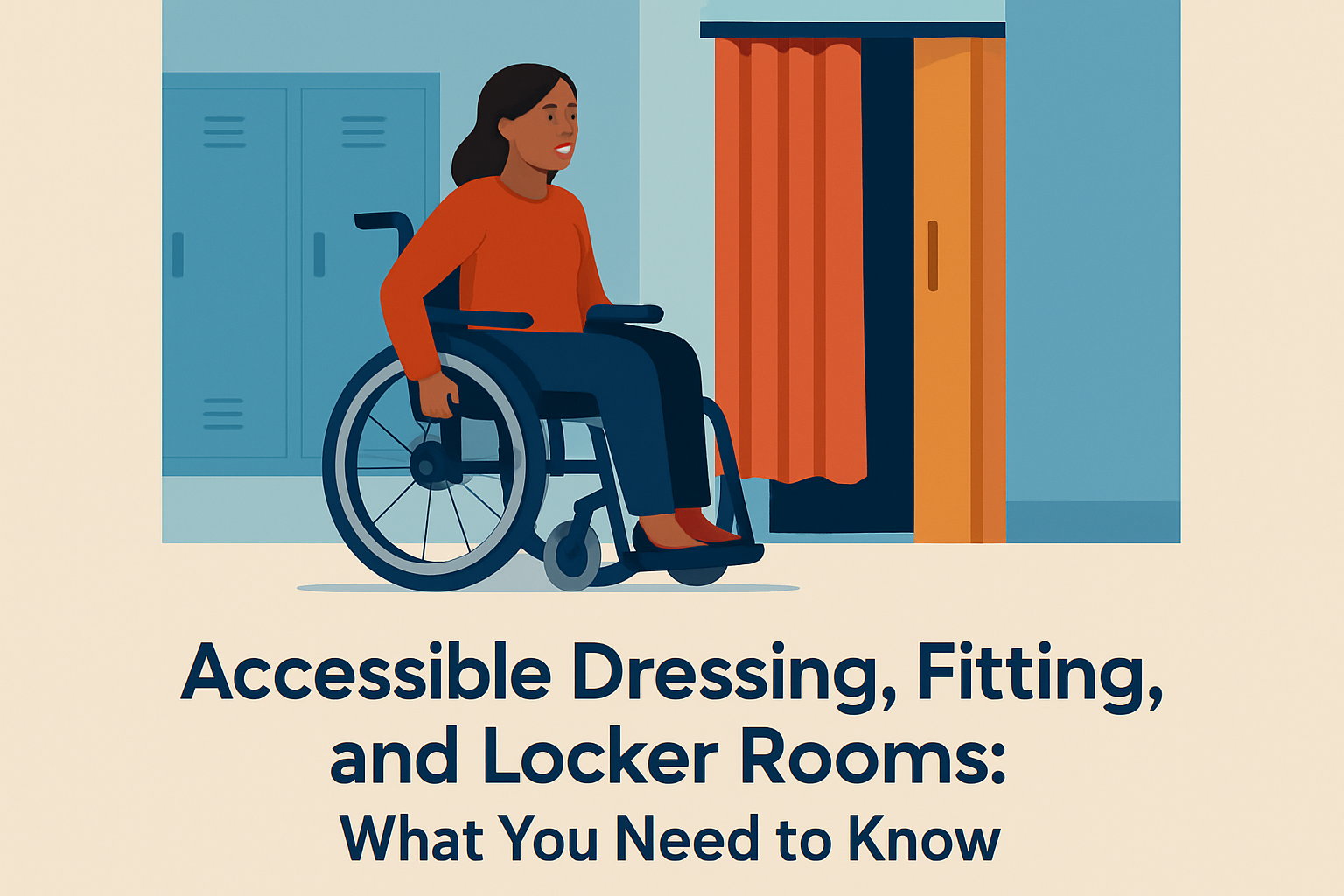
Inclusion and accessibility are becoming increasingly important in today’s society, especially when it comes to public spaces and buildings. One key area that requires attention is accessible dressing, fitting, and locker rooms. But what do these terms mean, and why do they matter? Accessible dressing, fitting, and locker rooms are spaces designed to accommodate people with varying levels of mobility and other disabilities. This includes ensuring ease of use, safety, and comfort for everyone, regardless of their physical limitations. Such facilities are essential in promoting equality and independence by allowing individuals with disabilities to access services just like anyone else.
The importance of accessible facilities goes beyond just meeting the legal requirements set by legislation like the Americans with Disabilities Act (ADA). It sends a powerful message about inclusivity and respect. Accessible facilities ensure that all individuals can participate fully in activities such as shopping, exercising, or simply changing clothes, facilitating societal participation and enhancing the quality of life for all. This article will provide insight into what makes dressing, fitting, and locker rooms accessible, illustrating the significance of these innovations through real-world examples.
What Makes a Dressing Room Accessible?
Accessible dressing rooms are designed with the needs of individuals with disabilities in mind. Key features include a wide door for wheelchair access, adjustable grab bars, and a bench for seating. Lighting plays a crucial role, as bright lighting helps individuals with visual impairments. Consider an example from a well-known retail store, which created accessible dressing rooms featuring sliding doors and visual indicators to ensure customers with physical challenges can comfortably try on clothing. This retailer’s commitment to accessibility not only accommodates customers with disabilities but also enhances the overall shopping experience for everyone.
The design of an accessible dressing room involves various aspects. Firstly, the room should be large enough to allow space for turning a wheelchair. This generally means a minimum space of 60 inches in diameter. Accessories like hooks should be at lower heights to ensure ease of usage. Accessible dressing rooms should also have a mirror placed at an angle that makes it usable from a seated as well as a standing position.
Ensuring Fitting Rooms Meet Accessibility Standards
Fitting rooms, often found in retail settings, must adhere to similar standards as dressing rooms. They should offer ample space for movement, benches for sitting, and rails for additional support. Consider the example of athletic stores which have redesigned their fitting room areas to incorporate voice assistants that help visually impaired users find their way. By including technology and smart designs, these stores ensure that all customers, regardless of their physical abilities, can enjoy trying on their clothes within a supportive environment.
Safety is a significant consideration. Retrofitted fitting rooms often include emergency buttons or alarms reachable from a seated position. Furthermore, non-slip flooring reduces the risk of accidents. Signage is another crucial aspect, as clear signs in contrasting colors help those with visual impairments to locate fitting rooms more easily.
The Importance of Accessible Locker Rooms in Sports Facilities
Sports facilities often serve large populations, making accessibility a top priority. Accessible locker rooms are essential for ensuring that athletes with disabilities can participate in sports without undue hassle. One inspiring example can be found in modern gym chains that install specialized equipment for users with disabilities right beside accessible locker rooms.
These locker rooms usually have features like wider aisles for easy navigation, lower lockers for accessibility, and roll-in showers with grab bars. The inclusion of these elements helps eliminate barriers that individuals with disabilities often face in sports and recreation facilities.
- Wider aisles for wheelchair navigation
- Lower lockers for accessibility
- Roll-in showers with features such as grab bars
- Private changing stalls
To enhance accessibility further, some facilities incorporate text-to-speech systems and audio cues to help visually impaired individuals locate locker areas. They provide a simple yet effective way to instill confidence and independence among users.
Innovations and Technologies in Accessibility
Incorporating advanced technologies into dressing, fitting, and locker room designs can significantly enhance accessibility. For instance, smart mirrors in fitting rooms can display information audibly for the visually impaired. Some high-end stores now use augmented reality (AR) to offer a virtual try-on option, reducing the need for physical changes. This type of innovation caters not just to people with disabilities, but also to those who prefer a contactless experience.
In another progressive example, some fitness centers have started using smart lockers. These can be opened and locked using voice commands or smartphone apps, reducing the tactile manipulation required. Advanced tech allows people with limited mobility to have a seamless and empowering experience.
Real-World Applications of Accessibility in Retail and Fitness
The retail and fitness industries are increasingly embracing accessibility. A famous clothing brand, for instance, rolled out a pilot program featuring staff trained in assisting people with disabilities. They ensure that staff are equipped with all the information needed to guide customers in accessible dressing and fitting rooms.
In fitness, gyms offering specialized classes for people with disabilities usually feature accessible locker rooms and specially designed equipment. By promoting awareness and implementing accessibility features, these establishments set a benchmark for others to follow, enriching their business prospects as well as their societal contributions.
Overcoming Challenges in Creating Accessible Spaces
While the benefits of accessible dressing, fitting, and locker rooms are considerable, setting these up can present challenges. Financial constraints and outdated infrastructures often act as common roadblocks. For instance, older buildings might require extensive renovations to meet modern accessibility standards.
Yet, the cost of ignoring accessibility measures could be higher in the long run. By investing now, businesses can avoid expensive lawsuits and meet regulatory standards, all while enhancing their customer base. Solutions to overcoming these challenges often involve consulting with accessibility experts, alongside strategic planning to incorporate necessary features without a complete overhaul.
Regulatory Standards and Compliance
Being aware of the ADA and other guidelines is necessary for businesses to remain compliant. The ADA provides specific requirements for accessible dressing, fitting, and locker rooms, detailing aspects such as floor space, door width, and the height of fixtures like benches and hooks.
Complying with these regulatory standards not only avoids legal complications but also promotes a culture of inclusion, providing potential for enhanced reputation and increased patronage. Businesses that embrace these guidelines ensure they stay ahead of the curve in offering a truly inclusive environment.
| Feature | ADA Requirement | Benefit |
|---|---|---|
| Door Width | Minimum 32 inches | Wheelchair accessible |
| Turning Space | 60-inch diameter | Easy mobility |
| Fixtures | Lower height | Accessibility from seated positions |
Strategies for Effective Implementation
Implementing accessibility effectively in dressing, fitting, and locker rooms starts with an audit of existing spaces to identify areas of improvement. Engaging specialists in accessibility ensures nothing is overlooked. Prioritizing customer feedback also helps in understanding what people with disabilities need the most.
Accessibility doesn’t have to mean large-scale changes; sometimes minor modifications in layout or technology can go a long way. Initiatives should be laid out incrementally, accompanied by staff training to fully meet the accessible needs of all users.
Conclusion: The Way Forward
Creating accessible dressing, fitting, and locker rooms is key to ensuring inclusivity and equality in everyday spaces. The journey doesn’t end with meeting a checklist of requirements; it’s an ongoing commitment to improving the experiences for all. By prioritizing accessibility in these areas, businesses and facilities not only comply with legal standards but also foster an environment of inclusivity that welcomes all.
Key takeaways include the importance of thoughtful design, the integration of innovative technologies, and an effective strategy for execution. With rising awareness and ongoing advancements in technology, the path to achieving truly accessible spaces is clearer and more achievable than ever. By inviting experts and prioritizing user feedback, businesses can create spaces that are not just accessible but genuinely accommodating.
If you’re involved with designing or managing dressing, fitting, or locker rooms, consider conducting an accessibility audit today. Ensuring these spaces are welcoming to everyone is not just a legal obligation but a meaningful step towards an inclusive future. Take action now to make a positive impact.
Frequently Asked Questions
1. What are accessible dressing, fitting, and locker rooms?
Accessible dressing, fitting, and locker rooms are specialized areas designed to cater to individuals with varying mobility levels and disabilities. These spaces prioritize the ease of access, safety, and comfort for people who require additional accommodations. They feature larger entryways to accommodate wheelchairs, non-slip floors to prevent accidents, and grab bars to provide extra support. These rooms often contain adjustable furniture, allowing for greater flexibility in use. By creating an environment that is inclusive, these rooms ensure that everyone, regardless of ability, can access public amenities with dignity and independence.
2. Why is it important to have accessible dressing, fitting, and locker rooms?
Having accessible dressing, fitting, and locker rooms is crucial because it promotes inclusivity and ensures that all individuals feel welcome and valued in public spaces. Accessibility in dressing rooms allows people with disabilities to try on clothes with ease, promoting independence in their shopping experiences. In locker rooms, accessibility ensures that everyone can engage comfortably in recreational activities like gym workouts or swimming. Such accommodations are not merely conveniences; they are necessities for many individuals, providing them with the right to the same opportunities and experiences as everyone else. By prioritizing accessibility, we take active steps towards a more inclusive society where diversity is celebrated, and barriers are systematically dismantled.
3. What are the standard features of an accessible locker room?
Standard features of an accessible locker room include wide aisles for easy wheelchair maneuverability, benches at different heights for various needs, and lockers at accessible heights. Showers may be equipped with fold-down seats and handheld showerheads for ease of use. The presence of grab bars throughout ensures additional support if needed. Pool areas may include accessible entry options like ramps or pool lifts. Good lighting and clear, accessible signage are also important aspects of an accommodating locker room environment. These features work in tandem to create a space where individuals of all abilities can find comfort, safety, and independence.
4. How can businesses and facilities ensure their dressing rooms are accessible?
Businesses and facilities can ensure their dressing rooms are accessible by adhering to established guidelines and regularly seeking feedback from individuals with disabilities. This begins with design considerations such as wide doors, space for mobility devices, and sufficient lighting. Installation of adequate grab bars, seating options, and adjustable mirrors further enhances accessibility. Training staff to assist respectfully and effectively is also crucial. Regularly reviewing and updating policies to reflect the latest in accessible design and technology can keep such facilities in line with best practices. Moreover, involving disabled individuals in the planning and design process ensures that the needs of end-users are met, and any oversights can be addressed before implementation.
5. What are the legal requirements for accessible dressing, fitting, and locker rooms?
Legal requirements for accessible dressing, fitting, and locker rooms vary by region, but generally align with accessibility standards such as those outlined by the Americans with Disabilities Act (ADA) in the United States or similar legislation in other countries. These laws mandate that facilities open to the public must provide accessible options and information, including specific measurements for door widths, turning spaces, and fixture installations. Regular audits and adherence to building codes ensure compliance and the legality of these spaces. Businesses that fail to meet these standards risk fines, legal action, and damage to reputation. Staying informed about the latest legal guidelines, adopting universal design principles, and proactively seeking the input of disability experts can help facilities maintain compliance and foster an environment of inclusivity and respect.