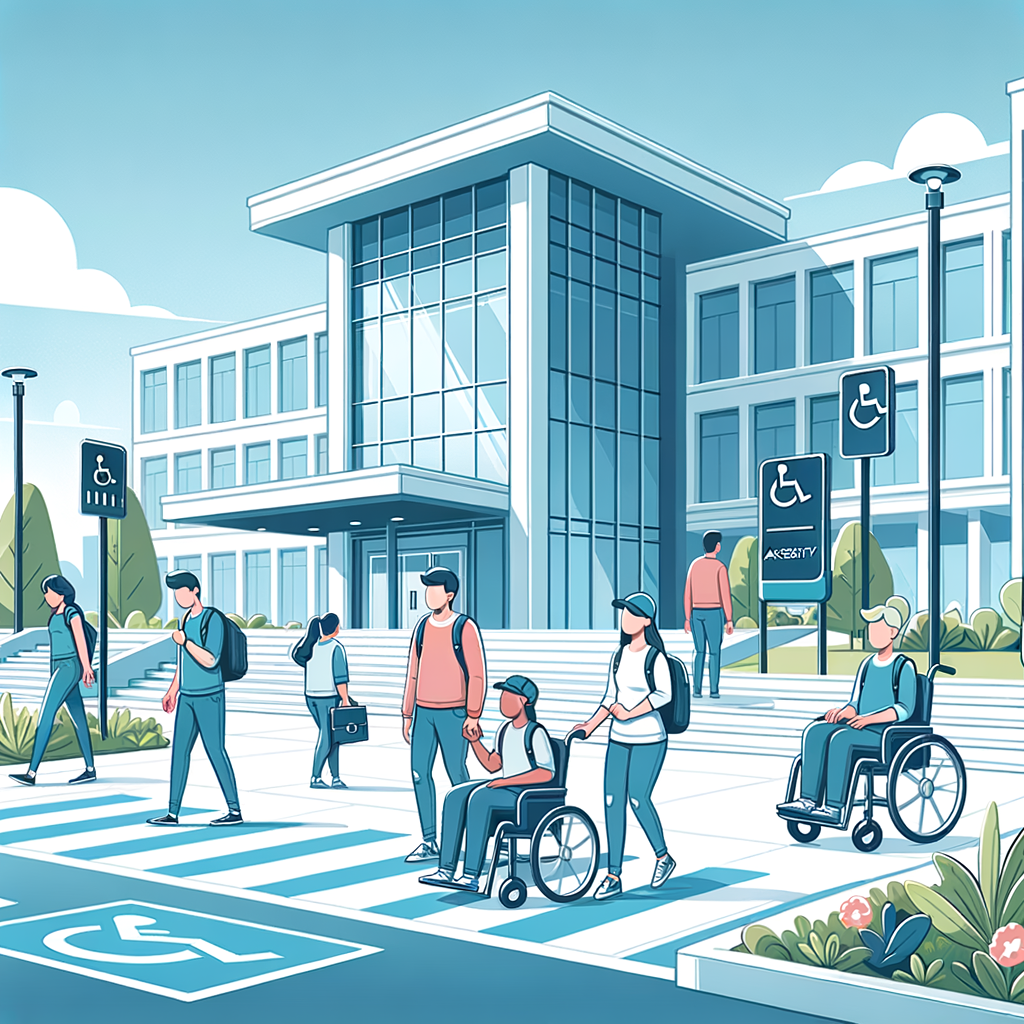
Accessibility in higher education is paramount in creating an inclusive and equitable environment for all students. The Americans with Disabilities Act (ADA) compliance serves as a critical framework for colleges and universities to ensure accessibility on campus. Although the ADA was enacted over three decades ago, many educational institutions are still grappling with how to integrate its mandates effectively. Implementing ADA compliance involves more than just physical accommodations like ramps and elevators. It includes digital accessibility, classroom accommodations, and fostering an inclusive campus culture. This article delves into the multifaceted nature of ADA compliance in higher education, highlighting challenges, best practices, and future directions. We’ll explore how educational institutions can proactively address the needs of students with disabilities, ensuring they have equitable opportunities to succeed. Furthermore, we will consider the legislative framework that underpins these efforts and discuss innovative strategies that universities have employed to eliminate barriers. As we navigate these complexities, it is essential to recognize that accessibility is not merely a legal obligation but a commitment to empowering all learners.
The Importance of ADA Compliance
ADA compliance is a fundamental aspect of higher education, rooted in the belief that every student deserves equal access to educational opportunities. The ADA’s significance extends beyond legal requirements; it embodies a commitment to social justice and inclusivity. Failing to implement ADA compliance can result in legal ramifications, public relations issues, and, most importantly, a disservice to students with disabilities. Therefore, universities must integrate accessibility into their institutional ethos, recognizing it as a core component of their mission.
ADA compliance is not a one-size-fits-all solution. It necessitates an individualized approach that considers the diverse needs of students. Physical accessibility is perhaps the most visible aspect, encompassing barrier-free design in buildings, accessible transportation, and properly equipped classrooms. However, the scope of accessibility expands into digital realms, requiring that online resources, learning management systems, and digital content conform to accessibility standards. This includes providing alternative text for images, ensuring screen reader compatibility, and offering content in multiple formats.
Inclusive teaching practices are another pillar of ADA compliance. Faculty members must be trained to accommodate diverse learning needs, adopting strategies like individualized assignment timelines and varying forms of assessment. This not only aids students with disabilities but enhances the learning experience for all students. Moreover, it is crucial to establish a supportive environment where students can freely disclose their disabilities and request accommodations without fear of stigma or discrimination. Institutions should utilize student support services as key resources in implementing ADA compliance, offering counseling, academic support, and assistive technologies.
Challenges in ADA Implementation
While the benefits of ADA compliance are clear, implementing these measures poses several challenges. A significant barrier is the financial burden associated with retrofitting older buildings to meet accessibility standards. Many institutions struggle with limited budgets, making it difficult to prioritize large-scale modifications. Additionally, digital accessibility requires ongoing investment in technology and staff training, which can be resource-intensive.
Another challenge is the lack of awareness and understanding about disabilities among campus communities. Misconceptions and stereotypes can hinder the development of inclusive policies and practices. Educating students, faculty, and staff about disability rights and the importance of accessibility is essential in cultivating a culture of inclusion. This involves organizing training sessions, workshops, and seminars to raise awareness and promote empathy and understanding.
Moreover, the pace of technological advancement can complicate compliance efforts. As new technologies emerge, institutions must remain vigilant in ensuring these tools are accessible. This requires continuous evaluation and adaptation of digital resources to meet evolving accessibility standards. Ensuring that vendors provide accessible products and services is also a critical component of maintaining ADA compliance in a rapidly changing technological landscape.
Best Practices for Achieving Compliance
Despite these challenges, many universities have successfully implemented ADA compliance through innovative strategies and best practices. Conducting comprehensive accessibility audits is a valuable first step, helping institutions identify barriers and prioritize improvements. These audits should cover physical spaces as well as digital platforms, providing a holistic view of an institution’s accessibility status.
Collaboration is key in developing and executing effective accessibility plans. Involving stakeholders from across the campus community, including students with disabilities, faculty, and staff, ensures diverse perspectives are considered. Input from disability advocacy groups and consultants can offer valuable insights and reinforce commitments to accessibility.
Developing robust policies and guidelines is essential in standardizing accessibility practices. These documents should outline the institution’s commitment to ADA compliance, specify accommodations procedures, and set expectations for accessibility across all campus operations. Clear policies provide consistency and accountability, ensuring that compliance efforts are sustainable over time.
Investing in training programs for faculty and staff is crucial to embedding accessibility into the campus culture. Training should encompass not only the technical aspects of accessibility but also strategies for fostering an inclusive classroom environment. By equipping educators with the tools and knowledge needed to support diverse learners, institutions can enhance academic outcomes and student satisfaction.
Finally, leveraging technology is a powerful means of advancing ADA compliance. Innovations in assistive technologies, such as text-to-speech software, screen readers, and speech recognition, can significantly enhance the accessibility of educational content. Additionally, developing inclusive online courses and ensuring learning management systems are accessible can bridge gaps for remote learners and those with disabilities.
Legal Framework and Guidelines
The legal framework surrounding ADA compliance in higher education is complex, encompassing federal, state, and local regulations. At the federal level, the ADA and Section 504 of the Rehabilitation Act are the primary statutes governing accessibility in educational settings. These laws mandate that institutions receiving federal funding provide equal access to educational opportunities for students with disabilities.
The ADA specifically outlines requirements for physical and digital accessibility, covering aspects such as building design, transportation, and communication. Section 504 extends these protections, prohibiting discrimination based on disability in any program or activity receiving federal financial assistance. Together, these laws establish a comprehensive framework for accessibility, guiding institutions in their compliance efforts.
In addition to these federal statutes, the Web Content Accessibility Guidelines (WCAG) provide a set of technical standards for digital accessibility. Developed by the World Wide Web Consortium (W3C), WCAG outlines best practices for making web content accessible to people with disabilities. Adhering to these guidelines ensures that online resources are usable by individuals with visual, auditory, physical, and cognitive impairments.
State and local regulations may impose additional accessibility requirements, depending on jurisdiction. Institutions must familiarize themselves with these laws to ensure comprehensive compliance. Regularly reviewing and updating accessibility policies and practices to align with legislative changes is crucial in maintaining legal compliance and avoiding potential litigation.
The Role of Campus Culture
Cultivating an inclusive campus culture is essential in supporting ADA compliance and fostering a sense of belonging among students with disabilities. This involves promoting diversity, equity, and inclusion initiatives that celebrate the contributions and achievements of individuals with disabilities. Hosting events, discussions, and workshops on disability awareness can raise visibility and challenge stereotypes, contributing to a more accepting and supportive campus community.
Providing platforms for students with disabilities to share their experiences and advocate for their rights plays a vital role in shaping institutional policies. Creating student-led organizations, advisory councils, and feedback mechanisms enables students to voice their concerns and offer recommendations for improving accessibility.
Institutions should also recognize the importance of mental health and emotional well-being in addressing accessibility. Providing comprehensive mental health services, including counseling and support groups, is vital in supporting students with disabilities. These services should be accessible to all students, with accommodations available for those who require them.
Conclusion
Ensuring ADA compliance in higher education is a multifaceted endeavor that requires dedication, collaboration, and innovation. By understanding the nuances of accessibility and implementing best practices, educational institutions can create environments that support the success and well-being of all students. While challenges persist, particularly in terms of financial constraints and technological advancements, it is essential for universities to prioritize accessibility as an integral part of their mission. Cultivating a campus culture that values diversity, inclusion, and empathy will not only enhance compliance efforts but also enrich the overall educational experience.
Moving forward, it is imperative for institutions to remain proactive in their accessibility efforts. Regularly assessing and updating accessibility plans, staying informed about legislative changes, and engaging with the campus community are key strategies for maintaining compliance. By embracing the principles of the ADA and committing to continuous improvement, higher education institutions can lead the way in creating inclusive and accessible learning environments for all students. Ultimately, accessibility is not just a legal mandate but a reflection of an institution’s commitment to equity and social justice, ensuring that every learner has the opportunity to thrive.


