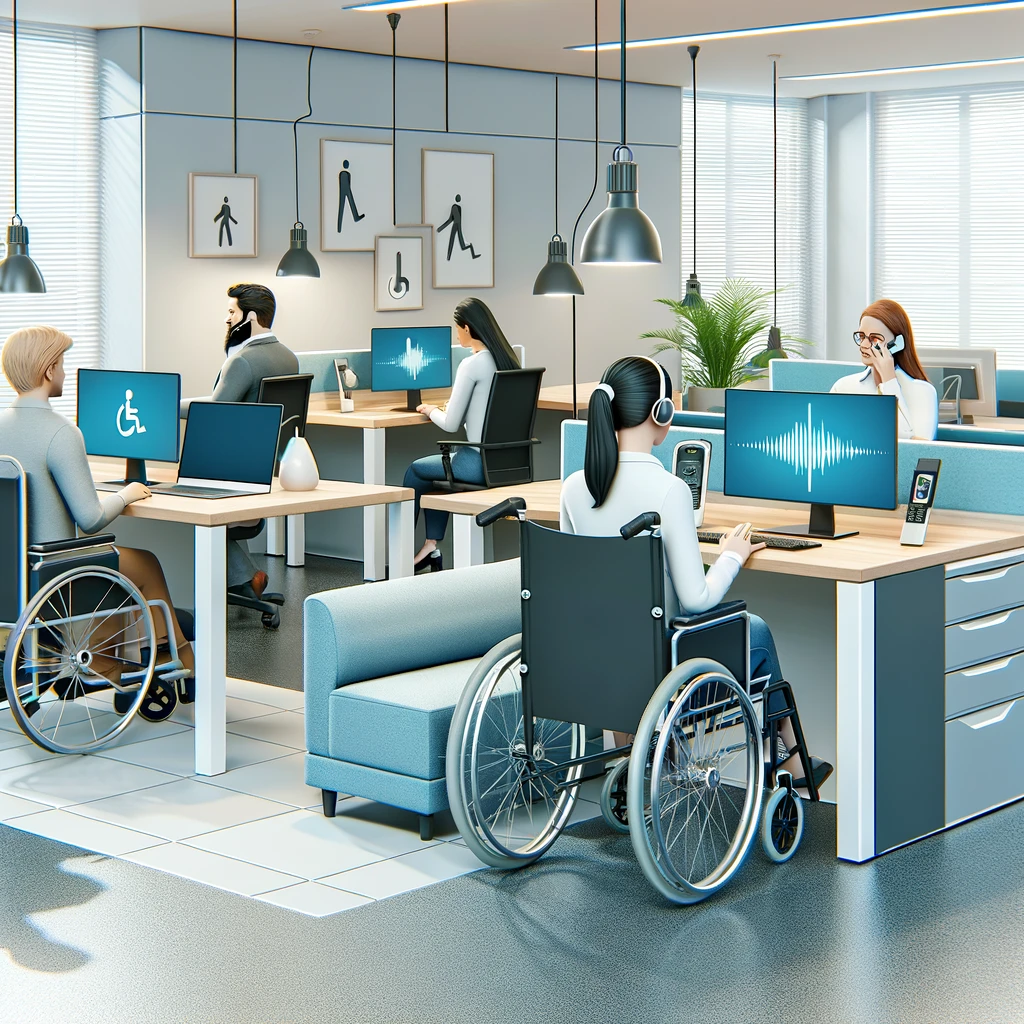
The Americans with Disabilities Act (ADA) was a groundbreaking piece of legislation enacted in 1990 aimed at ensuring individuals with disabilities have the same rights and opportunities as everyone else. It encompasses various aspects of daily life, work, and societal participation, striving to eliminate discrimination and promote equal accessibility. One of the critical areas where the ADA plays a pivotal role is in emergency preparedness. Emergencies and natural disasters do not discriminate, but their impacts can disproportionately affect individuals with disabilities if proper measures aren’t in place.
Emergency preparedness encompasses everything from devising evacuation plans to ensuring shelter accessibility, communicating emergency information, and providing necessary resources. Given that roughly 61 million adults in the United States live with a disability, it is crucial that emergency plans account for the diverse needs of this population. By adhering to the principles and guidelines set forth by the ADA, communities, businesses, and emergency management officials can ensure that no one is left behind when it matters the most.
This comprehensive overview will explore the relevance of the ADA in the context of emergency preparedness, highlight the key components involved, discuss best practices, and underscore the importance of inclusivity in disaster planning and response. Through this lens, we hope to foster better understanding and implementation of effective emergency strategies that cater to individuals with disabilities.
The Importance of Inclusive Emergency Planning
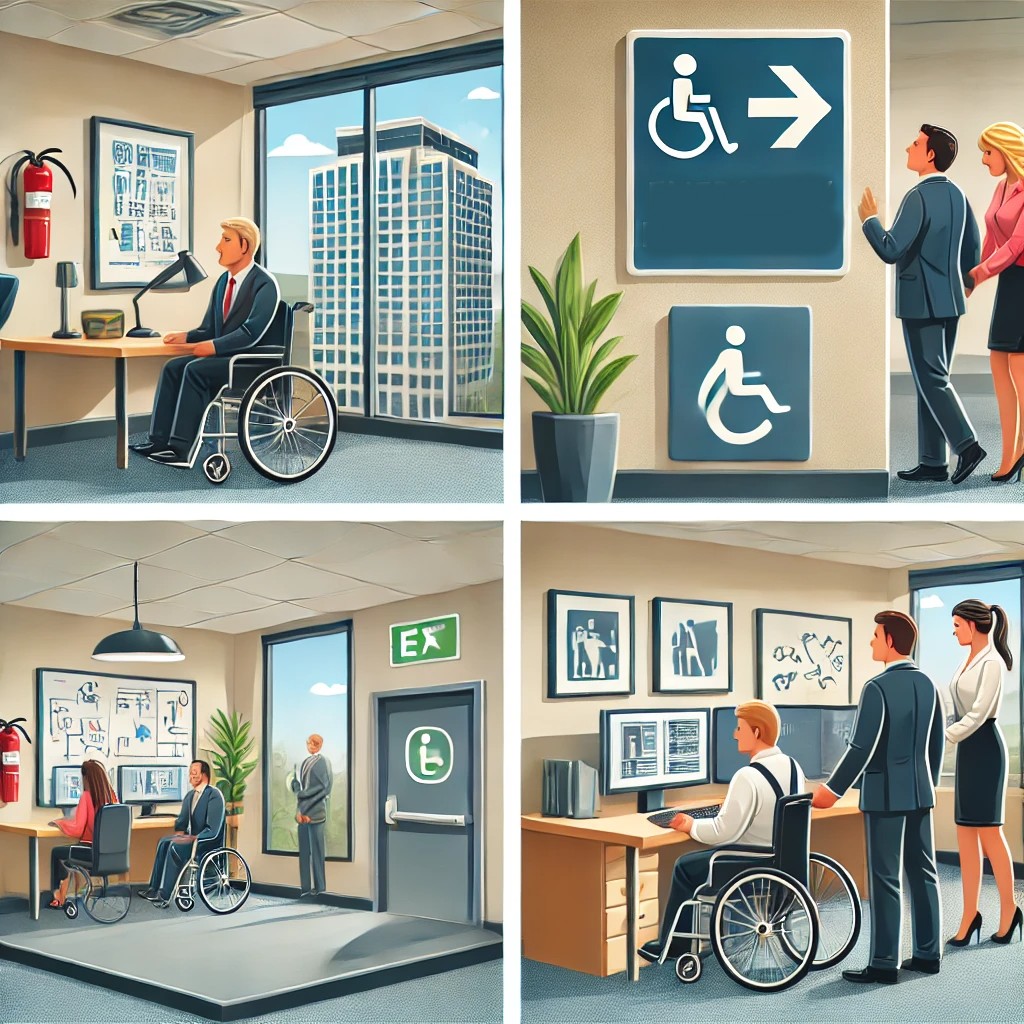
Inclusive emergency planning is not just a legal requirement under the ADA, but a moral and practical imperative. Emergencies can range from natural disasters like hurricanes and earthquakes to human-made events such as fires or chemical spills. In these scenarios, individuals with disabilities often face unique challenges that can hinder their ability to respond and recover. For instance, those with mobility impairments might find it difficult to evacuate buildings without accessible exits or adequate support.
Moreover, sensory disabilities like blindness or hearing loss can inhibit the reception of important communication, whether it’s an auditory fire alarm or visual emergency signage. Cognitive and intellectual disabilities may also affect one’s understanding and response to emergency instructions. Hence, structure and clarity in communication are essential.
Inclusive planning involves actively engaging individuals with disabilities and disability organizations in the emergency planning process. Their input ensures that all potential barriers are addressed and that emergency strategies are effective and feasible. Collaboration with these stakeholders leads to more resilient and cohesive plans which protect the well-being of the entire community.
Moreover, when public entities and organizations incorporate accessibility from the start, they not only comply with ADA regulations but also build trust and confidence among individuals with disabilities and their families. This consideration can significantly impact recovery time and overall safety during emergencies.
Key Components of Accessibility in Emergency Preparedness
To achieve truly inclusive emergency preparedness, several key components must be addressed. These include, but are not limited to:
- Evacuation Plans: Buildings and public spaces must have accessible evacuation routes and plans that consider the needs of individuals with physical, sensory, or cognitive disabilities.
- Communication: Emergency information must be conveyed in accessible formats, such as visual aids, auditory signals, braille, or plain language. ASL interpreters and captioning can be vital during live announcements.
- Sheltering: Emergency shelters must be fully accessible, offering necessary accommodations such as wheelchair ramps, accessible restrooms, and adequate space for service animals.
- Training: Emergency personnel should be trained in understanding the needs of individuals with disabilities and in providing appropriate assistance during emergencies.
- Medical and Assistive Equipment: Ensuring that medical supplies and assistive devices, like hearing aids, wheelchairs, and respiratory equipment, are available during emergency situations.
Each of these components must be thoughtfully integrated into emergency plans to ensure comprehensive accessibility. For example, evacuation drills should include scenarios that account for various disabilities, and signage should be designed considering those with visual and cognitive impairments. Consistent review and updating of these plans are essential as they must evolve with changing needs and the latest best practices.
Best Practices for Effective Emergency Preparedness
Effective emergency preparedness for individuals with disabilities hinges on a set of best practices that blend legal guidelines with practical insights:
- Community Involvement: Engage with disability advocacy groups and individuals with disabilities to develop, review, and refine emergency plans.
- Regular Training and Drills: Conduct regular training for emergency responders and hold drills that include scenarios encompassing the needs of people with various disabilities.
- Technology Integration: Leverage technology such as mobile apps and assistive devices to disseminate emergency information and support individuals during evacuations and sheltering.
- Multi-faceted Communication: Use multiple channels to distribute emergency information, ensuring it reaches individuals with differing sensory preferences and abilities.
- Resource Allocation: Pre-plan the allocation of resources like accessible transportation, shelter accommodations, and medical supplies necessary for individuals with disabilities.
By embracing these practices, emergency managers can enhance their preparedness strategies, making them more inclusive and robust. Importantly, these practices should be revisited periodically to incorporate feedback and new developments in the field of emergency management.
The Role of Technology in Enhancing Accessibility
Technology has revolutionized emergency preparedness, especially in terms of accessibility. Modern advancements provide several tools and platforms to facilitate better communication, planning, and response:
- Emergency Alert Systems: These systems can be customized to send alerts via text, voice, or email, ensuring that individuals receive timely updates in an accessible format.
- Mobile Applications: Numerous apps offer features like visual and auditory alarms, GPS tracking, and direct connectivity to emergency services, tailored for individuals with disabilities.
- Smart Home Devices: Devices like smart speakers can provide real-time emergency alerts and instructions, enhancing independence for users with physical or sensory disabilities.
- Assistive Devices: Innovations in assistive technology, including specialized wheelchairs, hearing aids, and speech-to-text devices, ensure better preparedness and response during emergencies.
These technological tools not only aid individuals with disabilities but also enhance overall community resilience by ensuring comprehensive access to emergency information and support. Continuous investment and innovation in technology are crucial for maintaining the inclusivity and effectiveness of emergency preparedness efforts.
Building a Culture of Inclusivity and Preparedness
Fostering a culture of inclusivity and preparedness is paramount for ensuring that emergency plans are not just compliant with the ADA but genuinely effective. This culture can be developed by:
- Educational Campaigns: Raise awareness about the needs and challenges faced by individuals with disabilities during emergencies through public education and outreach efforts.
- Policy Development: Advocate for and implement policies that mandate inclusive emergency planning practices at local, state, and federal levels.
- Community Collaboration: Build strong relationships among government agencies, emergency management professionals, disability advocates, and the broader community to foster cooperation and shared responsibility.
This collaborative approach helps ensure that emergency preparedness is a continuous, adaptive process, with lessons learned from each incident leading to better strategies and outcomes. Emphasizing inclusivity in all aspects of community life, from everyday interactions to emergency responses, builds a solid foundation for resilience and safety for everyone.
Conclusion: Moving Forward with Inclusive Emergency Preparedness
As we face an era of increased natural disasters and complex emergency situations, it is vital to ensure that our emergency preparedness plans are inclusive and considerate of individuals with disabilities. The ADA provides a robust framework to guide these efforts, demanding that accessibility and equal opportunity be at the forefront of emergency planning and response.
Communities, emergency planners, and policymakers must continue to work closely with disability advocates and individuals with disabilities to refine and implement effective emergency strategies. The goal should always be to create environments where everyone, regardless of their abilities, feels safe, informed, and capable of responding effectively in times of crisis.
Incorporating inclusive practices into emergency preparedness not only adheres to the legal standards set by the ADA but also reinforces a commitment to human dignity and equality. As we move forward, let us strive to build a world where emergency preparedness is comprehensive, inclusive, and resilient, ensuring the safety and well-being of every individual.