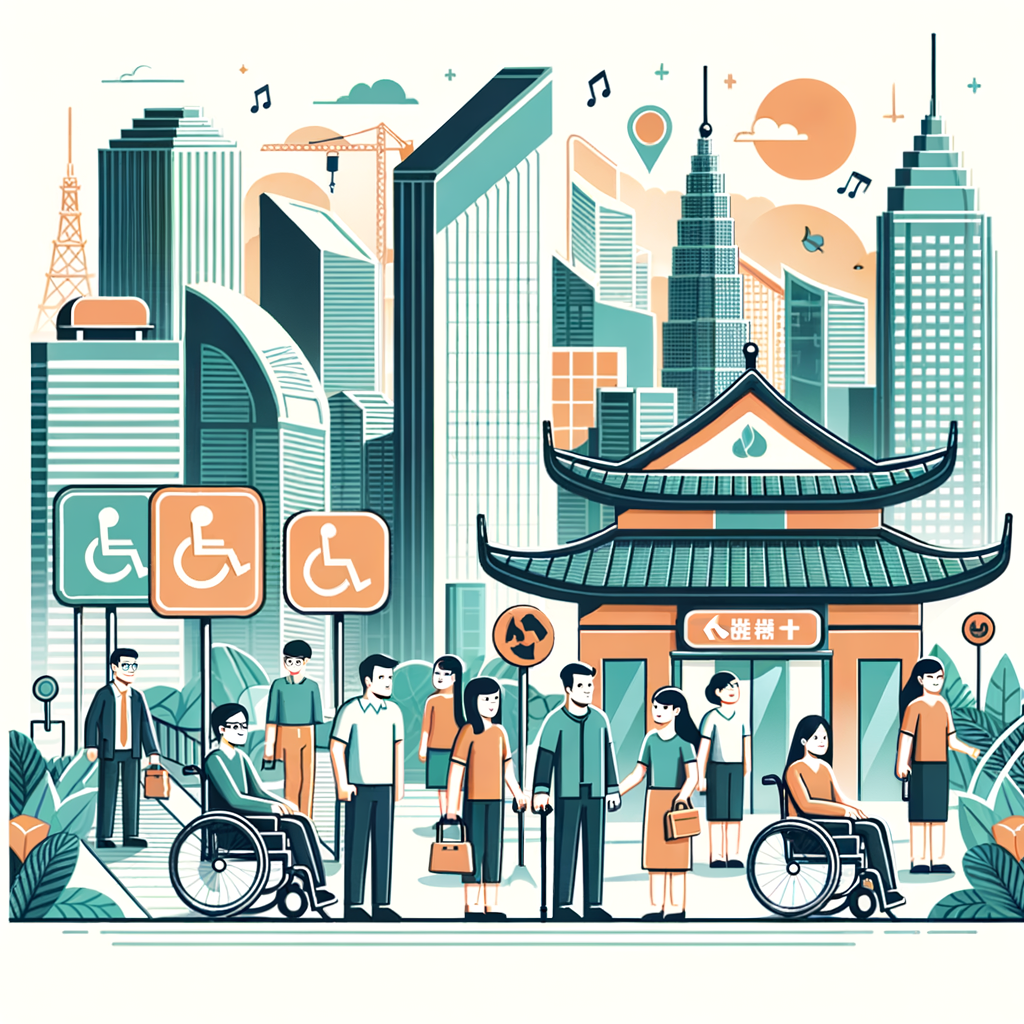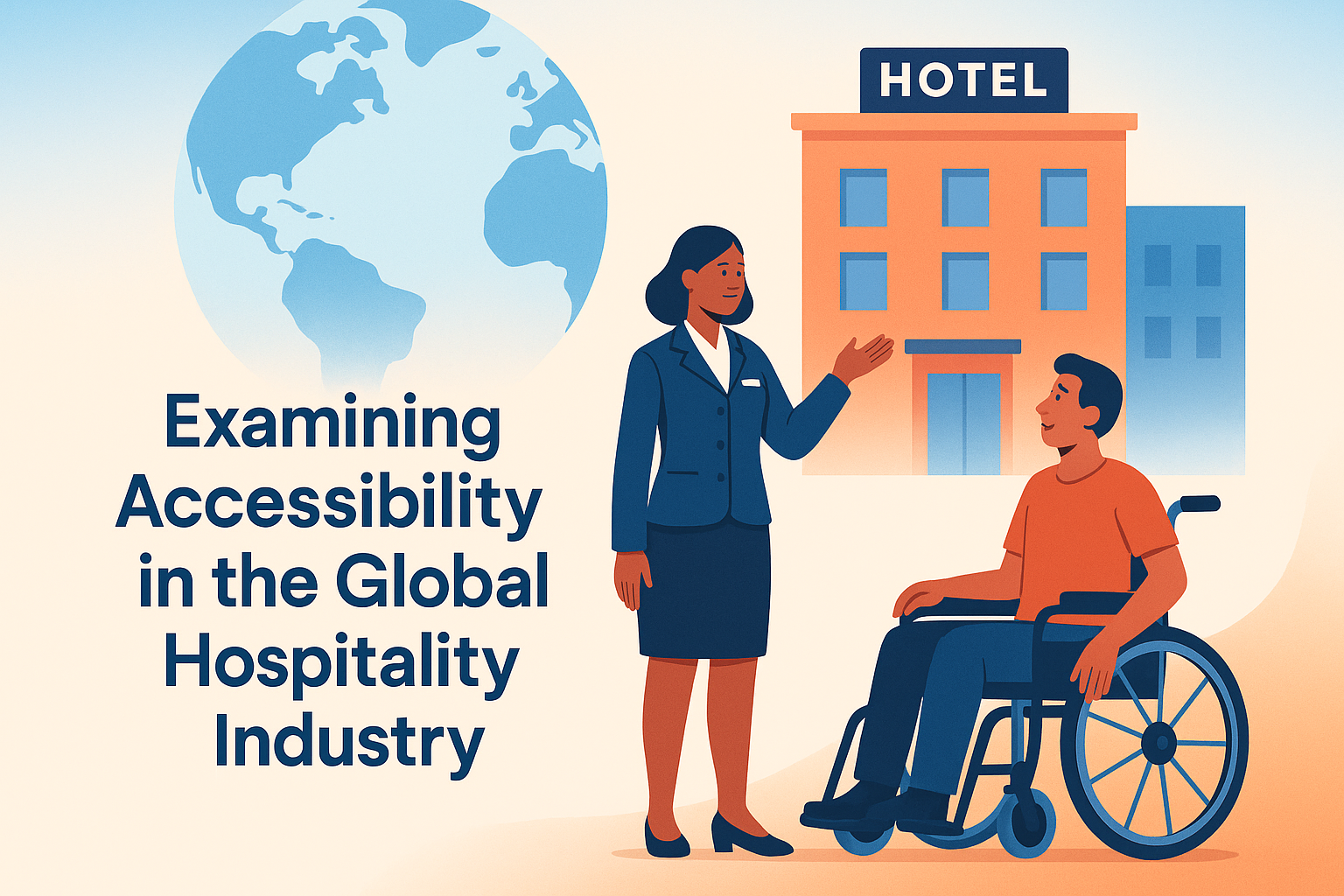
The hospitality industry is an enormous and diverse field encompassing a range of services from accommodation and food to recreation and tourism. Accessibility within this industry refers to the practices and provisions designed to ensure that all individuals, regardless of their physical abilities, can use and enjoy the facilities and services offered. This concept goes beyond mere compliance with legal standards; it encompasses a commitment to inclusive service and customer satisfaction, reflecting the broader values of diversity and equality.
In a global context, accessibility in hospitality is of paramount importance, as the industry serves an increasingly diverse and international clientele. It raises questions about how organizations can ensure their services are accessible to everyone, including individuals with disabilities. Addressing accessibility not only enhances the guest experience but also broadens the market by inviting a larger spectrum of individuals to partake in services. Failures in this area can lead to not only dissatisfied customers but also potential legal challenges, harming both reputation and revenue.
The importance of accessibility is underscored by the World Health Organization’s estimates indicating over a billion people live with some form of disability. In recognizing this considerable demographic, the hospitality industry must embrace accessibility as an integral component of its operational and strategic planning. This focus not only fulfills ethical and legal obligations but also provides a significant business advantage in a competitive global market.
Understanding the Legal Framework for Accessibility
A fundamental component of accessibility in hospitality is adherence to legal requirements. Different countries have varying legal standards aimed at ensuring that public spaces and services are accessible. These include the Americans with Disabilities Act (ADA) in the United States, the Equality Act in the United Kingdom, and the Accessibility for Ontarians with Disabilities Act (AODA) in Canada.
Each of these acts has specific requirements for businesses operating in the hospitality sector, including requirements for physical accessibility (like ramps, elevators, and wider doorways), as well as accommodations for the visually or hearing impaired. For example, the ADA mandates that hotel rooms contain features like grab bars in bathrooms, signage in Braille, and auditory fire alarms.
Incorporating these requirements can be challenging, particularly for older establishments that were not initially designed with accessibility in mind. However, compliance not only avoids legal penalties but enhances the inclusivity and reputation of the business.
Enhancing Guest Experience through Universal Design
Beyond meeting legal requirements, many hospitality providers are turning to universal design principles to enhance accessibility. Universal design involves creating an environment that can be accessed, understood, and used to the greatest extent possible by all people regardless of their age, size, or disability.
An excellent example of universal design in practice is the innovative layout of the Scandic Hotels chain. Scandic has implemented accessibility standards that include features such as curtain control from a seated position, hearing loops, and height-adjustable beds, making rooms more welcoming and comfortable for all guests.
Universal design benefits all guests, not just those with disabilities. For example, wider corridors and ramps are advantageous for families with strollers or travelers with luggage. Implementing universal design principles can thus be a differentiating factor in attracting and retaining customers in the hospitality industry.
Technology’s Role in Accessibility
In today’s digital age, technology plays a crucial role in enhancing accessibility within the hospitality sector. Technologies such as mobile apps, websites, and interactive kiosks need to be designed with accessibility in mind, following guidelines such as the Web Content Accessibility Guidelines (WCAG).
A real-world example of technology enhancing accessibility is the Marriott International chain, which has incorporated assistive technology into their operations. Their mobile app includes features like voice command, enabling guests with visual impairments to navigate services more freely. Furthermore, the app facilitates real-time requests, providing a seamless experience for guests with mobility challenges.
An accessible digital experience is not just about convenience; it is a critical factor in the planning stages of travel, influencing decisions about accommodations and dining. By investing in accessible technologies, hospitality providers can empower guests with disabilities to travel more independently.
Training and Awareness as Accessibility Drivers
While physical infrastructure and technology are vital, the role of staff in delivering an accessible guest experience cannot be overlooked. Training programs emphasizing disability awareness and sensitivity can equip staff with the knowledge and skills to better accommodate guests with accessibility needs.
Consider the example of the Disney Parks, where employees undergo rigorous training on accessibility and are regularly updated on best practices and emerging trends. This not only ensures compliance with international accessibility standards but also enhances the overall guest experience.
By fostering a culture of awareness and empathy, hospitality businesses can transform their service delivery. This goes beyond physical accommodations, creating a welcoming atmosphere that recognizes and values diversity in guest needs.
Economic Benefits of Prioritizing Accessibility
Investing in accessibility initiatives is often perceived as costly by some in the hospitality industry. However, it is important to recognize the substantial economic benefits that can be gained from ensuring services and facilities are accessible to all guests.
Accessible services attract a broader range of customers, including individuals with disabilities and their companions. An illustrative example is VisitEngland’s research, which has shown that accessible tourism contributes significantly to the economy with billions in spending each year.
The following table highlights some key benefits of implementing accessibility in the hospitality industry:
| Benefit | Description |
|---|---|
| Increased Market Reach | Accessible facilities attract a broader audience, including the growing demographic of aging travelers and those with disabilities, who often travel with companions. |
| Brand Loyalty | Providing accessible services and environments fosters loyalty among guests with disabilities, leading to repeat business and positive word-of-mouth. |
| Competitive Advantage | Offering superior accessibility can set a business apart from its competitors, drawing in guests who prioritize inclusion in their travel choices. |
Thus, apart from fulfilling moral and legal imperatives, embedding accessibility into the core strategy of hospitality ventures potentially unlocks significant business opportunities.
Future Trends and Innovations in Hospitality Accessibility
As the hospitality industry evolves, so too do the approaches to accessibility. Innovative solutions and emerging trends promise to further enhance the inclusion and experience of all guests.
One such trend is the integration of artificial intelligence (AI) in providing personalized guest experiences. AI can be used to customize room preferences, provide navigation assistance, and enhance communication for guests with disabilities through smart devices.
Another promising trend is the growing focus on sustainable and accessible tourism. Eco-friendly practices and accessible facilities go hand-in-hand in the quest to offer guests a holistic experience that considers both environmental responsibility and social inclusivity.
The hospitality industry must keep pace with these innovations, embracing emerging technologies and philosophies to meet the demands of a diverse global customer base.
Conclusion: Enhancing Accessibility for a Brighter Future
In examining accessibility within the global hospitality industry, it is clear that the benefits of designing and implementing inclusive practices extend far beyond legal compliance. By embracing universal design, leveraging technology, providing staff training, and cultivating awareness, businesses can enhance the overall guest experience and gain a competitive edge.
Accessible services make facilities welcoming to a diverse population, ultimately benefiting the business through increased patronage and positive branding. In conclusion, the hospitality industry must take action to integrate accessibility, not only to accommodate existing legal requirements but to evolve as a responsible, inclusive entity committed to offering all guests equal access to enjoyment and comfort.
For businesses looking to start or enhance their accessibility strategies, the next step involves conducting an accessibility audit to identify areas for improvement and investment. By prioritizing accessibility today, hospitality providers can ensure that they are well-positioned to thrive in a dynamic and inclusive future.
Call to Action: Begin integrating accessibility into your hospitality services by consulting professionals, implementing changes in infrastructure, and investing in staff training to ensure a comprehensive approach that caters to the needs of all guests.
By addressing accessibility, the global hospitality industry not only aligns itself with ethical standards but also sets up a sustainable, inclusive model that promises long-term success.
Frequently Asked Questions
1. What does accessibility mean in the context of the global hospitality industry?
Accessibility in the global hospitality industry refers to the inclusive measures and accommodations put in place to ensure all guests, regardless of their physical abilities, can fully enjoy and participate in the services offered. This includes practical implementations like wheelchair-accessible entrances, lifts, and bathrooms, as well as sensory accommodations for individuals with visual or hearing impairments. It’s more than just ticking boxes for legal compliance — it’s about genuinely understanding and accommodating the diverse needs of all guests to enhance their experience. Hospitality businesses that prioritize accessibility are not only adhering to ethical obligations but are also opening their doors to a wider clientele, thus significantly broadening their customer base. Going beyond the physical structures, many establishments are training their staff to communicate effectively and sensitively with people with different needs, ensuring that every aspect of the guest experience is considered and optimized for inclusivity.
2. Why is accessibility important for the hospitality industry?
Accessibility is crucial in the hospitality industry for several reasons. First and foremost, it’s a matter of respect and human rights. Every individual deserves the right to access the same services and experiences, regardless of their physical or sensory limitations. By making facilities more accessible, the hospitality industry promotes equality and social inclusion. Secondly, there’s a strong business case for improving accessibility. By excluding people with disabilities, businesses potentially miss out on a substantial market segment. In many regions, the aging population is growing, which correlates with an increase in potential customers with accessibility needs. Fostering an environment where all guests feel welcome and valued enhances customer satisfaction and loyalty, ultimately leading to repeat business and positive word-of-mouth promotion. Lastly, being accessible can be a unique selling point, differentiating a business from others that may not prioritize these adaptations. It’s a strategic investment that helps future-proof a business against changing societal norms and expectations.
3. What kinds of improvements can hospitality businesses make to enhance accessibility?
There are numerous improvements that hospitality businesses can implement to enhance accessibility. Structurally, installing ramps and lifts, ensuring doorways and corridors are wide enough for wheelchair access, and modifying facilities to meet specific needs, such as providing grab bars in bathrooms, are all essential. Communication-wise, offering materials in Braille, providing audio descriptions, and ensuring websites are compatible with screen readers make information accessible. For the hearing impaired, offering services like text telephone (TTY) systems, or ensuring staff are trained in basic sign language, can make a significant difference. Beyond physical adjustments, training staff to understand the diverse needs of guests and developing a culture of inclusivity can greatly enhance the overall guest experience. Some businesses are going above and beyond by including sensory rooms for people with autism or dementia, or providing allergen-free dining options for those with specific dietary needs. All these changes require commitment but can significantly improve how guests experience and interact with a hospitality service, turning potential frustrations into seamless enjoyment.
4. How does accessibility impact customer satisfaction in the hospitality industry?
Accessibility has a profound impact on customer satisfaction within the hospitality industry. When guests find that their needs are anticipated and respectfully met, it not only creates a positive experience but also fosters feelings of being understood and valued. Such experiences are vital in establishing loyalty and trust, which are key components of customer satisfaction. Conversely, inaccessibility can lead to uncomfortable or difficult situations that can negatively impact a guest’s perception of a business. For example, a lack of proper signage or navigation lessens a person’s ability to enjoy the facilities fully, which may lead to frustration, inconvenience, or even injury. Moreover, beyond the individual experience, accessibility reflects how a business treats its entire clientele, impacting its brand reputation and market positioning. Hospitality businesses that invest in accessibility are often perceived more positively by all guests, not just those who require specific accommodations. This inclusive approach often results in favorable reviews, increased bookings, and a stronger overall customer relationship.
5. What are the challenges of implementing accessibility in the hospitality industry globally?
Implementing accessibility in the global hospitality industry comes with a range of challenges. A primary hurdle is the cost associated with renovating or retrofitting existing structures. Making a facility accessible can require substantial financial investment, which some businesses may find daunting. Furthermore, there could be a lack of knowledge or awareness among hospitality providers, particularly in regions where accessibility standards aren’t fully integrated into local regulations. Different countries have varying levels of legal requirements and enforcement when it comes to accessibility, leading to inconsistencies across the globe. Additionally, cultural attitudes towards disability can significantly affect how and when accessibility measures are implemented. Educating the workforce consistently worldwide about accessibility needs and ensuring that these are met can also be challenging. Despite advancements, there is still a significant gap between what is needed and what has been implemented, requiring ongoing effort and commitment from industry leaders to ensure accessibility becomes standard practice, rather than an exceptional consideration.