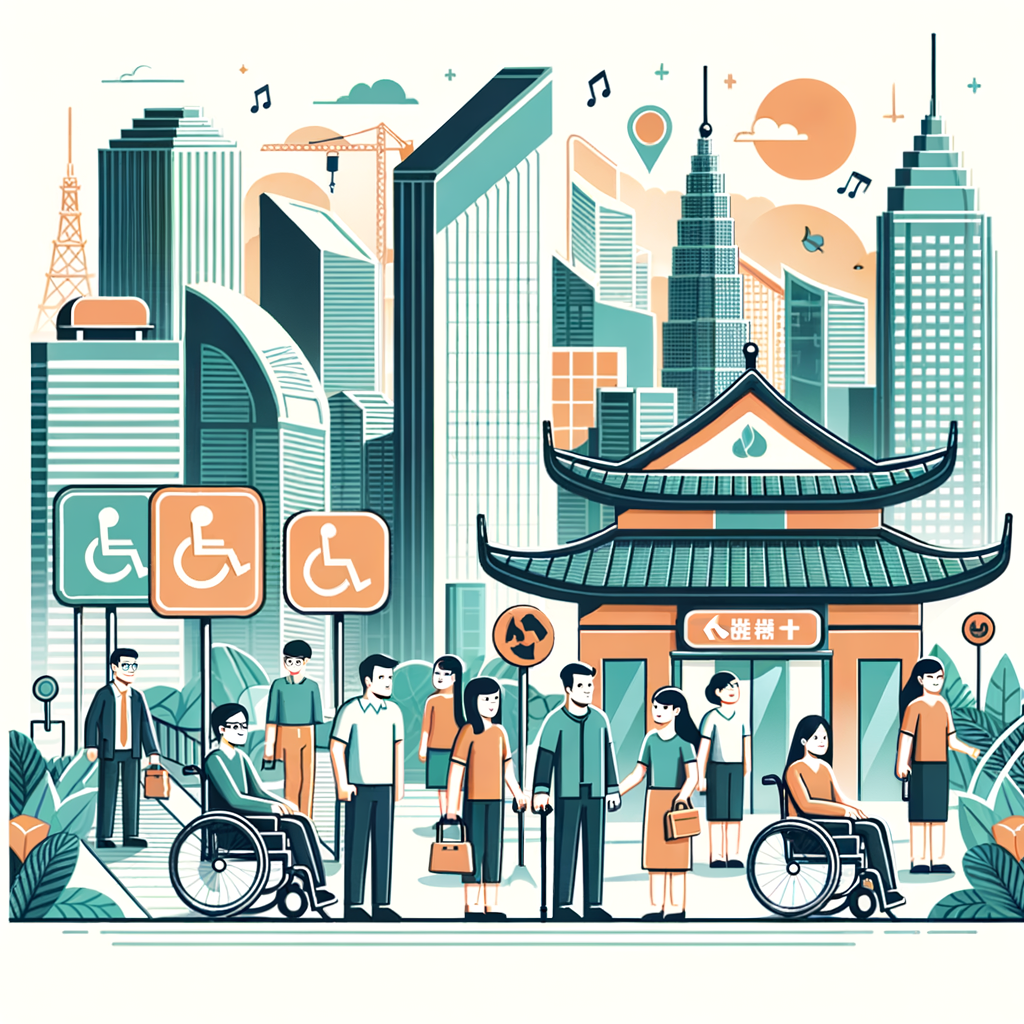
Inclusive education is an educational approach that seeks to accommodate and cater to the diverse learning needs of all students. This includes those with disabilities, learning differences, and various cultural and linguistic backgrounds. As societies strive for equality and equity, inclusive education stands as a critical pillar in ensuring that no student is left behind, regardless of their abilities or circumstances. By providing equal opportunities and fostering an environment where every student can thrive, inclusive education not only enhances individual growth but also contributes significantly to the social, economic, and cultural development of communities worldwide.
The importance of inclusive education cannot be overstated. It lays the foundation for a more equitable society by challenging stereotypes and breaking down barriers that have historically marginalized certain groups of students. It’s not just a question of providing access but also ensuring that the educational content and delivery methods are suitable and sensitive to the diverse student population. Furthermore, inclusive education promotes a culture of acceptance and respect among students, preparing them for interactions in a diverse world. This article explores various inclusive education practices from different countries, examining how these models are implemented and their impact on students and society as a whole.
Inclusive Education Practices in Finland
Finland is renowned for its exemplary education system, which prioritizes inclusion and equality. The Finnish approach is rooted in the belief that every child has the right to a high-quality education that meets their individual needs. Finnish schools focus on personalized learning, ensuring that each student’s educational experience is tailored to their abilities and potential.
A key feature of Finland’s inclusive education model is the presence of special education teachers in mainstream classrooms. These teachers work collaboratively with regular teachers to provide additional support to students who require it. This co-teaching model not only aids in identifying students’ unique needs early but also ensures that they receive the necessary assistance without being segregated from their peers.
The success of this approach is evident in Finland’s consistently high performance in international assessments such as PISA (Programme for International Student Assessment), where Finnish students excel across various subjects, indicating the effectiveness of their inclusive methods.
Inclusive Education Practices in Canada
Canada is another country that strongly advocates for inclusive education, encompassing diverse learner needs across its provinces and territories. The Canadian education system recognizes the importance of community involvement and partnerships in fostering an inclusive learning environment.
In British Columbia, for instance, schools employ Individualized Education Plans (IEPs) to tailor learning experiences for students with special needs. These plans are developed collaboratively with input from teachers, parents, and, where appropriate, the students themselves. The IEPs outline specific goals, required resources, and methods of assessment, ensuring a personalized approach to education that accommodates each student’s unique circumstances.
Furthermore, Canadian schools emphasize creating inclusive cultures by organizing sensitivity training for staff and promoting peer mentorship programs. These initiatives have been successful in promoting acceptance and understanding among students from diverse backgrounds, contributing to reduced instances of bullying and increased student motivation.
Inclusive Education Practices in India
In India, the inclusive education movement has gained momentum over recent years, driven by government policies and initiatives aimed at integrating students with disabilities into mainstream education. The Right of Children to Free and Compulsory Education Act, 2009, mandates that all children, including those with disabilities, have access to primary education in a regular school setting.
One of the significant developments in Indian inclusive education is the implementation of resource rooms in schools. These rooms are equipped with specialized learning materials and tools to support students with varying needs. Resource teachers work with small groups of students, providing individualized attention and customizing learning activities suited to each learner’s requirements.
Moreover, India’s push towards inclusive education is supported by non-governmental organizations (NGOs) that provide training and resources for teachers, enabling them to develop more effective teaching strategies for diverse classrooms. This collaborative effort between the government and NGOs has led to improved educational outcomes for students with disabilities.
Inclusive Education Practices in Australia
Australia’s approach to inclusive education is characterized by its focus on respect for diversity and commitment to providing equitable learning opportunities for all students. Australian policies emphasize the inclusion of students with disabilities into mainstream classrooms, with the goal of fostering a sense of belonging and community.
An example of inclusive education in Australia can be seen in the New South Wales school system, where schools implement the “Every Student, Every School” policy. This initiative aims to build teacher capacity by providing professional development programs that equip educators with the skills needed to cater to diverse learning needs. Additionally, schools utilize flexible learning spaces that can be adapted to support various educational activities and learning styles, empowering teachers to create inclusive environments that accommodate all students.
Furthermore, Australia’s commitment to inclusion is reflected in its dedicated funding for special education programs, resources, and support services, ensuring that students receive the tailored support they need to succeed in mainstream education settings.
Strategies and Tools for Implementing Inclusive Education
Implementing inclusive education practices requires deliberate strategies and tools to ensure that diverse learner needs are met effectively. Here are some key strategies observed across various countries:
- Universal Design for Learning (UDL): This framework involves designing educational programs and materials that accommodate a wide range of learner abilities and preferences. By offering multiple means of engagement, representation, and action, UDL promotes accessibility and flexibility in learning.
- Collaborative Teaching Models: Co-teaching allows general and special education teachers to work together in planning and delivering instruction, ensuring that students receive a diverse range of expertise and support.
- Assistive Technology: Technologies such as screen readers, speech-to-text software, and adaptive devices can enhance the learning experience for students with disabilities, allowing them to participate fully in classroom activities.
- Professional Development: Regular training for educators on inclusive education practices is crucial for building their capacity to understand and address the needs of diverse learners effectively.
- Cultural and Language Sensitivity: Schools that embrace cultural diversity and implement bilingual and multicultural education programs provide students with the opportunity to learn in an environment that honors their backgrounds and languages.
The Impact of Inclusive Education
The impact of inclusive education extends beyond academic success, influencing social and emotional aspects of student life as well. Key results from effective inclusive practices include:
| Impact Areas | Explanation |
|---|---|
| Academic Achievement | Inclusive education promotes personalized learning, resulting in improved academic outcomes for all students. |
| Social Skills | Interaction among diverse groups of students fosters social skills, empathy, and collaborative abilities. |
| Reduced Stigmatization | Inclusion reduces the stigma associated with disabilities and cultural differences, promoting acceptance and equality. |
| Community Building | Creating inclusive educational environments contributes to a sense of community and collective responsibility among students, staff, and families. |
Challenges and Barriers to Inclusive Education
Despite the progress made towards inclusive education, challenges remain. These include inadequate funding, insufficient teacher training, and lack of resources. Some regions face societal and cultural barriers that impede the full implementation of inclusive practices, such as discrimination and biased attitudes towards students with disabilities.
To overcome these challenges, it is essential for governments, organizations, and communities to collaborate in advocating for policy changes, increasing funding, and providing access to necessary resources. Furthermore, ongoing professional development and support for educators, along with raising public awareness and changing societal attitudes, are vital steps towards achieving inclusive education for all.
Conclusion
Inclusive education practices from around the world demonstrate the potential for creating equitable and supportive learning environments that meet the needs of diverse learners. By prioritizing inclusion, countries not only enhance the educational experience for individual students but also contribute to building a more just and cohesive society. However, realizing the full potential of inclusive education requires overcoming existing challenges through collective efforts and continued commitment from all stakeholders.
As educators, policymakers, and communities strive to build inclusive educational systems, it is essential to stay informed on best practices and innovative approaches being implemented globally. By learning from successful models and addressing persisting barriers, we can work towards a future where inclusive education is not merely an aspiration but a reality for all students. After all, every child deserves the opportunity to thrive in an educational environment that values and respects their individuality.
Readers are encouraged to reflect on their own educational environments and consider ways to foster inclusivity in their communities. By taking action—whether through advocacy, volunteering, or supporting inclusive policies—everyone can play a part in advancing the cause of inclusive education.
Frequently Asked Questions
What is inclusive education, and why is it important?
Inclusive education is an educational approach that aims to include all students, regardless of their physical, intellectual, social, emotional, linguistic, or other conditions. This includes children with disabilities, gifted children, children from marginalized groups, and those with diverse cultural and linguistic backgrounds. The goal of inclusive education is to ensure that all students have equal opportunities to participate in all aspects of schooling, which promotes a sense of belonging and respect for diversity.
Inclusive education is important because it reflects the values of equality and equity that many societies strive towards. By accommodating diverse learning needs, inclusive education helps to break down barriers that prevent certain groups from receiving an adequate education. This model not only provides equal access to education but also promotes social development and prepares students for living in a diverse society. Children learn to appreciate differences, develop empathy, and work collaboratively with people of varying abilities and backgrounds, which are critical skills for the future workforce and society at large.
How does inclusive education benefit students with and without disabilities?
For students with disabilities, inclusive education offers access to the same educational opportunities as their non-disabled peers, which can significantly enhance their social, emotional, and academic growth. Being educated in general education classrooms, these students can develop friendships and social networks, experience a richer curriculum, and gain exposure to a variety of instructional methodologies. All of these factors contribute to increased self-esteem and a stronger sense of belonging and community.
For students without disabilities, learning in an inclusive environment fosters an understanding and acceptance of diversity and promotes the development of empathy and respect for individuals with varying abilities and backgrounds. These students learn from their peers’ unique perspectives, which can enhance problem-solving skills and creativity. Moreover, a diverse classroom setting prepares all students for adult life in an inclusive society, where teamwork and collaboration with individuals from different backgrounds are the norm. The inclusive education model benefits all students by encouraging an understanding of and appreciation for diversity, thereby better equipping them to engage as effective and compassionate members of society.
What are the challenges faced by schools in implementing inclusive education practices?
There are several challenges that schools may encounter when implementing inclusive education practices. One major challenge is the need for adequate resources. This includes funding for necessary supports such as additional teaching staff, specialized equipment, and modified learning materials designed to meet a wide range of student needs. Without these resources, it can be difficult for schools to provide an inclusive environment that adequately supports all learners.
Additionally, successful inclusive education requires well-trained teachers who are competent in differentiation and able to adjust instruction to meet diverse learning needs. This necessitates ongoing professional development and teacher training, which sometimes is not given the priority it deserves in educational policies. Teachers must also be equipped to address potential challenges in behavior management and social integration within the classroom setting.
Attitudinal barriers can also pose significant challenges. There may be resistance from educators, parents, or the community toward inclusive practices due to misconceptions about the capabilities of students with disabilities, a lack of awareness about the benefits of inclusion, or concerns about the impact on non-disabled students. Overcoming these misconceptions requires effective awareness-raising initiatives and advocacy for the principles and practical advantages of inclusive education.
How do different countries implement inclusive education differently around the world?
Implementation of inclusive education varies widely across different countries due to variations in cultural beliefs, economic capabilities, policies, and educational systems. In some developed countries like Finland and Canada, inclusive education is well-established and supported by strong legal frameworks and policies that promote and guarantee the rights of students with disabilities. These countries often have specialized training for teachers and provide resources that support inclusive practices at both the policy and ground levels.
In contrast, many developing countries may face significant challenges in implementing inclusive practices, often due to limited resources, insufficient teacher training, and lack of infrastructure to accommodate special needs. In these regions, inclusive education might be more piecemeal, with pilot projects or NGO-supported schools acting as models. In some parts of Asia and Africa, local cultural beliefs or traditions may also influence how inclusive education is perceived and implemented.
However, there is a growing global movement towards inclusive education, supported by international organizations like UNESCO, which advocates for education for all. These organizations work with countries to provide guidelines and support them in overcoming obstacles, recognizing that access to quality education is a fundamental right for every child, irrespective of their circumstances.
What strategies can schools adopt to effectively implement inclusive education?
To effectively implement inclusive education, schools can adopt a range of strategies. Firstly, they should work towards building a school culture that values diversity and inclusion. This requires commitment from all stakeholders, including school leaders, teachers, students, and the wider community. Awareness programs can help promote understanding and acceptance of differences, while celebrating diversity through assemblies, events, and curricula.
Secondly, schools should invest in professional development for teachers to equip them with skills in differentiated instruction, behavior management, and collaborative teaching. Teachers who understand diverse learning needs are better able to plan lessons that accommodate all students and use teaching methods that engage everyone. Collaborating with therapists, special educators, and psychologists can also provide additional support.
Finally, schools should focus on resource allocation and use data-driven decision-making to identify and address the unique needs within their student population. This might include acquiring adaptive technology, building accessible classrooms, and ensuring appropriate staffing levels to support all students effectively. Schools can also benefit from forming partnerships with local organizations, universities, and government agencies to gain additional resources and support for their inclusive initiatives. By adopting these strategies, schools can create an inclusive, supportive environment that enhances learning for everyone.