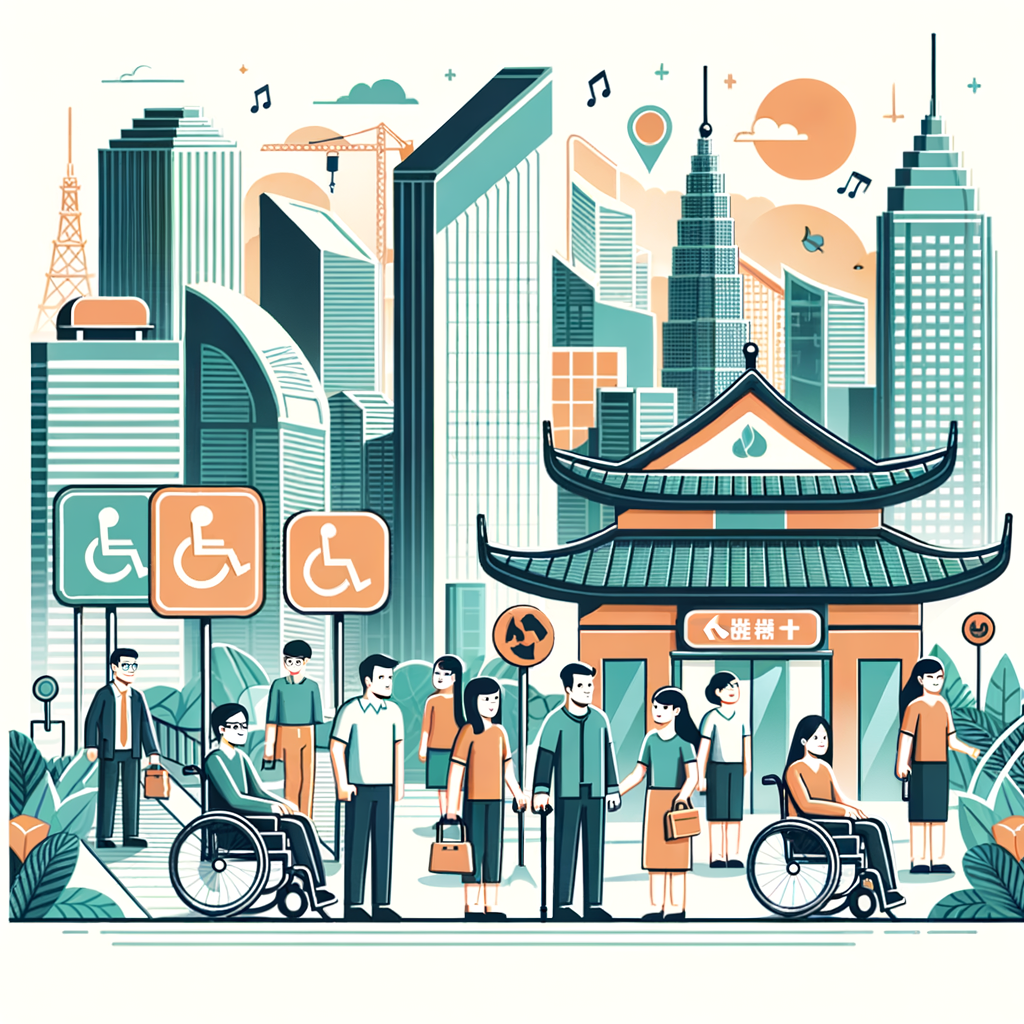
The United Nations Convention on the Rights of Persons with Disabilities (UNCRPD) stands as a landmark human rights treaty, which has significantly impacted the global landscape for individuals with disabilities. This international agreement, adopted in 2006, represents a paradigm shift in how society views disability, transitioning from a model of charity and medical intervention to one rooted in fundamental human rights and inclusion. The UNCRPD has established a legal framework that obliges signatory nations to recognize and uphold the rights of persons with disabilities in diverse areas, including education, employment, health, and accessibility. This convention has been instrumental in advocating against discrimination, spearheading legislation, and fostering an environment where the disabilities community is both empowered and integrated. In this comprehensive exploration, we delve into the profound impact that the UNCRPD has had across the globe, examining both its successes and the challenges it continues to face. By understanding the real-world implications of this critical treaty, we can appreciate its role in promoting an inclusive society and inspiring change that adheres to principles of equality and respect.
Framework and Principles of UNCRPD
The UNCRPD is founded on principles that emphasize the inherent dignity, individual autonomy, and independence of persons with disabilities. At its core, the convention promotes full and effective participation in society, equality of opportunity, and accessibility. It underscores the need for respect toward evolving capacities of children with disabilities and respect for their right to preserve their identities. The convention’s framework challenges traditional views that pigeonhole disabilities solely within a medical context, promoting instead a social model that recognizes disability as a social construct. By doing so, the UNCRPD advocates for changes in societal attitudes and structures that prevent individuals with disabilities from achieving full participation. Furthermore, it ensures that their rights are legally binding and that states who have ratified the convention are held accountable to uphold these rights. The UNCRPD represents a significant shift in international policy, one that influences national laws and policies around the world.
Global Influence and Implementation
The UNCRPD’s adoption has spurred considerable policy changes across numerous nations. By ratifying the convention, countries commit to integrating its principles into domestic law, fostering inclusive policies that cater to the needs of persons with disabilities. For example, many countries have enacted or revised legislation to improve accessibility in public spaces, thus enhancing the quality of life for people with disabilities. Moreover, international cooperation is a key aspect of the UNCRPD’s implementation strategy. This facet encourages states to assist each other in achieving the goals outlined in the treaty, sharing resources, and expertise to empower persons with disabilities and enhance their inclusivity within communities.
Impact on Education and Employment
Education and employment are areas where the UNCRPD’s influence is particularly notable. By promoting inclusive education systems, the UNCRPD ensures that children with disabilities have equal access to educational opportunities. This paradigm shift reinforces the idea that children should learn alongside their peers, in inclusive environments where diverse learning needs are met through reasonable accommodations. Employment rights have also seen considerable advancement under the UNCRPD. Nations are urged to adopt measures that prevent discrimination in hiring practices and promote equal opportunities for persons with disabilities in the workforce. Reasonable accommodation, a principle enshrined in the UNCRPD, ensures that necessary and appropriate modifications are made to enable persons with disabilities to perform their jobs effectively. As a result, many countries have established policies that support vocational training and employment programs, aiding in the integration of disabled individuals into the workforce and fostering economic self-sufficiency and independence.
Healthcare and Accessibility Developments
The UNCRPD places importance on equal access to healthcare services for individuals with disabilities, expecting countries to provide services that are as close as possible to the communities where persons with disabilities live. This obligation has led to enhancements in healthcare delivery, encouraging the development of inclusive healthcare services that respect the dignity and rights of persons with disabilities. Furthermore, accessibility extends beyond physical environments; it includes access to information and communication technologies. The UNCRPD has propelled advancements in these areas, ensuring that persons with disabilities can access digital information and services, thereby participating more fully in society. Various nations have adopted policies mandating accessible formats in broadcasting, web content, and digital materials, demonstrating the treaty’s influence in promoting inclusive access to information.
Challenges and Criticisms of the UNCRPD
Despite its widespread adoption and achievements, the UNCRPD faces challenges in implementation. Variability in national legislation and differing levels of commitment to the convention’s principles result in unequal application globally. Some nations struggle with financial and infrastructural constraints that hinder their ability to effectively implement UNCRPD guidelines. Additionally, there are criticisms regarding the enforcement mechanisms of the convention, as oversight and accountability measures may not always ensure compliance. These challenges highlight the need for continued advocacy and collaboration among states, stakeholders, and disability rights organizations to achieve the convention’s objectives.
The Role of Civil Society and Disability Organizations
Civil society, particularly organizations led by persons with disabilities, play a vital role in the UNCRPD’s implementation. These groups are instrumental in advocating for the rights of individuals with disabilities, monitoring government progress, and raising awareness of the convention’s principles. They provide critical feedback on policy effectiveness and contribute to developing best practices. By acting as intermediaries between the government and individuals with disabilities, these organizations ensure that the voices of the disability community are heard, promoting transparency and accountability. Their involvement is crucial in creating an inclusive society that respects and upholds the rights of all citizens.
Conclusion
The UNCRPD is a cornerstone in the international push towards an inclusive, equitable world where individuals with disabilities are afforded the same rights and opportunities as their non-disabled counterparts. The convention not only redefines how disability is perceived but also transforms societal structures to better accommodate the needs and rights of persons with disabilities. Its broad influence extends into legal systems, educational frameworks, employment environments, and healthcare services worldwide, fostering an era of increased awareness and progressive policymaking. However, the ongoing challenges and criticisms faced in its implementation underscore the necessity for persistent efforts and collaboration at all levels. Stakeholders, including governments, disability rights groups, and community organizations, must work synergistically to address gaps in implementation and continue advocating for the full realization of the UNCRPD’s principles. In doing so, the vision of a universally inclusive society can be closer to reality, where the rights of individuals with disabilities are not only recognized but are actively protected and promoted, ensuring their full participation in all aspects of life. The journey toward fulfilling the UNCRPD’s mission may still be unfolding, but its impact thus far is a testament to the power of international cooperation in advancing human rights for all.
Frequently Asked Questions
1. What is the United Nations Convention on the Rights of Persons with Disabilities (UNCRPD)?
The United Nations Convention on the Rights of Persons with Disabilities (UNCRPD) is a groundbreaking international treaty that was adopted by the United Nations in 2006. It signifies a significant shift in addressing the rights and dignity of individuals with disabilities. Before its adoption, many societies viewed disability through a lens of charity and medical intervention, often underestimating the abilities and rights of persons with disabilities to participate in community life fully. The UNCRPD changes this narrative by establishing a legal framework centered on human rights and inclusion, advocating for the full and equal participation of individuals with disabilities in all areas of life. This convention reinforces the understanding that people with disabilities should not just be beneficiaries of support, but also active, contributing members of society, enjoying the same freedoms and opportunities as everyone else.
2. How does the UNCRPD promote the rights of persons with disabilities?
The UNCRPD champions the rights of persons with disabilities through comprehensive legal obligations, which member states are bound to incorporate into their national legislation and policies. The convention promotes a range of civil, political, economic, social, and cultural rights. Key areas include non-discrimination, accessibility, the right to education, health, employment opportunities, and participation in cultural life, recreation, and sport. The UNCRPD insists on accessibility and the removal of obstacles, both physical and societal, to ensure that persons with disabilities can exercise their rights on an equal basis. This includes changing perceptions and addressing stigma that limit opportunities for persons with disabilities, thereby fostering an inclusive society that embraces diversity and human rights.
3. What impact has the UNCRPD had globally since its adoption?
Since its adoption, the UNCRPD has had a profound impact on global policies and attitudes towards disability. It has influenced countries around the world to reassess and revise their laws and policies to better protect the rights of persons with disabilities. By framing disability rights as human rights, the convention has also raised global awareness, fostering an understanding of the need for full inclusion and participation. Various countries have made significant strides in creating more inclusive societies, such as enhancing accessibility in public spaces, improving educational opportunities in mainstream schools, and ensuring employment equity. Moreover, the UNCRPD has inspired grassroots movements, self-advocacy, and the empowerment of persons with disabilities to claim their rights. This collective momentum is gradually dismantling systemic barriers and altering societal views, contributing to a more inclusive global community.
4. How does the UNCRPD influence national legislation in member countries?
The UNCRPD acts as a standard and prompt for member countries to align their national legislation and policies with its principles and requirements. Countries that ratify the convention are obligated to develop and implement laws and policies that promote the rights and inclusion of persons with disabilities. This includes taking steps to eliminate discrimination, ensure accessibility in all aspects of public life, and promote equal opportunities in education and employment. Many countries have enacted or amended laws to protect the rights of persons with disabilities, driven by the UNCRPD’s framework. Additionally, national monitoring mechanisms are often established to ensure compliance and to track progress in implementing the convention’s provisions, thereby holding governments accountable for upholding the rights of individuals with disabilities within their jurisdiction.
5. What challenges remain in the implementation of the UNCRPD?
Despite the positive strides made since its adoption, several challenges remain in fully implementing the UNCRPD. First and foremost is the variability in how countries interpret and apply the convention’s provisions, leading to inconsistent enforcement and protection of rights. Resource limitations can also hinder comprehensive implementation, particularly in developing countries, where financial and infrastructure constraints pose significant obstacles to creating accessible environments and services. Additionally, deep-rooted societal attitudes and misconceptions about disability continue to perpetuate stigma and discrimination, which can impede the social and economic integration of persons with disabilities. Finally, effective monitoring and accountability mechanisms are crucial yet often underdeveloped, affecting the ability to track progress and enforce compliance. Addressing these challenges requires ongoing commitment, collaboration across sectors, and a genuine willingness to transform understanding and embrace inclusivity in every facet of society.