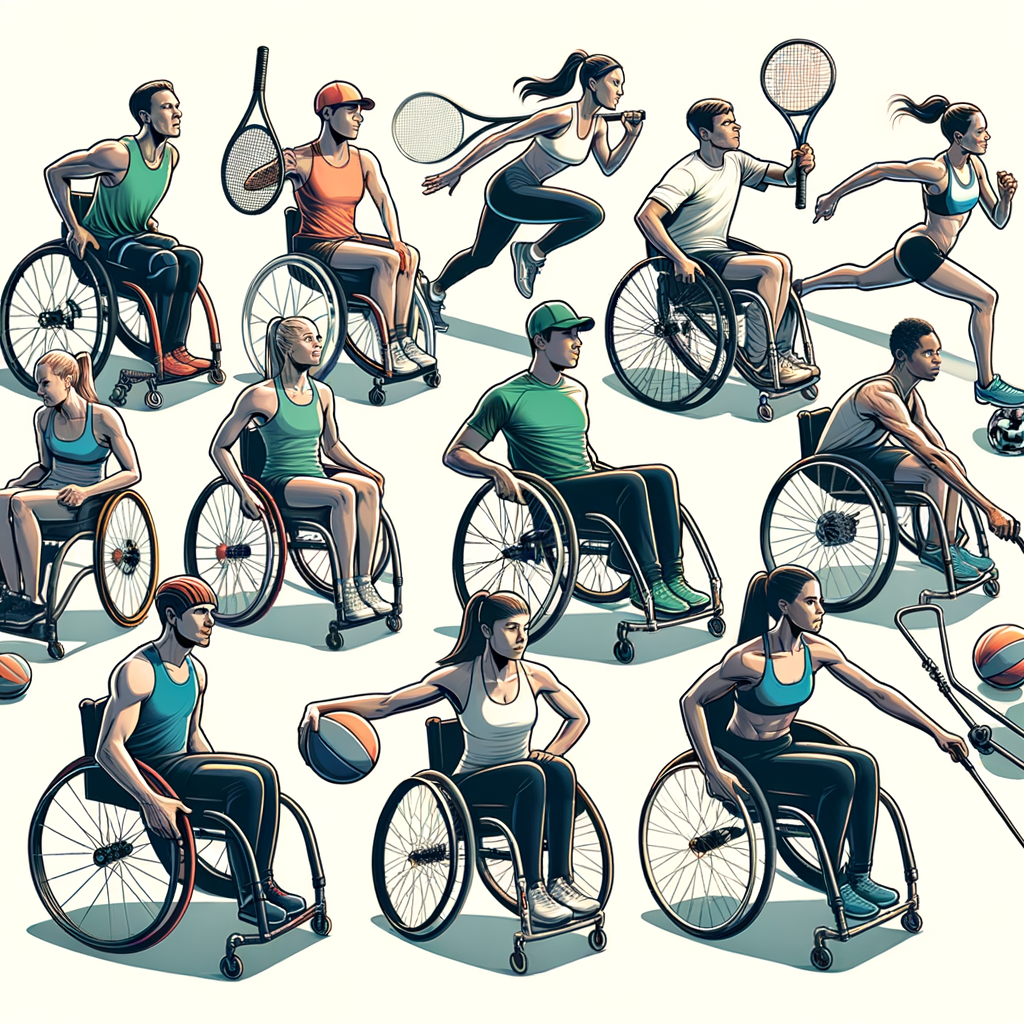
Adaptive sports technology is a pioneering field that has transformed the world of sports, offering new opportunities and empowerment for athletes with disabilities. This innovation allows individuals to engage in sports activities that were once difficult or even impossible for them to participate in. The development of adaptive sports technology is a testament to the intersection of engineering, athleticism, and the human spirit, aiming to create an inclusive environment where everyone, regardless of their physical capabilities, can compete and enjoy the thrill of sports. From prosthetics engineered for sprinting to advanced wheelchairs designed for various sports disciplines, adaptive sports technology represents a crucial change in expanding possibilities for athletes with disabilities. This movement towards inclusivity and technological advancement is more than just a trend; it is a bridge to parity that redefines who can be an athlete. Through this exploration, we aim to delve into the remarkable advancements and impacts of adaptive sports technology and how it is empowering athletes globally. We will explore several intricacies and innovations that have propelled this field forward, providing insights into the constant evolution of these adaptive technologies.
Understanding the scope and impact of adaptive sports technology requires a look into its origins and evolution. Historically, sports and athletics have often sidelined those with disabilities, rarely offering them opportunities to participate on equal terms. However, this narrative has shifted significantly with the advent of adaptive technology. The focus now is on creating solutions tailored specifically to the needs of athletes with disabilities, empowering them to compete at levels never thought possible before. Every development in this field echoes a story of resilience and ingenuity, setting a precedent for future innovations. Not only does this represent a victory for diversity and inclusivity in sports, but it also stands as a challenge to society to continuously break down barriers. This article seeks to shed light upon the rich landscape of adaptive sports technology, from its underlying principles to the real-world applications changing the lives of many athletes today.
The Evolution of Adaptive Sports Technology
The journey of adaptive sports technology has been marked by significant milestones that reflect broader societal changes in the perception and inclusion of individuals with disabilities. Initially, adaptive sports equipment was rudimentary, often involving modifications of existing equipment to fit the needs of disabled athletes. These early iterations, while somewhat effective, were far from the specialized equipment we see today. The desire to refine and improve these adaptations fueled creative engineering and innovation. This transformation has charted a roadmap that highlights overcoming physical barriers and sets a defining course for the future of sports inclusion.
One of the significant leaps in adaptive sports technology was the development of high-performance prosthetics, especially blade running. Pioneered by Oscar Pistorius, an athlete with double below-knee amputations, these carbon-fiber flex feet transformed the perception of disability in athletics. They demonstrated the potential for athletes with disabilities to compete not only amongst themselves but also on equal footing with able-bodied competitors. This breakthrough spurred interest and investment in adaptive technology and diversity in athletic participation, as companies and researchers sought to optimize these designs further.
Wheelchair technology has also seen astonishing advancements since its inception. Early versions of wheelchairs were bulky and cumbersome, limiting mobility and athletic potential. Enter the modern era, where lightweight materials and aerodynamic designs have revolutionized mobility for wheelchair athletes. Sports like wheelchair basketball and racing benefit immensely from these technological improvements. Furthermore, the advent of custom-molded seating and frame personalization offers enhanced comfort and performance, proving once again that tailored engineering can drastically alter the athletic experience.
Key Innovations in Adaptive Sports Technology
Among the key innovations in adaptive sports technology, prosthetics and orthotics have become essential. These devices are increasingly sophisticated, offering a range of functionality for athletes. From running blades to cycling prosthetics, each design is carefully engineered to cater to individual athletic needs. The significance of these prosthetics extends beyond enabling participation. They allow athletes to compete at elite levels, with customization options ensuring maximum performance and comfort. A critical component of these innovations is the integration of sensor technology, which helps monitor movements and provides athletes and coaches with valuable data to optimize performance further.
Adaptive sports technology has also embraced the field of robotics, introducing devices that blend human capability with robotic precision. Exoskeletons, for instance, offer remarkable benefits by supporting and augmenting human movement. While initially designed for rehabilitation, exoskeletons have transitioned into sports applications, allowing athletes with limited mobility to engage in various physical activities. These technologies offer not only a means to participate but also serve as a critical tool in training and strengthening, providing athletes with a competitive edge.
The advent of smart technologies has brought about another wave of change in adaptive sports. Devices with sensors and connectivity features can now provide real-time feedback on performance, enhancing training regimens and strategy formulation. For example, adaptive bikes equipped with tracking technologies allow athletes to analyze every facet of their biking experience, from speed to terrain adaptation, thus optimizing their strategy and performance. Such advancements underscore the importance of a data-driven approach in sports, especially within the adaptive technology sphere.
The Impact of Adaptive Sports Technology
The impact of adaptive sports technology extends far beyond the realm of athletic performance. It transforms lives by providing athletes with disabilities an opportunity to engage fully in sports, fostering a sense of belonging and purpose. Participation in sports is widely recognized for its physical and psychological benefits, and adaptive technology ensures these benefits are accessible to everyone. Moreover, as adaptive technologies become more prevalent and visible, they contribute to changing societal perceptions of disability, promoting a more inclusive and accepting culture in sports and beyond.
Adaptive sports technology has also played a crucial role in the development and expansion of events like the Paralympic Games, which serve as a global platform to showcase the remarkable capabilities of athletes with disabilities. The visibility and success of these athletes on the international stage are invaluable for advocating disability rights and promoting the field of adaptive sports technology. These events not only inspire those with disabilities but also play a significant role in influencing policy changes, encouraging investment in research and development, and fostering inclusive sports policies worldwide.
Furthermore, the rise of adaptive sports technology has resulted in a more comprehensive understanding of human biomechanics. Research and development in this field have provided insights that extend beyond adaptive sports, influencing mainstream sports technology and orthopedic solutions. The collaborative nature of this innovation, drawing from various fields such as engineering, medicine, and sports science, highlights the comprehensive approach required to advancing this technology. Ultimately, these advancements showcase the capability of technology to serve as a powerful equalizer, bridging physical gaps and enhancing quality of life for athletes with disabilities.
Challenges in Adaptive Sports Technology
Despite the success and potential of adaptive sports technology, the field faces several challenges that need addressing. One major challenge is the cost of producing these specialized devices. High-performance prosthetics and wheelchairs, for instance, can be prohibitively expensive, making them inaccessible to many athletes with disabilities. While some organizations and initiatives aim to provide funding and grants, the need for affordable solutions remains pressing. The development of cost-effective materials and manufacturing processes is crucial in ensuring widespread access and participation.
Durability and adaptability are also significant concerns in adaptive sports technology. Ensuring that equipment can withstand rigorous use while being versatile enough to adapt to different sports or activities poses an engineering challenge. As manufacturers seek to meet this demand, constant testing and innovation are necessary to refine and improve the existing technologies. Additionally, personalized equipment, while beneficial, requires extensive time and resources to design and manufacture, which can delay an athlete’s ability to train and compete.
Inclusivity in the development and design process is another challenge. It is vital for engineers and designers to collaborate closely with athletes to create solutions that genuinely address their needs. This requires a nuanced understanding of the unique challenges faced by athletes with disabilities and incorporating their feedback into the design process. Bridging the gap between technological potential and actual user requirements necessitates ongoing dialogue and partnership between various stakeholders.
The Future of Adaptive Sports Technology
The future of adaptive sports technology promises even greater integration of cutting-edge innovations, offering new potentials and broader accessibility. As technology continues to evolve, artificial intelligence (AI) and machine learning are expected to play pivotal roles in the advancement of adaptive sports. These technologies can provide personalized training programs, rehabilitation strategies, and performance analytics tailored to individual athletes’ needs. The potential for AI to identify specific areas for improvement and suggest real-time adjustments can enhance athletes’ adaptability and competitiveness across various sports.
Advancements in 3D printing also herald a promising future for personalized adaptive sports equipment. With the ability to produce customized prosthetics and components tailored to an athlete’s specific biomechanics, 3D printing technology can significantly reduce cost and production time. This aligns with the demand for greater accessibility and inclusivity within the field, ensuring that more athletes can benefit from these innovations. As this technology becomes more mainstream, we can anticipate a surge in affordability and availability, further democratizing access to adaptive sports technology.
Collaboration and knowledge-sharing across industries will continue to drive the development of adaptive sports technology. By embracing a multidisciplinary approach, incorporating insights from robotics, biotechnology, material science, and sports medicine, the field aims to propel innovation forward. Initiatives to foster these collaborations, such as dedicated research hubs and partnerships between academic institutions and industry leaders, are crucial. This integrated approach not only fuels technological progress but also enhances our collective understanding of adaptive sports.
Conclusion
The transformative power of adaptive sports technology in empowering athletes with disabilities cannot be overstated. It represents a significant leap toward inclusivity, breaking down longstanding barriers that have prevented equal participation in sports. By integrating innovation with athletic ambition, adaptive technologies enable athletes with disabilities to compete at an elite level, paving the way for broader social change. These advancements reflect a shared commitment to diversity and inclusion, challenging perceptions, and redefining what it means to be an athlete.
As we look to the future, the continued development and refinement of adaptive sports technology hold immense potential for making sports more accessible to all. Overcoming the challenges related to cost, durability, and inclusivity will require collaboration and investment from diverse stakeholders, including governments, private companies, and research institutions. By prioritizing research, development, and community engagement, we can ensure that adaptive sports technology continues to evolve in a manner that benefits athletes with disabilities worldwide.
Ultimately, the journey of adaptive sports technology underscores the profound impact innovation can have on societal inclusion. By empowering individuals with disabilities to pursue their athletic dreams, these technologies not only enhance performance but also foster a broader cultural shift toward acceptance and equality. As we push the boundaries of what is possible, adaptive sports technology will continue to inspire and redefine the landscape of sports for future generations.
Frequently Asked Questions
1. What exactly is adaptive sports technology?
Adaptive sports technology refers to the innovative tools, devices, and equipment specifically designed to assist athletes with disabilities, allowing them to participate in various sports activities. This technology covers a wide array of equipment such as specialized wheelchairs for basketball or racing, prosthetic limbs for running, sit skis for skiing, and much more. It enables athletes to overcome physical limitations through engineering solutions tailored to individual needs. This technology embodies the spirit of inclusivity, helping to break barriers and providing opportunities for athletes with disabilities to engage on equal terms with able-bodied athletes.
2. How does adaptive sports technology empower athletes with disabilities?
Adaptive sports technology empowers athletes with disabilities by offering them the tools they need to compete at the highest levels possible, building their confidence and sense of independence. Before such technological advancements, many sports were off-limits to individuals with certain disabilities. Now, thanks to adaptive technology, athletes can achieve exceptional proficiency and participate fully in their chosen sports. For example, lightweight racing wheelchairs can enhance speed and maneuverability, while advanced prosthetic limbs can improve balance and agility, enabling athletes to focus on skill and performance rather than overcoming physical hurdles. This empowerment is not only physical but also psychological as it opens up new avenues for social interaction and personal development.
3. What types of sports benefit the most from adaptive technology?
Virtually all types of sports can benefit from adaptive technology, but some sports have seen particularly significant advancements. Track and field events, for instance, have transformed with high-performance prosthetics designed for sprinters. Wheelchair basketball has evolved with specialized sports wheelchairs constructed for speed and precision. Adaptive skiing and snowboarding use sit-skis and other devices to help athletes with mobility impairments. Water sports have also progressed with the help of adaptive kayaks and surfboards designed to accommodate various disabilities. Each sport has unique requirements, and adaptive technology provides tailored solutions to meet these needs, making these sports more inclusive and competitive.
4. Are adaptive sports technologies making competitive sports more inclusive?
Yes, adaptive sports technologies have made significant strides in making competitive sports more inclusive. These technologies level the playing field, allowing athletes with disabilities to compete alongside and against able-bodied athletes in many arenas. With organizations such as the Paralympic Games showcasing these sporting talents on a global stage, there is an increased awareness and appreciation for adaptive sports. These events demonstrate that disability is no barrier to competitive excellence when the right support and technology are in place. Furthermore, adaptive sports technologies inspire innovation in equipment design, benefiting all athletes by pushing the boundaries of what is possible in sports engineering.
5. What challenges do developers face in creating adaptive sports technology?
The creation of adaptive sports technology involves overcoming numerous engineering, design, and logistical challenges. One major hurdle is achieving a balance between functionality, comfort, and performance. For instance, designing a lightweight prosthetic that provides optimum movement and endurance can be challenging. Developers also need to ensure that equipment is adaptable to the diverse range of disabilities and individual needs, which requires a high level of customization. Moreover, there can be economic barriers since developing such specialized equipment might require investment and resources. Involving athletes in the design process to gather insights on their specific needs can also be a challenge but is crucial for designing effective solutions. Despite these obstacles, continued research, user feedback, and technological advancements are paving the way for more inclusive and empowering sports environments.