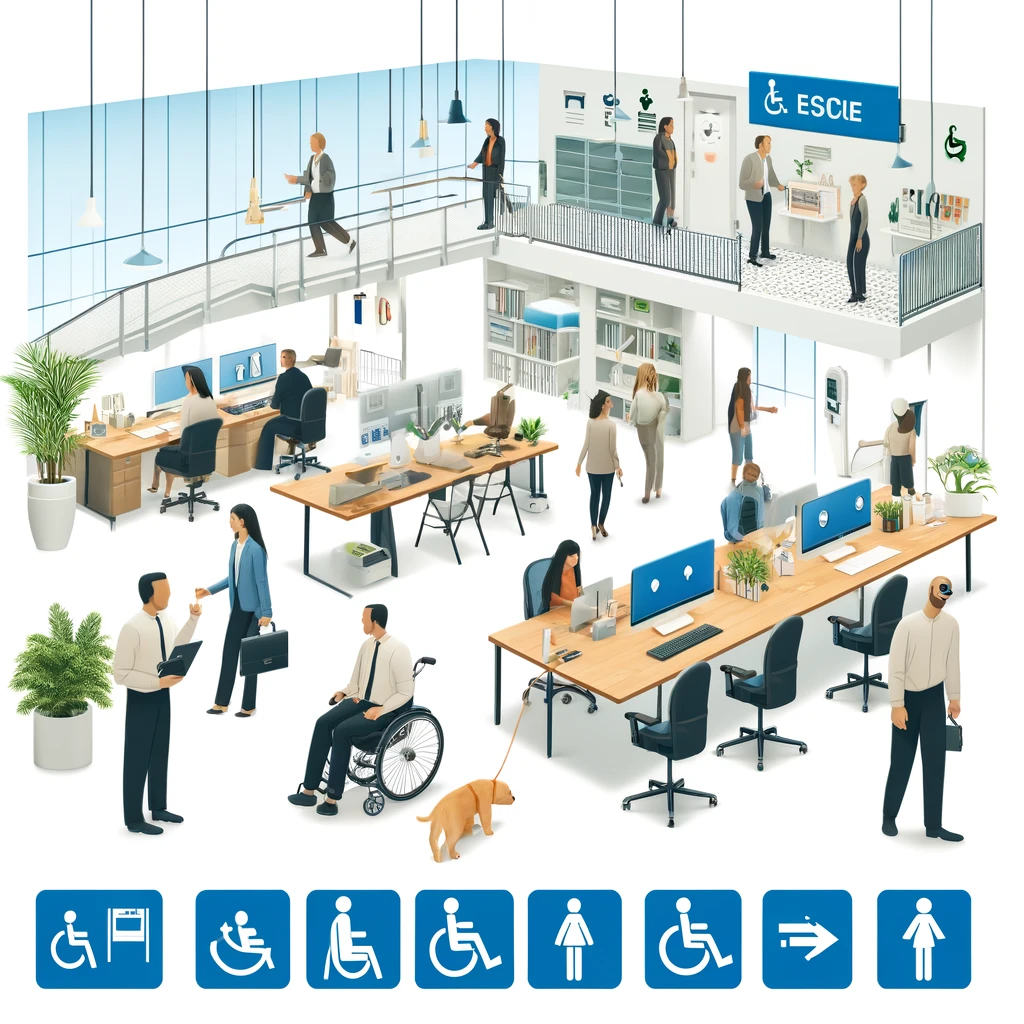
The Americans with Disabilities Act (ADA), a landmark civil rights law, was enacted in 1990 to ensure that individuals with disabilities have equal opportunities and access in various aspects of life. Compliance with ADA standards is crucial for enabling persons with disabilities to fully participate in society. Recognizing achievements in ADA compliance not only highlights the progress made but also encourages continued efforts to promote inclusivity. Celebrating success stories in ADA compliance helps highlight innovative solutions, foster collaboration, and inspire others to commit to accessibility. This article sheds light on the significance of celebrating achievements in ADA compliance and how such recognition fuels further advancements.
The journey towards ADA compliance involves understanding and implementing accessibility standards across multiple domains, from public spaces to digital environments. Often, organizations invest substantial effort, resources, and creativity to meet these standards and make their facilities or services more inclusive. Recognizing these efforts is vital as it rewards those striving for inclusivity and encourages others to follow suit. Achievements in ADA compliance not only represent adherence to legal requirements but also embody a deeper commitment to equality and human rights. Through recognition, the ADA community can create a culture that values and supports accessibility innovations.
Recognizing achievements in ADA compliance can take different forms, from awards and certifications to public acknowledgments and best practice showcases. This acknowledgment not only boosts morale and provides appreciation for those involved but also serves as a beacon for others on a similar journey. As we celebrate these accomplishments, it’s essential to consider the multifaceted impact of such recognition, including raising disability awareness, promoting systemic change, and enabling organizations and individuals to share valuable insights and experiences. This article delves into how celebrating ADA compliance achievements is vital to advancing inclusivity and accessibility in society.
Recognizing Achievements in Infrastructure Improvements
Infrastructure plays a crucial role in creating accessible environments. Achievements in improving physical accessibility often involve adapting or redesigning public and private spaces to ensure that individuals with disabilities can navigate them effortlessly. ADA compliance in infrastructure may include installing ramps, ensuring wheelchair-accessible entrances, modifying restrooms, providing tactile paths, and ensuring proper signage for those with visual impairments. Recognizing and celebrating these tangible changes is vital, as they significantly impact individuals’ daily lives and contribute to an inclusive community.
Awarding recognition to infrastructure improvements encourages further development by showcasing successful projects. These awards can be issued by local governments, non-profit organizations, accessibility advocacy groups, and through architectural competitions that highlight innovative and inclusive designs. By drawing attention to positive examples, these recognitions serve as case studies for others seeking guidance on achieving ADA compliance. Additionally, they create a culture where accessibility is integrated into the core of urban planning and development practices, making it a standard rather than an afterthought.
Highlighting successful infrastructure projects also aids in disseminating knowledge about practical challenges and solutions encountered during implementation. This sharing of experience not only enriches the field’s understanding but also provides a repository of ideas and strategies that can be adapted to various contexts. Public perception of accessibility shifts positively when communities see tangible evidence of progress and commitment to inclusion, fostering an environment where accessibility becomes a shared societal value rather than a regulatory obligation.
Celebrating Success in Digital Accessibility
In today’s digital age, ensuring that electronic and information technology is accessible to everyone, including people with disabilities, is paramount. Recognizing achievements in digital accessibility centers around efforts to make websites, apps, and other technologies usable by those with varying abilities. This involves designing with accessibility in mind, such as using alt text for images, ensuring keyboard navigability, providing captioning for videos, and more. Success in digital accessibility reflects an organization’s commitment to social responsibility and inclusivity in the digital realm.
The Web Content Accessibility Guidelines (WCAG) serve as a roadmap for achieving online accessibility, and recognizing organizations that meet or exceed these standards is essential. Digital accessibility awards, certifications, and mentions in sector-specific reports or media coverage can significantly raise the profile of compliant businesses, educational institutions, or government entities. Such recognition not only applauds current achievements but motivates digital creators to adopt inclusive practices as a standard part of their workflow.
Publicly celebrating digital accessibility achievements also underscores the importance of technology as a bridge rather than a barrier for individuals with disabilities. It empowers other organizations to invest in training and resources necessary for compliance and sparks innovative solutions to ongoing challenges in digital accessibility. By honoring these advancements, we champion a more equitable digital future where technology is accessible to everyone, enhancing participation and engagement across the community.
Highlighting Inclusivity in Innovation and Design
Innovations in accessibility extend beyond compliance; they reflect visionary approaches that set new standards. Achievements in designing inclusive products or environments demonstrate how thoughtful and innovative solutions can enhance the user experience for everyone, not just those with disabilities. Recognizing these trailblazers in accessibility encourages a shift in thinking from bare minimum compliance to proactively enhancing accessibility through creativity and innovation.
Awards and recognition in this arena often spotlight products, applications, or solutions that go beyond standard requirements, offering unique and meaningful access. These recognitions are crucial as they set a benchmark for others to aspire to and highlight the creativity and dedication involved in achieving such outcomes. Showcasing design excellence and innovation through public recognition fosters a community of practice where sharing ideas and techniques leads to a collective improvement in accessibility standards.
The importance of highlighting inclusivity in design also lies in its ability to influence future leaders and engineers. When educational programs and institutions include ADA compliance in their curriculum and celebrate its achievements, they instill the value of accessibility in emerging professionals. This cultivates a generation of designers and innovators who prioritize inclusivity from the outset, leading to more systemic and sustainable changes in accessibility practices.
Building a Community of Accessibility Champions
At the heart of celebrating success in ADA compliance is the building of a supportive and enthusiastic community committed to accessibility. Recognizing champions in this field, whether individuals or organizations, cultivates a network of advocates who can share resources, provide mentorship, and collaborate on projects to drive further improvements. This network is integral in fostering an enduring culture of accessibility.
Acknowledging and rewarding accessibility champions through ceremonies, conferences, or community events galvanizes their dedication and encourages a ripple effect throughout their networks. These champions often act as role models and influencers, spreading the message of the importance of accessibility across different sectors. By sharing their journeys and insights, they contribute to a deeper understanding of the nuances involved in achieving ADA compliance.
Additionally, fostering a community of champions encourages public accountability and commitment towards accessibility goals. When organizations and individuals are recognized for their achievements, it not only validates their efforts but also raises expectations and standards within their respective industries. This collective acknowledgment and accountability push boundaries, inspire innovation, and ensure that accessibility remains an ongoing priority rather than a one-time achievement.
Conclusion
In conclusion, celebrating success in ADA compliance is about more than mere acknowledgment or reward; it’s a driving force for growth, innovation, and community building. Recognizing achievements in accessibility not only honors those who have made strides towards inclusivity but also motivates others to join the journey. It serves as a catalyst for raising awareness, shaping public perceptions, and instilling accessibility values in future generations.
The importance of highlighting ADA compliance achievements cannot be overstated. It inspires creativity, involves more sectors in collaborative efforts, and sets precedence for what is considered standard practice in accessibility. Celebrating these successes fosters a culture of continuous improvement and reinforces the importance of accessibility as a shared societal responsibility. Building a community of accessibility champions ensures that ADA compliance and inclusivity remain central to our societal progress.
As we continue to commemorate successes in ADA compliance, it is essential to remember that the journey towards full accessibility is ongoing. The stories and achievements we celebrate today lay the foundation for future advancements and encourage a dynamic environment where inclusivity is both a goal and a value deeply woven into the fabric of our communities. By doing so, we not only honor the spirit and intent of the ADA but also contribute to a more equitable and inclusive society for everyone.