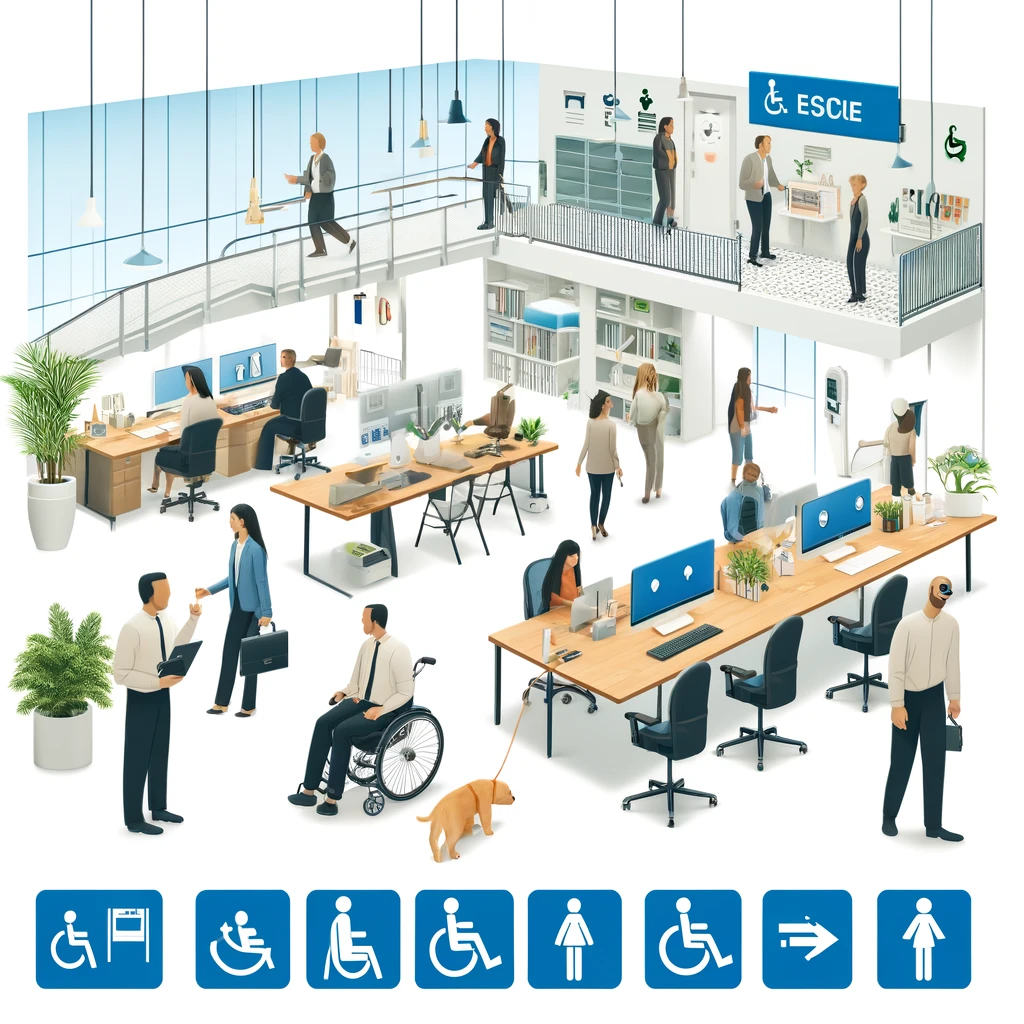
Businesses are increasingly focusing on making their establishments more inclusive and accessible. ADA compliance is critical for organizations to ensure that individuals with disabilities have equal access to facilities, services, and digital platforms. However, achieving ADA compliance is not a one-time task but a continuous effort that requires strategic planning and execution. Embracing continuous improvement in ADA compliance helps organizations stay aligned with legal requirements and enhances customer satisfaction and brand reputation. In this article, we will explore various strategies for continuous improvement in ADA compliance, focusing on key aspects such as physical accessibility, digital inclusivity, employee training, and regular audits. By adopting these strategies, businesses can foster an inclusive environment that meets legal standards and demonstrates a genuine commitment to accessibility. Moreover, implementing a culture of continuous improvement allows organizations to proactively address potential challenges, adapt to changing regulations, and leverage technological advancements to support ADA initiatives.
Understanding the multifaceted nature of ADA compliance is crucial for businesses aiming to become truly accessible. While the physical and digital aspects are often highlighted, there are numerous other components that contribute to comprehensive compliance. These include clear communication, awareness of policy changes, employee involvement, and customer feedback. By examining these areas in detail, businesses can uncover opportunities for enhancement and create effective plans for ongoing improvements in ADA compliance. Through the combination of strategic planning, technological innovation, and active engagement with stakeholders, organizations can facilitate a transformative journey toward full accessibility and inclusivity.
Physical Accessibility Enhancement
One of the fundamental aspects of ADA compliance involves physical accessibility. Businesses must ensure their premises are easy to navigate for individuals with disabilities. This involves evaluating pathways, entrances, bathrooms, and emergency exits to ensure they adhere to ADA standards. To maintain continuous improvement in physical accessibility, businesses should conduct regular audits. These audits can help identify structural issues or non-compliance areas that may have been overlooked.
Implementing a proactive maintenance schedule ensures that facilities are kept up to standard, minimizing risks of non-compliance. Involving accessibility consultants can provide expert insights and guidance on potential enhancements. Businesses should also consider adopting universal design principles in renovations or new constructions. These principles not only address ADA requirements but also promote an inclusive environment that benefits everyone. Moreover, acquiring feedback from employees working on the ground can unveil practical issues they face regularly, providing invaluable data for continuous improvement.
Enhancing Digital Accessibility
Digital accessibility is another crucial component of ADA compliance. With the growing reliance on digital platforms, businesses need to ensure their websites and digital content are accessible to everyone, including people with disabilities. This involves applying the Web Content Accessibility Guidelines (WCAG) to websites, mobile apps, and digital documents. Regularly testing digital platforms using accessibility tools and assistive technologies to check for potential issues or barriers can support ongoing improvements.
Hiring or consulting with digital accessibility experts can assist in identifying complex areas that require attention. These experts can help prioritize tasks based on impact and urgency, ensuring that key areas of digital accessibility are addressed promptly. Businesses should invest in developing staff with niche expertise in digital accessibility, equipping them to handle regular audits and updates. Encouraging collaboration between departments, such as IT and marketing, can ensure digital content is consistently accessible. Furthermore, embedding accessibility into project requirements for new digital initiatives can prevent future non-compliance.
Employee Training and Engagement
A well-informed and engaged workforce is essential for ensuring continuous improvement in ADA compliance. Implementing regular training programs focused on accessibility helps employees understand the importance of ADA compliance and their role in fostering inclusivity. Training sessions should cover a broad range of topics, including physical and digital accessibility, effective communication with individuals with disabilities, and recognizing potential barriers to accessibility. Facilitating workshops can be beneficial in providing hands-on experience and practical solutions for accessibility challenges employees might encounter.
Engaging employees in accessibility initiatives allows them to contribute valuable insights and ideas for enhancements. Organizations should establish internal forums or think tanks to encourage discussions on accessibility topics and innovation. Providing incentives or recognition to employees actively contributing to ADA compliance efforts can foster motivation and a sense of ownership. Moreover, creating accessibility champions within the organization who can lead and advocate for continuous improvement can further drive the ADA agenda forward.
Regular Audits and Feedback Mechanisms
Regular audits are pivotal in identifying gaps and areas for improvement in ADA compliance. Businesses should conduct both internal and external audits to ensure a comprehensive evaluation of their ADA initiatives. Internal audits empower organizations to review their processes, systems, and environment, ensuring adherence to established standards and policies. External audits, on the other hand, provide an objective assessment of compliance, offering fresh perspectives and recommendations for enhancements.
Incorporating customer and employee feedback mechanisms is vital for continuous improvement. Feedback can help identify specific areas of concern that may not be captured through audits alone. Implementing anonymous feedback systems encourages more open and honest communication regarding accessibility issues. Establishing follow-up procedures to address any feedback received ensures that concerns are rectified promptly and effectively. Utilizing both qualitative and quantitative feedback can assist in prioritizing improvements based on impact and feasibility, fostering a more targeted approach to ADA compliance.
Technological Integration and Innovation
Technology plays a crucial role in supporting ADA compliance, providing innovative solutions for accessibility challenges. Embracing new technologies can enable businesses to improve accessibility without extensive manual intervention. Automated tools can assist in monitoring digital accessibility, offering insights that guide improvements and ensure ongoing compliance with guidelines such as the WCAG.
Additionally, assistive technologies, such as screen readers and text-to-speech software, can enhance the customer experience for individuals with disabilities. Investing in software upgrades and staying informed about technological advancements can give organizations a competitive edge in ADA compliance. Moreover, integrating accessibility features into existing products or services, such as closed-captioning for multimedia content, enriches the experiences for all users. Leveraging technology not only streamlines ADA processes but also demonstrates a forward-thinking approach to inclusivity.
Conclusion
In conclusion, continuous improvement in ADA compliance is essential for businesses aiming to be inclusive, accessible, and in line with legal standards. Strategies focusing on physical accessibility, digital inclusivity, employee engagement, regular audits, and technological integration form a holistic approach to enhancing ADA compliance. Each strategy involves unique components that contribute to a comprehensive accessibility framework, ensuring ongoing alignment with ADA requirements.
By implementing regular maintenance and audits, businesses can address physical accessibility challenges proactively, minimizing risks of non-compliance. Digital accessibility requires constant updates and testing to adapt to new guidelines and technologies. Employee involvement is critical in fostering a culture of inclusion, as they are the driving force behind accessibility initiatives. Regular audits and feedback help identify improvement areas, allowing for targeted actions and timely resolutions.
Finally, leveraging technology as a catalyst for accessibility transformation ensures that businesses remain competitive and meet the evolving needs of their customers. By adopting these strategies, organizations demonstrate a commitment to creating accessible environments that highlight their dedication to inclusivity and social responsibility. As regulatory landscapes evolve and customer expectations shift, those businesses committed to continuous improvement in ADA compliance will undoubtedly reap long-term benefits, both reputational and operational.