Introduction
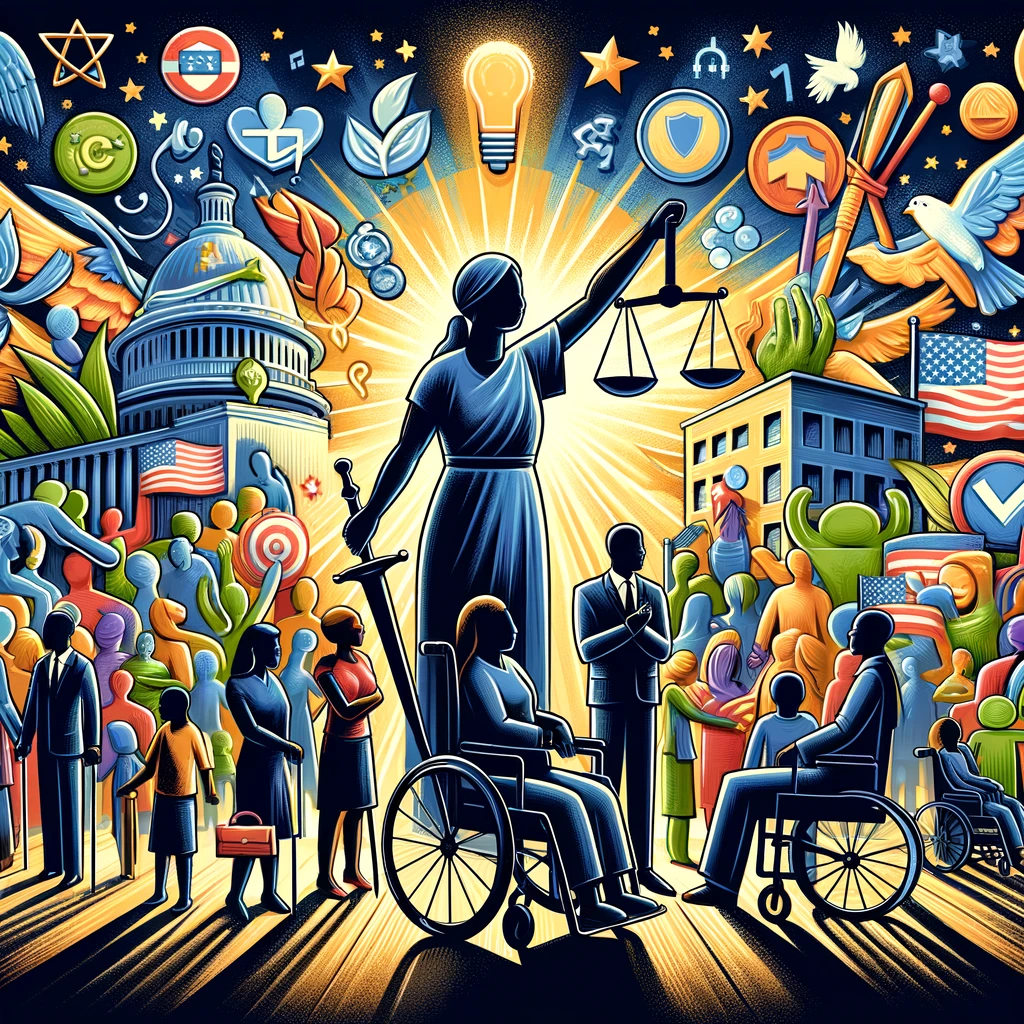
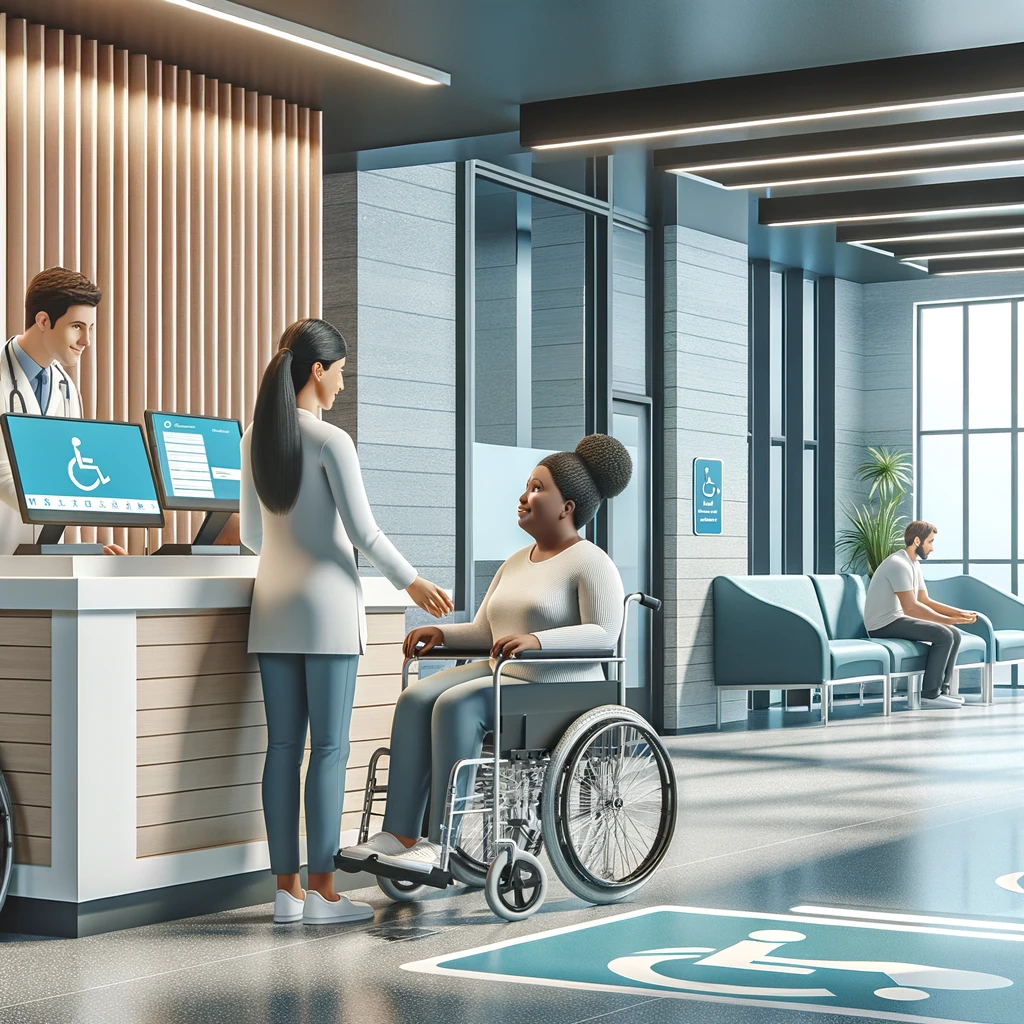
The Americans with Disabilities Act (ADA) has long been a cornerstone in advocating for the rights and equal treatment of individuals with disabilities. Passed in 1990, this federal law mandates that both private and public sectors provide accommodations to ensure accessibility. However, with the ever-evolving landscape of technology, there is an unprecedented opportunity to further enhance ADA compliance. By leveraging cutting-edge technological solutions, organizations can not only meet but exceed the ADA’s requirements, offering a more inclusive environment for all. Embracing these advancements ensures that businesses and government entities do not fall behind in accessibility standards. Instead, they can position themselves as leaders in inclusivity, improving the experience not just for those with disabilities but also for the wider community.
Technology offers an array of tools that, when applied smartly, can substantially improve accessibility. From software applications and hardware modifications to using artificial intelligence, the potential for improvement is enormous. Businesses can now employ these innovations to address various accessibility barriers in physical spaces and digital platforms. This growing symbiosis between technology and ADA compliance showcases the increasingly important role that innovation plays in fostering a more equitable society. Moreover, the mass appeal and adoption of modern technology have nudged the focus towards usability and accessibility as key components in product development and service provision.
In this era of connectivity and rapid technological advancement, exploring the potential of digital tools to enhance ADA compliance is essential. This article delves into how technology can transform conventional accessibility approaches, making environments more inclusive. As the scope of technology in accessibility expands, a robust understanding of its applications becomes imperative for organizations aiming to meet and exceed ADA guidelines. By investigating the convergence between technology and ADA compliance, we can unlock the future potential for creating inclusive spaces that cater to everyone.
Technology-Driven Solutions for ADA Compliance
Numerous technological innovations are setting a new standard for ADA compliance. With the increased usage of smart devices and digital platforms, companies are integrating accessibility features into their systems. Here are several examples of how modern technology is aiding in adhering to ADA standards:
Assistive Technologies: Assistive technology continues to be one of the most crucial elements in ADA compliance. Innovations in this space range from screen readers that convert text into speech or braille displays for the visually impaired, to advanced hearing aids and cochlear implants. Speech recognition software also plays a significant role here, allowing individuals who may not be able to use traditional input devices the ability to control computers and mobile phones with voice commands. These advancements significantly break down communication barriers, providing better opportunities for individuals to interact effectively with digital content.
Building Information Modeling (BIM): In the realm of architectural design and construction, digital tools like Building Information Modeling are revolutionizing the process of ensuring ADA compliance in physical spaces. BIM allows architects and builders to incorporate accessibility into the design phase, embedding features and modifications from the beginning rather than as retroactive adjustments. This proactive approach helps in identifying and resolving potential accessibility issues before construction begins, ensuring that new buildings are both aesthetically pleasing and compliant.
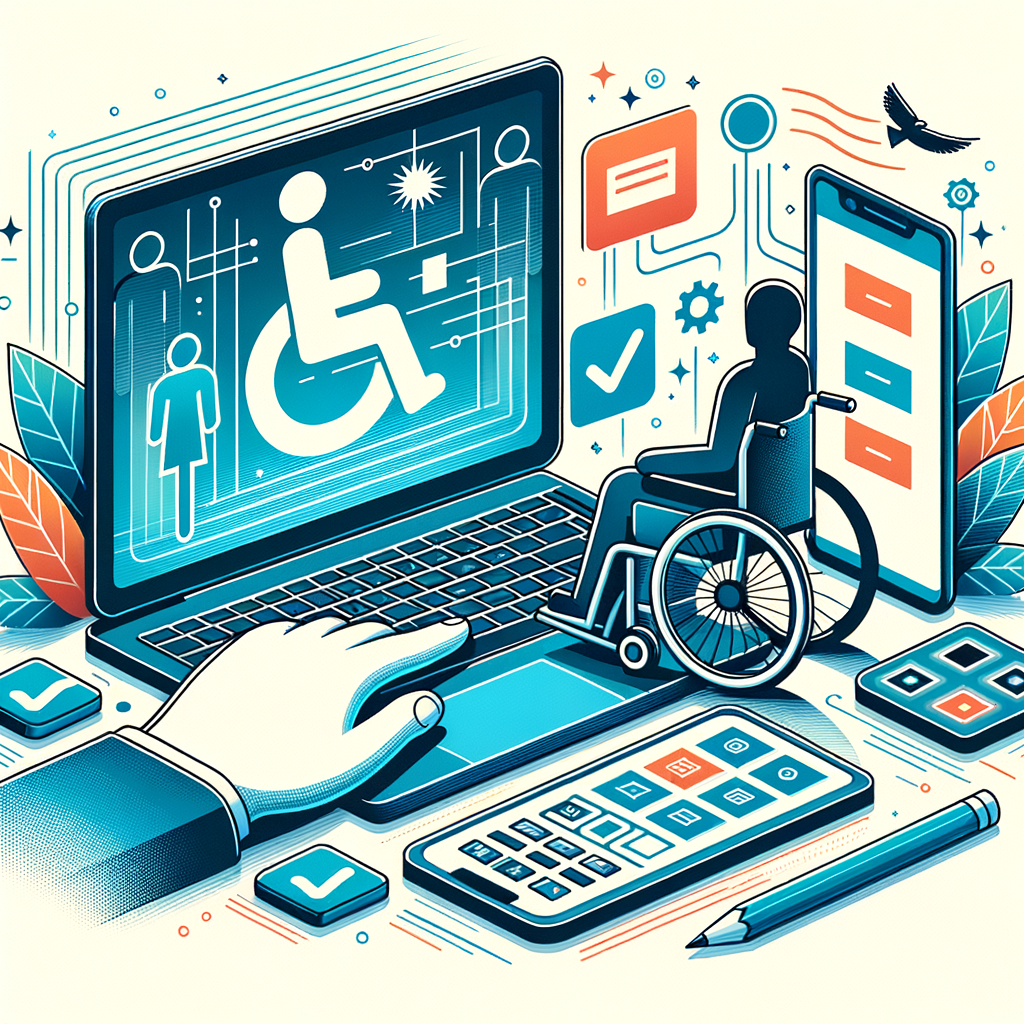
Web Accessibility Tools: The importance of web accessibility cannot be overstated, as much of our daily interaction with the world is now online. Tools such as automated accessibility testers are available to help developers ensure their websites meet the Web Content Accessibility Guidelines (WCAG), which align closely with ADA requirements. Features like alternative text for images, keyboard navigability, and screen reader compatibility are essential to making websites accessible. Furthermore, emerging Artificial Intelligence technologies are giving rise to more sophisticated tools that can adapt content presentation based on the user’s specific needs.
Internet of Things (IoT): The IoT ecosystem extends accessibility beyond digital interfaces by embedding connectivity into everyday objects. For individuals with mobility impairments, IoT-enabled devices can automate many aspects of their environment. Smart home technology, for example, can allow users to control lighting, temperature, and security systems via voice commands or mobile apps. For businesses, employing such technology improves access to facilities and services, creating a more inclusive customer and employee experience.
Virtual Reality (VR) and Augmented Reality (AR): VR and AR technologies offer innovative potential for training and education in ADA compliance. Through simulations, staff and management can experience environments from the perspective of individuals with disabilities, fostering a deeper understanding of their needs. This experiential learning approach can prompt organizations to implement meaningful changes in how they design their products and services.
Artificial Intelligence: A Game-Changer
Artificial Intelligence (AI) is at the forefront of reshaping ADA compliance capabilities. AI’s ability to process vast amounts of data and deliver insights that drive accessibility improvements is unparalleled. Some direct applications of AI in ADA compliance include:
AI-Powered Chatbots: Chatbots enhanced with AI capabilities can assist individuals with disabilities in engaging with services and information more easily. They can provide instant text-to-voice conversions, deliver simplified instructions, and offer 24/7 support to answer inquiries or process requests, bridging communication gaps.
Enhanced Audio Descriptions: AI algorithms are being developed to automatically generate audio descriptions for visual content, making videos more accessible to visually impaired users. By analyzing visual cues, AI can generate contextual descriptions, enhancing the video-watching experience without requiring manual input.
Personalized User Interfaces: AI can adapt user interfaces based on an individual’s interaction patterns and preferences. By understanding specific needs, AI-driven systems can modify layouts, color schemes, and content delivery, improving usability for everyone, including individuals with disabilities.
Data Analytics for Proactive ADA Compliance
Beyond the immediate application of technology is the power of data analytics in predicting and monitoring ADA compliance. Data analytics tools collect and analyze data to provide insights into how a facility or website performs in terms of accessibility. This data-driven approach enables businesses to be proactive by identifying areas needing improvement before they become compliance issues.
By employing predictive analytics, organizations can forecast potential compliance challenges and address them in advance. Moreover, data analytic tools also allow for better resource allocation, ensuring that modifications made are effective and strategic. This approach not only safeguards an organization from potential legal issues but also enhances the overall user experience.
Using technology to track and maintain ADA compliance can also be cost-effective. Instead of manual audits, automated systems can continuously check compliance levels, highlighting discrepancies and recommending adjustments. This automation frees up valuable resources while maintaining high standards of accessibility.
Digital Transformation’s Role in Access Education and Awareness
Beyond compliance, technology plays a crucial role in spreading awareness and education regarding accessibility. Digital platforms can be leveraged to educate employees, business partners, and the community about the importance of accessibility and how to implement best practices effectively. This awareness is vital in creating a culture of inclusivity intrinsically linked to the technology-driven solutions available today.
Online courses, webinars, and virtual events can equip stakeholders with the knowledge and skills needed to create and maintain accessible environments. By utilizing these technologies, businesses can ensure that their teams are well-versed in ADA regulations and are championing accessibility within their respective roles.
Furthermore, technology facilitates the development and sharing of success stories and case studies, inspiring others to implement similar measures. As these stories circulate, they help foster an industry-wide shift towards prioritizing accessibility as not just a regulatory requirement but as a fundamental component of good business practice.
The Human Factor in Technological Implementation
While technology provides a robust framework for enhancing ADA compliance, the human factor remains crucial. Successful integration of any technology begins with an understanding of human needs and requirements. It is imperative to consult with individuals with disabilities when designing or deploying technological solutions. Their insights can guide the development of more practical and user-friendly tools that genuinely address existing barriers.
User feedback should continuously inform iteration processes, ensuring the adaptability and relevance of technological solutions. Additionally, ongoing training for staff on using these technologies is vital. No matter how advanced a tool is, its effectiveness ultimately depends on the people using it. Therefore, organizations must cultivate a workforce equipped to effectively implement and manage these technological advancements.
Conclusion
The rapidly evolving landscape of technology presents unprecedented opportunities to enhance ADA compliance, paving the way for more inclusive environments. By creatively leveraging tools like AI, IoT, and data analytics, businesses and institutions can meet and exceed accessibility standards, creating spaces that are welcoming to all. This proactive approach not only ensures compliance but also positions organizations as leaders in inclusivity, enhancing their reputation while providing tangible benefits to individuals with disabilities.
As technology continues to advance, so too does the potential for creating accessible experiences. While the journey towards full ADA compliance is ongoing, the tools and strategies discussed offer significant potential for improvement. Integrating these technologies, guided by input from those directly affected, will be key in moving from compliance to a culture of accessibility. The future of ADA compliance is bright, with technology serving as a powerful ally in achieving a truly inclusive society.
The commitment to accessibility is not merely a legal obligation but a moral one. As businesses and organizations strive to improve their ADA compliance, embracing technology in its various forms will prove indispensable. The challenge lies in ensuring that such technological advancements are inclusive by design, with the aim of empowering all individuals to navigate their environments independently and with dignity.
This approach will ultimately result in a world where barriers are reduced, and opportunities for individuals with disabilities are expanded. If we continue to harness the power of technology in thoughtful and intentional ways, we can create a future that truly upholds the spirit of the ADA—equality, accessibility, and opportunity for all.