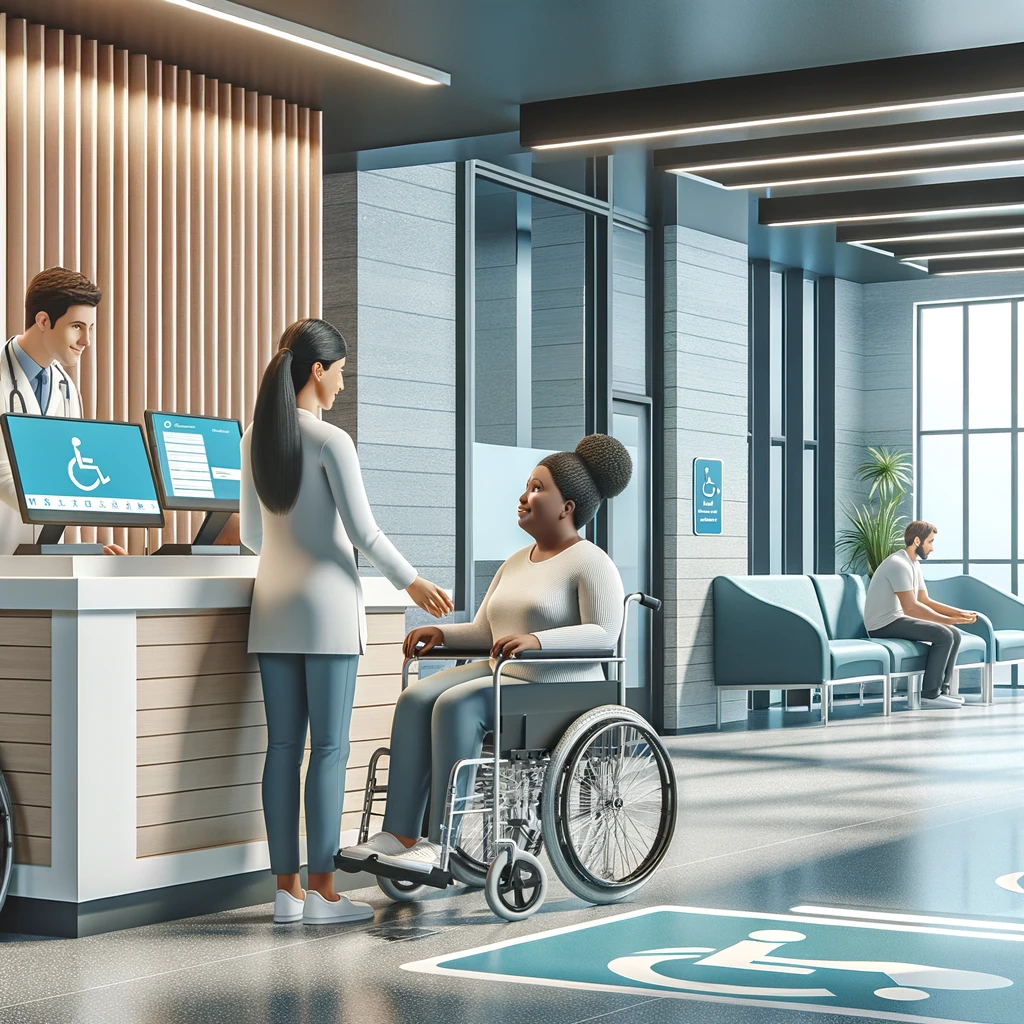
The advent of next-generation transportation modes such as autonomous vehicles, hyperloop systems, and drone-based deliveries has sparked excitement for a more efficient and pioneering transportation era. However, amid this technological optimism, ensuring ADA (Americans with Disabilities Act) compliance emerges as an essential, yet often overlooked aspect. The ADA, enacted in 1990, mandates accessibility for individuals with disabilities. Applying ADA standards to these revolutionary transport modes is critical to ensure inclusivity for all users, regardless of physical or cognitive limitations. This paper examines the importance of ADA compliance, the challenges in implementing it in emerging transportation technologies, and the progress thus far in overcoming these hurdles. Addressing the needs of people with disabilities in forthcoming transport solutions ensures equitable access and fosters a society where innovation exists in harmony with inclusivity.
Understanding ADA Compliance in Transportation
ADA compliance in transportation involves guaranteeing equal access across all disability types. The Act, originally designed for traditional forms of transportation, must now extend its reach to the complexities of emerging technologies. Compliance is not just a legal requirement but also a moral imperative to dismantle barriers that hinder people with disabilities from fully participating in societal activities. By fully integrating ADA principles into next-gen transportation, companies can cater to a broader audience and be at the forefront of inclusive innovation. This broader access is not just beneficial for individuals with disabilities but improves user experiences for all. Hence, the need for ADA compliance in these future modes is non-negotiable. Implementing these standards as foundational aspects rather than afterthoughts ensures new transportation modes meet the diverse needs of society.
Challenges in Implementing ADA in Emerging Transport Modes
Integrating ADA compliance into new transportation models is fraught with several challenges. The speculative nature of these technologies complicates the task, as traditional ADA standards may not directly apply. Technological complexity can sometimes underestimate the necessity for accessibility features. For example, autonomous vehicles’ design focuses heavily on technology and data analytics, often overlooking accessibility needs. This oversight can result in systems that are inherently inaccessible or difficult to adapt. Ensuring interface usability for individuals with cognitive disabilities or suitable entry and exit features for those with limited mobility requires a concerted effort from designers, engineers, policymakers, and advocates. Without such collaborative efforts, the gap in accessibility will continue to be a hindrance.
In hyperloop projects, the focus on speed and efficiency must also accommodate accessibility. This includes designing spacious entry points for wheelchairs and ensuring clear, concise communication systems for individuals with hearing or visual impairments. For drones, while they primarily address logistics, ensuring the delivery interfaces are accessible to people with physical disabilities must be considered. These particular modes present unique challenges that mandate comprehensive planning and execution to integrate ADA compliance thoroughly. The multiplicity of advancements in transport modes requires a parallel enhancement in the regulatory frameworks guiding ADA compliance, ensuring these models do not perpetuate existing accessibility barriers but instead dismantle them altogether.
Technological Solutions for ADA Compliance
Technological solutions are paramount in facilitating ADA compliance across next-gen transportation modes. Autonomous vehicles are increasingly exploring assistive technologies like voice control and gesture recognition to better accommodate users with varying physical capabilities. These technologies can enable individuals with limited mobility to interact seamlessly with vehicles, offering a hands-free experience that aligns with ADA standards. Similarly, employing haptic feedback systems can enhance awareness for passengers with hearing or vision impairments. Such innovations not only help meet legal compliance but also pave the way for a universally improved user experience.
In hyperloop systems, a focus on universal design principles ensures greater accessibility. Designing carriage interiors that accommodate mobility aids, offering audio-visual systems for navigation assistance, and implementing intuitive boarding procedures can significantly impact compliance efforts. Moreover, employing AI-driven systems to tailor personal experiences for disabled passengers can further this goal. Drones especially can capitalize on technological advances by using apps and GPS technology for precise drop-offs at accessible locations. Leveraging technology to create seamless, intuitive experiences ensures these transport modes fall in line with ADA mandates, setting a standard for new transportation ventures.
The Role of Legislation and Policy Makers
Governments and policymakers play a crucial role in ensuring ADA compliance in emerging technology applications within the transport sector. Legislative bodies must adapt existing laws to encompass newer technologies, providing clear guidelines and standards for compliance. Such forward-thinking regulations can steer technological developments towards inclusivity from their inception, rather than as a retrospective fix. Clear policy frameworks encourage proactive measures amongst innovators to consider ADA compliance during the design and developmental stages of transport systems, ensuring no group is neglected amid technological advancement.
Furthermore, policymakers can also incentivize research and development in this area through grants or tax breaks for companies prioritizing accessible transportation systems. This can foster an industry-wide standard for inclusive design, providing a beacon for start-ups and existing companies alike in their product development strategies. Such regulatory efforts not only transform theoretical compliance into actionable measures but also set a practical example for other sectors to follow.
Case Studies: Successful Implications of ADA in Transport Innovators
Some pioneering companies have already begun modeling ADA compliance in their forward-thinking transport solutions. Waymo, a leader in autonomous technology, has dedicated significant resources towards ensuring inclusivity. Its partnership with institutions aiding disabled communities involves showcasing fully accessible vehicle interfaces and securing feedback from direct end-users in terms of usability and accessibility. As a result, Waymo’s approach has become an industry standard, emphasizing the necessity for firsthand engagement with diverse user groups to meet ADA metrics effectively.
Similarly, Virgin Hyperloop is another innovator proactively implementing ADA standards in its design process. Their efforts include consultation with ADA experts to incorporate guidelines from the ground up, ensuring carriage designs support wheelchair accessibility and facilitate communication assistance for individuals with auditory difficulties. Such examples prove that strategic planning, innovation, and diligent collaboration with relevant authorities and advocacy groups can yield successful ADA compliant next-generation transportation models.
Conclusion
The journey towards ensuring ADA compliance in next-generation transportation systems is a multifaceted endeavor. From regulatory adaptations and policy guidance to technological innovations and inclusive design strategies, a concerted effort is imperative. Addressing ADA compliance ensures no one is left on the margins of technological progress. By nurturing an environment where inclusivity is paramount, transportation innovation can flourish, offering equitable access to everyone, fostering societal unity, and setting benchmarks for new sectors yet to be transformed.
Ultimately, success in this domain requires a synergistic collaboration among government bodies, technology developers, and disability advocates. By prioritizing human-centric design and accommodating diverse needs, the next wave of transportation promises not only efficiency and futurism but also accessibility, setting a standard for others to emulate in the broader narrative of progress and inclusivity in technology.