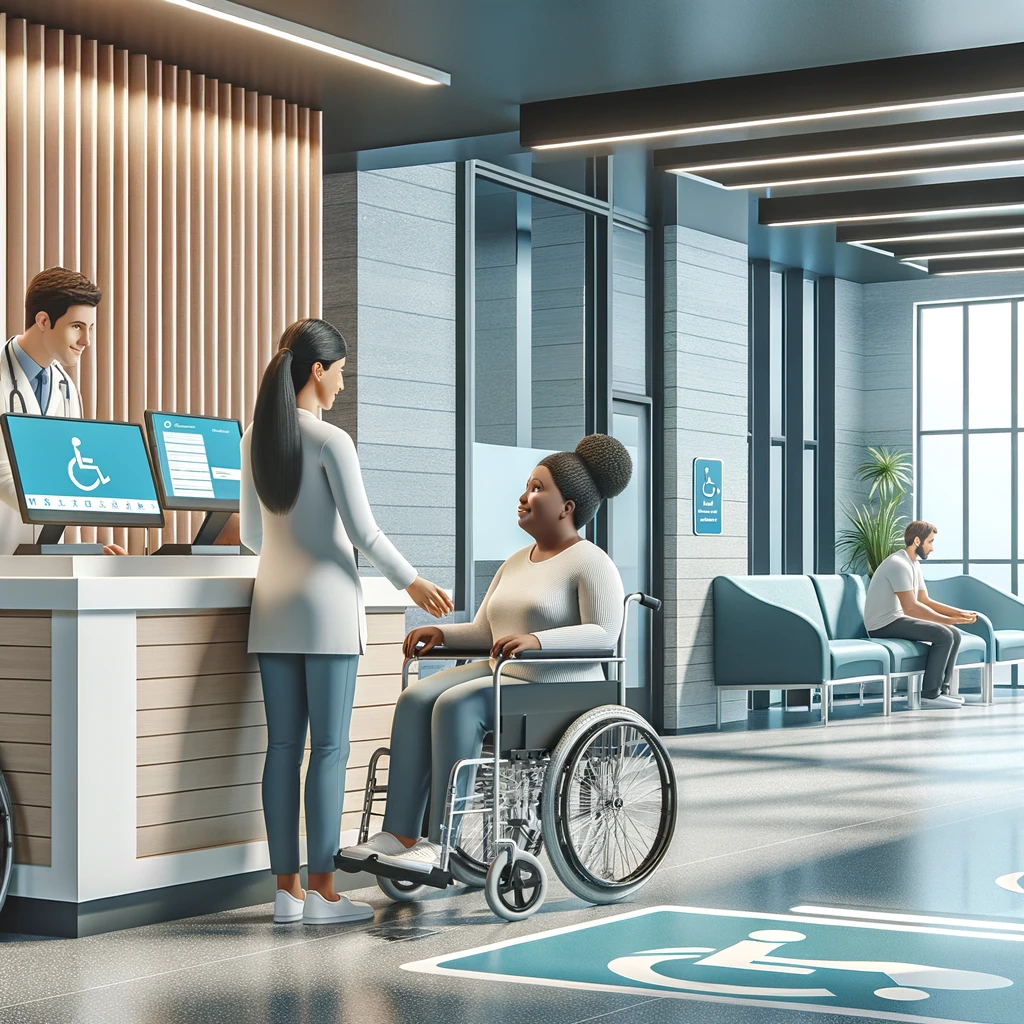
Education is often regarded as the great equalizer, providing everyone with the opportunity to learn, grow, and succeed. But for many Americans with disabilities, accessing a quality education that meets their needs is often fraught with challenges. That’s where the Americans with Disabilities Act (ADA) comes into play. The ADA is a landmark civil rights law that prohibits discrimination based on disability and mandates that reasonable accommodations be made to ensure equal access to education. In this article, we will delve into the importance of ADA rights in educational settings, illustrating these with case studies and real-world applications, and offering insights into how educational institutions can better empower students with disabilities.
The Fundamental Role of the ADA in Education
The ADA stands as a cornerstone of rights for individuals with disabilities, ensuring that they receive equal opportunities without facing discrimination. Passed in 1990, the ADA is structured to provide full protection in various public domains, including education. The principle objective in educational environments is to dismantle any barriers—physical, communicative, or otherwise—so that students with disabilities can achieve their full potential.
An essential component of the ADA’s application in schools and universities is the mandate for reasonable accommodations. This encompasses a broad spectrum of measures, from making physical modifications to buildings, to providing assistive technologies, to adjusting policies to meet the needs of students. Evaluating its practical impact, however, requires understanding real-world applications. Here, we’ll observe how the ADA has manifested in educational settings, uncovering both triumphs and areas for improvement.
Case Study 1: Physical Accessibility in High Schools
Consider the experience of a high school in a small town that was originally built without consideration for students with physical disabilities. Staircases dominated access points, and accessible ramps were nonexistent in several key areas. This posed a substantial challenge to students reliant on wheelchairs or other mobility aids.
Under the pressure of a lawsuit citing ADA violations, the school district worked to rectify these issues promptly. With the intent of aligning with ADA requirements, they installed elevators, built ramps, and widened doorways, transforming the school’s landscape to ensure inclusion. Overcoming the logistical and financial challenges involved demonstrated a commitment to making education accessible to all students.
This shift not only empowered students with disabilities but also changed the school culture. The case highlighted the transformative power of the ADA not just in theory but in solid practices, setting precedence for other institutions with similar challenges. It emphasized the importance of inclusivity as a standard part of infrastructural planning for educational settings nationwide.
Case Study 2: Accommodations in Higher Education
In higher education environments, the adherence to ADA accommodations can significantly influence a disabled student’s journey through academia. One prominent example involves a university student with hearing impairment who was determined to study engineering. The technical nature of the courses, coupled with extensive lab work, presented unique challenges.
The university responded by providing a customized set of accommodations, including real-time captioning services, sign language interpreters, and specialized hearing equipment for laboratory sessions. This approach aligned with the ADA mandate, fostering an equitable learning ambiance. It also illustrated flexibility in meeting individual student needs, reaffirming inclusivity as a dynamic and ongoing commitment rather than a static achievement.
This case served to illustrate not only how technology and services can be mobilized to support students but also underscored the significance of proactive communication between students and educational authorities. It highlighted how educational institutions could act as allies, enabling students with disabilities to pursue and achieve their academic goals.

Navigating Policy: The Role of Educational Administrators
Administrators play a critical role in ensuring ADA compliance and promoting a culture of inclusivity. They serve as the architects of policies that align educational practices with ADA standards, influencing how these policies are executed on the ground. Training plays a profound part; administrators need to be well-versed in ADA requirements to implement effective strategies and avoid potential pitfalls.
One approach that has proven effective is the establishment of dedicated offices or teams focused on disabilities services. Such teams, staffed by knowledgeable and empathetic professionals, can oversee the application of ADA guidelines, providing vital support to both students and faculty. They also ensure that accommodations are not only identified but actually implemented.
When educational leaders take proactive steps to educate themselves and their teams, the result is an environment where inclusivity is integral to every decision and practice within the institution. An effective policy ensures that ADA accommodations are considered not as afterthoughts but as forethoughts in planning educational activities and facilities.
Incorporating New Technologies in ADA Accommodations
Technology has emerged as a powerful ally in the quest to provide ADA-compliant education. From apps that offer real-time visual and auditory guidance to advanced speech-to-text software, the landscape of educational technology (EdTech) continues to expand. However, the adoption of tech solutions requires careful consideration and a nuanced understanding of individual student needs.
For instance, universities have increasingly turned to digital platforms like Virtual Reality (VR) to simulate environments where students with physical disabilities can interact in ways that might be difficult in the physical world. These innovative solutions offer endless possibilities, yet they must be implemented in consultation with the very people they aim to assist, ensuring effectiveness and accessibility.
The integration of technology also demands ongoing evaluation, ensuring that tools offered remain relevant and are updated according to advances in the field. This dynamic nature of technological applications in education reflects the ADA’s spirit – continually adapting to enhance inclusivity and accessibility.
Conclusion: A Path to Inclusive Education
The Americans with Disabilities Act has significantly reshaped the educational landscape for students with disabilities, providing them not only with access but also with a supportive framework to thrive. However, to fully realize the ADA’s potential within educational institutions, a concerted and continuous effort is needed from all stakeholders involved.
From ensuring that infrastructures are physically accessible, to developing robust policies under astute administrative leadership, to leveraging technological advances, the focus remains steadfastly on creating educational environments that respect and celebrate diversity. The case studies and applications discussed here illustrate the tangible impacts of such efforts and exemplify the ongoing journey toward accessibility and equality in education.
The future lies in a collaborative approach to education, where students, educators, administrators, and policymakers work together to innovate and inspire. As institutions increasingly embrace the principles and practices of the ADA, they contribute not only to a fairer educational system but also to the broader societal mission of inclusivity and respect for all individuals.
Frequently Asked Questions
1. What is the Americans with Disabilities Act (ADA) and how does it relate to educational access?
The Americans with Disabilities Act (ADA) is a comprehensive civil rights law that was enacted in 1990. It aims to protect individuals with disabilities from discrimination in various areas, including employment, public services, public accommodations, telecommunications, and transportation. When it comes to education, the ADA requires institutions to provide reasonable accommodations to ensure that students with disabilities have equal access to educational opportunities. This can include modifications to the learning environment, adaptations of course materials, and the provision of assistive technologies. The goal of the ADA in education is to create an inclusive environment where students with disabilities can fully participate and thrive, removing the barriers that may hinder their educational journey.
2. What are some examples of reasonable accommodations in educational settings?
Reasonable accommodations in educational settings can take various forms depending on the specific needs of the student. Some common examples include extended time on exams for students with learning disabilities, sign language interpreters for students who are deaf or hard of hearing, and note-taking assistance for those with physical disabilities that affect their ability to write. In addition, educational institutions may be required to provide alternative formats for course materials, such as Braille, large print, or electronic text, for students with visual impairments. Assistive technology, like speech-to-text software or screen readers, can also be essential in providing equal access to learning resources. Ultimately, these accommodations are tailored to the individual student, ensuring that they procure the same educational experience as their peers without disabilities.
3. Are all educational institutions required to comply with the ADA?
Most educational institutions in the United States are required to comply with the ADA, which includes public schools, colleges, and universities. Private schools, if they receive federal funding or serve the public, must also adhere to ADA standards. Even institutions not covered directly by the ADA may be subject to similar requirements under other laws such as Section 504 of the Rehabilitation Act, which prohibits discrimination on the basis of disability in programs that receive federal financial assistance. While the specifics of compliance can vary based on the institution’s resources and the nature of the educational programs offered, the underlying principle remains the same: ensuring that students with disabilities have equal access to educational opportunities and are not subjected to discrimination.
4. What are some challenges faced by educational institutions in implementing ADA accommodations?
Implementing ADA accommodations in educational settings can pose several challenges. One major challenge is the need for adequate resources, both financial and human. Providing the necessary accommodations, such as hiring additional staff or acquiring specific technology, can be costly and may require alignment with budget restrictions. Another challenge is the need for proper training and awareness among faculty and staff to effectively recognize and address the needs of students with disabilities. Furthermore, institutions often face complexities when balancing individual accommodation requests with the overall integrity and standards of academic programs. Despite these challenges, it is critical for educational institutions to prioritize accessibility and inclusion by collaborating with students, disability service offices, and other stakeholders to identify and implement effective accommodation strategies.
5. Can you provide examples of successful ADA empowerment case studies in educational access?
Several case studies highlight successful implementations of ADA empowerment in educational access. For instance, a university collaborated with its disability services office to introduce a comprehensive assistive technology lending library. This allowed students with disabilities to access necessary technological devices, such as tablets and software, to enhance their learning experience. Another example is a community college that initiated an inclusive education program that trained faculty on universal design principles. This led to the development of course content that was accessible to all students, reducing the need for individual accommodations. Similarly, a public school district implemented a district-wide plan that included the installation of auditory and visual aids across classrooms, significantly benefiting students with sensory impairments. These case studies underscore the importance of proactive, innovative approaches to ensuring that students with disabilities receive the support they need to succeed academically.