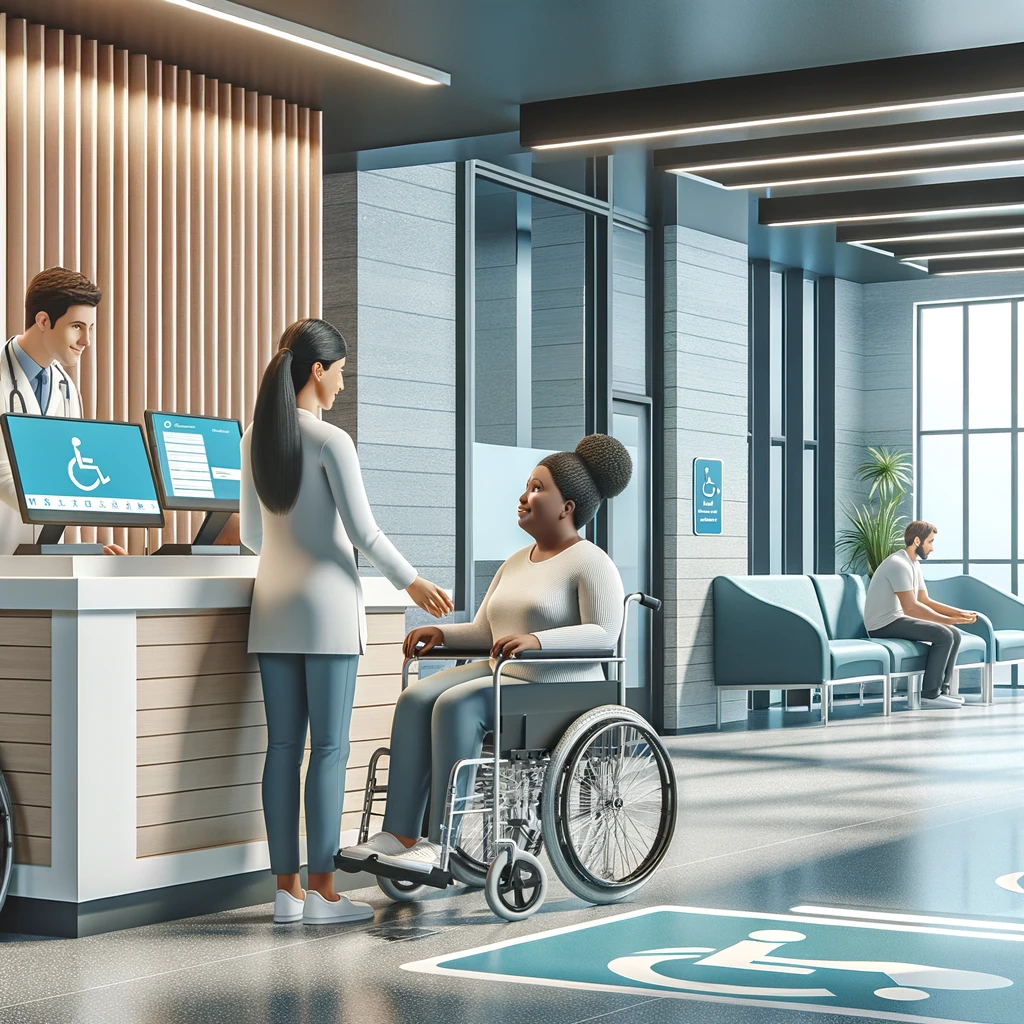
The Americans with Disabilities Act (ADA), signed into law in 1990, was a landmark moment in the fight for civil rights for people with disabilities. The ADA aims to prevent discrimination and ensure equal opportunity and access for people with disabilities in various facets of public life, including employment, public accommodations, and transportation services. Public transportation plays a crucial role in the daily lives of many Americans, providing essential links to employment, education, healthcare, and recreational activities. As such, ensuring that these services comply with ADA standards is vital for facilitating independence and inclusion for individuals with disabilities. This article delves into the principles of ADA compliance within the realm of public transportation, outlining legal requirements, implementation strategies, and the positive impact of accessible transportation services.
Understanding ADA Requirements for Public Transportation
To comply with the ADA, public transportation services must meet several key requirements. These regulations are detailed in Title II and Title III of the ADA. Title II covers public entities, including state and local governments, and mandates that public transportation services they operate—like buses, commuter rails, and subways—must be accessible to individuals with disabilities. These services must provide accessible vehicles, stations, and stops and offer equitable transportation opportunities.
Title III applies to privately operated transportation services such as hotel shuttles or private bus tours. These entities are required to make reasonable modifications to accommodate individuals with disabilities. For instance, they must ensure that vehicles are capable of transporting wheelchair users, provide adequate boarding assistance, and make physical changes to ensure accessibility. Both public and private transportation services must also offer training to staff to ensure they are capable of providing efficient and respectful service to all passengers, including those with disabilities.
Implementing ADA Compliance in Public Transportation
Effectively implementing ADA compliance in public transportation involves several steps. First, transportation agencies must conduct thorough accessibility audits of their services, identifying areas that fall short of ADA standards. These audits should cover vehicle design, station structure, communication systems, and customer service practices. Based on audit findings, agencies can develop a comprehensive action plan aimed at addressing gaps in accessibility.
Next, transportation providers should invest in ADA-compliant vehicles and infrastructure. Modern buses, for example, can be equipped with low floors, ramps, and securement devices for wheelchairs. Stations and stops must be constructed with accessible paths, elevators, ramps, tactile warning strips, and audible announcements for individuals with visual or hearing impairments. Moreover, agencies must ensure that their online services and informational materials, including websites and apps, adhere to web accessibility guidelines, enabling passengers to easily access schedules and other essential information.

Training and Education for Staff
Effective implementation of ADA compliance also requires robust training and education programs for staff involved in public transportation services. Personnel should be trained to understand the principles of the ADA, the specific needs of passengers with disabilities, and best practices for providing assistance. This training should cover not only physical assistance but also enhancing communication skills to ensure respectful and effective interaction.
Training should be ongoing, with regular updates to keep staff informed about new accessibility technologies and methods. It is also beneficial to involve individuals with disabilities in the training process, as they can provide valuable insights and real-life perspectives that can enhance empathy and understanding among the staff. This participatory approach ensures that service providers are better equipped to meet the diverse needs of all passengers.
Technological Advancements and Accessibility
Technological advancements have significantly improved the accessibility of public transportation. Modern assistive technologies, such as automated announcements, real-time tracking apps, and integrated payment options designed for ease of use by individuals with disabilities, are becoming increasingly common. These technologies help bridge the gap between ADA requirements and real-world application, enhancing the overall travel experience for individuals with disabilities.
Innovations like voice-activated scheduling systems, accessible mobile applications, and GPS-based route information enable passengers to plan and execute their journeys with greater ease and independence. Investments in technology not only benefit individuals with disabilities but can also lead to more efficient and user-friendly transportation services overall. Integration of such technologies requires a strategic approach, ensuring that new tools are designed inclusively and that existing systems are upgraded to accommodate diverse needs.
Challenges and Continued Efforts
Despite significant progress, challenges remain in achieving full ADA compliance across all public transportation services. Economic constraints, aging infrastructure, and varying levels of commitment across regions can hinder uniform implementation. Rural and smaller communities often face additional barriers due to limited resources and lower awareness of ADA requirements.
To overcome these obstacles, continuous advocacy and increased funding are essential. Government grants, public-private partnerships, and community-driven initiatives can provide the necessary financial support to upgrade and maintain accessible transportation infrastructures. Additionally, public awareness campaigns can help shift societal attitudes and emphasize the importance of inclusivity, fostering a culture of respect and understanding for individuals with disabilities.
Conclusion
The Americans with Disabilities Act has paved the way for significant advancements in making public transportation more inclusive and accessible. By adhering to ADA standards, public transportation services not only comply with legal requirements but also contribute to the broader goal of social equity. The journey toward full compliance involves multiple steps, including accessibility audits, infrastructural investments, staff training, and embracing technological advancements. Challenges persist, but with continued effort, collaboration, and innovation, achieving accessible public transportation for all is a feasible and worthwhile goal. The positive impact of these efforts extends beyond legal compliance, fostering independence and enhancing the quality of life for individuals with disabilities.
Frequently Asked Questions
1. What is ADA compliance in public transportation services?
ADA compliance in public transportation services refers to the adherence of public transport providers to the standards set by the Americans with Disabilities Act. This act, passed in 1990, mandates that public transportation systems must be accessible to individuals with disabilities. This includes everything from buses and trains to subways and ferries. The idea is to ensure that people with disabilities have the same access to transportation options as everyone else, thus promoting independence and equal opportunity. Compliance involves the implementation of various features like wheelchair ramps, designated seating areas, accessible fare machines, and tactile walking surface indicators. Importantly, it also covers the availability of human assistance when required, such as driver or staff assistance for boarding and disembarking, and communications services like announcements in both visual and audible formats.
2. Why is ADA compliance important in public transportation?
ADA compliance in public transportation is critical because it directly impacts the quality of life and independence of individuals with disabilities. For many people, public transport is a primary means of getting to work, school, medical appointments, and participating in community life. Without compliance, individuals with disabilities could be denied these essential services, which would perpetuate their exclusion from societal activities. Accessible transportation helps ensure that all community members can participate in everyday activities, breaking down physical and social barriers, and promoting inclusivity. Additionally, ADA compliance also enhances safety, as many of the measures put in place, like wider entrance gates and clearer labeling, benefit all users of the system, not just those with disabilities.
3. What are some features of ADA-compliant public transportation?
ADA-compliant public transportation incorporates a variety of features designed to accommodate travelers with disabilities. Some of these features include:
- Wheelchair lifts and ramps: Buses and trains must be equipped with devices to enable wheelchair users to board safely.
- Priority and accessible seating: Clearly marked spaces are provided for individuals with mobility aids and those who need seating.
- Visual and auditory announcements: Stations and vehicles should have clear, accessible announcements for those with hearing or visual impairments.
- Tactile pathways and Braille signage: These assist individuals who are blind or visually impaired in navigating stations and stops.
- Accessible payment systems: Fare machines are equipped with features to aid those with physical or visual impairments in purchasing tickets.
4. How does ADA compliance impact transportation service providers?
For transportation service providers, ADA compliance requires ongoing commitment and investment in infrastructure, training, and maintenance. Providers must consistently revise and update vehicles, stations, and technology to meet accessibility guidelines. Financially, this could involve purchasing new vehicles that are ADA-compliant or retrofitting existing fleet. Additionally, ADA compliance impacts staffing, as proper training programs need to be in place for employees who assist passengers with disabilities. This ensures that employees are knowledgeable and capable of providing necessary support while respecting the dignity and rights of the individual. Furthermore, transportation service providers must stay informed about legal updates related to ADA to avoid penalties and foster a culture of equality and respect in their services.
5. What can passengers do if they encounter non-compliance issues in public transportation?
Passengers who encounter non-compliance issues should first report the problem to the transportation provider. Details about the issue, including time, place, and nature of non-compliance, should be documented if possible. Most providers have customer service departments or designated ADA coordinators who handle such complaints and implement corrective measures. If a resolution is not reached at this level, passengers can escalate the complaint to local or state-level transportation oversight entities. Additionally, passengers can also file a complaint with the U.S. Department of Justice or the Federal Transit Administration, the bodies responsible for enforcing ADA compliance. Engaging in this process not only seeks resolution but raises awareness, potentially triggering improvements that benefit all users of the transit system.