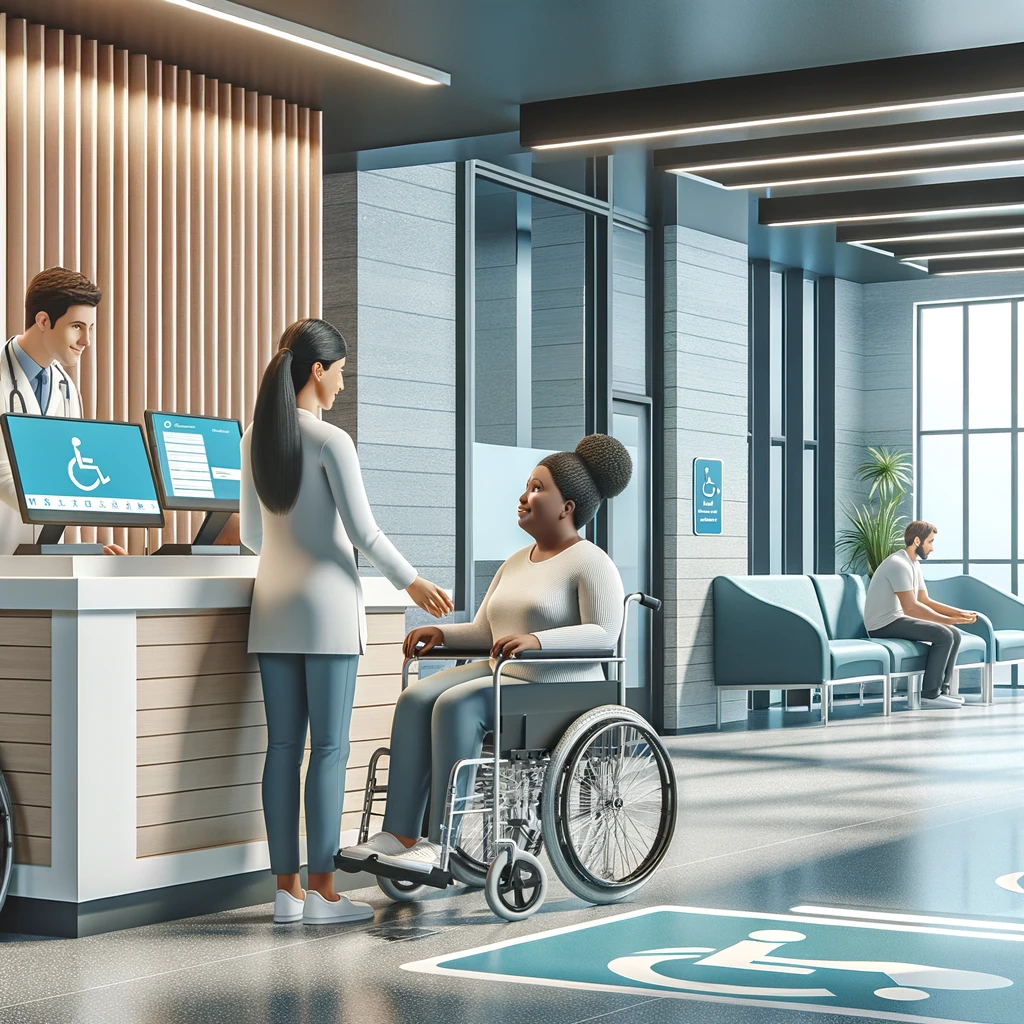
The Americans with Disabilities Act (ADA) is a landmark piece of civil rights legislation that prohibits discrimination against individuals with disabilities in nearly all areas of public life. Since its enactment in 1990, the ADA has played a critical role in ensuring that people with disabilities have the same rights and opportunities as everyone else. However, as technology continues to advance at a rapid pace, new challenges have emerged that the original legislation could not have anticipated. From artificial intelligence to internet accessibility, modern technologies present both opportunities and obstacles when it comes to ADA compliance and the protection of the rights of individuals with disabilities. This article will explore advanced topics in ADA rights as they pertain to emerging technologies, offering insights into how these advancements intersect with legal obligations under the ADA.
Artificial Intelligence and the ADA
Artificial intelligence (AI) offers a promising future for various sectors, including healthcare, transportation, and customer service. However, the integration of AI into everyday life also brings distinct ADA-related challenges. One primary concern is ensuring that AI systems are accessible to individuals with disabilities. For instance, voice-activated AI systems must be capable of understanding and responding to a wide range of speech patterns, including those of individuals with speech impairments. Similarly, visually impaired users should have access to text-to-speech capabilities and other assistive technologies so they can interact with AI-based applications and devices seamlessly.
Moreover, AI-based decisions in areas like hiring practices, credit scoring, and housing can inadvertently perpetuate biases against people with disabilities. To mitigate such risks, developers and organizations must incorporate fairness and transparency into AI algorithms, making deliberate efforts to prevent discriminatory outcomes. Regular audits and updates to these systems can help ensure they align with ADA requirements, creating a more inclusive environment for all users.
Internet Accessibility and the ADA
The digital age has transformed the way people access information and services, making internet accessibility a crucial issue. The ADA requires that websites and online services be accessible to individuals with disabilities, but compliance in this area has often lagged. Many websites are not designed with accessibility features, such as screen reader compatibility, keyboard navigability, and alternative text for images, making it difficult for people with disabilities to use them effectively.
The World Wide Web Consortium’s (W3C) Web Content Accessibility Guidelines (WCAG) provides a set of recommendations for making web content more accessible. Businesses and organizations must adhere to these guidelines to meet ADA requirements fully. This includes providing text alternatives for non-text content, ensuring that all functionalities are available from a keyboard, and making content adaptable to different user needs and preferences. Failure to comply with these guidelines can result in legal actions and penalties, so it is essential for organizations to prioritize online accessibility.
Workplace Technology and the ADA
The workplace has seen significant technological advancements, with tools like remote conferencing software, project management platforms, and advanced communication systems becoming commonplace. While these technologies can enhance productivity, they also necessitate ADA compliance to ensure that employees with disabilities can participate fully. For example, remote conferencing software must support real-time captioning, sign language interpretation, and compatibility with screen readers to accommodate employees with hearing and visual impairments.
Employers are responsible for providing reasonable accommodations to employees with disabilities, which can include specialized software, ergonomic equipment, and modifications to existing technologies. Additionally, workplace training programs should include information on the use of assistive technologies and the importance of maintaining an accessible digital environment. By integrating these practices, employers can create a more inclusive work environment, aligning with ADA standards and supporting all employees.
Smart Devices and Home Automation
Smart devices and home automation systems have revolutionized home living, offering convenience and efficiency through technologies like voice-activated assistants, smart thermostats, and automated lighting. However, these advancements must be accessible to individuals with disabilities to ensure they benefit everyone. Manufacturers should consider the needs of people with disabilities during the design and development phases, incorporating features such as voice recognition, simple interfaces, and compatibility with various assistive technologies.
Additionally, smart devices should provide options for manual overrides or alternative control methods to accommodate users who cannot utilize standard interfaces. For instance, a visually impaired person should be able to control a smart thermostat via voice commands or a tactile interface. These considerations are vital in making smart technologies truly inclusive and compliant with ADA guidelines, ensuring that individuals with disabilities can enjoy the same conveniences as others.
Telehealth and the ADA
Telehealth has gained immense popularity, particularly in the wake of the COVID-19 pandemic, offering patients the ability to consult with healthcare providers remotely. This technology is especially beneficial for individuals with disabilities who may have difficulty traveling to medical facilities. However, telehealth services must be designed to be accessible to everyone. This includes ensuring that telehealth platforms are compatible with screen readers, providing real-time captioning for video consultations, and offering support for sign language interpretation.
Healthcare providers should also receive training on how to use telehealth technologies in ways that accommodate patients with disabilities. This might include understanding how to modify consultation methods for patients with cognitive disabilities or ensuring that medical forms and information are available in accessible formats. By focusing on these factors, telehealth services can become more inclusive, aligning with ADA standards and enhancing healthcare access for individuals with disabilities.
Public Transportation Innovations and the ADA
Technological innovations in public transportation, such as autonomous vehicles and advanced transit apps, hold the promise of transforming mobility for people with disabilities. However, to meet ADA requirements, these technologies must be designed with accessibility in mind. Autonomous vehicles, for example, should be equipped with features such as voice commands, tactile interfaces, and automated ramps or lifts to accommodate passengers with mobility impairments.
Moreover, transit apps should provide real-time accessibility information, such as the availability of wheelchair-accessible routes or audio announcements for visually impaired users. Public transit agencies and technology developers need to collaborate to ensure that new transportation technologies comply with ADA guidelines, making public transportation more accessible and convenient for all users.
Conclusion
The ADA has been a cornerstone of civil rights for individuals with disabilities, ensuring equal access and opportunities. As technology continues to evolve, it is crucial to address the emerging challenges and opportunities these advancements bring. From artificial intelligence and internet accessibility to workplace technology, smart devices, telehealth, and public transportation, ensuring ADA compliance in these areas is vital for creating an inclusive society. By prioritizing accessibility in the design and implementation of new technologies, we can uphold the principles of the ADA and ensure that individuals with disabilities are not left behind in the digital age.
Frequently Asked Questions
1. How has the ADA adapted to incorporate rights concerning emerging technologies?
The ADA, originally enacted in 1990, didn’t anticipate the rapid advancements in technology we’ve seen, especially around digital communications and the internet. However, it’s been interpreted and adapted over time through various legal interpretations and guidelines to keep up with these changes. For instance, the Department of Justice (DOJ) has clarified that the ADA’s requirements apply just as much to online spaces as they do to physical ones. This means that websites, mobile applications, and other digital services must be accessible to people with disabilities. Additionally, the concept of “electronic curb cuts,” which refers to removing digital barriers to accessibility, has become significant in ensuring that digital platforms comply with ADA standards. Furthermore, amendments and case law continue to shape how the ADA is applied to emerging tech, ensuring that individuals with disabilities are not left behind as technology evolves.
2. What specific challenges do emerging technologies pose to ADA compliance?
One of the biggest challenges is that technology evolves faster than legislation can. This rapid pace of change means that new devices and platforms often roll out without having accessibility features baked in from the start. For example, virtual reality technology, if not thoughtfully designed, can be completely inaccessible to someone with visual impairments. Similarly, voice-assisted devices may not recognize speech patterns of users with speech disabilities. Furthermore, the lack of set standards for new technology often puts pressure on both tech developers and legal systems to maintain compliance. There is also the challenge of ensuring existing standards, such as the Web Content Accessibility Guidelines (WCAG), are updated to cover new types of digital interactions and interfaces while policymakers grapple with the appropriate regulation to govern these technologies.
3. Are there any technological innovations specifically designed to improve accessibility under the ADA?
Yes! Technology is not only creating challenges but also offering solutions to improve accessibility. Innovations like screen readers and text-to-speech software help visually impaired individuals navigate digital content. AI-driven image and video recognition technologies are improving alt-text features, offering better descriptions of visual content. Additionally, automatic transcription services have improved substantially, making video content more accessible through captions. Furthermore, wearable technology and smart home devices, tailored with accessibility functionalities, help individuals with various disabilities lead more independent lives. Designers and developers are increasingly integrating inclusive design principles into their workflows, producing products that not only meet compliance standards but offer truly accessible user experiences.
4. How does the ADA apply to virtual reality (VR) and augmented reality (AR) experiences?
The application of the ADA to VR and AR is a developing area, given the novelty of these technologies. However, the principle remains the same: individuals with disabilities should have equal access to the experiences these technologies offer. Ensuring ADA compliance in VR and AR involves making adaptations so that these experiences can be enjoyed by everyone. This might mean incorporating audio descriptions for visual elements, using haptic feedback for critical interactions, or designing user-friendly navigational aids. Companies creating VR and AR content are encouraged to include users with disabilities in their testing processes to address accessibility concerns from the ground up. The goal is to ensure that new forms of interaction offered by VR and AR do not become new barriers of entry for individuals with disabilities.
5. What responsibilities do tech companies have in ensuring their products comply with ADA standards?
Tech companies have a significant responsibility to ensure their products are accessible to everyone, including individuals with disabilities, as per ADA standards. This means that during the development phase, accessibility should be a core consideration, not an afterthought. Companies are expected to adhere to established guidelines such as the Web Content Accessibility Guidelines (WCAG) for digital content. Regular audits and testing should be conducted to ensure products meet accessibility standards. Furthermore, tech companies should provide training for their teams on ADA compliances and how to implement inclusive design principles effectively. It is also beneficial for companies to engage in ongoing dialogues with accessibility experts and individuals who rely on assistive technologies to gather valuable insights into how products can be more inclusively designed. Ultimately, tech companies that prioritize accessibility not only fulfill legal obligations but also open up new markets and improve customer satisfaction by creating welcoming experiences for all users.