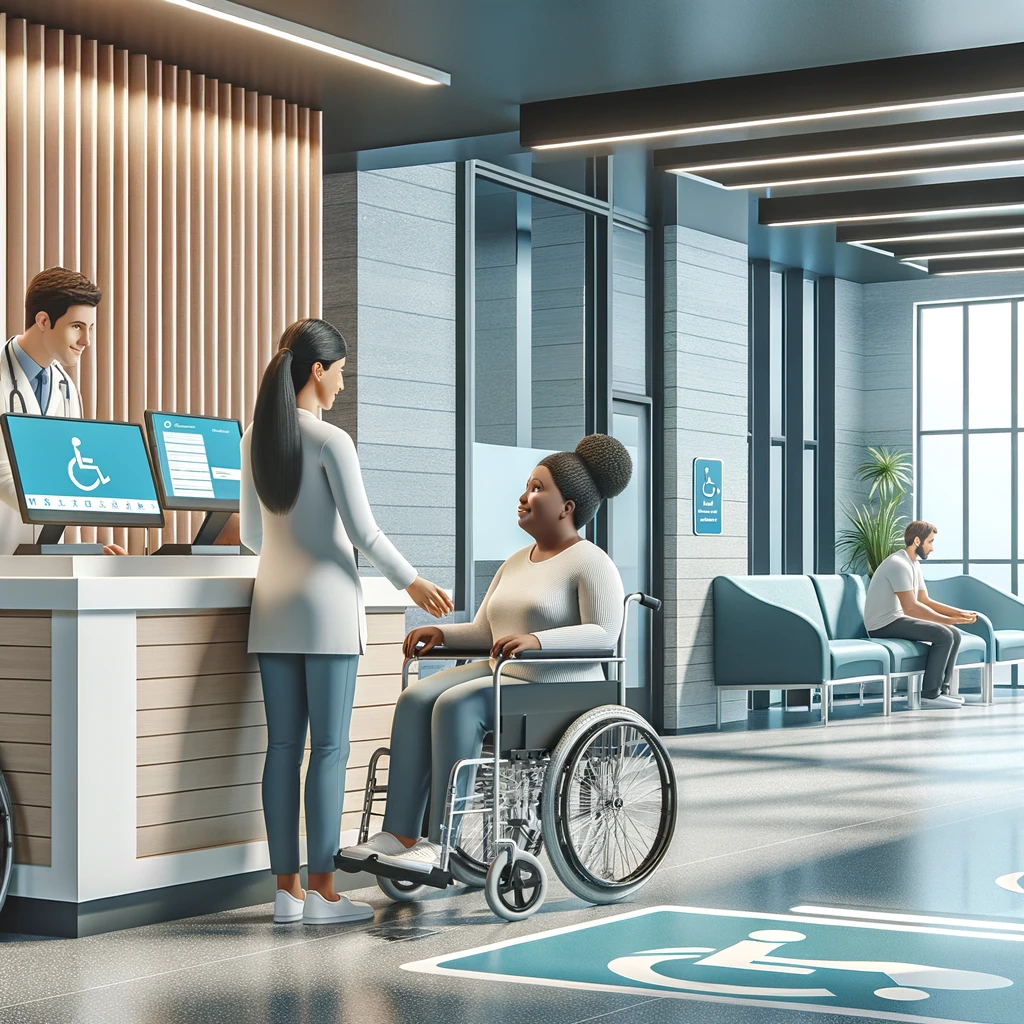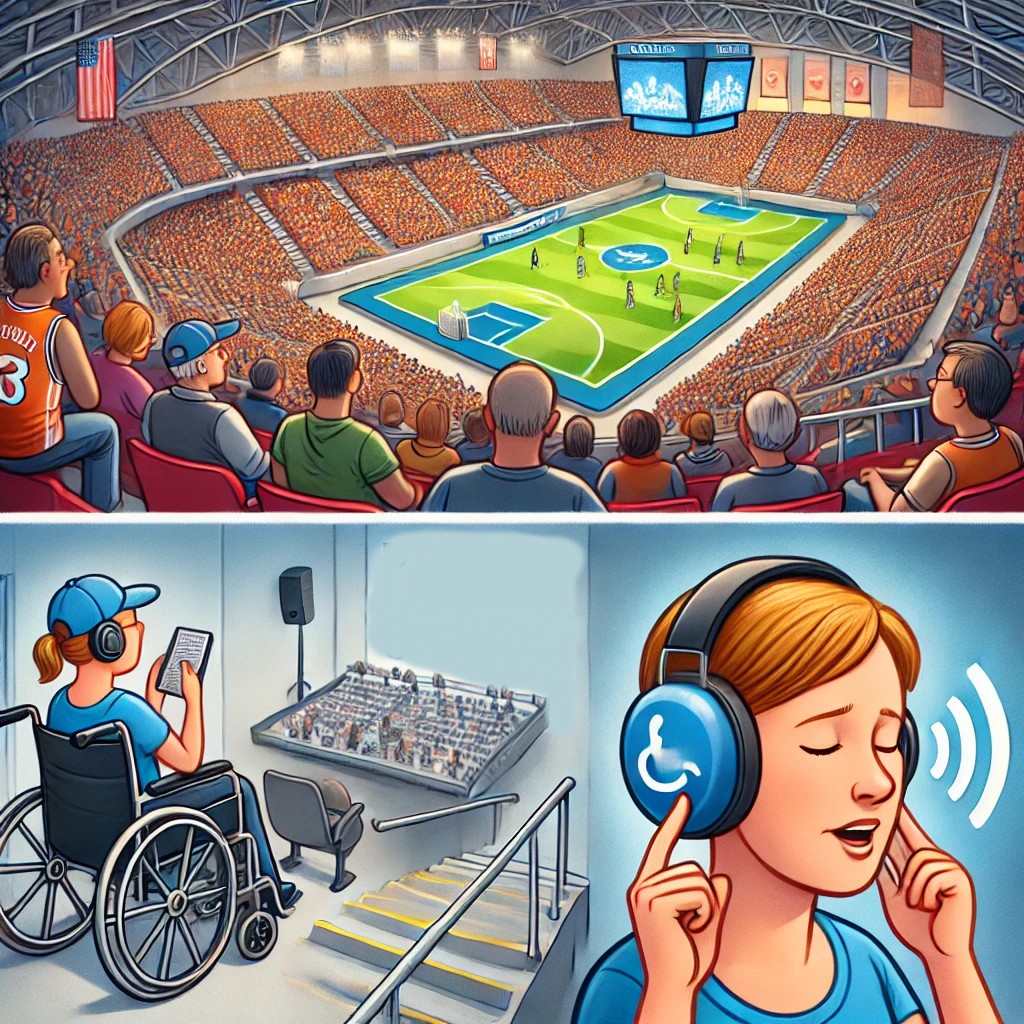
The Americans with Disabilities Act (ADA) is a landmark piece of legislation that prohibits discrimination based on disability. Since its enactment in 1990, the ADA has played a pivotal role in ensuring that public accommodations, including sports arenas and large venues, are accessible to all individuals, regardless of their physical or cognitive abilities. As our society continues to recognize the importance of inclusivity, it’s essential for venue operators, organizers, and the general public to understand the advanced topics surrounding ADA rights in these settings. This article delves into the nuances of ADA compliance in sports arenas and large venues, highlighting critical areas like seating arrangements, auxiliary aids, emergency procedures, service animals, and more.
However, ensuring full ADA compliance is often easier said than done. New technology, evolving architectural designs, and the sheer scale of sports arenas and large venues present unique challenges that must be addressed. For organizers and operators, understanding the complexities of the ADA and implementing best practices is not just about avoiding legal pitfalls; it’s about making a genuine effort to be inclusive and welcoming to every member of society. For attendees, awareness of their rights can empower them to advocate for better accessibility and service.
Seating Arrangements
One of the most significant considerations for ADA compliance in sports arenas and large venues is seating arrangements. The ADA mandates that venues must provide accessible seating options that offer comparable sightlines to the event. This means that individuals with disabilities should have the same viewing experience as those without disabilities, including an unobstructed view of the stage or field. Additionally, accessible seating must be integrated rather than isolated, fostering an inclusive environment where individuals with disabilities can sit with family and friends.
Further considerations include the proximity of accessible seating to amenities such as restrooms, concessions, and exits. The path of travel to these seats should be free of obstacles and easy to navigate. Providing a variety of seating options, from general admission to premium areas, ensures that attendees with disabilities have the same choices as anyone else. Moreover, ticketing policies should be transparent and equitable, offering the same purchasing options and prices for accessible seating.
For example, modern stadiums often use modular seating designs, which can be adjusted to accommodate wheelchairs or other mobility devices. These modular sections must be clearly marked on seating charts and maps provided at the time of ticket purchase. Venues should also train staff to assist guests in locating and utilizing these spaces, ensuring a seamless experience from arrival to departure.
Auxiliary Aids and Services
Auxiliary aids and services play a crucial role in ensuring that individuals with disabilities can fully participate in and enjoy events at sports arenas and large venues. Under the ADA, venues must provide necessary aids and services to individuals with disabilities at no additional cost. These can include sign language interpreters, captioning services, assistive listening devices, and more. The key is to provide effective communication, ensuring that all attendees can access the information being presented, whether it’s an announcer’s commentary, a performer’s lyrics, or a speaker’s instructions.
The implementation of technology to assist individuals with hearing impairments, such as hearing loops and FM systems, is becoming increasingly common. These systems can be integrated into the venue’s existing audio framework, providing a seamless experience for users. Additionally, digital apps that offer live captioning or translation services can bridge communication gaps in real-time.
Staff training is another critical aspect of successfully implementing auxiliary aids. Venue employees should be well-versed in how to operate assistive technologies and communicate effectively with individuals who may require these services. Pre-event coordination is also essential; inviting attendees to request specific aids in advance ensures the venue is prepared to meet their needs.
Emergency Procedures
Ensuring the safety of all attendees, including those with disabilities, during an emergency is a vital component of ADA compliance. Sports arenas and large venues must have comprehensive emergency plans that account for the needs of individuals with disabilities. This includes clearly marked and accessible evacuation routes, emergency exits, and areas of refuge where individuals can wait for assistance.
Emergency procedures should be rehearsed regularly, with venue staff trained in assisting individuals with various disabilities. Ensuring that communication systems are functional and accessible is also paramount. This means that announcements regarding emergencies need to be audibly clear and visually represented, accommodating those with hearing or vision impairments.
For instance, some modern venues have integrated vibrating alarm systems and visual strobe lights to alert individuals who are deaf or hard of hearing. Additionally, having a liaison or designated emergency coordinator who can communicate with first responders about the location and needs of individuals with disabilities can make a significant difference in an emergency scenario.
Developing a culture of preparedness, inclusivity, and regular training are the cornerstones of effective emergency procedures in large venues. Collaboration with local disability advocacy groups can provide insights and recommendations to enhance these plans.
Service Animals
The ADA promotes the inclusion of service animals, allowing individuals with disabilities to be accompanied by their service animal in public accommodations, including sports arenas and large venues. A service animal is defined by the ADA as a dog that is individually trained to perform tasks or do work for an individual with a disability. These tasks might include guiding individuals who are blind, alerting individuals who are deaf, pulling a wheelchair, or providing medical alerts and assistance.
Venue policies should clearly outline the accommodations for service animals, ensuring that individuals are not separated from their animal and that the animal is permitted to accompany them to non-restricted areas. Accessibility features such as designated relief areas for service animals contribute significantly to the comfort and convenience of attendees.
Moreover, staff training regarding service animal etiquette is essential. Employees should understand that service animals are working and should not be distracted or petted without the owner’s permission. It’s also important to distinguish between service animals and emotional support animals, as the latter may not be covered under the same ADA regulations.
Ongoing Improvements and Technologies
Innovation plays a crucial role in addressing ADA compliance challenges and enhancing accessibility in sports arenas and large venues. With advancements in technology, venues have more options than ever to ensure an inclusive experience for all attendees. For instance, many modern arenas are incorporating smart technologies like interactive maps, which provide real-time navigation assistance for individuals with disabilities.
Virtual reality (VR) and augmented reality (AR) are also being explored as tools to enhance the viewing experience for attendees with disabilities. These technologies can provide alternative ways to experience events, such as offering a close-up view of performances or games without the need to navigate through crowds. Additionally, apps that offer services like text-to-speech, voice commands, and real-time feedback can further aid individuals in accessing venue amenities independently.
Ongoing improvements are not solely dependent on technology but also on awareness and education. Regularly updated training programs for staff on accessibility best practices, emerging technologies, and updates to legislative requirements can ensure that venues remain at the forefront of inclusivity efforts. Engaging with organizations that specialize in disability rights and advocacy can provide venues with valuable feedback and recommendations for ongoing improvements.
Conclusion
ADA compliance in sports arenas and large venues is a multifaceted endeavor that requires commitment, awareness, and ongoing efforts. Ensuring accessible seating, effective communication through auxiliary aids, comprehensive emergency procedures, service animal accommodations, and leveraging new technologies are all critical components of creating inclusive environments.
While achieving full compliance can be challenging, the benefits are immense, not only in meeting legal requirements but also in fostering a welcoming atmosphere for all attendees. Operators and organizers must view ADA compliance as an evolving process, continually seeking to improve and adapt to new advancements and feedback from the community.
As society continues to move toward greater inclusivity, sports arenas, and large venues have a responsibility to lead by example. By prioritizing accessibility and making deliberate efforts to remove barriers, these venues can ensure that everyone, regardless of ability, can fully participate in and enjoy the events they host.
Frequently Asked Questions
1. What is ADA compliance in the context of sports arenas and large venues?
The Americans with Disabilities Act (ADA) compliance means making sure that sports arenas and other large venues are accessible and usable by individuals with disabilities. This includes adhering to the standards set forth in the ADA, ensuring that such venues are inclusive and provide the same enjoyment and access to people, regardless of their physical or cognitive abilities. Essentially, ADA compliance requires these venues to implement various accommodations and alterations to cater to guests with disabilities. Examples include ramps, elevators, designated seating for wheelchair users, restrooms, braille signage, and auditory aids for those with hearing impairments. The purpose is to eliminate barriers to equal participation and enjoyment of the public facility.
2. Why is ensuring ADA compliance in sports venues important?
Ensuring ADA compliance is crucial because it upholds the rights and dignity of individuals with disabilities by providing them equal access to entertainment and cultural events. It’s not only a legal obligation but a moral imperative to accommodate all patrons. By doing so, venues are fostering an inclusive environment that encourages participation from a diverse audience, which can also enhance the venue’s reputation and increase overall attendance. Furthermore, being compliance with the ADA laws helps venues avoid potential lawsuits and fines associated with non-compliance, so it serves as a proactive measure against legal repercussions.
3. What specific ADA requirements must sports arenas and large venues meet?
Sports arenas and large venues need to comply with a range of ADA requirements to ensure accessibility. This includes providing accessible routes to seating areas, which may involve ramps and elevators for wheelchair access. A certain percentage of seating must be reserved for individuals with mobility disabilities, ensuring they have quality sightlines. Furthermore, there should be accessible entrances, parking spaces, restrooms, and concession stands. Braille and large print signage must be available for those with visual impairments, while assistive listening devices should be offered to aid individuals with hearing impairments. All of these specific requirements work together to create an inclusive environment where everyone can attend and enjoy events equally.
4. How can venue operators ensure ongoing ADA compliance?
Venue operators can ensure ongoing ADA compliance by regularly reviewing their facilities and practices. This could involve conducting accessibility audits, involving experts who can identify areas needing improvement, and implementing changes as necessary. Staff training is equally important; ensuring that all employees understand ADA requirements and how they can assist patrons with disabilities will create a more welcoming environment. Additionally, maintaining open lines of communication with the disabled community can provide valuable feedback and help operators understand their needs more effectively. Operators can also stay informed of any changes in regulations to ensure they remain compliant with the most current standards.
5. What are some challenges sports arenas face in achieving ADA compliance?
One of the challenges is retrofitting older venues which were not initially built with ADA standards in mind. These locations may require significant renovations to meet ADA requirements, which can be both costly and time-consuming. Balancing the need to accommodate individuals with disabilities while maximizing space utilization and revenue can also be a challenge. Additionally, staying current with changing regulations and technological advancements can be a hurdle for venue operators. Communication barriers or a lack of understanding about the needs of individuals with disabilities may result in insufficient accommodations. Tackling these challenges requires a proactive, knowledgeable approach and a commitment to inclusivity from venue operators and stakeholders alike.