The Americans with Disabilities Act (ADA), enacted in 1990, is a landmark piece of legislation designed to protect the civil rights of individuals with disabilities. Its implications are vast, aiming to eliminate discrimination and ensure full participation in all aspects of society. Among the many areas impacted by the ADA, public and private clubs are also significant.
The ADA covers various domains, including employment, state and local government, public accommodations, commercial facilities, transportation, and telecommunications. However, understanding how ADA protections apply specifically to public and private clubs can be somewhat complicated due to the varying nature of these establishments.
Often, both types of clubs serve as important social hubs, offering numerous recreational, networking, and cultural opportunities. Ensuring these spaces are accessible and inclusive to individuals with disabilities is not just a legal mandate but also a moral imperative to foster community and belonging.
This article aims to delve into the nuanced protections offered by the ADA in the context of public and private clubs. Through an exploration of definitions, obligations, and real-life examples, we hope to provide a thorough understanding of how the ADA operates in these settings.
Defining Public and Private Clubs
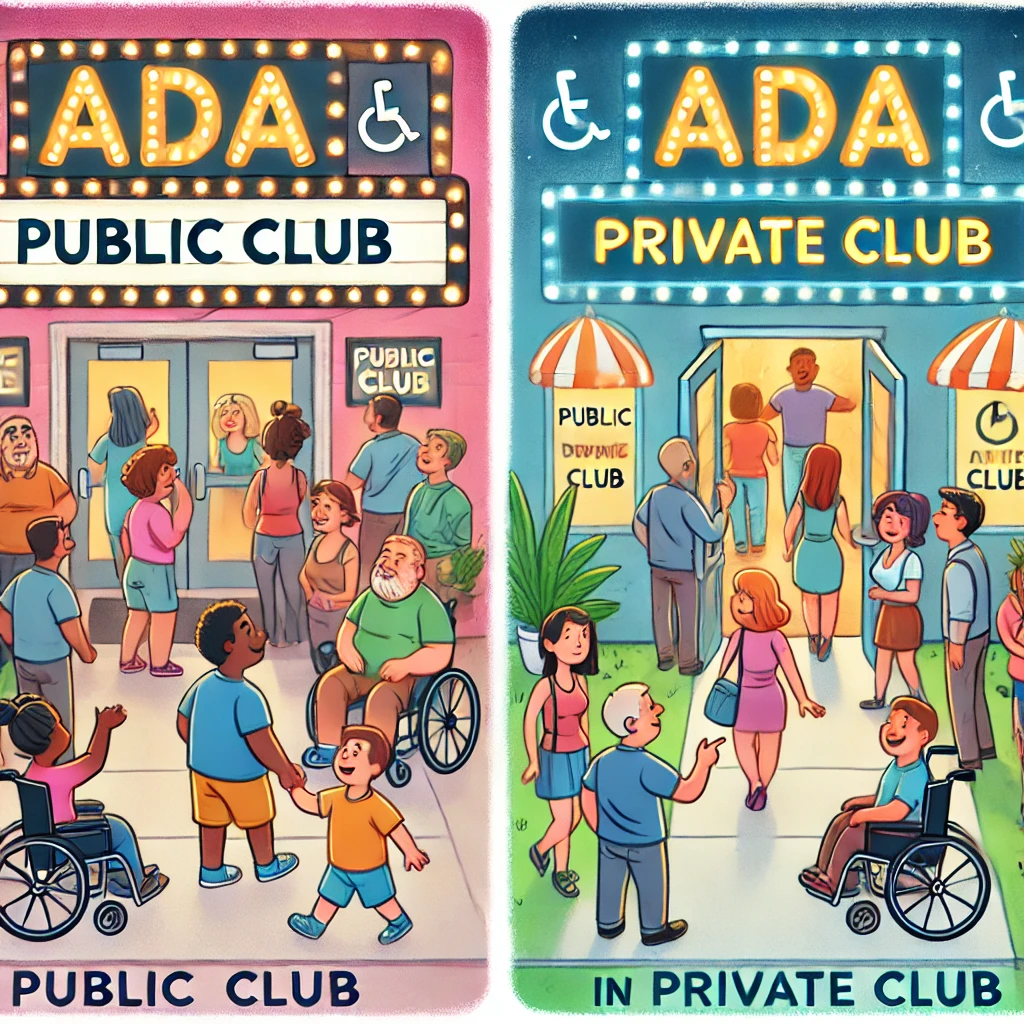
To comprehend the ADA’s impact on public and private clubs, one must first understand the distinction between the two. Public clubs are generally open to the public and may include facilities like community centers, fitness clubs, and country clubs that offer memberships to anyone willing to pay. These establishments are typically subject to the full scope of ADA regulations.
Private clubs, on the other hand, are more selective in their membership criteria. These could include exclusive country clubs, fraternal organizations, and lodges. Private clubs may not be bound by the same obligations under the ADA, provided they meet certain conditions that classify them as “private.”
To be considered a private club, an establishment must genuinely restrict its membership, usually through a selective process, and not operate primarily as a commercial entity open to the general public. Additionally, private clubs often maintain a certain degree of social exclusivity and are controlled by membership rather than by external, commercial interests.
Understanding whether a club is public or private is the foundational step in determining the extent to which the ADA’s protections apply. The next sections aim to clarify these protections and obligations in greater detail.
Public Clubs and ADA Compliance
Public clubs, by virtue of their open access policies, fall under the ADA’s Title III, which pertains to public accommodations. This means they are required to adhere to all ADA standards, including making their facilities accessible to individuals with disabilities.
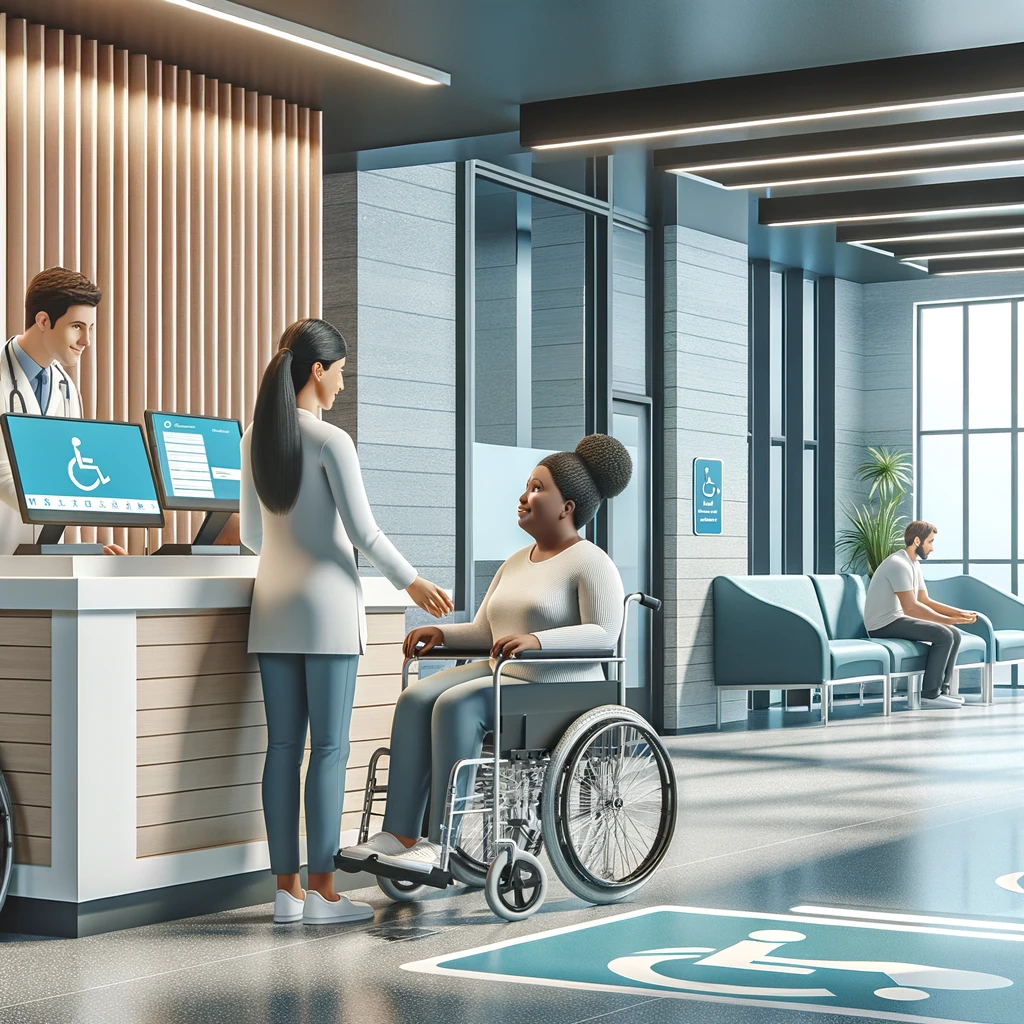
This compliance involves several key areas: physical access, communication, and reasonable modifications to policies. For physical access, it means that barriers to entry must be removed, and architectural standards must be met, including ramps, elevators, and accessible restrooms. Communication access requires that auxiliary aids and services be provided when needed, such as sign language interpreters or Braille materials.
Reasonable modifications to policies, practices, and procedures must be made to permit individuals with disabilities to participate fully in the activities and offerings of the club. For instance, if a community theater club has a no-pet policy, making an exception for service animals would be necessary under the ADA.
It’s also worth noting that public clubs cannot charge individuals with disabilities extra for necessary accommodations. Adherence to these guidelines not only ensures legal compliance but fosters an inclusive environment reflective of a fair and just society.
Private Clubs and ADA Exemptions
Private clubs enjoy certain exemptions under the ADA, primarily based on their membership structures and selectivity. Because they are not open to the general public and typically regulate their membership through invitation or application, they are not generally classified as public accommodations.
However, it is essential to recognize that these exemptions are not absolute. If parts of a private club’s services or facilities are opened to non-members or the general public (e.g., renting out the club for public events), those parts must comply with ADA standards during the public access period.
Moreover, employment-related provisions under Title I of the ADA still apply to private clubs—the act prohibits employment discrimination against individuals with disabilities and mandates reasonable accommodations within the workplace.
While private clubs enjoy specific leeways, it is prudent for these establishments to consider broader accessibility policies voluntarily. Doing so can prevent potential litigation and promote an inclusive culture. Additionally, as societal perspectives on inclusiveness evolve, clubs that proactively adopt accessibility measures may find themselves at an advantage in maintaining reputation and membership appeal.
Legal Obligations and Best Practices
Understanding legal obligations under the ADA is just the starting point. Implementing and maintaining compliance requires ongoing effort and commitment. Here are some best practices for both public and private clubs to consider:
- Conduct Regular Accessibility Audits: Regularly assess your facilities and services to ensure they meet ADA standards. Engage certified ADA consultants if necessary.
- Foster an Inclusive Culture: Train staff and members on ADA requirements and the importance of inclusivity. Create an environment where accessibility is a shared value.
- Facilitate Open Communication: Establish clear channels for individuals with disabilities to provide feedback and request accommodations.
- Document and Review Policies: Keep detailed records of your accessibility policies, procedures, and any modifications made. Periodically review and update them.
- Stay Informed: ADA regulations can evolve. Stay updated on any changes to ensure your club remains in compliance.
Real-life Examples and Case Studies
Illustrating the application of ADA protections through real-life examples and case studies can provide valuable insights. Consider the well-documented case of the U.S. Department of Justice (DOJ) settlement with a national gym chain over ADA violations. The gym was required to renovate its facilities to ensure they were accessible, including the installation of elevators and modifications to locker rooms and exercise equipment.
In another example, a private country club voluntarily decided to implement ADA standards across all its facilities, even though certain areas were not legally required to do so. This proactive approach not only prevented potential legal challenges but also attracted a more diverse membership and positive public perception.
Case studies highlight the challenges and benefits experienced by various establishments in implementing ADA standards. They offer practical insights and underscore the importance of compliance, not merely as a legal requirement but as a commitment to social equity and inclusion.
Analyzing these examples can provide inspiration and guidance for other clubs navigating ADA requirements. They demonstrate that accessibility efforts are both attainable and beneficial, even beyond the scope of legal compliance.
Conclusion
In understanding ADA protections for public and private clubs, it becomes clear that accessibility is not just a regulatory requirement but a cornerstone of an inclusive society. While public clubs are generally required to adhere fully to ADA guidelines, private clubs enjoy certain exemptions but still benefit from adopting inclusive practices voluntarily.
Ensuring accessibility involves a comprehensive approach—assessing physical barriers, providing communication aids and services, and modifying policies as needed. Compliance should be seen as an ongoing commitment rather than a one-time effort. Conducting regular audits, training staff, and staying informed about regulatory changes are integral parts of this process.
Moreover, the benefits of ADA compliance extend beyond avoiding legal repercussions. Clubs that prioritize inclusivity often find that they foster a more welcoming environment, attract a diverse membership and enhance their community reputation. Real-life examples and case studies underscore that embracing accessibility is both a practical and ethical choice.
In conclusion, whether a club is public or private, understanding and implementing ADA protections are vital steps toward creating equitable and inclusive spaces for all. As we collectively move towards a more inclusive society, the principles embodied in the ADA will continue to serve as a guiding framework for ensuring that no one is left behind.
Frequently Asked Questions
1. What is the purpose of the Americans with Disabilities Act (ADA) in relation to public and private clubs?
The Americans with Disabilities Act (ADA) was enacted in 1990 to ensure that individuals with disabilities are afforded the same rights and opportunities as everyone else. This includes protection from discrimination and access to various domains such as employment, state and local government, and public accommodations. When it comes to public and private clubs, the ADA aims to break down barriers that prevent people with disabilities from participating fully in these environments.
Public clubs are usually part of the ordinary, everyday activities available to everyone, such as clubs that meet at community centers, public parks, or libraries. Private clubs might meet on private property and might have membership dues or other barriers to entry, yet if they are not exclusively restricted and operate in a way that engages the broader community, they too might be subject to ADA guidelines. The main objective of the ADA in such settings is to allow individuals with disabilities to have equal opportunities to join, participate, and enjoy the benefits offered by these clubs.
2. How do the ADA guidelines apply to public versus private clubs?
Public clubs are generally subject to ADA regulations. Any club that is open to the public, regardless of whether there is a membership fee, must adhere to the standards set out in the ADA. This means that they should ensure accessibility by removing architectural barriers and making reasonable accommodations for individuals with disabilities, such as providing assistive aids or services.
Private clubs, on the other hand, may not be as clearly affected by the ADA. The distinction usually depends on how the club operates. For example, if a club is exclusive to members and not generally open to the public, such as certain country clubs or social organizations that are strictly member-only with internal governance and no substantial interaction with the general public, it may be exempt from ADA requirements. However, if a private club opens its facilities for public use, such as renting out premises for events or social gatherings that the general public can attend, it may then fall under ADA regulations. Each club needs to evaluate its operations and membership policies to see if it falls under ADA guidelines.
3. What are “reasonable accommodations” in the context of clubs that are impacted by the ADA?
“Reasonable accommodations” refer to necessary and appropriate modifications and adjustments that do not impose a disproportionate or undue burden, in order for individuals with disabilities to have equal opportunities to participate in club activities. For public clubs, these accommodations might include physical modifications to make the space accessible, like adding ramps or elevators, installing automatic doors, or providing accessible restrooms. Non-physical accommodations might include providing sign language interpreters, assistive listening devices, or making written materials available in accessible formats such as Braille or large print.
For private clubs that are subject to ADA due to their operation, similar accommodations should be made. The main goal of reasonable accommodations is to ensure that people with disabilities have the same access and enjoy the same opportunities as nondisabled members and participants. Clubs should actively engage with members who require accommodations to understand their specific needs and make those modifications that allow full participation.
4. Can a club be penalized for non-compliance with the ADA, and what might such penalties entail?
Yes, clubs that are required to adhere to ADA guidelines but fail to do so can face significant penalties. The ADA is enforced by multiple agencies, including the Department of Justice for public accommodations and commercial facilities, and the Equal Employment Opportunity Commission for employment. If a club is found to be non-compliant, they may be subject to investigations, lawsuits, and financial penalties. This can include damages for individuals who have been discriminated against, as well as civil penalties imposed by the government.
For a public or private club under ADA regulation, maintaining compliance is necessary to avoid these costly and reputational damages. It is advisable for clubs to proactively assess their facilities, policies, and practices to ensure they are adhering to ADA requirements. They should also work collaboratively with individuals with disabilities to address any issues and find appropriate solutions before legal action becomes necessary.
5. In what ways can clubs proactively ensure compliance with the ADA and support their members with disabilities?
To proactively ensure compliance with the ADA, clubs need to conduct thorough evaluations of their facilities and policies to identify any barriers to accessibility. They should engage accessibility consultants if necessary to pinpoint and address both physical and attitudinal barriers. Regular training for staff and management about disability awareness and ADA compliance is also crucial, ensuring that everyone involved in the club is informed and proactive in upholding these rights.
Clubs should create an inclusive environment by seeking regular feedback from members with disabilities and considering their suggestions for accessibility improvements. Establishing a consistent method for members to request accommodations is also a key part of supporting these individuals and can help to preemptively address potential issues.
Moreover, clubs should continuously evaluate their communication methods, ensuring that all communications to members are accessible, and seek to foster a community culture that values diversity and inclusion. By making these points integral to their operational ethos, clubs can not only comply with the ADA but also demonstrate leadership in creating welcoming, accessible environments for all members.