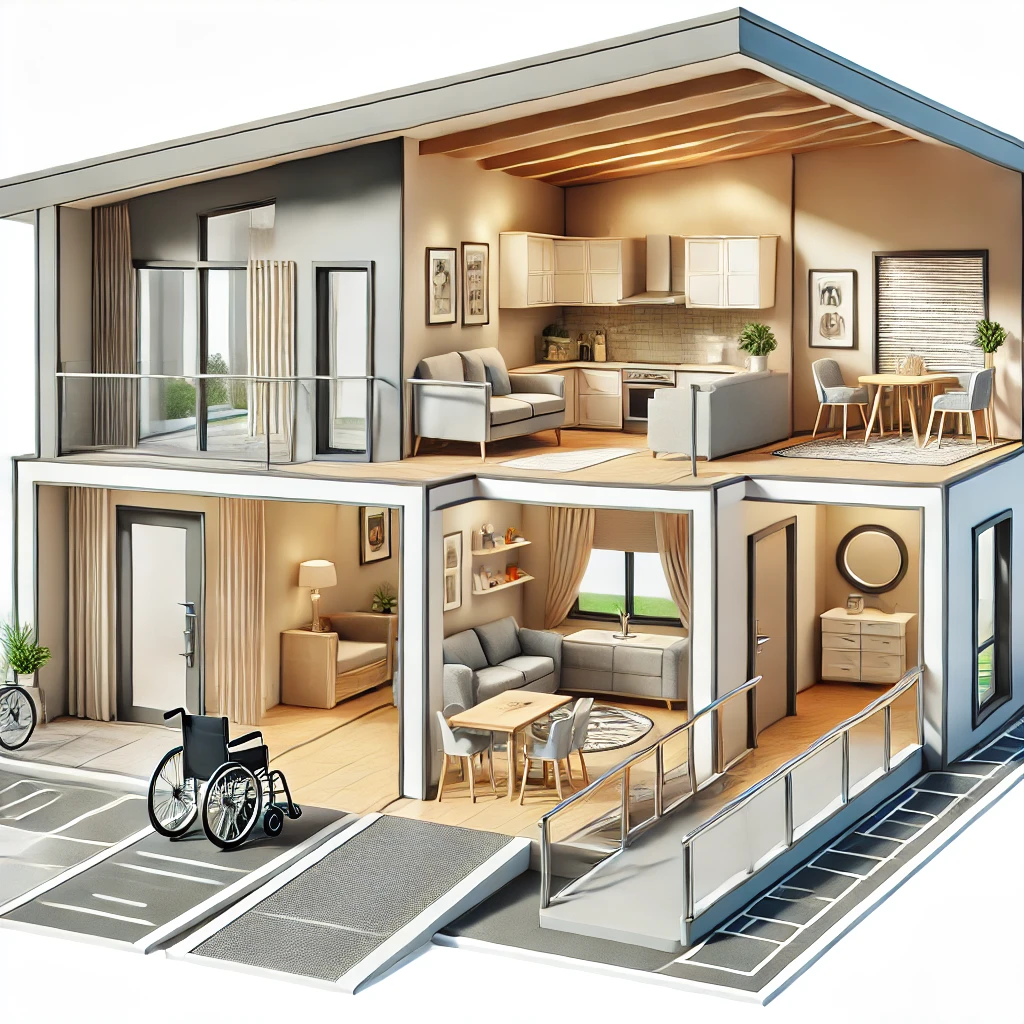
The Americans with Disabilities Act (ADA) is a groundbreaking civil rights law that aims to eliminate discrimination against individuals with disabilities. Title III of the ADA focuses on public accommodations, mandating that facilities open to the public must be accessible to people with disabilities. This aspect of the ADA ensures that everyone, regardless of their abilities, can fully participate in societal activities without facing physical barriers. However, achieving this inclusivity often necessitates addressing architectural barriers that could impede access.
Introduction
Understanding and rectifying these architectural barriers is crucial not only for legal compliance but also for fostering an inclusive and equitable environment for all. In this article, we’ll delve into the specifics of ADA Title III with a focus on identifying, understanding, and mitigating the architectural barriers that most commonly hinder accessibility. From historical buildings to modern structures, the principles of ADA compliance and universal design play significant roles in shaping how spaces are configured to accommodate everyone.
Whether you are a business owner, architect, planner, or someone keen on promoting accessibility, understanding the architectural requirements of Title III can provide valuable insights. We’ll discuss the common types of barriers, the legal framework surrounding ADA compliance, and actionable steps to ensure your space meets the necessary standards. Through a mix of practical advice, regulatory guidelines, and real-world examples, this article aims to be your comprehensive guide to navigating the complexities of ADA Title III concerning architectural barriers.
The Architectural Barriers and Their Impact
Architectural barriers refer to physical features that limit or prevent people with disabilities from accessing services, goods, and activities. These barriers can take various forms, from steps and narrow doorways to inadequate bathroom facilities and poorly designed parking spaces. One of the primary objectives of Title III is to eliminate these barriers, but understanding their impact is imperative to creating a truly accessible environment.
For instance, entrances without ramps can make it impossible for wheelchair users to enter a building. Narrow doorways that do not accommodate mobility devices restrict access to rooms and services. Bathrooms without grab bars or with poorly designed stalls can prevent safe use by individuals with mobility impairments. Even elements such as high countertops and poorly labeled signs can pose significant challenges.
These barriers not only limit physical access but also contribute to a sense of exclusion and frustration among individuals with disabilities. The presence of architectural barriers reinforces societal inequities by perpetuating environments that are not designed to accommodate all citizens. Recognizing and addressing these barriers is a fundamental step in adhering to ADA Title III and promoting a culture of inclusivity.
The impact of architectural barriers extends beyond individuals; it also affects businesses and communities. Non-compliance with ADA regulations can result in legal repercussions, fines, and damage to the business’s reputation. Moreover, by failing to provide accessible environments, businesses miss out on potential customers and employees who could contribute significantly to their growth and success.
Legal Framework and Compliance
The legal framework for ADA Title III compliance is comprehensive, outlining specific requirements and standards for public accommodations. The ADA Standards for Accessible Design provide detailed guidelines on how facilities should be constructed or modified to ensure accessibility for individuals with disabilities. These standards cover a wide range of elements, including entrances, exits, pathways, restrooms, and signage, among others.
Compliance with these standards is mandatory for new constructions and significant alterations to existing buildings. However, existing facilities must also remove architectural barriers when it is readily achievable to do so, without causing undue financial or administrative burden. This concept of “readily achievable” takes into account the nature and cost of the barrier removal relative to the size and resources of the business.
To meet these requirements, businesses and facility owners often need to conduct accessibility audits, which involve a thorough assessment of the premises to identify existing barriers. These audits help to pinpoint areas that need modifications and provide a roadmap for achieving compliance. It’s essential to engage qualified professionals who are knowledgeable about ADA standards to ensure that modifications are accurately executed.
In addition to federal regulations, businesses must stay informed about state and local accessibility laws, which may impose additional requirements. Both proactive and reactive approaches are necessary to maintain compliance, meaning that regular reviews and updates to facilities are crucial. Ignorance or negligence of ADA requirements is not a defense against violations, making ongoing education and vigilance key components of ADA adherence.

Common Architectural Barriers and Solutions
Addressing common architectural barriers involves both identifying the issues and implementing practical solutions that align with ADA standards. Several barriers are frequently encountered, each with specific approaches to resolution.
- Entrances and Exits: Stairs at entrances can be replaced or supplemented with ramps that are designed with the appropriate incline. Automatic doors can assist individuals who have difficulty with manual ones.
- Pathways and Corridors: Inadequate width can be a significant barrier in hallways and pathways. Ensuring these are at least 36 inches wide allows for proper navigation by wheelchair users.
- Restrooms: Accessibility in restrooms requires adequate stall space, grab bars, and lower sinks to accommodate wheelchair users. Lever handles on faucets are more accessible than traditional knobs.
- Parking Facilities: Designated accessible parking spots must be clearly marked and located close to entrances. These spots should have adjacent access aisles to facilitate the use of mobility aids.
- Signage and Informational Displays: Clear, high-contrast signage with braille aids individuals with visual impairments. Audio cues and tactile maps can also enhance accessibility.
Each solution requires careful consideration and implementation to make sure it complies with the ADA standards. Regular training for staff on how to maintain and monitor these features is also vital to ensure ongoing compliance and usability.
The Role of Universal Design
Universal design is an evolving concept that plays a critical role in enhancing accessibility in public accommodations. Unlike designs that solely aim to meet the minimum legal requirements of ADA Title III, universal design strives to create environments that are inherently accessible to all people, regardless of their abilities or disabilities.
Universal design principles focus on simplicity, flexibility, and user-friendliness. For instance, an entrance ramp designed with universal principles would not only accommodate wheelchair users but also benefit parents with strollers, delivery personnel with carts, and individuals with temporary injuries. The idea is to create spaces that cater to the diverse needs of the public, eliminating the need for additional modifications or accommodations.
Implementing universal design can involve several practical measures. These may include installing motion-activated doors, providing adjustable-height counters, offering multiple types of seating options, and incorporating clear wayfinding systems that assist all users. In the context of restrooms, this might mean designing stalls that are spacious and equipped with features like automatic flushing and sinks that can be operated without touch.
The advantages of universal design extend beyond accessibility. By creating inclusive environments, businesses can enhance customer satisfaction, attract a broader customer base, and foster a positive public image. Moreover, universal design can improve safety and convenience for everyone, contributing to a more welcoming and efficient space.
Steps for Achieving Compliance
Achieving ADA Title III compliance involves a series of strategic steps to ensure that public accommodations are accessible and inclusive. While the process can be complex, it is manageable with careful planning and execution.
- Conduct an Accessibility Audit: Start with a thorough assessment of the existing facilities to identify any barriers to accessibility. This audit should be conducted by professionals familiar with ADA standards.
- Develop an Action Plan: Based on the audit results, create a detailed plan outlining the steps needed to remove identified barriers. Prioritize actions based on their impact on accessibility and feasibility.
- Engage Stakeholders: Involve key stakeholders such as architects, contractors, staff, and representatives from the disability community in the planning and implementation processes.
- Implement Changes: Carry out the necessary modifications to the facility. Ensure that all changes adhere to ADA standards and address both the physical and functional aspects of accessibility.
- Educate and Train Staff: Ensure that staff members are trained on ADA compliance and best practices for assisting individuals with disabilities. Regular training helps maintain a culture of accessibility.
- Regular Monitoring and Maintenance: Continuous monitoring and upkeep of accessibility features are essential. Regular reviews and updates ensure that the facility remains compliant and accessible.
Following these steps can help facilities achieve and maintain ADA Title III compliance, fostering an environment where everyone can access and enjoy public accommodations. The commitment to accessibility is an ongoing process that benefits both businesses and the community at large.
Conclusion
The Americans with Disabilities Act (ADA) Title III is a vital component of the broader effort to foster an inclusive and accessible society. By addressing architectural barriers in public accommodations, we not only comply with legal requirements but also create environments where individuals with disabilities can participate fully and equitably.
Removing architectural barriers, whether through compliance with ADA standards or adopting the principles of universal design, requires commitment, planning, and action. It involves understanding the diverse needs of the community and striving to create spaces that are welcoming and accessible to all. The journey towards accessibility is ongoing, with regular evaluations and updates necessary to keep pace with evolving standards and technologies.
Businesses and facility owners play a crucial role in this mission. By embracing accessibility, they not only adhere to legal mandates but also demonstrate a commitment to social responsibility and inclusivity. The benefits of creating accessible environments extend beyond mere compliance—they enhance the overall experience for all users, foster goodwill, and open up new opportunities for engagement and growth.
As we move forward, it is essential to keep the principles of inclusivity and accessibility at the forefront of our planning and design efforts. By doing so, we contribute to a society where all individuals, regardless of their abilities, have the equal opportunity to participate, thrive, and achieve their potential. Understanding and addressing architectural barriers in ADA Title III is a foundational step in building such a society.
Frequently Asked Questions
1. What is an architectural barrier under ADA Title III?
Architectural barriers under ADA Title III refer to physical obstacles in public buildings and spaces that restrict access or use by individuals with disabilities. These barriers can include steps without ramps, narrow doorways, inaccessible restrooms, high service counters, and lack of proper signage. The goal of ADA Title III is to ensure these environments are accessible to everyone, which often involves modifying existing structures or ensuring new constructions are designed with accessibility in mind. Addressing architectural barriers is a crucial step towards equality, allowing individuals with disabilities to engage more fully in their communities, access services, and enjoy the same opportunities as non-disabled individuals.
2. Who is responsible for removing architectural barriers in public accommodations?
Under ADA Title III, the responsibility of removing architectural barriers falls on the owners and operators of public accommodations. This includes businesses and facilities like hotels, restaurants, theaters, retail stores, and other public venues. These entities must evaluate their properties for potential barriers and take necessary steps to remove them to ensure accessibility. This might involve investing in physical modifications, such as installing ramps, widening doorways, or retrofitting restrooms. It is not just a legal obligation but also a commitment to inclusivity and customer service, welcoming customers of all abilities and expanding their client base.
3. Are there any exemptions to the requirement of removing architectural barriers?
Yes, there are certain exemptions under ADA Title III when it comes to removing architectural barriers. One significant exemption is when the removal of such barriers is not “readily achievable.” “Readily achievable” means that the modifications are easily accomplishable and able to be carried out without much difficulty or expense. Factors like the nature and cost of the modifications, the overall financial resources of the business, and the impact on the operation of the facility are considered. However, it’s crucial for businesses to carefully assess these factors and not to presume exemptions without thorough examination and documentation of the situation.
4. How can small businesses comply with ADA Title III regarding architectural barriers?
Small businesses can comply with ADA Title III by taking proactive steps to identify and remove architectural barriers. Initially, they should conduct an accessibility audit of their premises to pinpoint existing barriers. Once identified, businesses should prioritize modifications that can be easily and affordably implemented, such as installing entryway ramps, lowering counters, or adding accessible signage. It’s also beneficial for small businesses to engage with disability advocacy groups or accessibility consultants for advice and to ensure they are on the right track. Compliance doesn’t happen overnight; however, steady, deliberate actions towards removal of barriers can make a significant difference for accessibility.
5. What resources are available to help understand and implement changes for ADA compliance?
A number of resources are available to assist businesses in understanding and implementing changes for ADA compliance. The ADA National Network provides comprehensive information and technical assistance about the Americans with Disabilities Act. The Department of Justice ADA Information Line offers direct support and will answer specific questions regarding ADA requirements and standards. Additionally, many local and state governments have offices dedicated to disability services which can provide guidance. Online resources and publications also elaborate on ADA standards, and engaging with professional accessibility consultants can offer expert analysis and customized solutions for particular needs. Proactively utilizing these resources empowers businesses to create more inclusive environments.


