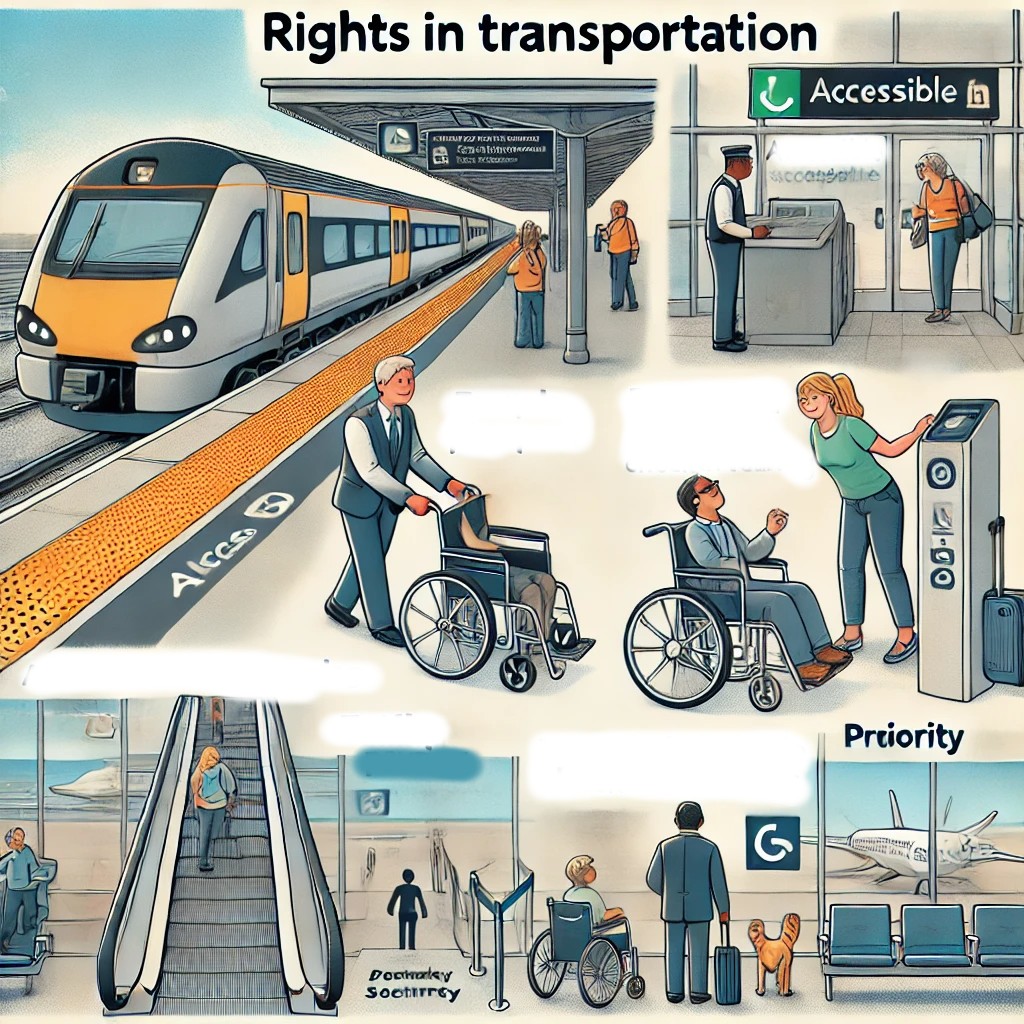
Entertainment venues like cinemas, theaters, and concert halls are essential for providing cultural enrichment, relaxation, and collective enjoyment. For people with disabilities, the Americans with Disabilities Act (ADA) ensures access to these forms of entertainment without facing undue hardship or restrictions. Understanding these rights is critical for patrons, venue owners, and employees alike. This article offers a comprehensive guide to understanding basic rights under the ADA in entertainment venues.
Introduction
The Americans with Disabilities Act (ADA), enacted in 1990, was a landmark civil rights law designed to prohibit discrimination against individuals with disabilities in all areas of public life, including employment, education, transportation, and public accommodations. One area where the ADA has had a significant impact is in the realm of entertainment. Cinemas, theaters, and concert halls must all comply with regulations to ensure that people with disabilities can enjoy these venues just like anyone else.
Before the ADA, many entertainment venues posed various challenges for individuals with disabilities. Physical barriers, lack of accessible seating, and insufficient auxiliary aids were just some of the hurdles. Today, nearly three decades after the ADA was signed into law, entertainment venues have vastly improved their accessibility features, although there is always more work to be done to ensure full compliance.
In this article, we will delve into the basic rights guaranteed under the ADA, how these rights apply to cinemas, theaters, and concert halls, and ways these venues are evolving to become more inclusive. From architectural standards to available aids and services, understanding these rights is crucial for patrons seeking an inclusive experience and for stakeholders aiming to provide it.
Basic Architectural Standards
The ADA sets forth specific architectural standards that entertainment venues must adhere to in order to be considered accessible. These standards encompass aspects such as seating arrangements, pathways, restrooms, and parking facilities. For example, the ADA mandates that venues must provide a certain number of wheelchair spaces based on the capacity of the venue. There should also be companion seats for those attending with family or friends.
Pathways within theaters, cinemas, and concert halls must be navigable for people with mobility impairments. This includes ramps and elevators where there are staircases, wide enough corridors, and doors that can be easily opened or are automated. Restrooms must also have accessible stalls, sinks that are reachable, and grab bars for safety.
Parking is another crucial area of compliance. Venues must feature a specified number of accessible parking spaces, often located closest to the entrance. These spaces should be of adequate width to allow for the easy transfer of wheelchairs or other mobility aids. Compliance with these architectural standards makes it easier for patrons with disabilities to enjoy their favorite entertainment without facing physical barriers.
Audiovisual Accessibility
One of the key areas where entertainment venues must comply with the ADA is in audiovisual accessibility. Cinemas, theaters, and concert halls need to provide aids that make performances and movies accessible for individuals who are deaf, hard of hearing, blind, or have low vision. This includes options like captioning services and audio description devices.
In cinemas, closed captioning devices are commonly available, displaying text on a personal screen. Open captioning, where text is visible to everyone in the audience, might also be offered during specific showings. Additionally, assistive listening devices amplify the sound for those who are hard of hearing. Theaters and concert halls often provide similar devices and may also feature sign language interpreters or real-time captioning during live performances.
For those with visual impairments, audio description is a critical service. This involves a narrator describing key visual elements, enabling individuals to comprehend the action, settings, and on-screen text they cannot see. Audio description devices can be easily obtained at most modern entertainment venues, enhancing the experience for those with visual disabilities.
Service Animals
The ADA provides regulations concerning the use of service animals in entertainment venues, ensuring that patrons who rely on these animals for various disabilities can bring them along. Service animals are trained to perform tasks directly related to the person’s disability, such as guiding the visually impaired, alerting the deaf, pulling wheelchair users, or alerting and protecting individuals during seizures.
Entertainment venues must allow service animals into any area where the public is admitted. They may not require documentation for the animal, nor can they charge additional fees for their presence. However, the animal must be under control at all times, and the venue may ask the patron to remove the service animal if it is out of control and the handler does not take effective action, or if the animal poses a direct threat to the health and safety of others.
All staff should be trained to understand and handle situations involving service animals appropriately. Clear signage and information should also be available, outlining the rights of patrons with service animals and the venue’s policies.
Ticketing Policies
The ADA also encompasses ticketing policies to ensure that individuals with disabilities have the same opportunities to purchase and enjoy tickets as anyone else. This involves accessible ticket sales, pricing, purchasing methods, and seating arrangements. Venues are required to provide accessible seating that is equivalent in quality, location, and price to general seating.
When it comes to purchasing, accessible seating should be available through the same sales channels that are used for all other tickets. This includes telephone, internet, and in-person sales. Ticket sellers should understand the requirements for accessible seating and be able to address specific needs, such as auxiliary aids you might need during the event.
During the sale, venues may not ask for proof of a disability. If a patron requests accessible seating and qualifies for discounts or promotions available to the general public, the same discounts or promotions must be applicable. Clear policies should be communicated for re-selling or transferring accessible tickets, ensuring that they remain available for those who genuinely need them.
Emergency Procedures
When planning for emergency situations, it is crucial for entertainment venues to consider the needs of patrons with disabilities. The ADA requires venues to implement comprehensive emergency evacuation plans that accommodate all individuals, including those with physical, sensory, or cognitive disabilities.
Venues should have clearly marked accessible evacuation routes and well-trained staff to assist with the evacuation of individuals with disabilities. This includes the availability of evacuation devices for individuals using wheelchairs and ensuring that audible alarms are supplemented with visual alarms for those hard of hearing. Staff should be trained on how to assist patrons with disabilities appropriately during an emergency.
Information on emergency procedures should be readily available and communicated in accessible formats. Venues can incorporate technology, such as mobile apps, to disseminate emergency information quickly and effectively to all patrons, ensuring their safety in times of need.
Training and Awareness
One of the key elements in ensuring compliance with the ADA in entertainment venues is the ongoing training and awareness of all staff members. Employees should be well-versed in ADA requirements and understand the best practices for accommodating patrons with disabilities.
Regular training sessions can cover a wide range of topics, including communication techniques, assisting individuals with various types of disabilities, and using specific auxiliary aids like captioning devices and assistive listening systems. Role-playing scenarios and customer service training are also valuable in preparing staff to handle real-world situations effectively.
Additionally, it is beneficial to keep staff updated on any changes or improvements to the venue’s accessibility features. This ensures that everyone, from ticket sellers to ushers and security personnel, is knowledgeable about the resources available to patrons with disabilities and can provide informed assistance.
Awareness initiatives, such as providing accessible information formats on websites and during pre-event communications, can further enhance the overall experience for patrons. Collaboration with advocacy groups and feedback from patrons with disabilities can help venues continually improve their services and maintain ADA compliance.
Conclusion
The Americans with Disabilities Act (ADA) has paved the way for significant improvements in the accessibility of entertainment venues, ensuring that people with disabilities can enjoy cinemas, theaters, and concert halls just like everyone else. By understanding and implementing the ADA’s requirements, both patrons and venue operators can contribute to a more inclusive and equitable cultural landscape.
From adhering to architectural standards to providing necessary auxiliary aids and devising comprehensive emergency procedures, entertainment venues have a responsibility to ensure equal access for all. The ongoing training and awareness of staff, as well as robust ticketing policies and service animal accommodations, further support the seamless inclusion of individuals with disabilities.
As we move forward, it is essential for entertainment venues to continue evolving and enhancing their accessibility features. By doing so, they not only comply with the law but also foster an environment of inclusivity and respect, enriching the experiences of all attendees. Understanding and upholding ADA rights in entertainment venues is not just about legal compliance but about creating a society that values and includes every individual, regardless of their abilities.
Frequently Asked Questions
1. What are the primary ADA requirements for accessibility in cinemas, theaters, and concert halls?
Under the Americans with Disabilities Act (ADA), cinemas, theaters, and concert halls must ensure that individuals with disabilities have full access to all the same areas and services as other patrons. This starts with physical access, which means providing wheelchair-accessible entrances, seating, and restrooms. Venue designs must include ramps and elevators where needed, and have seating configurations that include both integrated wheelchair spaces and companion seating. In addition, ADA compliance involves offering auxiliary aids and services, such as audio description and listening devices for patrons who are visually or hearing impaired. Facilities must also ensure that service animals are allowed to accompany their owners. Staff must be trained to assist individuals with disabilities courteously and effectively, ensuring their safety and enjoyment of the entertainment experience without undue hardship.
2. How can someone confirm if their local cinema or theater complies with ADA standards?
If you’re planning to visit a cinema, theater, or concert hall, and want to be sure it meets ADA requirements, a good starting point is to check the venue’s website or contact their customer service department. Many venues list accessibility information online, detailing accommodations such as reserved seating and assistive listening devices. You can ask specific questions related to your needs or concerns over the phone or via email. Additionally, when visiting the venue, observe whether key accessibility features are visibly present, such as clear signage, wide doorways, and accessible seating areas. You can also request a walkthrough or pre-visit from the management to ensure that you will be comfortable and have all your accessibility needs met. Lastly, reviews from other patrons with similar accessibility needs can provide insights into the venue’s compliance and dedication to providing an inclusive experience.
3. What options do people with hearing or visual impairments have at entertainment venues under ADA?
The ADA mandates that entertainment venues provide aids and services tailored to the needs of patrons with hearing or visual impairments. For individuals with hearing impairments, venues typically offer assistive listening devices (ALDs) that amplify the sound from the performance or film, ensuring that they do not miss out on the auditory aspect of the experience. In addition, open or closed captioning systems may be available for movies or live performances to provide text representations of audio content. For those who are visually impaired, audio description services are often employed, providing narrations of visual elements during a performance or movie through personal headsets. Sign language interpreters or real-time transcription services may be required for live performances to ensure the full content is accessible. It’s advisable to reach out in advance to the venue to check the availability of these services and to reserve devices if necessary.
4. Are service animals permitted in cinemas, theaters, and concert halls?
Yes, service animals are permitted in all public venues, including cinemas, theaters, and concert halls, as stipulated by the ADA. These animals are trained to perform specific tasks or provide assistance directly related to an individual’s disability, such as guiding those with visual impairments or alerting the hearing-impaired. Service animals must be allowed to accompany their handler anywhere the general public is allowed. Venue staff should not ask about the specifics of the individual’s disability but may ask if the animal is required because of a disability and what tasks it has been trained to perform. Ensuring seamless access for service animals involves training venue staff to accommodate and assist patrons in locating accessible seating that comfortably fits both the patron and their service animal. Venues are also responsible for maintaining a welcoming environment, such as maintaining unobstructed paths to seating and providing resting areas for service animals.
5. What should a patron do if they encounter accessibility barriers at a venue?
If a patron with disabilities encounters any barriers to accessibility at an entertainment venue, they should first try to address the issue directly with the venue’s management. It’s beneficial to clearly articulate the barrier and how it impacts their experience, referencing ADA guidelines to inform the management of their obligations. Providing solutions or suggestions can be helpful in reaching a quick resolution. If the issue is not resolved or if the venue fails to comply with ADA standards, patrons can file a complaint with the U.S. Department of Justice, Civil Rights Division. This can be done online, in writing, or by phone. Detailed documentation of the visit, including photos, personal notes, and any correspondence with venue staff, should be kept as they can be useful in supporting the complaint. The goal should always be to educate and promote constructive dialogue aimed at ensuring fuller accessibility for everyone in the future.