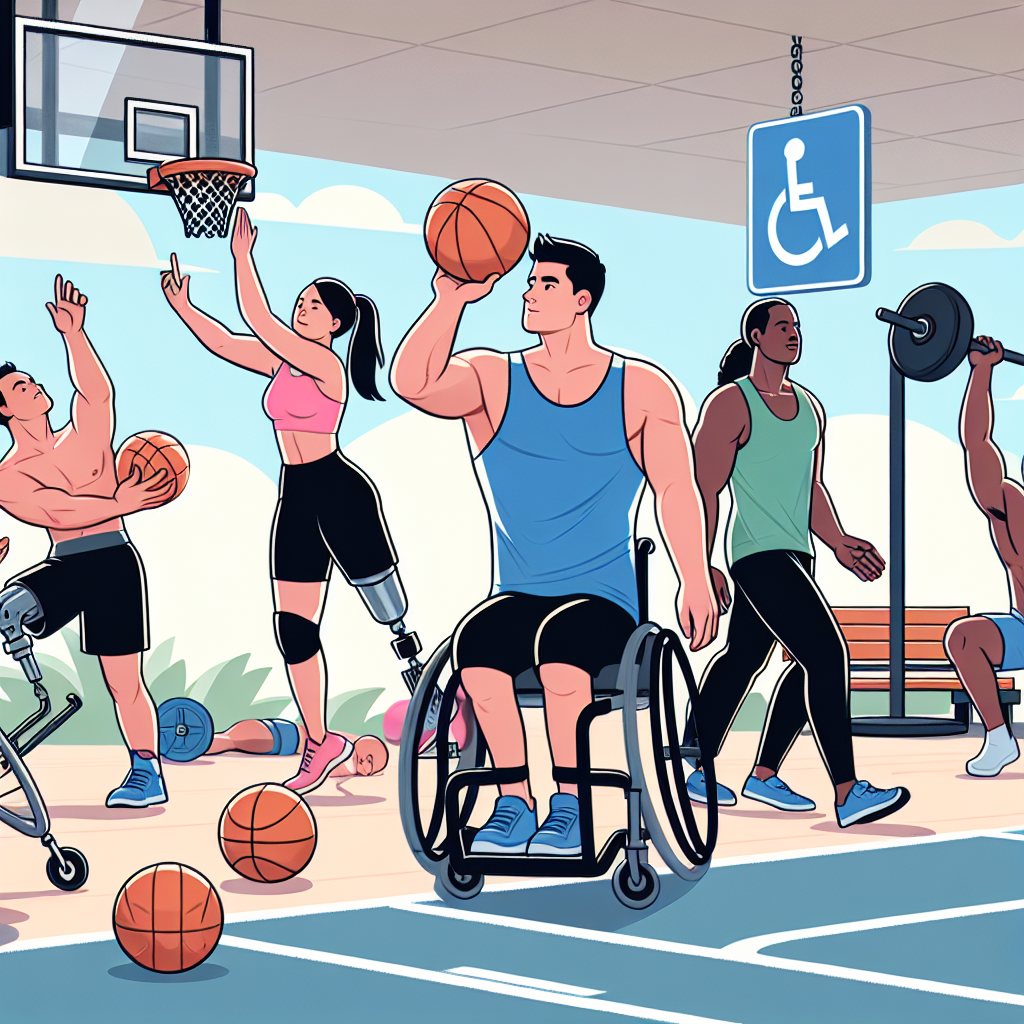
The Americans with Disabilities Act (ADA), alongside Section 504 of the Rehabilitation Act and the Individuals with Disabilities Education Act (IDEA), forms the cornerstone of disability rights in the U.S. educational system. These laws ensure that students with disabilities receive the necessary accommodations and support to access education on an equal basis with others.
Key Provisions of the ADA in Education
The ADA is comprehensive in scope, addressing needs across various life activities and settings, including education. Under Title II of the ADA, public schools and universities are required to provide equal access to their programs and services to people with disabilities. This means that educational institutions cannot deny admission to students based on their disability nor can they segregate them into separate learning environments unless necessary to achieve the best educational outcomes.
In higher education, the ADA ensures that accommodations such as modifications to test formats, the provision of auxiliary aids like sign language interpreters or note takers, and adapted physical environments are available to meet the diverse needs of students with disabilities. These accommodations are facilitated by disability service offices at colleges and universities, which work to tailor support to the individual circumstances of each student.
Accommodations and Universal Design
While accommodations address specific needs of students with disabilities, the concept of universal design (UD) in education seeks to create inclusive settings that improve accessibility for all students. UD involves proactive modifications in teaching practices and campus environments that enhance learning for students with and without disabilities. Despite its benefits, some educational professionals have expressed concerns about fully integrating UD principles, highlighting a lack of training or awareness as significant barriers.
Rights Beyond Education
The ADA also stipulates rights related to non-academic areas such as the use of service animals on campus. Under Titles II and III of the ADA, students with disabilities are allowed to bring their service animals to all areas of a campus where students are normally allowed to go. For residential settings, the Fair Housing Act complements the ADA by permitting broader types of assistance animals, which include emotional support animals, in student housing.
Enforcement and Legal Support
Enforcement of these rights is crucial and is carried out by several federal agencies, including the Office for Civil Rights at the U.S. Department of Education and the Department of Justice. Students or guardians seeking to address violations of disability rights in education can file complaints with these agencies. Furthermore, numerous resources and legal assistance organizations are available to help navigate the specifics of the ADA and ensure compliance by educational institutions.
Understanding and utilizing the rights afforded by the ADA is essential for fostering an inclusive educational environment that respects and accommodates the diverse needs of all students. As educational practices evolve, continued advocacy, education, and awareness of these rights are key to ensuring that students with disabilities can fully participate and succeed in all aspects of academic life.
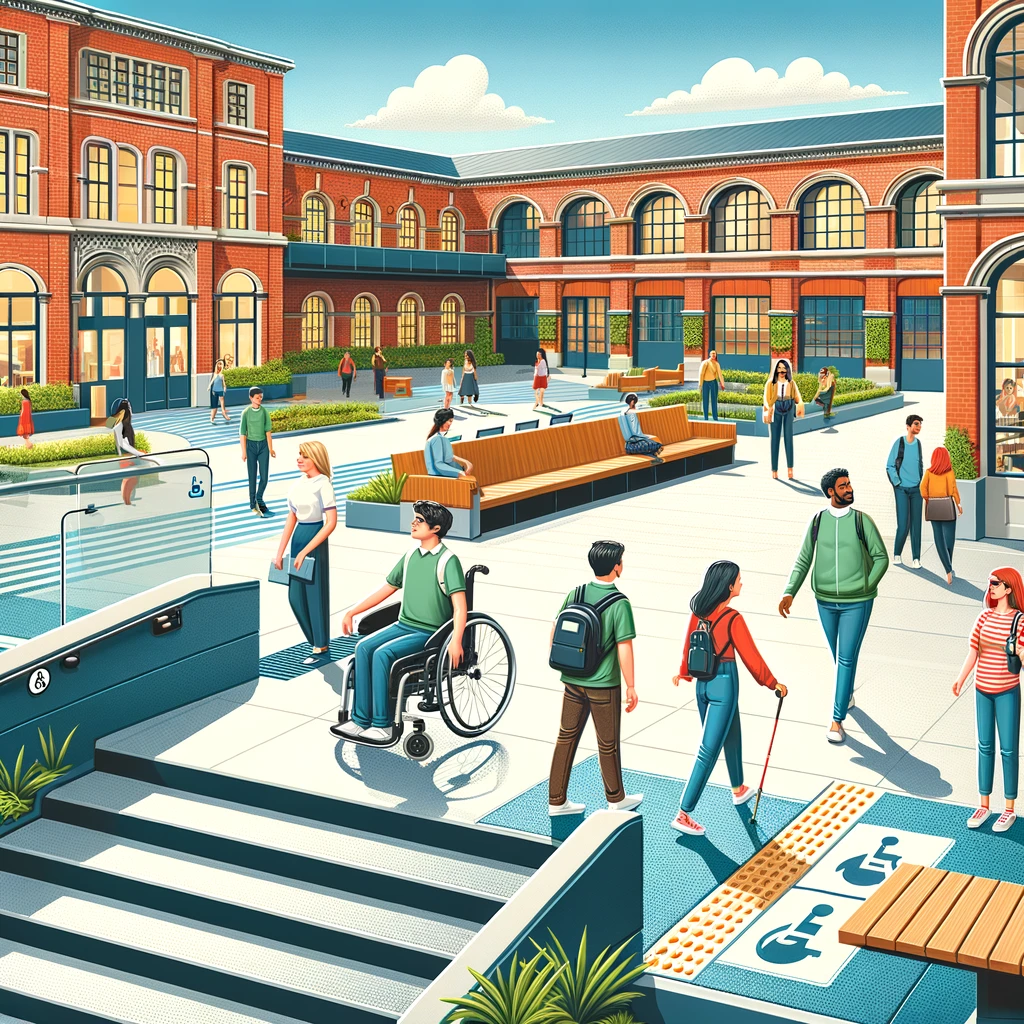
Challenges and Solutions in Disability Rights in Education
While the ADA and related laws have laid a robust foundation for accommodating students with disabilities, several challenges still impact their full implementation. These challenges include the identification of needs, the provision of appropriate accommodations, and ensuring that modifications do not fundamentally alter educational programs.
Identification and Evaluation
One significant issue is the accurate identification and assessment of students who may require accommodations. The ADA and Section 504 mandate that educational institutions identify and evaluate students suspected of having disabilities at no cost to families. However, the complexity and variability of disabilities mean that assessments must be thorough and tailored to individual needs. This process can be resource-intensive and requires specialized training for educators and administrators.
Implementation of Accommodations
The provision of accommodations in educational settings is governed by what is deemed “reasonable.” This includes adjustments that do not impose an undue financial or administrative burden on the institution. However, what is considered reasonable can vary, leading to inconsistencies in how accommodations are provided. Educational institutions often face challenges in balancing the need to accommodate students with the need to maintain the integrity and standards of their academic programs.
Technology and Accessibility
Advancements in technology have introduced both opportunities and challenges for accessibility in education. While digital learning platforms can offer innovative ways to accommodate diverse learning needs, they also require that institutions ensure all digital content is accessible. For instance, online courses must include captioning for videos and screen-reader-friendly materials for visually impaired students. Ensuring compliance with these standards can be a daunting task for many educational institutions.
Universal Design for Learning (UDL)
To address some of these challenges, many advocate for the adoption of Universal Design for Learning (UDL). UDL is a framework that involves designing educational environments and products to be usable by the widest range of students without further adaptation. While UDL has been shown to benefit all students, not just those with disabilities, it requires a shift in how educational content is created and delivered. This shift can be resource-intensive and requires significant professional development for educators.
Advocacy and Future Directions
The role of advocacy is pivotal in advancing the rights of students with disabilities. Advocacy groups and individuals can help ensure that educational policies continue to evolve to meet the changing needs of students with disabilities. Additionally, ongoing research into best practices in education for students with disabilities can provide data-driven insights that help refine legal standards and teaching practices.
Conclusion
The ADA and other disability laws have transformed educational opportunities for students with disabilities, but continuous effort is needed to address ongoing challenges. By understanding these laws and actively participating in advocacy and policy-making, stakeholders can help ensure that all students have equal opportunities to succeed in their educational endeavors.
References
- ADA National Network: https://adata.org
- U.S. Department of Education, Office for Civil Rights: https://www2.ed.gov
- Equip for Equality: https://www.equipforequality.org
Frequently Asked Questions
1. What is the purpose of the Americans with Disabilities Act (ADA) in education?
The Americans with Disabilities Act (ADA), pivotal in shaping disability rights in education, is designed to ensure that individuals with disabilities have equal opportunity in accessing educational opportunities. Its primary purpose is to eliminate discrimination and provide necessary accommodations to students with disabilities. The ADA works in tandem with Section 504 of the Rehabilitation Act and the Individuals with Disabilities Education Act (IDEA) to create an inclusive educational environment. Specifically, the ADA ensures that schools make reasonable modifications to policy, practice, or procedure for individuals with disabilities, which can include modifications to the physical learning environment and the curriculum, as well as providing auxiliary aids and services for effective communication. It covers all educational institutions, regardless of whether they receive federal funding, holding them accountable for creating an accessible learning environment. This means that both public and private schools must comply with the ADA, ensuring that students with disabilities receive the same educational opportunities as their peers.
2. How does the ADA interact with Section 504 and the Individuals with Disabilities Education Act (IDEA)?
The ADA, Section 504 of the Rehabilitation Act, and IDEA often work synergistically to protect the rights of students with disabilities. While the ADA is a civil rights law ensuring non-discrimination regardless of federal funding, Section 504 is a federal law prohibiting discrimination against individuals with disabilities under any program receiving federal assistance. This means any public school or institution that accepts government funds must follow Section 504 mandates, ensuring accommodations are provided that allow students to participate fully in school activities. On the other hand, IDEA focuses specifically on ensuring students with disabilities receive a free appropriate public education (FAPE) tailored to their individual needs, primarily through the development of an Individualized Education Program (IEP). The ADA complements these laws by covering broader aspects of accessibility across all public life, mandating structural accommodations, and levying accountability on both educational and public institutions. Together, these regulations collaborate to cover a comprehensive range of accommodations and educational support systems, ensuring a holistic support network for students with disabilities.
3. What types of accommodations might students receive under the ADA?
Under the ADA, accommodations for students with disabilities can be quite varied, reflecting the diverse needs of these students. Schools might provide physical modifications, such as accessible classrooms, ramps, and special seating arrangements, to ensure that the physical environment does not impede learning. Equally important are academic adjustments, which may include extended time on tests, flexible deadlines, and adapted course materials to cater to different learning needs. Besides these, schools may be required to employ additional resources, such as providing interpreters, note-takers, or braille materials, or utilizing technology to assist students with hearing, visual, or communication disabilities. The goal of these accommodations is to level the playing field, ensuring that students with disabilities are not disadvantaged by their environment and are able to participate equitably in all academic and extracurricular activities.
4. Who is responsible for ensuring ADA compliance in educational settings?
Ensuring ADA compliance is a multi-layered responsibility shared by several parties within an educational institution. At the school level, it starts with administrators and principals, who are tasked with establishing policies that endorse ADA compliance. They must work closely with teachers to identify students who require accommodations and design individualized plans to meet those needs. Support staff, such as counselors and special education coordinators, also play crucial roles in facilitating communication between students, parents, and the school regarding accommodation plans and ensuring they are effectively implemented. Additionally, school boards and educational policy makers must ensure district-wide ADA policies are in place and adhered to across all schools. Schools must also be proactive in training all staff about ADA guidelines and the specific accommodations some students might need, promoting a culture of inclusivity and understanding. Regular monitoring and assessment of current policies can help in evaluating compliance and making improvements where necessary.
5. What should a parent do if they believe their child’s ADA rights are being violated at school?
If a parent believes their child’s ADA rights are being violated, they should first initiate a dialogue with their child’s educators and school administrators to address the concern. Often, issues can be swiftly resolved through open communication and a better understanding of the child’s needs and the school’s obligations. If the issue persists, parents may seek the intervention of the school’s ADA coordinator or the special education department, asking for a formal review of their child’s plan and accommodations. In situations where a resolution is not reached, parents have the right to file a formal complaint with the Office for Civil Rights (OCR) in the U.S. Department of Education. The OCR enforces ADA compliance in schools and can investigate complaints of discrimination. Additionally, some parents may consider legal counsel to ensure their child’s rights under the ADA are enforced. Parents should also be aware of their child’s rights under Section 504 and IDEA, as these legal frameworks can provide additional avenues for securing the necessary support and accommodations.