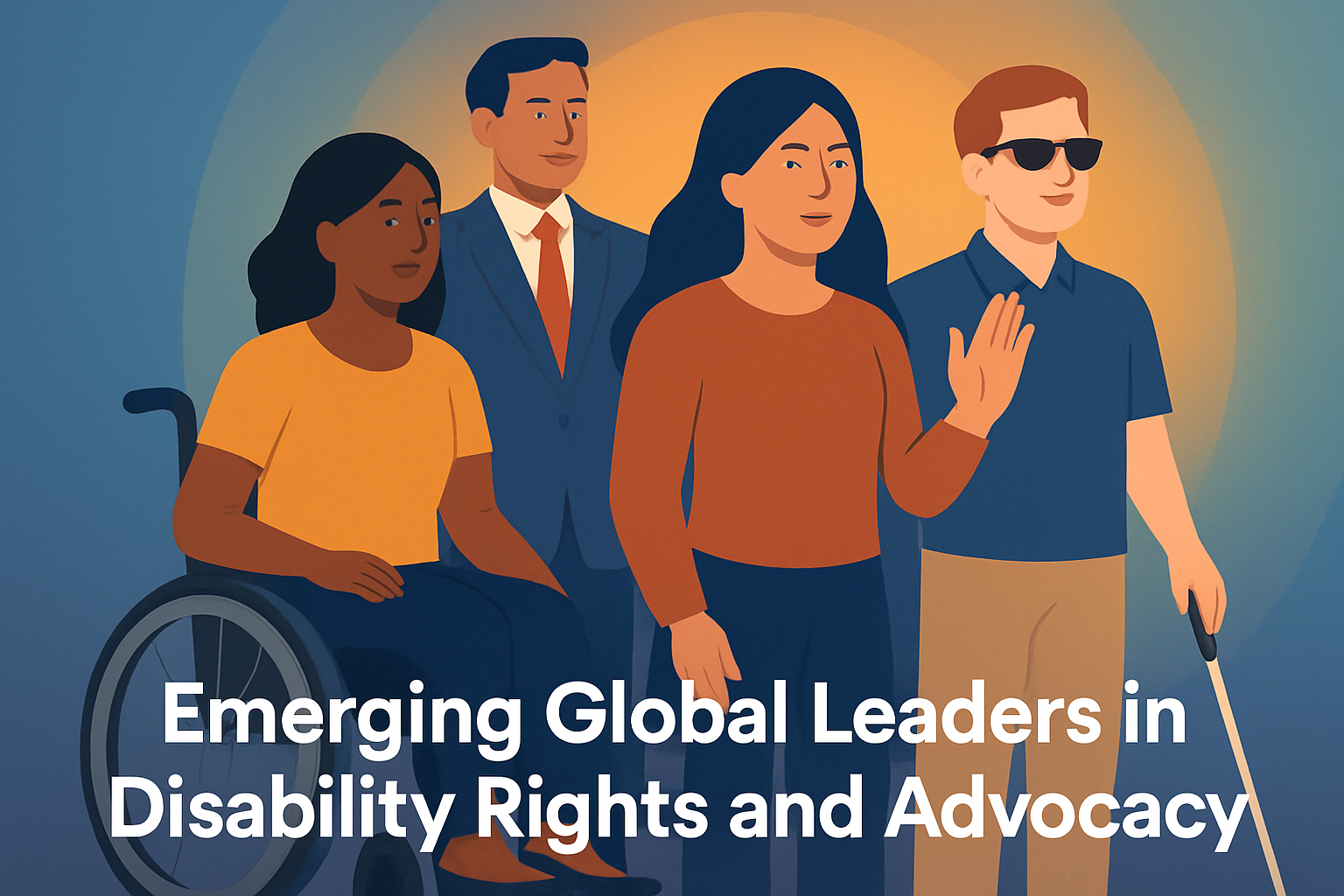
As disability rights continue to evolve in both legal complexity and societal importance, ADA compliance is no longer optional—it’s essential. From hiring practices and workplace accommodations to accessible design and public communication, organizations across the public and private sectors must ensure they meet the standards of the Americans with Disabilities Act (ADA).
But with laws changing, digital accessibility expanding, and enforcement tightening, how do professionals stay informed and compliant?
The answer: trusted ADA training programs.
In this curated guide, we spotlight the top 11 ADA training and workshop programs for 2025—including in-person seminars, virtual sessions, and certificate-based eLearning experiences. Whether you’re a government ADA coordinator, HR leader, architect, or legal counsel, these programs will equip you with the knowledge and tools to ensure full compliance and inclusivity.
1. ADA National Network: ADA Coordinator Training Certification Program (ACTCP)
Provider: ADA National Network (via the University of Missouri)
Format: Online courses + in-person institutes
Duration: Self-paced / Year-round
Who It’s For: ADA Coordinators, government officials, HR professionals
Why It Stands Out
The ACTCP is the gold standard for those who manage ADA compliance at state and local levels. It’s often a prerequisite for government ADA jobs and provides in-depth training across all five ADA Titles. Courses are taught by nationally recognized ADA experts.
2. ADA Audio Conference Series (ADA National Network)
Provider: ADA National Network
Format: Live monthly webinars with recordings
Who It’s For: Accessibility professionals, legal teams, DEI leaders
Why It Stands Out
This free series offers live, interactive webinars on emerging ADA issues, court decisions, and accessibility best practices. Topics rotate each month and include workplace accommodations, digital design, and court case reviews.
3. U.S. Equal Employment Opportunity Commission (EEOC) ADA Training for Employers
Provider: EEOC
Format: In-person or virtual seminars through EEOC Training Institute
Who It’s For: HR professionals, corporate counsel, small business owners
Why It Stands Out
This is official federal training on ADA Title I—covering pre-employment questions, disability disclosure, accommodation procedures, and compliance audits. The EEOC’s legal authority makes it one of the most trusted training sources in the U.S.
4. JAN Webcast Series (Job Accommodation Network)
Provider: JAN (a service of the U.S. Department of Labor)
Format: Free, live and recorded webcasts
Who It’s For: Employers, disability service providers, HR professionals
Why It Stands Out
JAN specializes in workplace accommodations and ADA compliance. Their training focuses on real-world solutions—what accommodations look like, how to document them, and how to handle complex cases.
5. National ADA Symposium
Provider: Great Plains ADA Center & ADA National Network
Format: Annual multi-day event (in-person or hybrid)
Date: Scheduled for Summer 2025
Who It’s For: ADA Coordinators, architects, legal experts, educators
Why It Stands Out
The ADA Symposium is the largest annual ADA training event in the U.S., offering over 100 sessions from experts across architecture, law, education, and government. Expect peer networking, technical deep dives, and sessions tailored to every ADA Title.
6. National Association of ADA Coordinators (NAADAC) Annual Conference
Provider: NAADAC
Format: In-person national training (Spring and Fall)
Who It’s For: Government ADA Coordinators, compliance officers, consultants
Why It Stands Out
This conference provides practical compliance strategies directly from people working in the field. It’s ideal for Title II professionals and covers law enforcement, public education, and civic engagement case studies.
7. Accessibility Online Webinars (U.S. Access Board)
Provider: U.S. Access Board
Format: Live monthly webinars + archives
Who It’s For: Architects, designers, government planners
Why It Stands Out
This series focuses on built environment and transportation accessibility under ADA and ABA (Architectural Barriers Act). It includes technical guidance on ADAAG, curb ramps, accessible restrooms, and transportation hubs.
8. Cornell ILR Online ADA Training Series
Provider: Cornell University’s ILR School
Format: Self-paced online certificate courses
Who It’s For: Employers, DEI teams, HR consultants, attorneys
Why It Stands Out
Cornell’s ADA & Employment Law Certificate combines practical HR insight with academic rigor. Courses explore advanced topics such as FMLA-ADA intersection, return-to-work policies, and AI hiring tool accessibility.
9. Access Living Disability Rights & ADA Workshops
Provider: Access Living (Chicago-based nonprofit)
Format: In-person and community-led workshops
Who It’s For: Local government, nonprofit staff, educators
Why It Stands Out
Access Living delivers grassroots ADA training informed by the disability community itself. Workshops address ADA basics, inclusive event planning, and culturally competent service delivery—especially for BIPOC disability populations.
10. Disability Rights Education & Defense Fund (DREDF) Training Series
Provider: DREDF
Format: On-demand online modules and webinars
Who It’s For: Legal professionals, educators, disability advocates
Why It Stands Out
One of the oldest and most respected disability civil rights organizations, DREDF offers in-depth legal training on ADA Titles I–III and IDEA (Individuals with Disabilities Education Act). Their modules include case law and litigation strategy.
11. ADA Basic Building Blocks
Provider: Southeast ADA Center
Format: Free, self-paced e-learning
Who It’s For: General public, new ADA coordinators, small business owners
Why It Stands Out
This is the best starting point for beginners. ADA Basic Building Blocks covers the law’s structure, rights, definitions, and Title-specific basics in plain language. It’s perfect for onboarding, orientation, and foundational ADA literacy.
How to Choose the Right ADA Training in 2025
Here’s how to evaluate which ADA program best fits your needs:
| Goal | Recommended Program |
|---|---|
| Become a certified ADA Coordinator | ACTCP or NAADAC |
| Learn workplace accommodations | JAN, EEOC, Cornell |
| Train your city or school district staff | ADA Symposium, Southeast ADA Center |
| Understand design/architecture compliance | Access Board webinars |
| Learn about digital accessibility | ADA Audio Conference, DREDF, Cornell |
| Get community-based training | Access Living, DREDF |
Conclusion
Staying compliant with the ADA isn’t just a legal requirement—it’s a matter of human dignity, civil rights, and operational excellence. In 2025, these 11 training and workshop programs provide the most reliable, current, and impactful education on ADA laws, strategies, and culture.
Whether you’re building your first accessibility plan or refining enterprise-wide ADA policies, the right training is where compliance, inclusion, and innovation begin.
Frequently Asked Questions
1. What do the top 11 ADA Training and Workshop Programs in 2025 entail?
The top 11 ADA Training and Workshop Programs in 2025 are designed to provide a comprehensive understanding of the Americans with Disabilities Act (ADA) and its evolving landscape. These programs encompass a myriad of topics, including but not limited to, hiring practices, workplace accommodations, accessible design, public communication, and digital accessibility. Each program aims to equip professionals with the necessary tools and knowledge to not just comply with ADA standards, but to embrace them as integral components of their organizational culture. By focusing on real-world applications and case studies, these programs help participants appreciate the impact of ADA compliance and foster an inclusive environment for individuals with disabilities. As laws and enforcement measures continue to progress, these programs remain at the forefront of training, ensuring attendees are well-informed and up-to-date with the latest developments.
2. Why is ADA compliance critical for organizations in 2025?
ADA compliance is critical for organizations in 2025 for several compelling reasons. First and foremost, it is a legal requirement, and failing to comply can result in significant legal ramifications, including fines and lawsuits. More importantly, adhering to ADA standards is an ethical and socially responsible move that reflects an organization’s commitment to inclusivity and diversity. As societal awareness around disability rights increases, businesses that prioritize ADA compliance not only mitigate legal risks but also enhance their reputation and brand loyalty. Compliance fosters a more inclusive work environment, which can improve employee morale and attract a wider pool of talent. Additionally, accessible customer service and digital platforms open markets to a broader customer base, increasing potential revenue streams. As digital technology continues to evolve, organizations are expected to continuously adapt to new compliance complexities, making ADA adherence a core part of sustainable business practices.
3. How do these ADA programs address digital accessibility needs?
Addressing digital accessibility is a major aspect of ADA compliance that these programs have diligently integrated into their curriculum. In 2025, with technology playing a massive role in all aspects of personal and professional life, ensuring digital accessibility is crucial. These training programs delve deep into best practices for making digital content accessible, covering everything from web design and mobile application accessibility to creating accessible documents and multimedia. Participants learn about the latest accessibility tools and technologies, coding standards, and guidelines to ensure their online platforms are usable by individuals with a variety of disabilities. Interactive workshops provide hands-on experience in auditing digital content for accessibility and making necessary adjustments. Additionally, programs function as a forum for discussing ongoing legal updates in digital accessibility, ensuring that organizations not only meet current standards but are prepared for future changes in legislation.
4. Who should attend these ADA workshops, and why?
The ADA Training and Workshop Programs are designed for a diverse audience that includes HR professionals, managers, business owners, disability coordinators, web developers, legal professionals, and customer service teams. HR professionals benefit from understanding ADA expectations in hiring and managing employees with disabilities, while managers and business owners gain insight into creating inclusive workplace policies and practices. Disability coordinators and advocates enhance their ability to support accessibility initiatives and educate their teams effectively. Web developers acquire crucial skills to build and maintain accessible digital platforms, while legal professionals stay informed about the latest compliance requirements and implications. Moreover, customer service teams learn strategies for engaging with customers in an inclusive manner. By attending these workshops, participants not only ensure their organizations remain compliant but also become leaders in fostering a culture of inclusion and accessibility across all areas of operation.
5. How can organizations implement the knowledge gained from these programs?
Implementing knowledge from ADA training and workshop programs involves an integrated approach that starts with a comprehensive audit of current practices and policies within the organization. Participants are encouraged to utilize tools and processes introduced during the workshops to evaluate their current level of compliance and identify areas for improvement. Organizations can then develop an action plan that targets key areas such as policy updates, staff training, and physical or digital accessibility enhancements. Workshop programs provide participants with access to resources including templates, guidelines, and checklists to aid in the application of their learning. Moreover, ongoing support from trainers and peers allows organizations to continuously refine their practices and troubleshoot challenges that arise. By taking a proactive stance in implementing ADA knowledge, organizations position themselves as inclusive leaders, fostering an environment that respects and supports individuals with disabilities. This strategic and informed application of workshop insights not only promotes compliance but also drives innovation and enhances overall organizational culture.