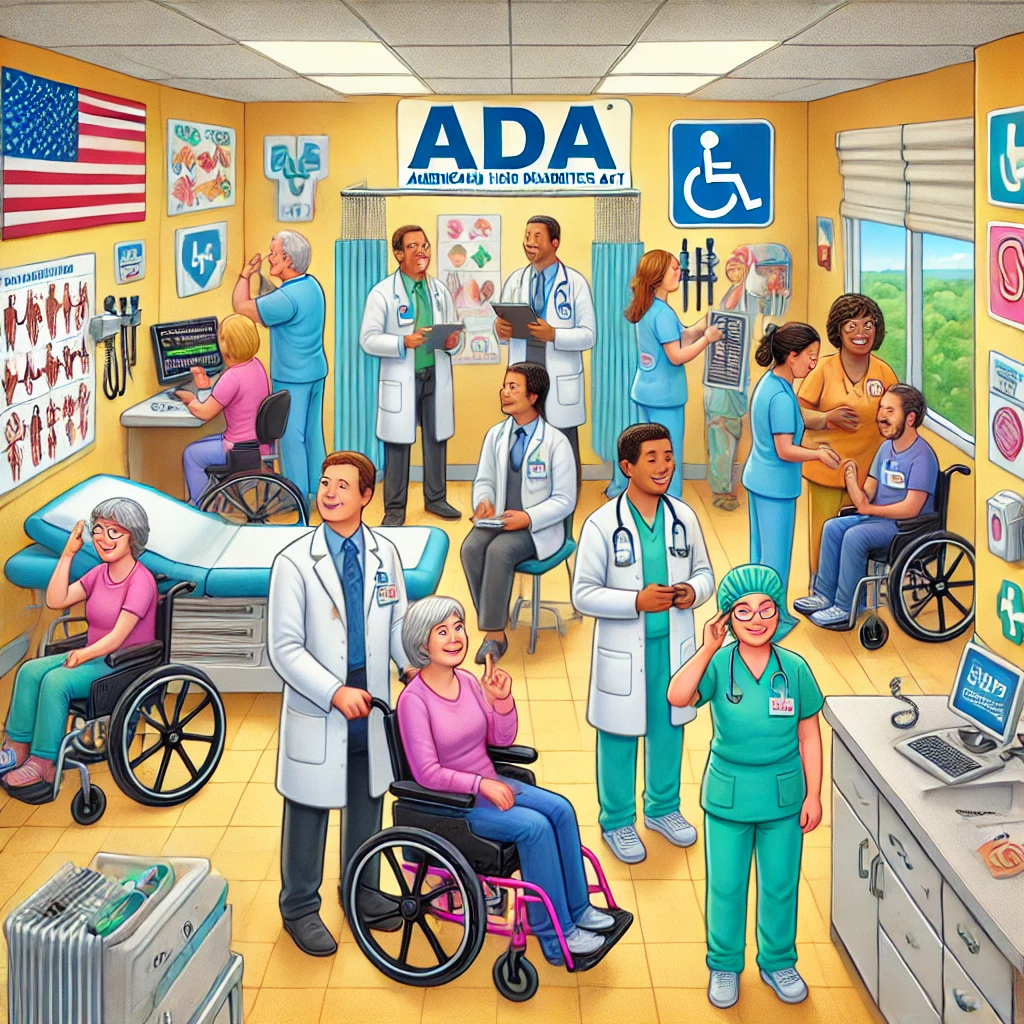
Passed in 1990, the Americans with Disabilities Act (ADA) stands as a critical piece of civil rights legislation aimed at preventing discrimination against individuals with disabilities in various sectors of public life. These areas include employment, state and local government services, public accommodations, commercial facilities, transportation, and telecommunications. Title V, often referred to as the “Miscellaneous Provisions,” encompasses various regulations and protections not covered in the other four titles.
The ADA has undergone several amendments to ensure it continues to effectively address and protect the rights of individuals with disabilities. Title V is crucial as it covers the broad range of administrative and general provisions that enforce this groundbreaking legislation. This article provides an in-depth overview of Title V, elucidating its key components and the role it plays in upholding the rights of disabled individuals.
Understanding the nuances of Title V is essential for employers, employees, service providers, and individuals with disabilities. Its inclusive nature ensures that significant areas not explicitly mentioned in the other titles are still comprehensively covered. From retaliation and coercion to attorney’s fees and coverage of Congress itself, Title V embodies the holistic approach the ADA seeks to achieve.
Title V Provisions on Retaliation and Coercion
Among the critical elements of Title V is its explicit prohibition against retaliation and coercion. It ensures individuals with disabilities, or those advocating on their behalf, can assert their rights without fear of retribution. This provision applies whether the actions of retaliation and coercion come from employers, service providers, or other entities.
The retaliation clause protects employees who report violations or participate in ADA enforcement activities. This includes filing a charge, testifying, assisting, or participating in any manner in an investigation, proceeding, or hearing. Similarly, the coercion provision prohibits any threats, intimidation, or interference with an individual’s exercise or enjoyment of their rights granted under the ADA.
Enforcement of these provisions rests with various federal agencies, including the Equal Employment Opportunity Commission (EEOC) and the Department of Justice (DOJ). These agencies are empowered to investigate complaints and take action against entities found in violation of anti-retaliation and anti-coercion measures.
Attorney’s Fees and Legal Costs
Title V also addresses the critical issue of attorney’s fees and legal costs. Recognizing that legal representation is often essential in enforcing rights, the ADA permits courts to award reasonable attorney’s fees, including litigation expenses and costs, to prevailing parties other than the United States. This provision is crucial as it levels the playing field, providing individuals with disabilities and their advocates access to legal recourse without the deterrent of prohibitive costs.
The law is designed to encourage private enforcement by making legal processes more accessible. By covering attorney’s fees and legal expenses, the ADA incentivizes lawyers to take on cases that they might otherwise avoid due to potential financial risks.
The ADA Amendments Act (ADAAA) of 2008
The ADAAA, signed into law in 2008, significantly expanded the definition of “disability,” ensuring a broader range of impairments are covered under the ADA. This amendment was critical in addressing gaps and ambiguities that had arisen in the initial definitions outlined in the original legislation.
Title V played a vital role in incorporating these changes and ensuring their proper enforcement. The amendments clarified that mitigating measures other than “ordinary eyeglasses or contact lenses” should not be considered when determining whether an impairment substantially limits a major life activity. Additionally, the term “substantially limits” was redefined to be more inclusive, furthering the ADA’s goal of comprehensive protection against disability discrimination.
Coverage of Congress and Federal Government Employees
Title V ensures the ADA’s provisions are applicable within the legislative branch and extend to federal government employees. This inclusivity is essential for two main reasons: it holds government entities to the same standards as private and public sector employers and ensures federal employees with disabilities receive the same level of protection and accommodation.
The Congressional Accountability Act of 1995 integrated ADA provisions into its regulations, thereby mandating compliance from Congress. Similarly, the Rehabilitation Act of 1973, as amended, provides parallel protections for federal employees, extending Title I, III, and V provisions to employees of federal agencies.
State Immunity and the Role of States
Title V includes provisions that address state immunity, ensuring that individuals can seek damages from states that violate ADA regulations. Specifically, the law abrogates state sovereign immunity under the Eleventh Amendment, allowing individuals to sue state entities that fail to comply with ADA standards.
This is particularly significant in ensuring states are held accountable for discrimination against individuals with disabilities in employment, public services, and other areas covered by the ADA. The provision empowers courts to enforce compliance, thereby eliminating any state-centric loopholes.
Impact on Architecture and Construction
Title V also mirrors the ADA’s broader intent by ensuring physical accessibility is a fundamental consideration in architectural design and construction. This extends beyond Title III’s focus on public accommodations to also encompass commercial facilities, ensuring that the built environment is accessible to all individuals, including those with disabilities.
The Architectural and Transportation Barriers Compliance Board, also known as the Access Board, plays a critical role in developing accessibility guidelines for both public and private structures. These guidelines are integrated into the ADA Standards for Accessible Design, providing comprehensive criteria for architectural barrier removal, new construction, and alterations.
Conclusion: The Broad Impact of Title V
Title V is an essential part of the ADA that provides a broad safety net, addressing various aspects not explicitly covered in the other titles. Its provisions ensure comprehensive protection against discrimination, further supporting the overarching goals of the ADA to promote equal opportunity, full participation, independent living, and economic self-sufficiency for individuals with disabilities.
From protection against retaliation and coercion to extending ADA coverage to federal employees and Congress, Title V strengthens the ADA’s mandate across diverse areas. The allocation of attorney’s fees and litigation costs further ensures that individuals with disabilities can seek justice without financial deterrents, supporting the equitable enforcement of their rights. Similarly, the impact of the ADAAA underscores the evolving nature of the ADA, catering to new understandings and definitions of disability.
Title V’s provisions are broad-reaching, impacting sectors from employment law to architectural standards. Understanding these miscellaneous provisions helps ensure that ADA’s goals are met and that society moves forward in creating inclusive environments for everyone. As the ADA continues to evolve, Title V will remain a cornerstone in the protection and promotion of disability rights, exemplifying a comprehensive approach to anti-discrimination legislation.
Frequently Asked Questions
1. What is Title V of the ADA and why is it called the Miscellaneous Provisions?
Title V of the Americans with Disabilities Act (ADA) is known as the “Miscellaneous Provisions” section of this landmark legislation. This part of the ADA serves as a catch-all category for various regulations and protections that don’t necessarily fall into the more clearly defined areas of employment, public accommodations, commercial facilities, transportation, and telecommunications covered by the other titles of the ADA. Title V includes key provisions concerning both retaliation and coercion, which establish that it is illegal for anyone to retaliate against an individual for opposing discrimination, filing a complaint, or participating in an investigation under the ADA. It also addresses state immunity, insurance issues, and the role of the EEOC. Title V illustrates the ADA’s broad intent to ensure individuals with disabilities are fully protected across different aspects of life, accomplishing this by filling in gaps left by the previous titles.
2. How does Title V address the issue of retaliation and coercion?
Title V explicitly makes it unlawful to retaliate against or coerce an individual for exercising their rights under the ADA or for aiding others in doing so. This means that if someone files a complaint, testifies, assists, or participates in an investigation or any proceeding under the ADA, they are protected from any form of punishment or adverse action by employers, private individuals, or the government. Such protections are critical because they help create an environment where people feel safe and empowered to assert their rights without fear of backlash. Retaliation can take many forms, such as firing, demotion, harassment, or other negative employment actions, and Title V aims to actively discourage and penalize such unlawful behavior by establishing this clear framework of protection.
3. Does Title V impact state and local governments, and if so, how?
Yes, Title V deals with state and local governments by addressing the concept of sovereign immunity. Prior to the ADA, many state and local governments invoked sovereign immunity to avoid being sued for ADA violations. Title V specifically negates this defense, which means individuals can bring legal actions against state and local government bodies if they feel their rights under the ADA have been violated. Title V’s provisions ensure that governmental entities are held accountable for providing accommodations and avoiding discriminatory practices. By waiving certain aspects of state immunity, Title V ensures a more uniform application of the ADA across all levels of government, enhancing the rights and protections for individuals with disabilities.
4. How does Title V relate to insurance companies and health-related benefits?
Title V clarifies that the ADA does not interfere with insurance underwriting and does not require insurance companies to adopt policies that may place them at financial risk, as long as they are not using disability as a means of discrimination. According to Title V, insurance companies are allowed to determine premium rates, establish actuarial soundness, and design insurance policies in specific ways provided they are consistent with state laws and not aimed at creating discriminatory barriers for individuals with disabilities. Essentially, Title V provides a balance that respects the operational frameworks of insurance entities while simultaneously ensuring they are not levered to unjustly discriminate against individuals with disabilities. This provision helps maintain fair access to insurance products while protecting against the misuse of disability-based exclusions.
5. What role does the Equal Employment Opportunity Commission (EEOC) play under Title V?
The Equal Employment Opportunity Commission (EEOC) holds a significant role under Title V in terms of enforcement and education. The EEOC is responsible for enforcing the ADA’s employment-related provisions, and Title V underscores its authority to process complaints, conduct investigations, and issue guidelines that employers must adhere to. Title V empowers the EEOC to take action against those who violate the ADA, including filing lawsuits against employers who refuse to comply. Furthermore, the EEOC plays a critical educational role under Title V, as it provides guidance, resources, and support to help both employers and employees understand their rights and responsibilities under the ADA. By offering comprehensive support and clarity, the EEOC helps promote compliance and fosters an inclusive environment for individuals with disabilities in the workplace.