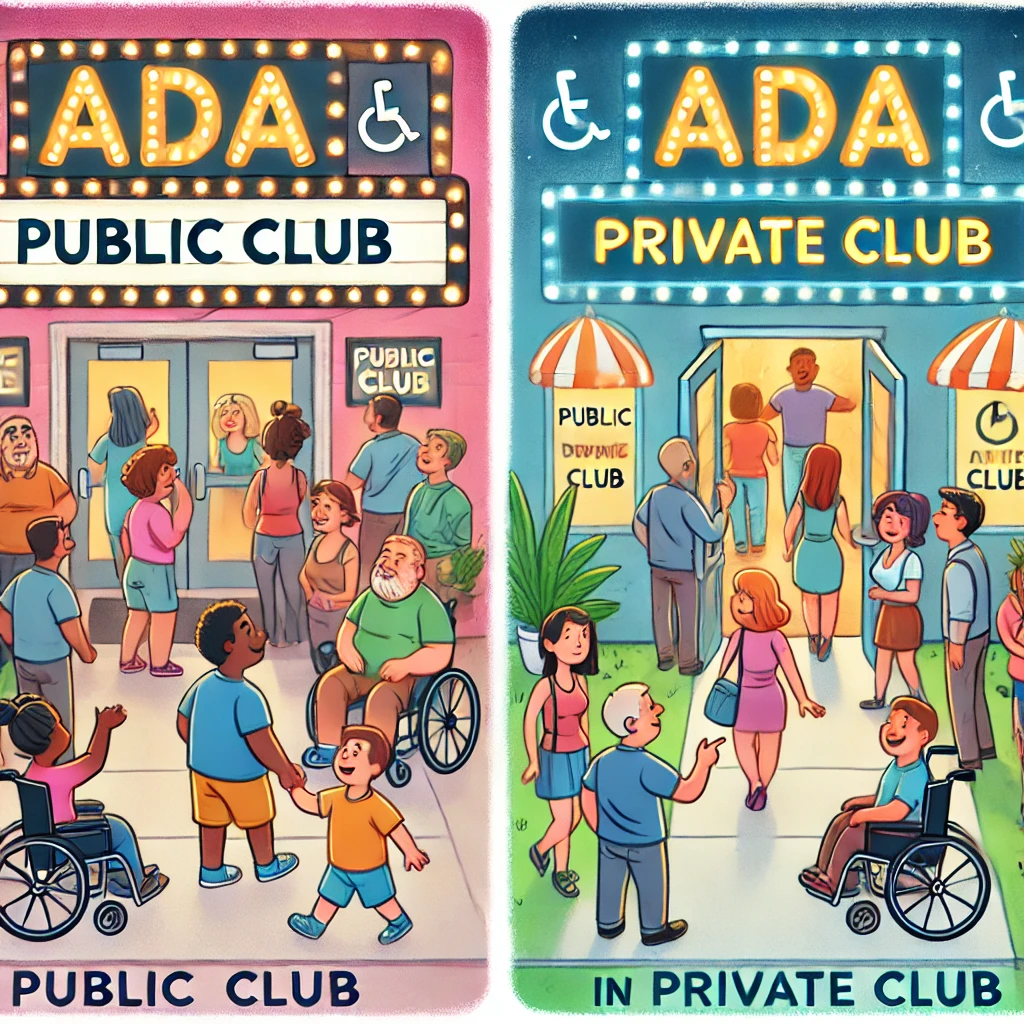
In our rapidly urbanizing world, the design and function of urban spaces have become focal points in discussions concerning sustainability and inclusivity. As people increasingly move to cities, it becomes crucial to create environments that are not only eco-friendly but also accessible to all individuals. This is where the Americans with Disabilities Act (ADA) plays a transformative role. The ADA, enacted in 1990, aims to eliminate discrimination against individuals with disabilities by ensuring that public spaces, transportation, and employment opportunities are accessible to everyone. By doing so, the ADA contributes significantly to the development of urban spaces that are both sustainable and inclusive. It is essential to understand how the ADA’s guidelines and standards are integrated into urban planning to foster environments where every individual can participate and thrive. This discussion will explore the various ways in which the ADA influences sustainable and inclusive urban development, highlighting its importance in shaping the cities of the future.
ADA’s Influence on Urban Planning
The ADA’s impact on urban planning is comprehensive, guiding the creation of public spaces that accommodate individuals with a wide range of abilities. At its core, the ADA mandates that public facilities are accessible to people with disabilities. This means that urban planners must consider accessibility at every stage of development. When designing walkways, the inclusion of features such as curb ramps and tactile paving ensures that the visually impaired and those with mobility challenges can navigate spaces safely. Moreover, the presence of accessible public transportation systems, complete with wheelchair ramps and auditory signage, is crucial in connecting individuals to various parts of a city.
Incorporating ADA standards into urban planning also promotes environmental sustainability. For example, the layout of sidewalks and crossings not only facilitates accessibility but also enhances pedestrian traffic, reducing reliance on fossil-fuel-powered vehicles. An increase in pedestrian-friendly zones can lead to lower carbon emissions, aligning with broader sustainability objectives. By addressing the accessibility needs under the ADA, cities inadvertently design spaces that promote green lifestyles.
Legal Framework and Guidelines
Understanding the ADA’s legal framework is essential for appreciating its role in urban development. The ADA sets out requirements that public spaces must meet to be considered accessible. These include specifications for building entrances, exit paths, and restroom facilities. Failure to comply with ADA standards can lead to legal repercussions for city planners and public officials. Therefore, adherence to the ADA is not merely an ethical obligation but a legal one that ensures inclusivity at all levels.
Furthermore, the availability of technical assistance from the ADA powerfully supports urban planners in implementing these guidelines. Comprehensive documentation and consultation services aid in aligning projects with ADA standards effectively. This assistance ensures that urban spaces are not only designed with accessibility in mind from the outset but are also subject to continuous improvement as technology and needs evolve.
Case Studies: ADA in Action
There are numerous examples where cities have successfully integrated ADA standards into their urban development strategies. For instance, cities like Portland and San Francisco have been at the forefront of inclusive urban design. Portland’s extensive network of accessible public parks and walking trails exemplifies how spaces can be both usable by individuals with disabilities and environmentally sustainable. Public transport systems in these cities are designed with accessibility in mind, featuring low-floor buses and trains that assist individuals with mobility challenges. These urban landscapes demonstrate how ADA compliance can seamlessly blend into everyday public life.
Moreover, initiatives such as curb extensions and signal-controlled intersections provide added safety for all pedestrians, exemplifying the dual benefits of accessibility and sustainability. These infrastructure elements not only serve people with disabilities but also enhance the safety and efficiency of the urban environment as a whole.
Intersection of Technology and Accessibility
The integration of technology with ADA standards is paving the way for even more innovative urban solutions. Smart city technologies, for instance, offer myriad possibilities for enhancing accessibility. Voice-activated devices and apps can provide real-time information about public transport schedules and directions, enabling everyone to maneuver through urban environments more efficiently. Innovations like these show that ADA not only lays a foundation for current urban standards but also fosters progression towards technologically advanced, inclusive solutions.
Electronic kiosks with auditory feedback and braille instructions in strategic locations offer invaluable support to individuals with disabilities. These digital amenities demonstrate the potential of technology to bridge accessibility gaps. Moreover, as the Internet of Things (IoT) becomes more prevalent, it opens new opportunities to create dynamic and responsive urban environments that comply with and exceed ADA standards.
Challenges and Opportunities in ADA Implementation
Despite its numerous successes, implementing ADA standards in urban settings is not without its challenges. Cities often face budgetary constraints, and retrofitting existing infrastructure to meet ADA requirements can be costly and logistically complex. However, this challenge presents an opportunity for innovation. Collaboration between policymakers, town planners, and community advocates can yield creative solutions that are both cost-effective and compliant with ADA requirements.
Moreover, as urban landscapes are continuously evolving, there is an ongoing need for revisions and updates to ADA guidelines. Advances in technology and changes in urban demographics necessitate a proactive approach to ensure that ADA guidelines remain relevant and effective. This requires an attentive review process and adaptability in order to maintain guidelines that meet current accessibility demands.
Conclusion
As cities continue to grow and evolve, the role of the ADA is paramount in ensuring that urban spaces are both sustainable and inclusive. Its comprehensive framework provides urban planners and developers with the necessary tools to create environments where every individual can live, work, and enjoy their surroundings without barriers. By prioritizing accessibility, the ADA not only enhances the quality of urban life but also contributes to the broader goals of environmental sustainability. Recognizing and addressing the challenges associated with ADA implementation can lead to innovative solutions that benefit everyone. As we look to the future, adhering to and expanding upon the principles set out by the ADA will be crucial in crafting urban environments that are truly inclusive, sustainable, and ready for the challenges that lie ahead. By valuing these principles, cities can become vibrant communities that reflect the diversity and abilities of all their residents, thus ensuring participation and equality across society.
In conclusion, the ADA is more than just a set of regulations; it represents a commitment to a vision of urban spaces that are open and welcoming to all. It embodies an understanding that accessibility and sustainability are not mutually exclusive goals but are instead complementary elements that, when united, create cities that are equipped for the future. The role of the ADA in sustainable and inclusive urban spaces is thus a testament to the transformative power of thoughtful and intentional design in shaping the urban fabric for generations to come.