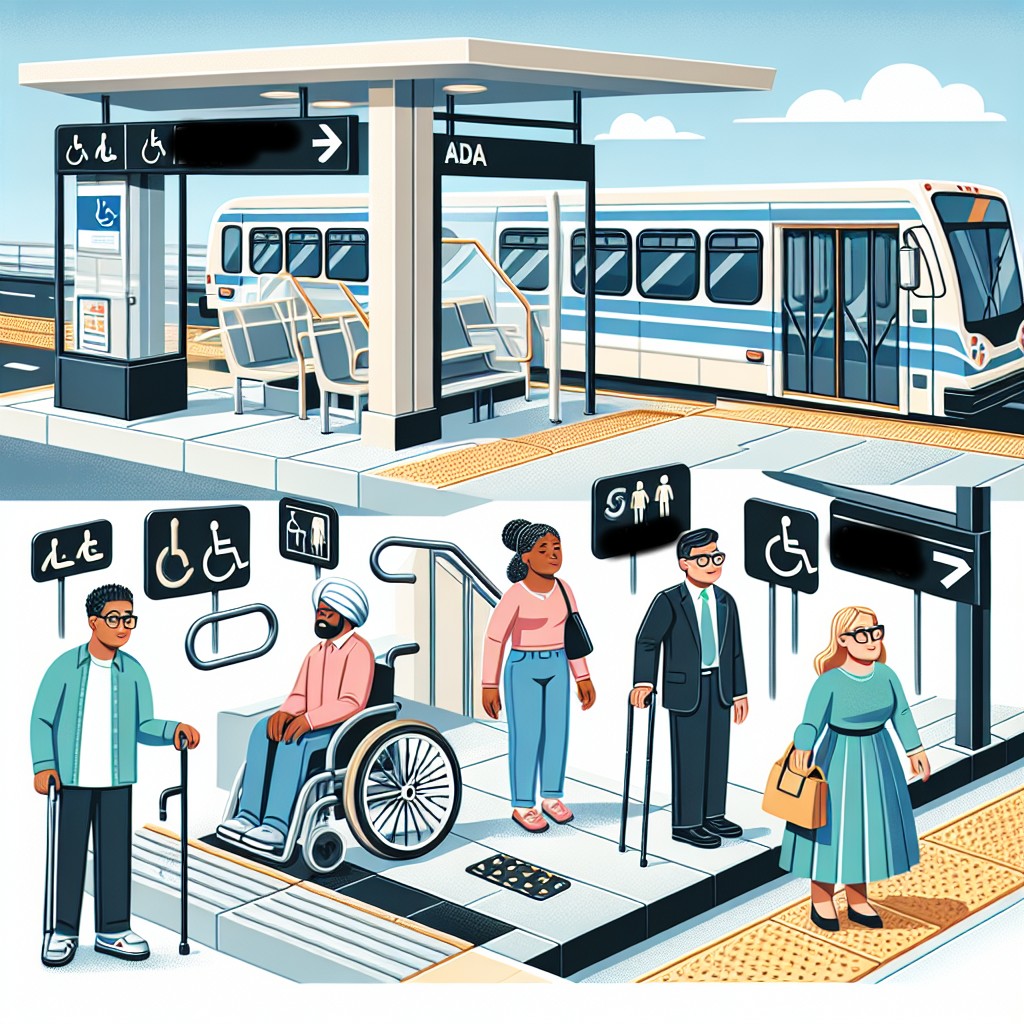
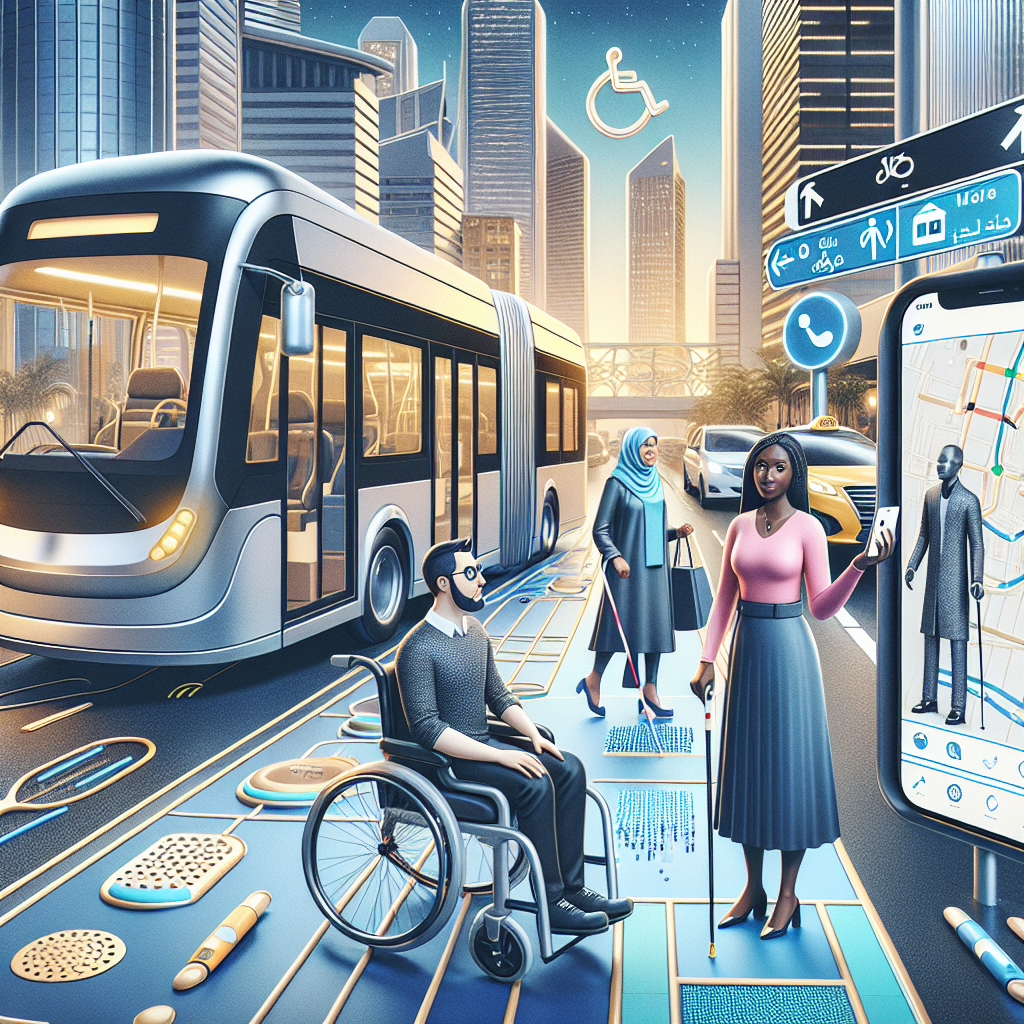
The Americans with Disabilities Act (ADA) has been a hallmark in ensuring equal access and opportunities for individuals with disabilities across the United States. Initiated in the early 1990s, the ADA has revolutionized many aspects of public life, including public transportation, by mandating accessibility standards. However, the continuous evolution of technology, coupled with growing societal awareness, suggests that we’re on the cusp of the next wave of ADA compliance in public transportation. This wave does not merely focus on physical accessibility but takes into consideration technological, systemic, and empathic elements to ensure an inclusive transit system that accommodates all individuals, regardless of ability. This transformation is needed to address current shortcomings and future challenges in public transit systems. It involves a multifaceted approach that incorporates advanced technology, policy modifications, and extensive stakeholder collaboration. As we delve into the intricacies of this wave, understanding its implications and potential is key to shaping a future where public transportation is accessible, efficient, and user-friendly for all.
In today’s society, where inclusion and equality are more important than ever, the push towards enhancing ADA compliance in public transportation is not just a legal obligation but a moral imperative. This article will explore the underpinnings of this new wave of compliance, what it entails, and how public transit systems across the country are adapting. The integration of the latest technology, the shift in policy priorities, and the proactive involvement of the community and businesses highlight a dynamic interplay of forces driving this change. By examining these core components and their interconnections, we can appreciate the complexity and necessity of updating ADA compliance strategies to meet contemporary needs.
In understanding these changes, we’ll focus on how updated ADA compliance in transit systems benefits all users, not just those with disabilities. Accessibility improvements often lead to more efficient, safer, and more convenient services for everyone. Therefore, exploring the next wave of ADA compliance is not just about meeting regulatory demands but enhancing the overall quality and sustainability of public transportation. Whether it’s by utilizing smart infrastructure, embracing innovative service models, or fostering a culture of inclusion, the next wave of ADA compliance is poised to redefine public transportation for future generations.
Technological Innovations in ADA Compliance
As we delve into the heart of the next wave in ADA compliance, technological innovation emerges as a pivotal component. The rapid advancement of technology presents unique opportunities to enhance accessibility and inclusivity in public transportation. Several cutting-edge technologies are lending their capabilities to make transit systems more accessible than ever before.
One of the front runners in this technological revolution is the development of real-time navigation apps specially designed for individuals with disabilities. These apps provide step-by-step routing and scheduling, incorporating precise information about accessible entrances, elevators, curb cuts, and transit vehicles. By integrating GPS and digital mapping technologies, these applications can cater to a wide range of disabilities, offering audio guidance for the visually impaired or vibration alerts for those with hearing impairments.
The deployment of Internet of Things (IoT) devices is another significant technological stride in this direction. IoT can be used to maintain and operate public transit vehicles and facilities more efficiently. By sending live data to a central system, transit operators can promptly address issues related to accessibility, such as malfunctioning elevators or ramps. This not only minimizes inconvenience for travelers with disabilities but also fortifies the reliability and safety of the transportation infrastructure for all users.
Innovations like autonomous vehicles are also on the horizon. These vehicles promise a new level of independence for individuals with disabilities by removing the need for human pilot intervention. With the aid of sophisticated sensors, AI-driven decision-making, and machine learning algorithms, these vehicles can navigate complex urban landscapes while ensuring that accessibility standards are met or exceeded. Companies are actively testing these technologies, looking at how automated transport solutions could be adapted and extended to serve diverse communities effectively and inclusively.
In addition to physical transport mechanisms, virtual platforms for booking, payment, and customer service are becoming increasingly accessible. By designing these systems with adaptive technologies such as voice recognition software and screen readers, transit agencies are offering more seamless interactions, thus enhancing user inclusivity. The flexibility of digital solutions also means quicker updates and adaptations to suit evolving standards or address emergent needs.
Policy and Regulatory Developments
While technology offers vast potential, policy and regulatory frameworks must evolve to support and implement these innovations effectively. Contemporary ADA compliance in public transportation involves a robust framework that not only ensures accessibility but also promotes continued enhancement and adaptation.
A fundamental aspect of this evolution lies in updating existing ADA guidelines to account for modern technological advancements. This includes refining definitions of accessible infrastructure and adaptive devices to encompass contemporary possibilities. As transportation technologies continue to advance, so too must the policies that regulate and support them. For instance, ensuring that new modes of transport, like e-scooters or bike-sharing schemes, are accessible to all users requires strategic foresight embedded within legislation.
Federal and state governments are increasingly collaborating with industry bodies, advocacy groups, and accessibility experts to develop policy that incorporates the lived experiences of people with disabilities. Such collaboration ensures that regulations are not just theoretically sound but practically viable and effective. It also highlights a shift towards more participatory governance in public transportation, welcoming insights from traditionally underrepresented groups to enrich policy-making and its outcomes.
Moreover, there is a growing recognition of the importance of cross-sector collaboration. As public transportation systems often intersect with other societal facets—such as employment, health care, and urban development—it is crucial that policies underpinning ADA compliance also consider these interconnected domains. This holistic view ensures that changes in public transportation foster increased accessibility not just within the system itself but as part of the broader societal fabric.
Furthermore, funding models for ADA compliance are being re-examined. Allocating adequate resources to sustain and enhance accessibility requires strategic financial planning. Innovative funding mechanisms, including public-private partnerships and grants for technological implementation, are being explored to supplement traditional government financing.
The Role of Community and Stakeholder Engagement
The next wave of ADA compliance in public transportation would be incomplete without emphasizing the critical role of community and stakeholder engagement. Active collaboration between transportation agencies, users, disability advocates, and the private sector is essential in shaping a responsive and accessible public transit system.
Community input ensures that accessibility initiatives align with the actual needs and preferences of public transit users. By involving individuals with disabilities in the planning, design, and decision-making processes of transit systems, service adaptations are better targeted and more effective. Engagement activities such as public forums, user panels, and pilot testing of new technologies allow for real-time feedback that can inform ongoing and future projects.
Businesses too play an integral role in this engagement. The private sector contributes both in terms of innovation and funding, supporting pilot projects, technological deployments, and inclusive design practices that can be scaled across transit systems. Companies that develop accessible technologies or services are key partners in realizing the advancements necessary for comprehensive ADA compliance.
The importance of education and training is another cornerstone of effective community engagement. For transit staff, understanding the nuances of ADA compliance and the operation of inclusive technologies is essential for service delivery. Continuous training programs underscore a commitment to customer care and excellence in service, reinforcing a culture that prioritizes accessibility at every operational level.
Conclusion
In conclusion, the next wave of ADA compliance in public transportation presents both opportunities and challenges. It demands a proactive approach that blends innovative technologies, progressive policy-making, and robust community engagement. Together, these elements form a comprehensive framework that not only meets the current needs of users but anticipates and adapts to future demands.
Technological advancements like real-time apps, IoT integrations, autonomous vehicles, and digital platforms represent the frontier of accessibility improvements. When coupled with forward-thinking policies and funding strategies, these tools ensure that public transit systems cater inclusively to all users. However, the technology alone is not sufficient. Effective policy reform, adequate resource allocation, and cross-sector collaboration are fundamental to the success of ADA initiatives.
Community involvement and stakeholder collaboration serve as the linchpin of these efforts. By harnessing collective insights and expertise, transit systems can develop and implement practical solutions that resonate with the lived experiences of users with disabilities. This approach not only strengthens ADA compliance but enhances the overall quality and user satisfaction within public transportation systems.
The future of ADA compliance in public transportation is promising. By committing to this progressive, inclusive vision, transit authorities, policymakers, businesses, and communities have the opportunity to create a legacy of accessibility that bridges societal gaps and fosters equity. This evolution in public transportation stands as a testament to the power of collaboration, innovation, and empathy in creating a world that values and accommodates every individual’s right to reliable, safe, and accessible public transit.
Frequently Asked Questions
1. What constitutes the “next wave” of ADA compliance in public transportation?
The “next wave” of ADA compliance in public transportation refers to the ongoing advancements and adaptations necessary to further enhance accessibility for individuals with disabilities. This new phase is characterized by an integration of advanced technology solutions, an increased focus on inclusivity, and a broader understanding of accessibility that goes beyond physical access. Given the rapid evolution of technology, public transportation systems are now incorporating features like digital kiosks that offer audio assistance, mobile apps that help plan accessible routes, and vehicles equipped with the latest assistive technologies, such as automated lifts and securement systems. These innovations demonstrate a shift towards more personalized and seamless accessibility, catering to the diverse needs of individuals with disabilities and ensuring that public transportation remains inclusive for everyone. Additionally, the growing societal awareness around accessibility issues has prompted transportation authorities to re-evaluate and improve policies, infrastructure, and user experiences, all contributing to this emerging wave of enhanced ADA compliance.
2. How does technology impact ADA compliance in public transportation?
Technology plays a pivotal role in reshaping ADA compliance by offering innovative solutions that significantly enhance the accessibility and inclusivity of public transportation systems. The integration of technology into public transportation can take many forms, from the implementation of digital displays and auditory announcements in transit stations to the use of smart apps that offer real-time information and navigation assistance for individuals with disabilities. For example, mobile applications are now developed to provide precise information about accessible routes, helping users to plan their journeys with ease. Furthermore, smart technologies, such as automated fare collection systems and Bluetooth-enabled devices that communicate with hearing aids, are creating a more user-friendly environment. These technological advancements not only simplify the travel experience for people with disabilities but also promote a culture of inclusion by ensuring that public transportation services cater to the diverse needs of all passengers. As technology continues to evolve, its impact on ADA compliance will likely expand, paving the way for more sophisticated and inclusive transportation solutions.
3. What challenges does public transportation face in enhancing ADA compliance?
Public transportation systems face a myriad of challenges in enhancing ADA compliance. One major challenge is the financial burden associated with upgrading outdated infrastructure and implementing new technologies. Retrofitting old transit systems to meet contemporary accessibility standards can be costly and logistically complex, particularly in densely populated urban areas. Additionally, there is the challenge of coordinating with various stakeholders, including government agencies, transportation authorities, and advocacy groups, to ensure compliance efforts align with the broader accessibility goals. Another challenge is the need for continuous education and training programs for transit staff to properly assist individuals with disabilities while fostering an understanding of the diverse needs within this community. There is also a growing need to address the non-physical aspects of accessibility, such as communication barriers, by developing inclusive signage, announcements, and customer service practices. Lastly, adapting to the rapid pace of technological change poses another hurdle, as transportation agencies must stay abreast of emerging technologies and integrate them effectively while ensuring these innovations are accessible and do not inadvertently introduce new barriers for users. Despite these challenges, the ongoing commitment to strengthening ADA compliance in public transportation reflects a collective effort to build a more equitable and inclusive transit environment for all users.
4. What role does societal awareness play in advancing ADA compliance in public transportation?
Societal awareness significantly influences the progression of ADA compliance in public transportation by driving public demand and accountability for accessible transit systems. Growing awareness of the challenges that individuals with disabilities face has led to increased advocacy and support for policies and initiatives aimed at improving accessibility. Public campaigns and education efforts have amplified the visibility of accessibility issues, encouraging policymakers and transit authorities to prioritize these concerns in their planning and operations. Furthermore, societal awareness fosters a more empathetic and inclusive environment, where the voices and experiences of people with disabilities are valued and considered in decision-making processes. This awareness also encourages collaboration among various stakeholders, such as disability advocacy groups, transportation providers, and technology developers, to identify and implement effective solutions that address the unique needs of individuals with disabilities. As societal awareness continues to grow, it serves as a catalyst for change, pushing for more comprehensive and dynamic approaches to ADA compliance. By acknowledging the importance of accessibility and inclusivity, society plays a crucial role in shaping public transportation systems that are equitable and accommodating for all users.
5. How can individuals with disabilities participate in the development of ADA-compliant transportation solutions?
Individuals with disabilities can play a vital role in the development of ADA-compliant transportation solutions by actively engaging in advocacy, consultation, and feedback processes. Public transportation agencies often seek input from the disability community to gain insights into the real-world challenges and needs faced by passengers with disabilities. By sharing personal experiences and suggestions, individuals with disabilities can provide valuable perspectives that guide the design and implementation of accessibility features. Participating in public forums, advisory committees, and focus groups allows individuals with disabilities to contribute to discussions about policy development, service improvements, and new technology integration. Additionally, individuals can leverage digital platforms and social media to raise awareness and advocate for change, mobilizing community support and influencing decision-makers. Moreover, collaboration with advocacy organizations and disability rights groups can amplify the collective voice of the community, ensuring that accessibility initiatives align with the principles of equity and inclusion. Through active participation, individuals with disabilities help shape transportation systems that truly accommodate and empower all riders, making ADA compliance a shared and ongoing endeavor.