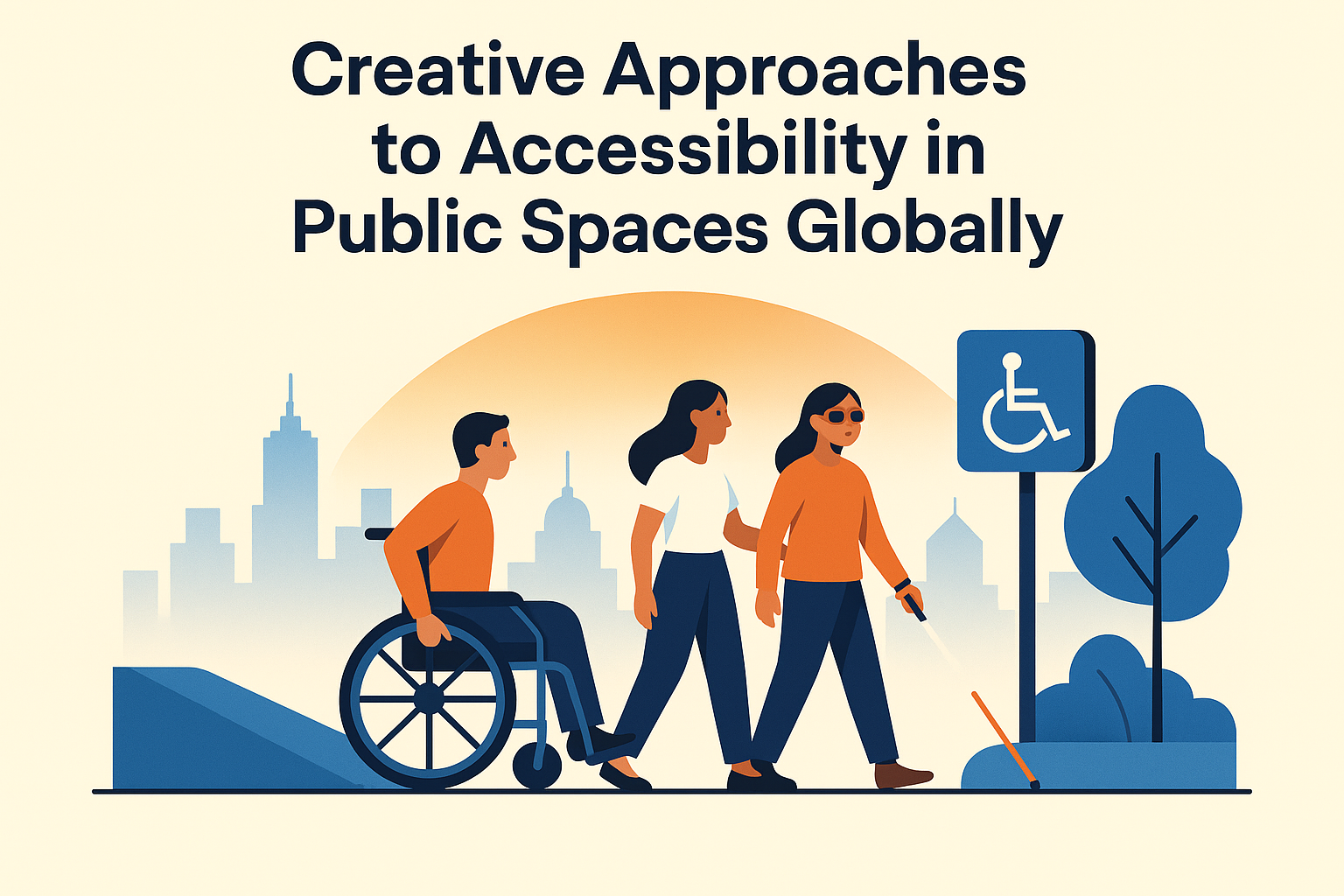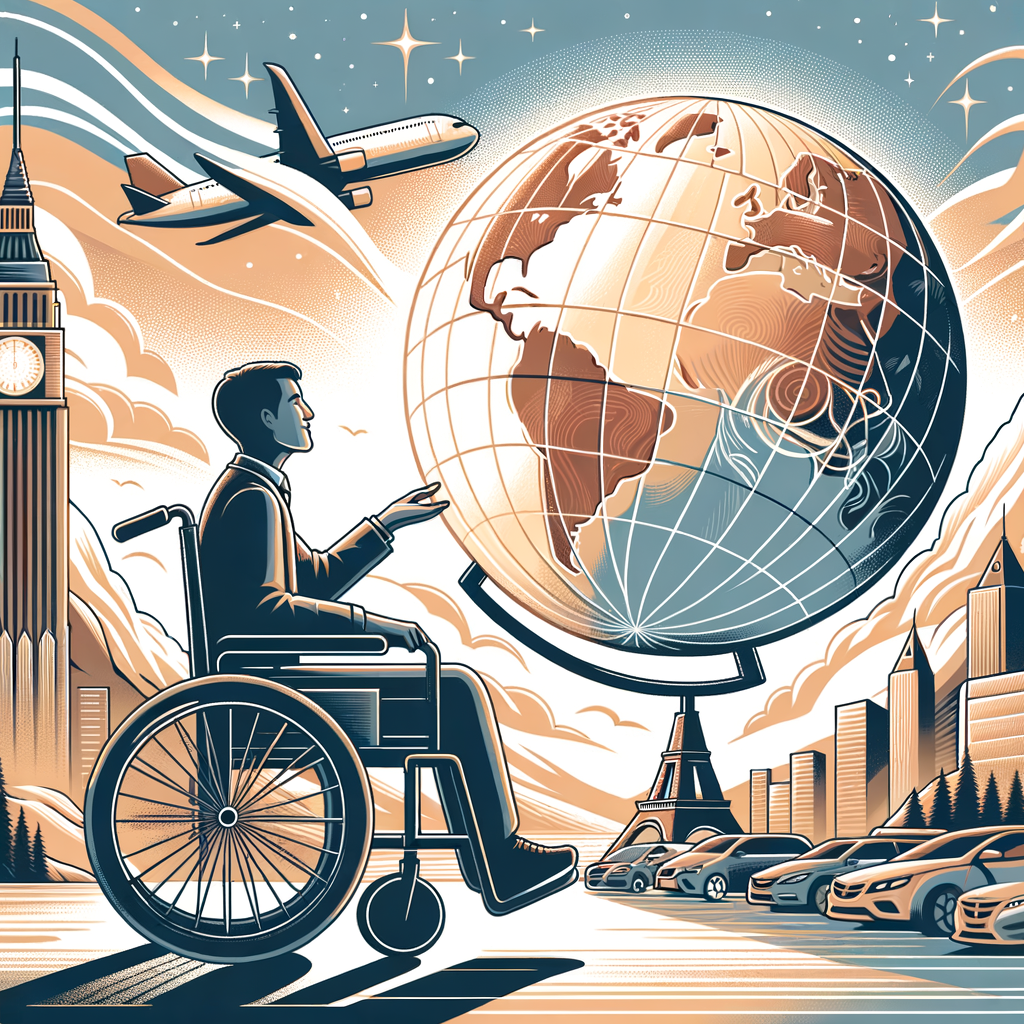
In recent years, the concept of accessible tourism has garnered increased attention and significance in the global sphere. But what exactly does “accessible tourism” mean? At its core, accessible tourism refers to the design of tourism products, services, and environments that are accessible to all people, regardless of their physical limitations, disabilities, or age. The ultimate goal is to create an inclusive travel industry that allows everyone, including those with physical, sensory, or cognitive impairments, to enjoy tourism experiences without hindrance. This movement is crucial in promoting a more equitable society, enhancing the quality of life for millions, and expanding the potential customer base for the travel industry. In this article, we will explore the global impact of accessible tourism, reflect on the challenges and opportunities it presents, and highlight the substantial benefits it can offer to both individuals and businesses alike.
The Economic Opportunity in Accessible Tourism
Accessible tourism presents significant economic prospects for both developing and developed nations. According to the World Health Organization, over one billion people live with some form of disability. This figure represents approximately 15% of the global population. When you factor in family members or travel companions, the potential market size expands tremendously. The travel industry has traditionally underserviced this segment, thereby missing out on a substantial revenue opportunity. For instance, the European Network for Accessible Tourism reveals that accessible tourism contributes billions to Europe’s economy each year.
Accessible tourism not only caters to individuals with disabilities but also benefits older adults who might face age-related impairments. By removing barriers and creating inclusive travel environments, businesses can tap into this lucrative market. A clear example is evident in Spain, where accessible beaches have been created to welcome tourists with mobility challenges. Cities like Barcelona and Valencia have invested in beach wheelchairs and accessible walkways, leading to a notable increase in tourist visits. As businesses adapt to these needs, they not only enhance their income potential but also elevate their brand reputation as caring and inclusive entities.
- España’s accessible beach initiative boosts tourism revenue.
- Beach wheelchairs and accessible walkways provide ease of access.
- Inclusive tourism enhances brand reputation and drives growth.
Technological Innovations Driving Accessibility
The role of technology in advancing accessible tourism cannot be overstated. Innovations in this field have transformed how people with disabilities plan their trips, communicate their needs, and experience travel. Mobile apps provide real-time information on accessible facilities, while virtual reality tours enable potential travelers to assess accommodations and attractions before booking. An inspiring example lies in Japan, where technology-fueled accessibility initiatives have been launched in anticipation of international events like the Tokyo 2020 Paralympic Games.
Japanese developers have introduced apps that help find accessible routes and facilities within the city. The use of augmented reality (AR) and other technologies enhances navigation for visually impaired tourists, offering a layer of independence and convenience that was previously absent. The adoption of such accessible technologies is not confined to Japan; cities worldwide are realizing the importance of integrating tech solutions to cater to diverse travel needs. As this technological evolution continues, accessibility becomes less of a barrier and more of an enabler for a fulfilling tourism experience.
Social and Cultural Enrichment Through Inclusive Travel
Accessible tourism fosters social integration and cultural exchange by enabling persons with disabilities to engage with global communities. By promoting inclusivity in travel, societies can break down stereotypes, encourage empathy, and foster a deeper understanding of diversity. An illustrative case is the United States, where initiatives like the “Travel for All” campaign have encouraged venues and cities to become more welcoming to travelers with varying needs.
The campaign showcases cities like San Francisco, which markets itself as an inclusive destination with accessible transportation, hotels, parks, and attractions such as the famous Alcatraz Island. These efforts promote not only social inclusion but also serve as a tourist attraction themselves, highlighting a city’s commitment to diversity and accessibility. This evolution transforms a simple trip into a cultural enrichment opportunity where people with disabilities become ambassadors of a newly understood facet of society.
Challenges and Barriers in Promoting Accessible Tourism
Despite the numerous advancements, there remain significant challenges in the widespread adoption of accessible tourism practices. Often, the physical design of infrastructure fails to meet accessibility standards, or there is a lack of training among tourism staff regarding disability awareness. A common concern is the shortage of universally designed or easily adaptable accommodations that can comfortably house travelers with disabilities.
For example, a survey conducted across major Asian tourist destinations revealed that many hotels lack ramps or elevators, creating obstacles for wheelchair users. The cost and complexity of retrofitting existing structures can deter businesses from making necessary adjustments. Additionally, societal attitudes towards disability can hinder progress, with stigma and discrimination posing indirect barriers. Addressing these challenges requires a concerted effort from policymakers, businesses, and communities to prioritize accessibility, not as an added benefit but as a fundamental human right.
Regulatory Frameworks and Policy Initiatives
To propel accessible tourism forward, robust regulatory frameworks and supportive policy initiatives are crucial. Legal mandates and guidelines can enforce the creation and maintenance of accessible environments, ensuring that businesses comply with standards designed to accommodate diverse needs. In the European Union, the European Accessibility Act has set precedence by mandating access to key products and services for persons with disabilities.
Similarly, the United States’ Americans with Disabilities Act (ADA) has been instrumental in promoting accessibility within the tourism sector. It requires accommodation facilities and public entities to meet the prescribed accessibility standards. The enforcement of such regulations raises awareness and compels businesses to prioritize inclusive design. Policy frameworks also emphasize the importance of collaborating with disability organizations to ensure that the lived experiences of individuals are central to accessible tourism development.
Importance of Stakeholder Collaboration
Success in implementing accessible tourism requires cooperation among diverse stakeholders, including governmental bodies, private sector entities, community organizations, and individuals with disabilities. Each plays a pivotal role in addressing accessibility challenges and promoting best practices. In Australia, the Local Government Association facilitates partnerships between local councils and accessibility experts to audit public spaces and develop strategic plans for tourism inclusivity.
This collaborative model enhances accountability and integrates various perspectives, resulting in more comprehensive accessibility solutions. By engaging stakeholders, cities can develop tailored strategies that address specific needs, ensuring that accessible tourism is not a temporary trend but a sustained effort that reshapes the landscape of travel. Through collective action and resources, stakeholders can overcome barriers and unlock the full potential of inclusive tourism experiences.
- Government policies ensure compliance with accessibility standards.
- Collaboration fosters innovation and comprehensive solutions.
- Stakeholders include government, private sector, and disability organizations.
Future of Accessible Tourism
Looking ahead, the future of accessible tourism is promising, with the potential for substantial growth and positive societal impact. Trends indicate that there will be an increased reliance on technology to enhance accessibility features, making travel more feasible and enjoyable for individuals with disabilities. Moreover, the rising recognition of inclusivity as a critical component of corporate social responsibility will encourage more businesses to invest in accessible tourism initiatives.
As tourist destinations compete on the global stage, those offering comprehensive accessible experiences will likely lead in attracting a diverse range of visitors. The Domino Park in Brooklyn, New York, exemplifies a forward-thinking approach with its inclusion of universally designed play areas and accessible restrooms, garnering high praise for its inclusive atmosphere. As awareness and advocacy efforts continue to expand, the narrative around accessible tourism evolves, ushering in an era of possibilities that enrich the tapestry of global travel.
In conclusion, accessible tourism is an invaluable asset to the travel industry and society at large. It champions inclusivity, fosters economic growth, and enriches cultural experiences by ensuring that travel is a possibility for everyone. By acknowledging the importance of accessible tourism, and taking deliberate steps to promote it, we contribute to a world where dignity, respect, and equal opportunity are the foundations of travel experiences. Now is the time for businesses, governments, and individuals to come together and create a welcoming world where every adventure is open to all.
To truly make a difference, travelers and tourism providers alike should advocate for accessibility in all aspects. Implementing even small changes can pave the way for inclusive travel experiences. Whether it is investing in training, upgrading facilities, or leveraging cutting-edge technology, each effort serves as a stepping stone towards a future where accessible tourism becomes the norm, not the exception. Let’s take action now and create memorable experiences that everyone can enjoy, regardless of their differences.
Frequently Asked Questions
1. What exactly is accessible tourism?
Accessible tourism is all about designing and promoting tourism experiences that everyone can enjoy, regardless of their physical abilities, age, or sensory and cognitive limitations. Imagine a world where every hotel, tourist attraction, and travel service is engineered to be barrier-free. This way, whether someone uses a wheelchair, has reduced mobility, or experiences visual or auditory impairments, they can still fully partake in tourism experiences. The ultimate aim is inclusivity, creating a travel landscape where the joy of exploration is not restricted by physical constraints.
2. Why is accessible tourism important on a global scale?
Globally, there is a substantial population with disabilities and an increasing number of elderly individuals, primarily due to improved healthcare and aging societies. Accessible tourism touches every corner of the planet by promoting inclusion, equity, and social justice for these groups. When tourism is accessible, it isn’t just the individuals with disabilities who benefit. Families, friends, and caregivers accompanying them do too, which cumulatively results in a substantial economic boost to the tourism sector. With tourism being one of the world’s largest industries, making it accessible transforms it into a driver for global human rights and economic development.
3. How does accessible tourism benefit the economy?
Accessible tourism isn’t just a socially forward-thinking initiative; it’s an economic boon. It opens the door for businesses to tap into a vast market that has historically been underrepresented. People with disabilities, along with their accompanying travel companions and families, represent a multi-billion-dollar market. By adopting accessible practices, hotels, airlines, tour operators, and other businesses not only attract a wider audience but also enhance their brand’s reputation as socially responsible entities. Beyond direct economic gains, increased tourism traffic stimulates local economies, provides job opportunities, and fosters inclusive growth.
4. What challenges does accessible tourism face?
Despite its importance, accessible tourism isn’t without its hurdles. A major challenge is the lack of awareness and understanding among service providers about the specific needs of people with disabilities. There’s often insufficient infrastructure, such as poorly designed sidewalks or inaccessible transport facilities. Additionally, there is a significant gap in staff training to identify and appropriately address the multitude of access requirements. Regulatory inconsistencies between regions can also complicate implementation. Overcoming these obstacles requires concerted, global efforts, involving policy changes, education, and collaboration across sectors.
5. How can individual businesses contribute to making tourism more accessible?
Businesses have the power to transform the tourism landscape through proactive steps. Firstly, they can invest in training staff to better understand accessibility needs, equipping them with the knowledge to efficiently assist all patrons. Conducting accessibility audits to identify and rectify physical barriers, such as installing ramps or audio-descriptive guides, is also crucial. Businesses can embrace technology to offer virtual reality tours or provide improved online resources with detailed accessibility information. By actively promoting inclusivity and sharing successful strategies within industry networks, individual businesses can lead by example, inspiring widespread change in making tourism genuinely accessible for all.