When designing or constructing ramps, it’s crucial to adhere to specific guidelines to ensure safety, accessibility, and functionality. One of the most widely recognized standards in the construction and architectural industries is the 1:12 slope rule. This rule plays a pivotal role in the design of accessible ramps, ensuring that structures comply with accessibility standards set forth by regulatory bodies. For architects and contractors, understanding and applying the 1:12 slope rule is not only a regulatory requirement but also a fundamental aspect of inclusivity and design excellence.
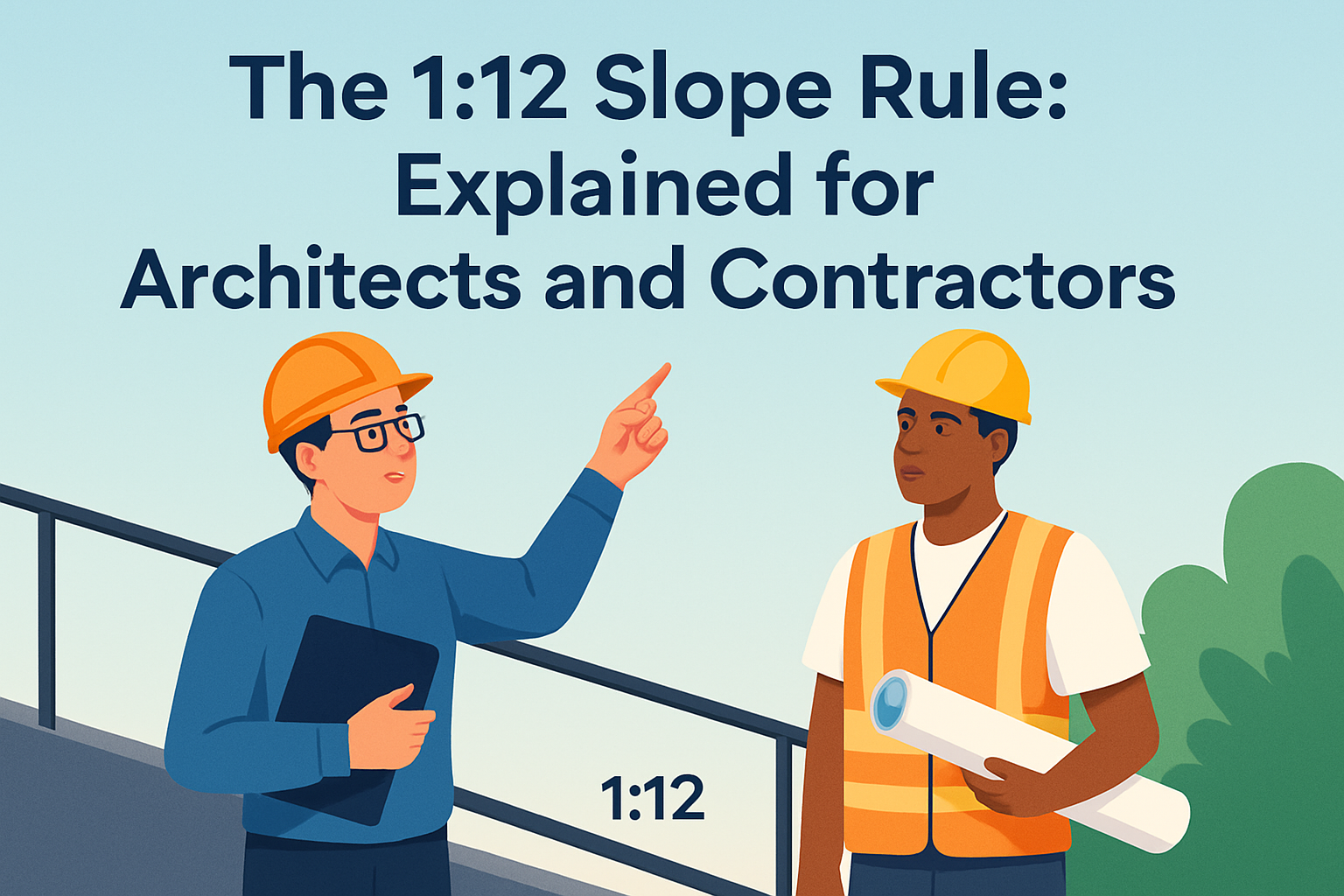
The 1:12 slope rule dictates that for every inch of vertical rise, there must be at least 12 inches of horizontal run. This creates a gentle slope and ensures that ramps are accessible to individuals who use wheelchairs, mobility scooters, walkers, or those with limited mobility. Adhering to this slope ratio is essential in providing safe and comfortable access to public buildings, commercial spaces, and residential properties.
Understanding the significance of the 1:12 slope rule is imperative for various reasons. First and foremost, compliance with this rule ensures that a building meets the Americans with Disabilities Act (ADA) requirements. This not only prevents potential legal penalties and fines but also enhances the reputation of the architect or contractor, showcasing their commitment to creating inclusive environments. Additionally, by understanding and implementing the 1:12 slope rule, professionals can design spaces that are not just compliant but also aesthetically pleasing and functional for all users.
Why the 1:12 Slope Rule Matters
The 1:12 slope rule is significant because it directly impacts the accessibility and safety of ramps. For example, a ramp with a steeper slope than 1:12 might be difficult or even hazardous for wheelchair users to navigate. Conversely, a slope that is too shallow may necessitate a longer ramp, which might not be feasible in spaces with limited room.
A real-world example of the 1:12 slope rule’s importance is when designing an entryway to a public building. Suppose an architect is tasked with constructing a new entrance ramp for a city library. The city has limited space, and the architect must adhere to ADA standards. By applying the 1:12 slope rule, the architect can ensure that the ramp is minimally intrusive while still being accessible. This balance between compliance and practicality is crucial in many construction projects.
Understanding the importance of this rule helps design professionals create plans that are safe, accessible, and compliant with legal standards. Beyond compliance, adhering to the 1:12 slope ratio demonstrates a commitment to inclusivity, underscoring a design philosophy that prioritizes the needs of all users.
Calculating Ramp Requirements Using the 1:12 Slope Rule
For architects and contractors, understanding how to calculate ramp needs is essential. To calculate the length of a ramp required using the 1:12 slope rule, consider these steps:
- Determine the total height the ramp needs to climb, known as the “rise.”
- Using the 1:12 ratio, for every inch of rise, multiply by 12 to calculate the “run” or horizontal distance.
- Factor in any additional considerations, such as landings, that might be necessary for longer ramps.
For instance, suppose a building’s entrance is 24 inches above ground level. According to the 1:12 rule, the ramp would need to be at least 288 inches (24 feet) long to comply with ADA guidelines. Calculating these dimensions helps ensure that the ramp is both legally compliant and safe.
Design Considerations: Beyond the Slope
While the 1:12 slope is the standard, architects and contractors must also consider additional design elements. These include width, landings, surface materials, and edge protection. Each of these factors plays a crucial role in the utility and safety of the ramp.
The following table illustrates various factors to consider when designing a ramp:
| Factor | Description |
|---|---|
| Width | Minimum of 36 inches to accommodate wheelchair users. |
| Landings | Flat areas at the top and bottom of ramps for safety and ease of use. |
| Surface Material | Non-slip materials to prevent accidents. |
| Edge Protection | Curbs or rails to prevent users from slipping off the ramp. |
Implementing these considerations alongside the 1:12 slope rule ensures that ramps are not only compliant but practical and safe for users. For instance, using a textured surface material can prevent slips and falls, enhancing the overall safety of the ramp. Similarly, including landings at strategic intervals allows for resting points, making longer ramps more user-friendly.
Overcoming Common Challenges in Ramp Design
One of the most frequent challenges in ramp design involves limited space. When space constraints are an issue, it might be tempting to reduce the slope to save on space, but doing so can compromise safety and accessibility. To manage space effectively without compromising the design, architects can incorporate switchback or L-shaped ramps that fit within tighter spaces while adhering to the 1:12 guideline.
Another challenge is addressing weather conditions. Environmental factors like snow, rain, and ice can create hazardous conditions on ramps. This necessitates the use of weather-resistant materials and strategic drainage solutions. For example, in a region prone to heavy snowfall, using heated ramp surfaces or incorporating drainage systems can prevent the accumulation of snow and ice, keeping the ramp safe year-round.
Considering these challenges early in the design process can help prevent costly revisions down the line and ensure the final product meets both functional and legal standards.
The Importance of Regular Maintenance
Maintaining ramps is essential to ensuring their long-term usability and compliance. Regular inspections and maintenance activities can prevent accidents and ensure that the ramp remains in optimum condition. Key maintenance tasks include checking for surface wear, inspecting handrails and edge protection, and ensuring the drainage systems are functioning correctly.
For example, a public school installed an accessibility ramp for student use. By incorporating a regular maintenance schedule, the school can ensure that the ramp remains safe and accessible over time, accommodating changes in weather and usage patterns. Regular maintenance not only safeguards users but also extends the ramp’s lifespan, making it a wise investment for building owners and managers.
Final Considerations: Legal Compliance and Aesthetics
Incorporating the 1:12 slope rule is indispensable from a legal standpoint. Failure to comply with ADA guidelines can lead to fines, legal action, and damage to an organization’s reputation. Beyond compliance, architects and contractors must also consider the aesthetics of ramp design. A well-designed ramp can enhance the overall appearance of a building and showcase attention to detail and craftsmanship.
For instance, a museum designed with a thoughtfully integrated accessibility ramp not only met regulatory requirements but also added to its modern architectural style. By using materials that matched the building’s facade and incorporating artistic elements, the ramp became both a functional and visually pleasing component of the structure.
Conclusion: Embracing the 1:12 Slope Rule
In conclusion, the 1:12 slope rule is a foundational concept for architects and contractors when designing accessible ramps. Adhering to this guideline ensures that structures are compliant with ADA regulations and are accessible to all individuals, regardless of mobility challenges. By understanding the practical implications of the 1:12 slope rule, professionals can create designs that prioritize safety, accessibility, and aesthetic appeal.
The key takeaways emphasize the importance of employing thoughtful design principles, mitigating challenges, ensuring regular maintenance, and celebrating accessibility through impactful design. Embracing the 1:12 slope rule is not just about meeting standards but about demonstrating a commitment to inclusive design in the built environment.
As a next step, architects and contractors should conduct a thorough review of current projects and plans, ensuring that the 1:12 slope rule is at the forefront of their design considerations. Moreover, they should remain informed about evolving accessibility standards and integrate these principles into every aspect of their work, fostering a more inclusive world for all.
Frequently Asked Questions
1. What is the 1:12 slope rule, and why is it important for architects and contractors?
The 1:12 slope rule is a crucial guideline in the construction industry, especially when designing ramps for buildings. This rule mandates that for every inch of vertical rise, there must be 12 inches (one foot) of ramp run. Essentially, the slope of a ramp should not be steeper than this ratio. This standard is vital because it ensures that ramps are safe and accessible to individuals with mobility impairments, such as those using wheelchairs, walkers, or crutches.
Adopting the 1:12 slope rule is not just about compliance; it’s about a commitment to inclusivity. By following this guideline, architects and contractors create an environment where people with disabilities can navigate spaces with dignity and independence. This standard is enshrined in many building codes and accessibility standards worldwide, making it an essential part of modern construction practices. The rule is also about preventing accidents; a steeper slope can be exceedingly difficult and dangerous to navigate, particularly in rainy or icy conditions, which could lead to slips or falls.
Moreover, the 1:12 slope requirement is often a minimum standard. There are circumstances, such as in areas with tight site constraints, where achieving a gentler slope is recommended for even greater accessibility. Therefore, understanding this rule is fundamental for the architectural and construction industries, ensuring that all new structures are designed with universal accessibility as a core principle.
2. How do architects and contractors implement the 1:12 slope rule in real-world projects?
Implementing the 1:12 slope rule in a construction project requires careful planning and design, as it affects both the structural layout and the allocation of space. Architects often start by evaluating the overall site layout to determine the best location for ramps, considering both the functional flow of the building and the necessary space to accommodate the required ramp length.
Once the location is determined, architects and designers create detailed schematics that outline the elevation changes and ramp dimensions. This plan includes calculating the total vertical rise that the ramp must cover and then applying the 1:12 ratio to determine the minimum length the ramp must span. Calculations also take into account landings, which should be spaced at necessary intervals to provide resting points for users, as mandated by accessibility standards.
Contractors, on the other hand, play a significant role during the construction phase to ensure accurate execution of these plans. They must carefully measure and grade the ramp site, paying close attention to maintaining the correct slope throughout the ramp’s length. Precision in grading and formwork is vital to ensure the ramp doesn’t exceed the maximum allowable slope, which can occur due to construction errors or natural ground variations.
In addition to following the 1:12 slope rule, contractors must also ensure that ramps have non-slip surfaces and are free from obstructions, which can affect usability and safety. They may also need to install handrails and lighting as per the applicable building and accessibility codes. Therefore, collaboration between architects and contractors is paramount to successful implementation of the 1:12 slope rule in any project.
3. Are there any exceptions or modifications to the 1:12 slope rule?
While the 1:12 slope rule is a widely accepted standard, there are exceptions and modifications that may apply under specific circumstances. Building codes and accessibility guidelines may allow for steeper slopes in certain situations, particularly where site constraints make it impractical to construct a ramp that adheres strictly to the 1:12 ratio.
For instance, in existing structures where space is limited, a maximum slope of 1:10 or even 1:8 may be permissible, but this often comes with additional requirements, such as shorter ramp lengths or additional landings, to ensure user safety and comfort. However, these exceptions typically require approval from local building authorities and must be justified with evidence that meeting the standard 1:12 slope is infeasible.
It’s crucial for architects and contractors to not only be aware of these exceptions but also to understand the local building codes and regulations that may apply. Variances often require careful planning and documentation, accompanied by safety measures to mitigate the impact of steeper slopes on users. Stakeholder consultations, including meetings with accessibility consultants, can provide insights into what is feasible and acceptable within the project’s constraints.
Additionally, any deviations from the 1:12 slope standard should still prioritize user accessibility and safety, ensuring the ramp remains functional for its intended use. Such thorough considerations and planning help maintain a balance between practical site limitations and the essential need for accessibility.
4. How does the 1:12 slope rule interact with other accessibility and building regulations?
The 1:12 slope rule is one component of a broader framework of accessibility and building regulations designed to ensure safe and inclusive environments for all users. This rule often intersects with other requirements outlined in standards like the Americans with Disabilities Act (ADA) in the United States, the Building Code of Australia, and the UK’s Building Regulations, among others.
These regulations typically encompass a wide range of stipulations beyond the slope itself, detailing specifications for ramp width, edge protection, surface materials, transitions between walkway surfaces, handrails, and tactile warnings. For example, ramps are usually required to have a minimum width to accommodate two-way traffic, and if they exceed a certain length, they may need intermediate landings to break up the slope and provide rest areas.
Compliance with the 1:12 slope rule is foundational, but it must be integrated into this network of regulations to ensure overall compliance. Architects and contractors need to be familiar with all relevant codes that pertain to their specific project location as these may vary globally or even regionally. In practice, this means designing ramps that not only adhere to slope requirements but also fit seamlessly within the surrounding built environment, enhancing usability and safety for all individuals, including those with varying disabilities.
The interaction between the 1:12 slope rule and other standards ensures comprehensive accessibility solutions that provide equal access to public and private facilities, acting as a benchmark for effective and inclusive design.
5. What challenges might architects and contractors face when applying the 1:12 slope rule?
Implementing the 1:12 slope rule can present several challenges, often arising from the physical constraints of a construction site or the demands of a specific project. One common challenge is space limitation, particularly in urban areas where plot sizes are constrained, which can make it difficult to accommodate the longer ramps that the 1:12 ratio requires.
In such cases, creative design solutions are often necessary, such as incorporating switchbacks or zigzag patterns to fit the ramp within a smaller footprint while still meeting accessibility standards. However, these designs can be more complex and costly to construct, requiring additional planning and resources.
Another challenge may involve navigating existing landscapes. Sites with significant natural inclines or varying topography can complicate the grading process and maintenance of a consistent slope. Accurate site assessments and possibly employing tiered construction methods or retaining structures might be needed to achieve an adherence to the rule.
Contractors may also face difficulties relating to construction accuracy and material selections, ensuring that the ramp surface is non-slippery yet durable and aesthetically pleasing. Another layer of complexity is added with the requirement for additional features like handrails and lighting, which need to be accommodated within the ramp design.
Moreover, balancing budgetary constraints with the need for compliance can be a significant hurdle. Ensuring that building within the 1:12 guidelines doesn’t excessively inflate project costs requires strategic planning and efficient resource allocation. For architects and contractors, addressing these challenges requires a combination of innovative design, technical expertise, stakeholder collaboration, and a thorough understanding of both current regulations and the practical realities of construction. By navigating these challenges effectively, they can achieve compliant and successful ramp installations that serve all users.