The discussion around accessibility in recreational activities frequently overlooks a crucial component—shooting facilities and firing positions. As shooting sports continue to gain popularity, the need to make these facilities accessible to individuals of all abilities becomes increasingly critical. Accessibility, in this context, refers to the design and implementation of facilities that can be used by people with diverse physical and cognitive abilities. This is not only a matter of compliance with regulations such as the Americans with Disabilities Act (ADA) but also an ethical obligation. Ensuring that shooting facilities are accessible amplifies inclusiveness, promotes equality, and enhances the experience for all participants. There can be numerous barriers, such as physical inaccessibility, lack of adaptive equipment, or inadequate instruction methods, that preclude individuals from participating fully. Therefore, setting and adhering to standards for accessibility is imperative for shooting facilities aiming to serve a broad audience.
Designing Accessible Firing Positions
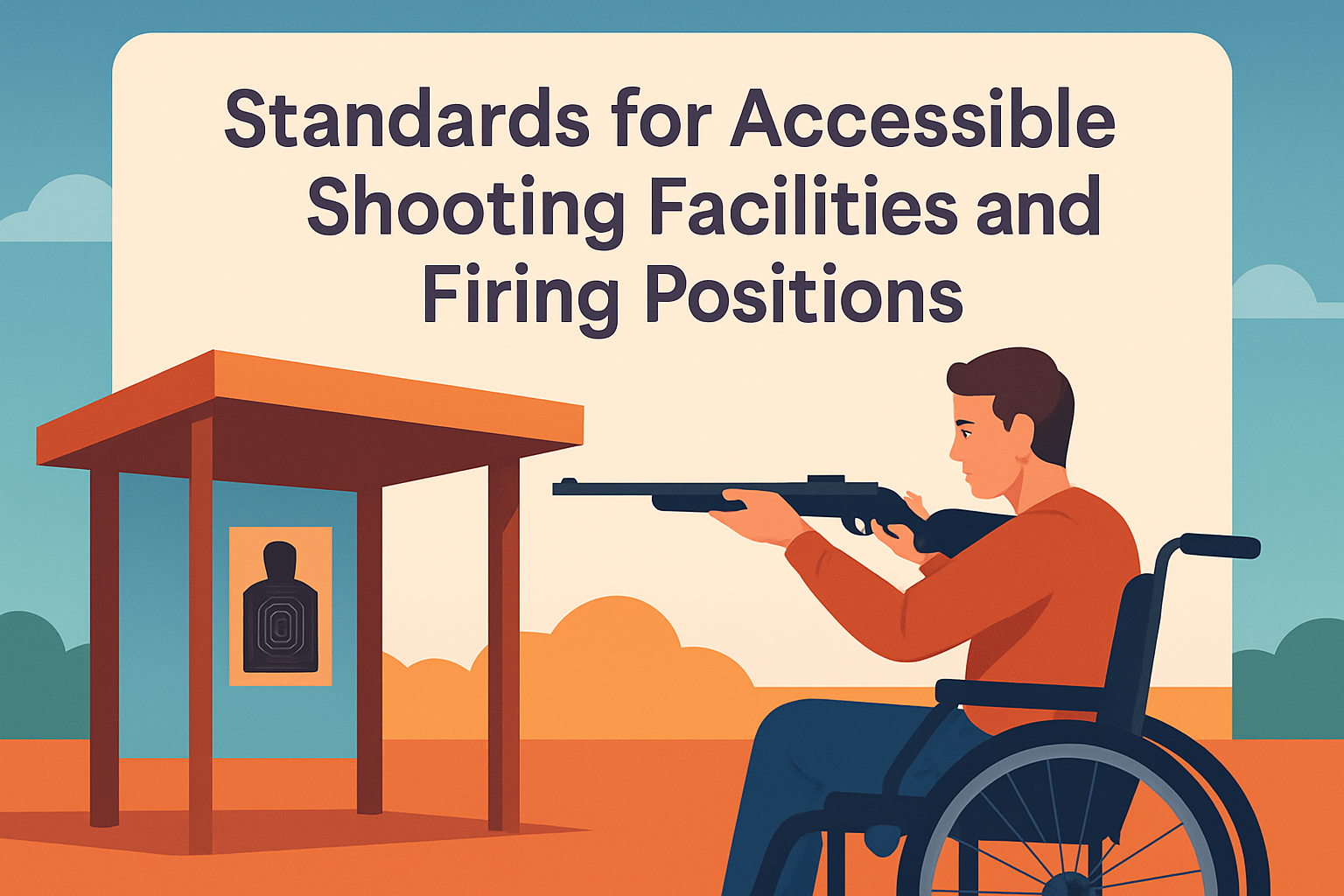
One of the foremost considerations in making shooting sports accessible is the design of firing positions that accommodate different needs. An accessible firing position is one that allows shooters with various physical abilities to engage in shooting activities comfortably and effectively. This includes considerations for individuals who use wheelchairs or have limited mobility. For instance, firing positions should be adjustable so that the height and angle can be modified to suit the shooter. Facilities can incorporate adjustable benches or stands to cater to these needs. Controls and mechanisms for target retrieval and scoring should be within easy reach for all users.
An example of successful implementation is the Ben Avery Shooting Facility in Arizona, which has made commendable adjustments in their shooting lanes to accommodate users with disabilities. By ensuring that shooting benches are adjustable and the pathways to the firing positions are wide and accessible, Ben Avery has set a benchmark in inclusive design. These accommodations ensure that everyone can participate in shooting sports without feeling left out due to physical barriers.
Adaptive Equipment for Inclusive Shooting
Adaptive equipment can significantly enhance the ability of individuals with disabilities to participate in shooting sports. Such equipment includes specialized grips, harnesses, and trigger mechanisms that can be used by people with limited hand strength or dexterity. For individuals with visual impairments, adaptive scopes and laser-assist technology can also be incredibly useful. Shooting facilities should maintain a stock of adaptive equipment and provide guidance on its use to ensure proper accommodation of all participants.
Shooting ranges like the Buffalo Shooting Club in New York exemplify the importance of offering adaptive equipment. They provide an array of devices that cater to various needs, accompanied by trained staff who assist users with setup and adjustments. This approach not only promotes inclusiveness but also enhances the safety and enjoyment of the sport for all participants.
Training Staff for Accessibility Awareness
Beyond physical modifications and adaptive equipment, another critical component of accessibility in shooting facilities is the training of staff. Staff members should be knowledgeable about the specific needs of users with disabilities and be prepared to offer assistance as required. This includes understanding how to operate and assist with adaptive equipment, providing clear instructions, and ensuring the overall safety of all participants.
A real-world example can be drawn from the Green Mill Sportsman’s Club in Illinois, which stresses the need for staff to undergo training focused on accessibility. Employees participate in specialized workshops where they learn about disability etiquette and adaptive technologies, thus empowering them to provide excellent service to all shooters. This proactive approach ensures that the staff is well-prepared to create a comfortable and inclusive environment.
Practical Considerations: Pathways and Restrooms
Another vital aspect of accessibility involves the infrastructure surrounding the shooting areas. Pathways leading to the firing positions should be paved and free of obstructions, offering adequate space for easy navigation. Similarly, restrooms should adhere to ADA guidelines, providing features such as grab bars, wide doorways, and lower sinks to accommodate individuals with mobility limitations.
| Facility Aspect | Accessibility Feature |
|---|---|
| Pathways | Wide, paved, and obstruction-free |
| Restrooms | Grab bars, wide doorways, ADA-compliant fixtures |
| Parking | Reserved accessible spots near entrances |
The Rocky Mountain Gun Club in North Carolina has effectively implemented these considerations, ensuring accessible pathways and modifying restrooms to meet comprehensive accessibility standards. This holistic approach extends beyond just the shooting range itself, making the entire facility welcoming for everyone.
Community Engagement and Feedback
Lastly, continuous improvement in accessibility often stems from engaging directly with the community served by the facility. Soliciting feedback from users who have disabilities can provide invaluable insights into how facilities can improve accessibility features. Establishing a feedback loop with these users not only helps refine current offerings but also strengthens community ties and elevates the shooting experience for future participants.
A notable example is the Black Hills Rifle Range in South Dakota, which maintains regular community workshops and feedback sessions. Participants are invited to share their experiences and suggest improvements. Based on this feedback, the range has implemented several changes over the years, including adjustments to equipment and infrastructure. Such community engagement ensures that the facility remains at the forefront of accessibility standards.
Conclusion
The significance of creating accessible shooting facilities extends far beyond mere compliance with legal standards. Accessibility in shooting sports ensures that everyone, regardless of physical or cognitive abilities, has the opportunity to participate and enjoy the experience. By designing adaptable firing positions, offering adaptive equipment, training staff, and considering infrastructure, shooting ranges can break down barriers to inclusion. Additionally, actively involving the community in decision-making processes further enhances the accessibility and friendliness of these facilities.
The key takeaway is that accessibility should be ingrained in the philosophy of all shooting facilities to foster an inclusive sporting environment. By taking actionable steps towards inclusivity, facilities not only comply with regulations but also open their doors to a wider audience, enhancing the richness of the shooting sport’s community. Whether you are a manager, participant, or stakeholder in a shooting sports facility, consider examining your local range’s accessibility features and advocate for improvements where needed. Together, we can work towards equitable access for all enthusiasts in shooting sports.
Frequently Asked Questions
1. Why is accessibility important in shooting facilities and firing positions?
Accessibility in shooting facilities and firing positions is crucial because it ensures that individuals of all abilities, whether they have physical or cognitive challenges, can participate in shooting sports. By making these facilities accessible, we embrace inclusivity and provide equal opportunities for everyone to enjoy recreational activities. It’s not just about compliance with legal standards; it’s about fostering a welcoming and supportive community. When people see that they can participate comfortably and safely, it encourages greater participation, which in turn enriches the community and promotes diversity in the sport.
Moreover, accessible shooting facilities provide individuals with disabilities the chance to partake in competitive shooting events, hunting, and other shooting-related activities, which can be highly beneficial for physical therapy, social interaction, and personal empowerment. By prioritizing accessibility, we enhance the recreational environment for all users, foster a culture of inclusion, and contribute to the overall growth of shooting sports as a popular, mainstream activity.
2. What are some key features of accessible shooting facilities?
Accessible shooting facilities should incorporate several design features to accommodate people with various abilities. First and foremost, ramps or lifts should be installed to navigate changes in elevation, ensuring wheelchair users or those with mobility impairments can easily enter and traverse the facility. The pathways should be wide enough to accommodate wheelchairs and should be smooth to aid those using mobility aids.
At the firing positions themselves, adjustable benches and rifle rests are essential. These need to be adaptable to different heights and types of firearms to cater to individual needs. For individuals who have difficulty with fine motor skills, firearms with adaptive controls or enhancements are ideal.
Moreover, the signage around the facility should be clear, with high-contrast colors and large, easily readable fonts to assist those with visual impairments. Additionally, it’s important to consider auditory aids for announcements and instructions, making sure these are heard by individuals with hearing difficulties. Wherever possible, facilities should also provide training staff who are qualified to assist people with various disabilities and understand their specific needs.
3. How can cognitive accessibility be addressed in firing positions?
Cognitive accessibility in firing positions means designing spaces and processes that are intuitive and easy to understand for individuals with cognitive impairments. The layout of the shooting range should minimize confusion with clear, simple signage and a straightforward flow from entrance to firing position to exit.
Instructional materials such as guides or checklists should be provided in plain language with visual aids for those who might struggle with reading or following complex instructions. Safety rules must be communicated effectively using both visual displays and customizable alerts or reminders that can be tailored to each user’s cognitive needs.
Some facilities may offer personalized shooter safety and handling workshops to ensure that individuals with cognitive impairments fully understand the operation of firearms and act safely within the range. Staff should be trained to assist and communicate effectively with these individuals, providing them with the support they need to have a positive and safe shooting experience.
4. What role does training and staff awareness play in creating accessible shooting facilities?
Training and staff awareness are crucial in creating accessible shooting facilities. Well-trained staff are an invaluable resource for ensuring that individuals with disabilities receive the support and assistance they need. This includes understanding different types of disabilities, knowing how to operate assistive equipment, and providing instructions or assistance specifically tailored to the individual’s requirements.
Awareness training for staff can cover not just the physical aspects of accessibility, but also the interpersonal skills necessary for creating a welcoming and inclusive atmosphere. Sensitivity, patience, and communication skills are vital for staff to effectively support participants with diverse needs, ensuring their safety and enhancing their shooting experience.
Furthermore, staff should be knowledgeable about adaptive equipment and how to facilitate their use. For shooting competitions or organized activities, staff should be adept at making necessary accommodations to secure equal opportunities for all participants. Continuous education and training enable the staff to stay informed about the latest accessibility guidelines and technologies, thus maintaining high standards of inclusive practice.
5. Are there specific regulations regarding accessibility in shooting facilities?
Yes, many countries have regulations geared towards ensuring accessibility in public venues, which include shooting facilities. In the United States, for instance, the Americans with Disabilities Act (ADA) sets out guidelines that public facilities must adhere to, promoting equal access and usage rights for all individuals. This involves the structural aspects, like ramps and accessible restrooms, as well as policy considerations, such as service and program accessibility.
In addition to country-specific laws, many local jurisdictions may have their own building codes and standards that address accessibility in recreational spaces. Furthermore, these regulations are not static; they evolve over time as new insights and technologies emerge, pushing facilities to continuously update their infrastructure and practices.
It’s essential for shooting ranges and facilities to not just meet these regulations but exceed them where possible, going beyond mere compliance to create truly inclusive environments. Consulting with accessibility experts, collaborating with disability advocacy groups, and incorporating feedback from facility users with disabilities can ensure that these standards are effectively met and that facilities remain leaders in accessibility for shooting sports.