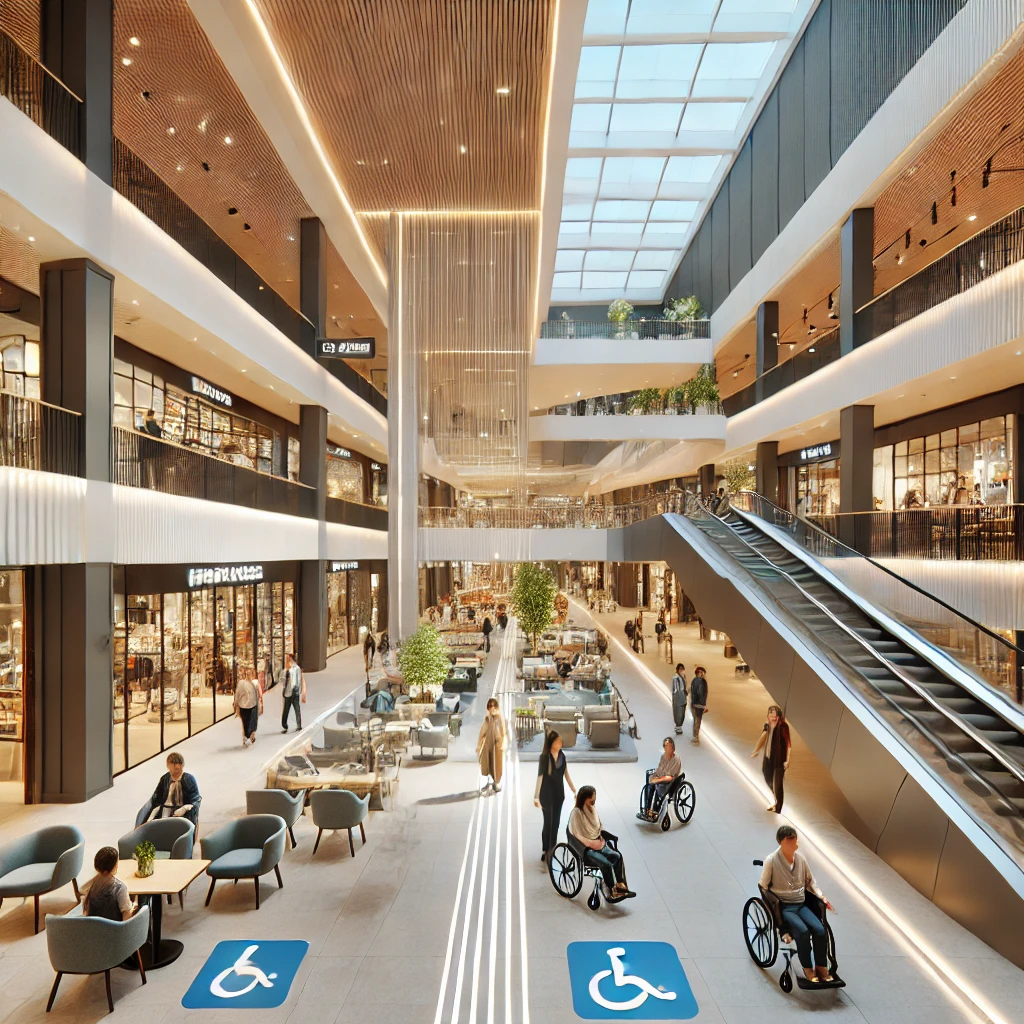
Shopping malls are bustling hubs of activity, attracting millions of visitors every year. They provide a one-stop destination for shopping, dining, and entertainment. However, for individuals with disabilities, these spaces can present significant challenges if not properly designed and maintained. This is where the Americans with Disabilities Act (ADA), specifically Title III, comes into play. Title III of the ADA mandates that public accommodations, such as shopping malls, ensure accessibility for people with disabilities. Adopted in 1990, the ADA is a comprehensive civil rights law that aims to eliminate discrimination and promote equal opportunities for individuals with disabilities.
Title III focuses on public accommodations, which include:
- Businesses open to the public
- Nonprofit service providers
- Privately operated entities offering public transportation
In this article, we will delve into the specific requirements of ADA Title III as they pertain to shopping malls. We will explore the various elements that these establishments must consider to ensure compliance, ranging from physical aspects like entrances and restrooms to service-related aspects such as effective communication. Additionally, we will discuss the legal implications of non-compliance and offer guidance on how mall operators can make their spaces more inclusive.
Understanding these requirements is not just about legal compliance; it’s about fostering an inclusive environment where everyone has the opportunity to participate fully in the community. Whether you are a mall owner, manager, tenant, or simply a concerned citizen, this article will provide valuable insights into ADA Title III compliance.
Accessibility Standards for Entrances and Exits
When it comes to ADA compliance, one of the first aspects that shopping malls must address is the accessibility of their entrances and exits. The ADA requires that all public entrances be accessible to individuals with disabilities, including those who use wheelchairs and other mobility devices.
Here are some key considerations for ensuring that entrances and exits are ADA compliant:
- Doorways: Doorways must be wide enough to accommodate wheelchairs. The ADA stipulates a minimum clear width of 32 inches for doorways.
- Ramps and Elevators: In cases where there are steps leading to an entrance, ramps or elevators should be provided as an alternative for individuals with mobility impairments. Ramps must have a slope ratio of 1:12, meaning for every inch of height, there should be 12 inches of ramp.
- Automatic Doors: Automatic doors can be a significant help for individuals with disabilities, especially those with limited upper body strength. While not always required, their inclusion is highly recommended.
- Signage: Clear, visible signage indicating accessible entrances and exits is crucial. Signs should include the International Symbol of Accessibility.
Ensuring that entrances and exits are accessible not only helps to comply with the ADA but also makes a shopping mall more welcoming and convenient for all visitors. These modifications can often be straightforward and cost-effective, particularly when compared to the potential legal ramifications of non-compliance.
Accessible Routes and Paths of Travel
Once individuals with disabilities enter a shopping mall, they must be able to navigate the space easily. Title III of the ADA requires that there be accessible routes that connect all accessible elements and spaces within a facility.
Accessible routes must meet the following criteria:
- Width: The route must be at least 36 inches wide continuously, with a few exceptions for doorways and other narrow spaces where the width may be reduced to 32 inches for short distances.
- Surface: The path of travel must be stable, firm, and slip-resistant. Carpets should have a low pile and be securely attached to the floor.
- Slope: Ramps and pathways should have gentle slopes. The maximum slope for a ramp is 1:12, and the maximum cross slope for a path is 1:48.
- Obstructions: Routes must be free from obstructions. This includes ensuring that displays, merchandise, and other items do not block the path of travel.
- Elevation Changes: Elevators and accessible lifts must be available where there are significant changes in level within the mall. Stairs should not be the only means of access between different floors.
It is essential for mall operators to regularly inspect accessible routes to ensure that they remain clear and in good condition. Small changes like moving a display or adjusting carpet can make a considerable difference in accessibility.
In addition to physical accessibility, creating a clear and intuitive wayfinding system can greatly enhance the shopping experience for individuals with disabilities. This can include features such as tactile maps, audible wayfinding, and mobile app guidance.
Accessible Restrooms
Restrooms are a critical consideration for ADA compliance in shopping malls. There are specific requirements that restrooms must meet to be considered accessible. These requirements cover various elements, including doors, stalls, sinks, and fixtures.
Here are some key requirements for ADA-compliant restrooms:
- Doors: Restroom doors must be wide enough to accommodate wheelchairs and should have handles that can be operated with one hand without tight grasping, pinching, or twisting of the wrist.
- Stalls: At least one stall must be accessible. This stall must have sufficient space for a wheelchair to maneuver and be equipped with grab bars. The door to the stall should swing outward to maximize space inside.
- Sinks and Fixtures: Sinks should be mounted at a height that allows for use by individuals in wheelchairs. Faucets should be operable with one hand and require minimal force. Mirrors must be mounted with the bottom edge no higher than 40 inches from the floor.
- Signage: Clear and visible signage indicating the presence of accessible restrooms is essential. Signs should be mounted so that they are easily readable by individuals with varying degrees of vision.
It’s important to note that accessible restrooms should not be located far away from main areas or require extensive travel to reach. Ideally, they should be distributed evenly throughout the mall to ensure easy access for all.
Ensuring accessible restrooms involves both ongoing maintenance and regular inspections to guarantee that everything remains functional and compliant with ADA standards. Addressing these areas not only fulfills legal obligations but also enhances the comfort and dignity of all mall patrons.
Service Animals and Auxiliary Aids
Service animals and auxiliary aids are essential for many individuals with disabilities. The ADA provides specific guidelines on the use of service animals and the provision of auxiliary aids in public accommodations, including shopping malls.
Here are some key points regarding service animals and auxiliary aids:
- Service Animals: Service animals, typically dogs, must be allowed in all areas where the public is permitted. They are trained to perform specific tasks related to the individual’s disability. Staff should be trained to understand and respect the rights of individuals with service animals.
- Communication Aids: For individuals with hearing or vision impairments, malls must provide appropriate auxiliary aids. This can include things like TTY (teletypewriter) devices for communication, assistive listening systems, and braille or large print materials. It’s essential to assess the needs of visitors and provide the necessary aids promptly.
- Staff Training: Mall staff should be educated about the ADA guidelines regarding service animals and auxiliary aids. They should know what questions they can and cannot ask about a service animal and how to provide auxiliary aids effectively.
- Signage: Visible signage indicating the availability of auxiliary aids and services can be immensely helpful. This ensures that individuals with disabilities are aware of the accommodations available to them.
Providing accommodations for service animals and auxiliary aids fosters an inclusive environment where all individuals have equal access to the services and amenities offered by the shopping mall. It’s important for mall operators to regularly review and update their policies to ensure they remain current with ADA requirements and best practices.
Legal Implications of Non-Compliance
Failure to comply with ADA Title III can have significant legal and financial repercussions for shopping malls. Non-compliance can result in both federal and state enforcement actions, as well as private lawsuits.
Here are some potential consequences of not adhering to ADA guidelines:
- Fines and Penalties: The Department of Justice (DOJ) is responsible for enforcing ADA Title III and can impose fines and penalties on non-compliant businesses. The fines can range from thousands to tens of thousands of dollars, depending on the severity and duration of the violation.
- Litigation: Individuals with disabilities can file lawsuits against non-compliant businesses. Successful claims can result in compensatory damages, attorney fees, and the cost of retrofitting facilities to meet ADA standards.
- Reputation Damage: Public perception is crucial for any business. Non-compliance with ADA regulations can lead to negative publicity, damaging the reputation of the mall and potentially leading to a loss of customers.
- Operational Disruptions: Addressing ADA violations often requires significant modifications to the facility. This can lead to temporary closures or disruptions in mall operations, affecting both tenants and visitors.
Mall operators should take a proactive approach to ADA compliance by conducting regular audits and addressing any identified issues promptly. Collaborating with accessibility consultants and legal experts can help in understanding and fulfilling the requirements effectively.
Maintaining ADA compliance is an ongoing process that requires commitment and diligence. By prioritizing accessibility, shopping malls not only adhere to legal obligations but also demonstrate their dedication to creating an inclusive and welcoming environment for all visitors.
Conclusion
The Americans with Disabilities Act (ADA) Title III plays a vital role in ensuring that shopping malls are accessible to all individuals, including those with disabilities. By adhering to the ADA’s guidelines, mall operators can create an inclusive environment that welcomes everyone, regardless of their abilities.
From ensuring accessible entrances and clear routes to providing accessible restrooms, accommodating service animals, and offering auxiliary aids, there are numerous elements that shopping malls must consider for compliance. Each of these aspects contributes to a more accessible and user-friendly shopping experience.
Non-compliance with ADA Title III can have serious legal and financial consequences, including fines, litigation, and damage to the mall’s reputation. Therefore, it is crucial for mall operators to prioritize ADA compliance by conducting regular audits, providing staff training, and seeking guidance from accessibility professionals and legal experts.
Ultimately, ADA compliance is not merely about meeting legal requirements; it is about fostering inclusivity and ensuring that everyone has the opportunity to fully participate in and enjoy the amenities offered by shopping malls. By committing to accessibility, shopping malls can enhance the experience of all visitors and contribute to a more inclusive society.
Frequently Asked Questions
1. What is ADA Title III and how does it affect shopping malls?
The Americans with Disabilities Act (ADA) is a comprehensive civil rights law that prohibits discrimination against individuals with disabilities in various areas, including public accommodations. Title III of the ADA specifically addresses public accommodations and commercial facilities. It requires that shopping malls, being public spaces, provide equal access to individuals with disabilities. This means that malls must ensure that physical barriers affecting accessibility are removed or altered to permit full and independent use by everyone. From ramps to wider doorways and accessible restrooms, malls are expected to be inclusive environments where people with disabilities can shop, dine, and enjoy entertainment without hindrance. By complying with ADA Title III, shopping malls not only foster inclusivity but also potentially increase their clientele, capturing a broader demographic of consumers.
2. What are the key architectural elements that malls must modify to be ADA compliant?
Compliance with ADA Title III involves several architectural considerations to ensure accessibility for everyone. Key elements that malls need to focus on include entrances, doorways, parking lots, signage, and accessible routes. – **Entrances and Doorways:** Malls are required to have at least one accessible public entrance. Doorways must be wide enough to accommodate wheelchairs, typically a minimum of 32 inches when the door is open 90 degrees. – **Parking Lots:** Parking facilities must include designated accessible parking spaces, properly marked with the international symbol of accessibility. These spaces should be the shortest accessible route to an accessible entrance. – **Signage:** Clear, high-contrast signs with Braille should be used to assist individuals with visual impairments in navigating the mall. – **Accessible Routes:** Malls should have clear, navigable pathways devoid of obstructions, which are at least 36 inches wide. Additionally, they should provide ramps or elevators as alternatives to stairs and create rest areas on long pathways. By addressing these architectural elements, malls not only adhere to legal requirements but enhance the shopping experience for all their visitors.
3. How does ADA compliance benefit shopping malls economically?
While ADA compliance is primarily about ensuring equal access and rights for individuals with disabilities, it also presents several economic benefits for shopping malls. Firstly, an accessible environment attracts more visitors. According to consumer behavior research, people with disabilities represent a significant part of the market. When malls are seen as inclusive and easy to navigate, they are more likely to draw in not only individuals with disabilities but also their friends, families, and caregivers, creating a multiplying effect on foot traffic and sales. Furthermore, ADA compliance minimizes the risk of lawsuits related to accessibility, which can be costly both in terms of finances and reputation. Malls that proactively adopt inclusive practices may also enhance their brand image, fostering a positive public perception that appeals to socially conscious consumers. Thus, by embracing ADA compliance, malls can boost their clientele and protect their financial bottom line.
4. What are the consequences for shopping malls if they fail to comply with ADA Title III?
Non-compliance with ADA Title III can have serious repercussions for shopping malls. Failure to meet accessibility standards can result in legal action taken by individuals or advocacy groups who believe their rights have been infringed upon. Such lawsuits can lead to significant financial penalties and may compel the mall to undertake costly renovations to address deficiencies. Moreover, litigation can damage a mall’s reputation, deterring potential patrons and resulting in lost revenue over time. Beyond legal consequences, failure to provide an accessible environment can tarnish a mall’s image and undermine public trust. Customers may opt to frequent more inclusive spaces, knowing their needs will be better accommodated. Therefore, it is in a mall’s best interest to adhere to ADA requirements, not just from a legal standpoint, but as part of a broader commitment to customer service and community inclusivity.
5. How can shopping malls ensure they meet ADA standards and maintain compliance over time?
Ensuring long-term ADA compliance is an ongoing process for shopping malls. Firstly, malls should conduct an initial comprehensive accessibility audit to identify areas that need improvement. This audit should be performed by professionals familiar with the latest ADA standards and can guide the necessary modifications to infrastructure and facilities. – **Staff Training:** Regularly train staff on how to assist customers with disabilities and on the details of the mall’s accessibility features. This training should be part of the orientation for new employees and part of ongoing team development. – **Routine Maintenance:** Establish a schedule for routine checks and maintenance of accessibility features, such as elevators, ramps, door openers, and restroom facilities, ensuring they remain in good working order. – **Community Engagement:** Engage with disability advocacy groups or representatives from the disabled community for input. This can provide insights into areas needing improvement and foster a more inclusive atmosphere. – **Ongoing Updates:** As ADA standards evolve, malls should stay informed and update their facilities accordingly. Periodic repeat audits can help verify and maintain compliance. By being proactive and continually seeking improvement, shopping malls can not only adhere to legal requirements but also demonstrate their commitment to supporting all visitors, enhancing their overall shopping experience.


