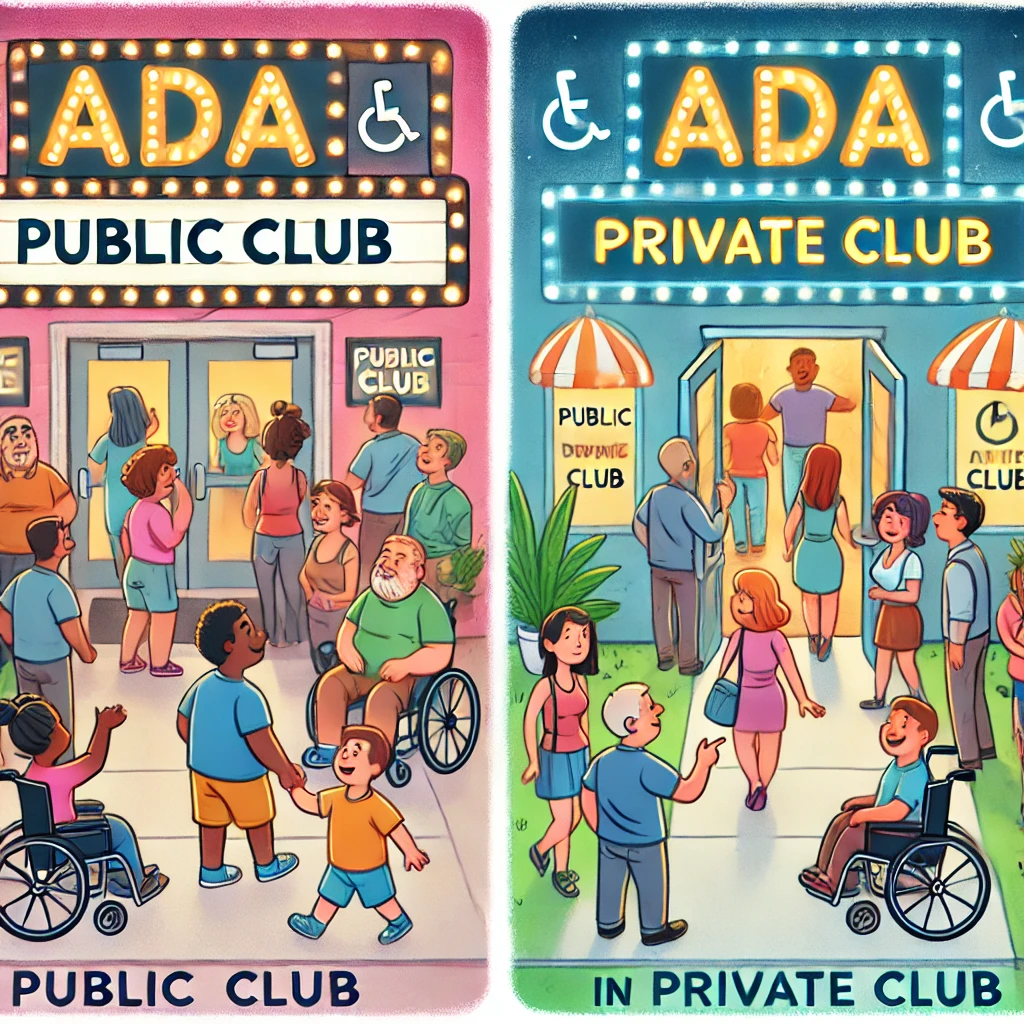
The Americans with Disabilities Act (ADA) stands as a monumental piece of legislation in the fight for the rights of individuals with disabilities. Established in 1990, the ADA prohibits discrimination against individuals with disabilities in all areas of public life, from workplaces to transportation—and yes, to sports and fitness centers as well. Often, fitness facilities and sports venues can unconsciously become barriers to individuals with disabilities seeking to improve their health, socialize, or compete. But with the ADA in play, more individuals are finding their way through these obstacles and experiencing sports and fitness in accessible and inclusive environments. This article will delve into case studies and real-world applications showcasing the tangible impact of ADA rights in sports and fitness settings. We’ll explore how several pioneers in the industry have adapted to accommodate these rights, ensuring that participation in sports and fitness is a reality for everyone. Through these stories, we hope to provide insight, inspire advocacy, and offer guidance on overcoming challenges that still persist today.
Understanding ADA Compliance in Fitness and Sports
Achieving ADA compliance in sports and fitness centers involves understanding and implementing several key components of the legislation. Fitness centers, gyms, and sports venues are classified as public accommodations under the ADA, meaning they are required to make both their facilities and services accessible to individuals with disabilities. This can include making alterations to buildings to remove physical barriers, including the installation of ramps, elevators, and automatic doors. It also requires the availability of adaptive equipment and ensuring that policies and procedures accommodate diverse needs. Staff training plays a crucial role as well—creating an environment where staff members can confidently and effectively assist individuals with disabilities is vital. Additionally, communication is a cornerstone of ADA compliance. Signage, websites, and information should be accessible to all, with tools such as Braille, audio materials, and voice navigation systems for those with vision impairments. By addressing these aspects, fitness centers and sports facilities set the foundation for inclusivity and accessibility. However, while this understanding is vital, real-world applications are where theory meets practice.
Case Study: Equitable Access in Community Gyms
One remarkable case of ADA implementation in a sports facility can be seen in a community gym in Portland, Oregon. Before the ADA, Jim’s Fit Club had limited accessibility, with steps at the entrance and narrow pathways that posed challenges for individuals using wheelchairs. After several grievances filed by advocates, and in alignment with ADA requirements, the gym management re-evaluated their infrastructure. Committed to change, they installed a ramp at the entrance, widened pathways, and replaced standard equipment with adaptive machines accessible to all. The impact was transformative. Participatory rates of individuals with disabilities in their programs increased by 40% over the following year. Beyond physical modifications, staff members participated in comprehensive training sessions focused on disability awareness and etiquette. This fostered an inclusive and welcoming environment, helping athletes with disabilities feel like a part of the community. The leadership at Jim’s Fit Club demonstrated that embracing ADA compliance is not only a legal responsibility but also serves as a conduit for community growth and engagement.
Adaptive Sports: Breaking Barriers Beyond the Gym
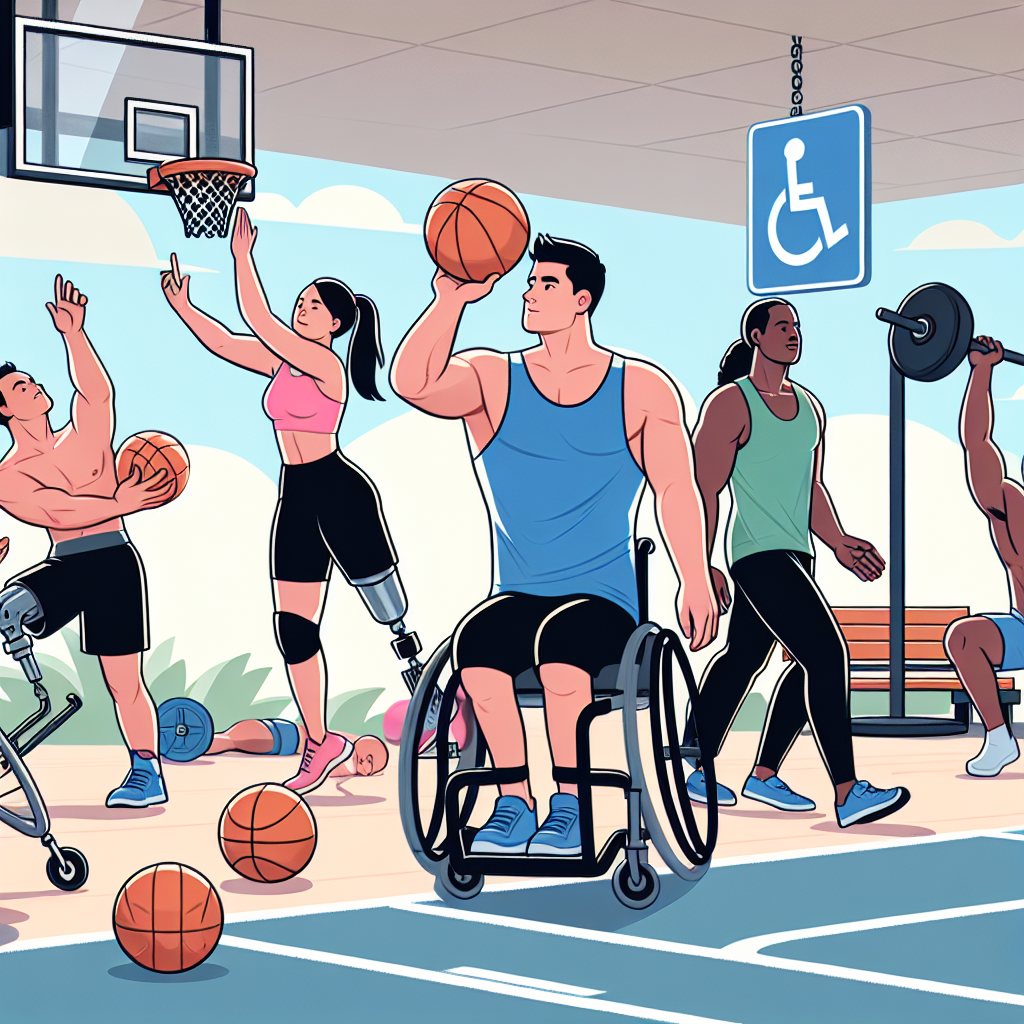
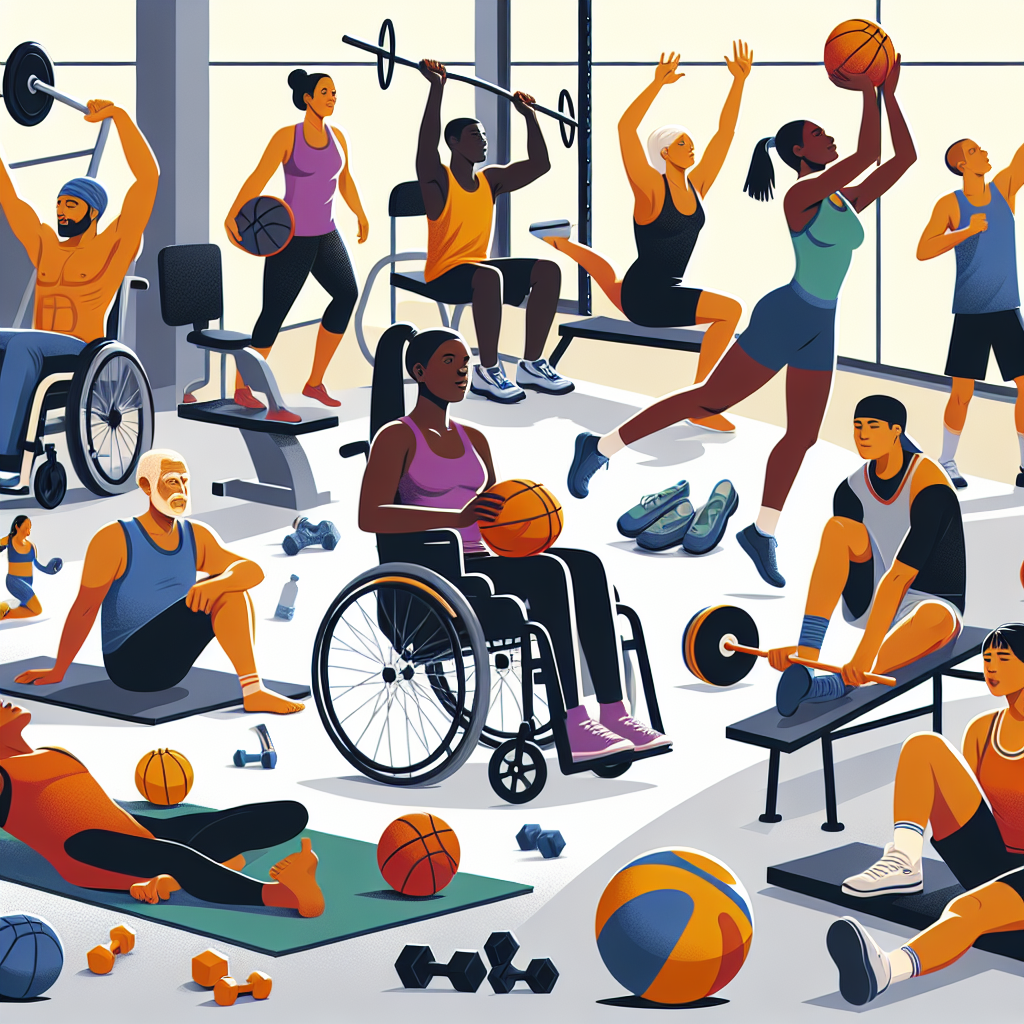
Adaptive sports are a poignant manifestation of the ADA’s influence, where inclusivity and accessibility breakthroughs shine. Adaptive sports encompass a range of sports modified to meet the needs of individuals with disabilities. One exemplary case is wheelchair basketball, which has gained popularity across the United States. Leagues have formed in cities nationwide, empowered by the principles of the ADA, using gymnasiums with ramps and accessible court designs. The recognition of adaptive sports has expanded beyond hobbyist circles into organized, competitive realms, such as the Paralympic Games. Through these platforms, individuals with disabilities are breaking past societal limitations and reshaping what it means to be an athlete. Initiatives like the Adaptive Sports Fund support various programs, offering grants and resources to ensure that financial constraints do not pose additional barriers to participation. The movement, inspired by ADA mandates and fueled by passionate advocates, exemplifies the principle that sports should be accessible to everyone, enabling athletes to pursue their passions without limitations.
Challenges Remain: The Road to Total Inclusivity
Despite the strides made in ADA implementation, challenges remain in ensuring total inclusivity in sports and fitness settings. Budget constraints can hinder small facilities from making necessary accessibility modifications. Additionally, there remains a lack of awareness in some communities, where stigma and misconceptions about disabilities continue to affect policy and practice. The journey to complete inclusivity also involves navigating subtler elements such as promoting a culture that respects and recognizes the rights and potential of individuals with disabilities. Facilities can sometimes view ADA compliance as an afterthought rather than integrating inclusivity into their core ethos. Furthermore, enforcement of ADA standards is often reactive, with change spurred by complaints rather than proactive initiatives. Advocacy and education are key in overcoming these obstacles. Collaborative efforts among community leaders, policymakers, and individuals with disabilities can foster a culture that prioritizes accessibility from conception, not just in response to regulation.
Real-World Impact: Stories of Empowerment Through Fitness
The stories of empowerment generated by ADA-compliant sports and fitness experiences speak volumes. Take the story of Maria, a young woman born with cerebral palsy who found her passion through an adaptive yoga class. The ADA-compliant studio ensured that Maria had access to appropriate equipment and a trained instructor who could modify routines to suit her abilities. Through participation in these classes, Maria not only gained physical strength but also developed a supportive community that impacted her mental well-being. Similarly, in Texas, a group of young men with visual impairments formed a hiking club. A state park adapted its trails with tactile pathways and Braille-enhanced information points, inspired by ADA recommendations, enabling them to reconnect with nature and foster independence and confidence. These examples illustrate the transformative power of ADA compliance in sports and fitness, reminding us of the importance of fostering environments that champion accessibility and celebrate diversity.
Conclusion: Moving Forward with Inclusive Intentions
The path toward inclusivity in sports and fitness, though marked with triumphs, is one that requires continued dedication and collective effort. With the ADA as a guiding beacon, we must strive to create environments where everyone, irrespective of their physical capabilities, can participate fully and freely. By sharing stories of successful advocacy and highlighting real-world applications, we can inspire others to champion change in their communities. At the core, ensuring accessibility in sports and fitness means honoring the rights and identities of individuals with disabilities, providing equal opportunities to enjoy the many benefits of physical activity. As we look to the future, stakeholders—including facility owners, policymakers, and community members—are encouraged to embrace inclusivity with intentionality and innovation. Together, we can overcome remaining obstacles and cultivate spaces that celebrate athleticism in all its forms. Through dedicated action, advocacy, and awareness, we can ensure that the spirit of the ADA lives on, paving the way for an inclusive tomorrow in sports and fitness.
Frequently Asked Questions
1. What is the role of the ADA in sports and fitness environments?
The Americans with Disabilities Act (ADA) plays a crucial role in ensuring that sports and fitness environments are accessible and inclusive for individuals with disabilities. Established in 1990, the ADA is a federal civil rights law that prohibits discrimination against people with disabilities in all areas of public life, including sports facilities and fitness centers. This legislation mandates that these environments accommodate and welcome individuals with disabilities, providing equal opportunities to participate, train, and stay active like anyone else. For instance, gym owners need to ensure accessible entrances, equipment that can be used by individuals with disabilities, and staff trained to assist and accommodate their needs. By doing so, the ADA helps dismantle physical and attitudinal barriers, promoting greater access and societal inclusion within sports and fitness arenas.
2. Can fitness centers deny membership to someone because of their disability?
No, fitness centers cannot deny membership to someone based solely on their disability. This would be considered a direct violation of the ADA, which specifically prohibits discrimination in such public accommodations. Fitness facilities must provide equitable services and access to all potential members regardless of disability. This means they should make reasonable modifications to policies and practices to include everyone. For instance, if a certain piece of equipment or area is difficult for someone to access, the fitness center should seek to find an accommodation or alternative that permits equal participation. In scenarios where a specific activity might require a higher level of physical engagement, it’s still crucial for the facility to offer a fair opportunity to participate, whether through adapted equipment or tailored sessions. Businesses are encouraged to foster an inclusive environment, where all individuals, regardless of ability, feel welcome and supported in their fitness journey.
3. What kind of physical modifications should sports venues make to comply with the ADA?
Sports venues must implement various physical modifications to align with ADA standards, ensuring accessibility for people with disabilities. These modifications can include the installation of ramps and elevators to facilitate access for individuals using wheelchairs. Entrances and exits should be wide enough and designed with automatic doors to cater to those with mobility challenges. Inside the venue, it’s important to ensure seating arrangements accommodate individuals with disabilities, providing enough space for wheelchairs and clear sightlines. Moreover, assistive listening systems should be available for those with hearing impairments, and clearly visible signage can aid individuals with vision difficulties. Sports venues might also consider adaptive equipment that allows individuals with disabilities to engage in activities safely and comfortably. Adhering to these practices not only complies with the law but also promotes an inclusive and welcoming environment for all.
4. How can fitness trainers provide inclusive workouts for people with disabilities?
Fitness trainers can offer inclusive workouts by adopting a thoughtful and tailored approach to each individual’s abilities and needs. Firstly, it’s essential for trainers to engage in open communication, fostering a space where individuals feel comfortable discussing their limitations and fitness goals. Understanding the unique requirements of each participant allows trainers to create personalized workout plans that account for stability, balance, and range of motion. Incorporating adaptive equipment, like resistance bands and accessible weight machines, can make exercises more manageable. Furthermore, trainers should focus on functional movements that enhance overall mobility and daily functioning. It’s equally important to encourage individuals to participate at their own pace, celebrating small victories and milestones. Trainers should also continuously educate themselves on the latest adaptive techniques and consult with other professionals or physical therapists when necessary, maintaining a commitment to inclusivity and empowerment.
5. What steps can a sports organization take to improve accessibility for disabled athletes?
Sports organizations can take several proactive steps to enhance accessibility for athletes with disabilities. Conducting a comprehensive audit of their facilities is a good starting point, identifying potential barriers and areas for improvement. Following this, they should invest in infrastructural upgrades, such as ramps, elevators, and adaptable changing rooms. Developing partnerships with organizations that specialize in adaptive sports can provide valuable insights and resources. This collaboration could lead to the establishment of specialized training programs and the acquisition of adaptive sports equipment, allowing athletes with disabilities to compete effectively. Additionally, promoting an inclusive culture through diversity and sensitivity training for staff and volunteers can foster a supportive environment. Providing clear information on how athletes can access these resources ensures transparency and trust. By embracing these steps, sports organizations not only comply with the ADA but also champion inclusivity and diversity in athletics.