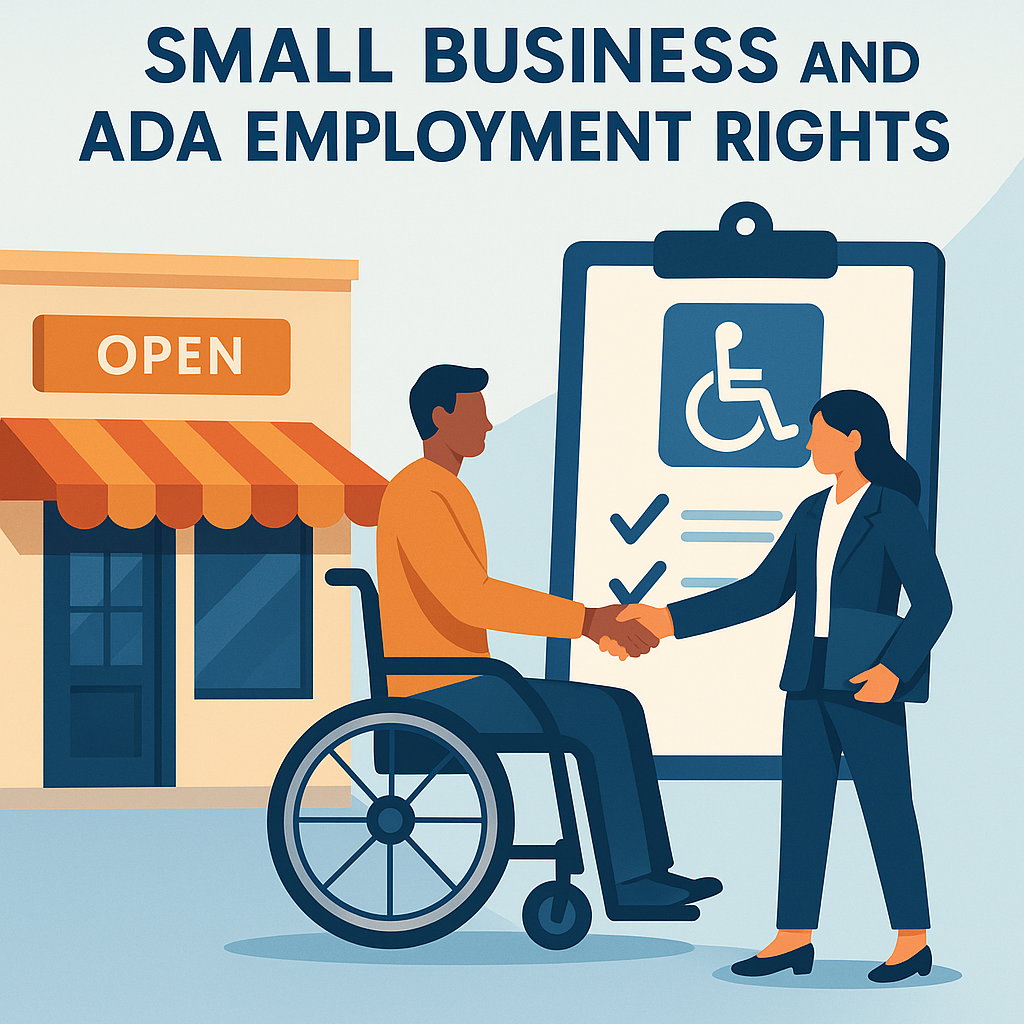
The landmark case of Molski v. M.J. Cable, Inc. has become emblematic in discussions regarding serial litigation and the Americans with Disabilities Act (ADA). This case and others like it highlight critical issues within the realm of accessibility law and its enforcement. Understanding this case aids in grasping the ongoing debates over disability rights and the legal mechanisms designed to enforce these rights.
Serial litigation refers to the phenomenon where plaintiffs repeatedly file lawsuits, often using the same legal arguments, against numerous defendants. The ADA was enacted in 1990 to prohibit discrimination based on disability, aiming to ensure that people with disabilities have equal access to public spaces and services. However, the manner in which it is sometimes enforced, particularly through serial litigation, generates substantial controversy. Molski’s case underscores this complex legal landscape and raises questions about the balance between ensuring accessibility and shielding businesses from predatory legal practices. This topic matters because both accessibility for disabled people and the legal protections for businesses are vital to a fair society.
The Molski v. M.J. Cable, Inc. case serves as a lens to scrutinize these contentious issues, providing valuable insights into the limitations and potential abuses of the ADA. Understanding these dynamics will help all stakeholders better navigate the intricate interplay between legal obligations and social equity.
Understanding Serial Litigation and Its Implications
Serial litigation under the ADA has seen certain plaintiffs, known as “serial litigants” or “professional plaintiffs”, filing numerous lawsuits against various establishments, often with similar or identical claims. In the case of Jarek Molski, the plaintiff cited numerous violations of the ADA, claiming that various businesses he visited were inaccessible or non-compliant with the law. This repeated filing raised numerous legal and ethical questions.
One core issue with serial litigation is its potential misuse. Businesses have argued that some plaintiffs exploit the ADA primarily to obtain financial settlements, rather than driving actual improvements in accessibility. Critics point out that these lawsuits sometimes target small businesses unreasonably, causing financial strain without leading to meaningful changes in accessibility.
On the other hand, proponents argue that such litigation is necessary to enforce compliance with the ADA. In many instances, businesses might neglect accessibility requirements unless legally compelled to comply. Serial litigation forces the issue, ensuring that public spaces remain inclusive for those with disabilities.
Case Analysis: Molski v. M.J. Cable, Inc.
The case of Molski v. M.J. Cable, Inc. illustrates the challenges within ADA enforcement. Molski, a wheelchair user, filed numerous lawsuits across California, citing various ADA violations. His lawsuit against M.J. Cable, a restaurant, claimed inaccessibility issues that allegedly caused him damages.
Criticism arose over his litigious approach and perceived pattern of suing small businesses repeatedly. The court subsequently called Molski a “vexatious litigant”, a legal term for someone who abuses the legal system. This designation restricted his ability to file suits without prior judicial approval.
- Business Perspective: Businesses affected by serial litigants argue that such suits exploit the ADA for monetary gain rather than fostering accessibility improvements.
- Accessibility Advocates’ View: Advocates underscore the importance of continual pressure to ensure compliance, posing serial litigants as necessary enforcers of the ADA.
The court’s decision to label Molski a vexatious litigant highlighted the need for a balanced approach. This balance seeks to promote ADA compliance while protecting businesses from undue legal harassment.
Challenges in Implementing ADA Compliance
Implementing ADA compliance poses several challenges for businesses and establishments. These include understanding complex regulations, financing the necessary changes, and maintaining ongoing compliance amidst evolving standards.
A key issue is the lack of awareness and understanding of what ADA compliance entails. Many small business owners find it difficult to interpret the law’s requirements, leading to inadequate implementation or unintended violations. This is particularly true for older buildings, where structural constraints may complicate compliance efforts.
Moreover, the financial burden of accessibility modifications can be significant. Small businesses, with limited resources, may struggle to afford needed improvements, especially when they face additional threats of litigation without the opportunity for rectification.
The following table illustrates common ADA compliance challenges faced by businesses:
| Challenge | Description | Potential Solutions |
|---|---|---|
| Lack of Awareness | Understanding ADA requirements and legal obligations. | Educational workshops and online resources. |
| Financial Constraints | Costly modifications required for compliance. | Tax incentives and grants for accessibility improvements. |
| Structural Limitations | Older buildings with physical constraints. | Creative architectural solutions and legal flexibility. |
The Molski v. M.J. Cable, Inc. case brings these challenges to the forefront, indicating the necessity for both legal clarity and practical support to aid businesses in achieving compliance without facing financial ruin.
Impact on Stakeholders
The case of Molski v. M.J. Cable, Inc. and others like it profoundly impacts various stakeholders, from disabled individuals and business owners to lawmakers and the judiciary.
Disabled Individuals: For disabled individuals, the ADA is a crucial tool for ensuring equal access. However, the debate surrounding serial litigation may influence how effectively the law is enforced and perceived. While these lawsuits can drive compliance, they might also generate skepticism about the plaintiffs’ intentions.
Business Owners: For business owners, especially small enterprises, understanding ADA requirements is critical. Yet, the threat of serial litigation can discourage entrepreneurship, with business owners fearing costly legal battles over non-compliance. This case demonstrates the need for balanced litigation that holds businesses accountable while offering fair opportunities to rectify issues before punitive measures are taken.
Lawmakers and Judiciary: The roles of lawmakers and the judiciary are pivotal in refining and enforcing the ADA. The Molski case exemplifies the need for legal frameworks that deter abuse of the system while advancing the goals of ADA compliance. Legislative initiatives or judicial precedents must aim to protect the rights of disabled people without creating loopholes for legal exploitation.
Conclusion
The landmark case of Molski v. M.J. Cable, Inc. accentuates the complexities surrounding ADA compliance and serial litigation. It delineates critical concerns about the enforcement of disability rights through legal avenues and the potential for exploitation by serial plaintiffs. However, it also underscores the vital importance of these legal tools in compelling businesses to meet accessibility standards, thereby promoting an inclusive society.
The key takeaway from this case is the necessity of a balanced approach that safeguards disabled individuals’ rights while ensuring that businesses are neither unduly targeted nor pressured financially without fair warning and opportunity for compliance. This balance includes fostering better awareness of ADA requirements, providing financial and structural support to businesses, and enhancing legislative frameworks to deter misuse of the system.
Readers are encouraged to advocate for policies that protect and promote accessibility genuinely. They can engage in informed discussions, support advocacy groups, and encourage their local representatives to refine laws and regulations that support both disabled individuals and ethical business practices. It is through collective awareness and action that both accessibility and fair business practices can be achieved, ensuring a more equitable future for all.
Frequently Asked Questions
1. What is the significance of the Molski v. M.J. Cable, Inc. case in the context of ADA litigation?
The Molski v. M.J. Cable, Inc. case is highly significant as it brought to light the complexities and controversies surrounding serial litigation under the Americans with Disabilities Act (ADA). This case underscored the challenges businesses face when plaintiffs file numerous lawsuits over repeated ADA violations. The outcome of this case emphasized the need for a balance between enforcing accessibility laws and protecting businesses from potentially abusive litigations. The decision revealed how prevalent discrepancies in compliance with ADA standards could lead to serial litigation, sparking a broader debate about whether existing legal frameworks adequately support true accessibility improvements or if they lead to exploitative practices.
2. What does “serial litigation” mean in the context of the ADA?
Serial litigation refers to the practice where a small number of plaintiffs file multiple lawsuits against various businesses alleging non-compliance with ADA standards. These plaintiffs often use the ADA’s provisions as a mechanism to address widespread architectural barriers that prevent equal access to public accommodations. The motive behind serial litigation can range from genuine advocacy for disability rights to possible exploitation of legal loopholes for financial gain. The Molski case in particular highlighted these dual intentions, prompting a legal and ethical discourse over the motives behind such repetitive legal actions and their impact on businesses and legal resources.
3. Why was the Molski case controversial, and what were the main arguments from both sides?
The controversy in the Molski case stemmed from allegations against Jarek Molski, the plaintiff, who was accused of filing hundreds of lawsuits against businesses for ADA violations, leading some to perceive these actions as potentially exploitative. On one hand, Molski and supporters argued these lawsuits were essential for compelling compliance and enforcing long-neglected accessibility standards, thereby promoting inclusivity for individuals with disabilities. On the other hand, the defendants and critics contended that the sheer volume of lawsuits indicated a misuse of the legal system, possibly motivated by the monetary settlements often reached in these cases, rather than genuine advocacy for systemic change. This dichotomy fueled a deeper discourse on the ethics of serial litigation and its efficacy in achieving ADA compliance.
4. How did the court ruling in Molski v. M.J. Cable, Inc. impact future ADA-related litigations?
The court’s ruling in the Molski case had significant implications for future ADA litigations by sharpening the focus on the tactics used by plaintiffs in serial lawsuits. The ruling underscored the necessity for plaintiffs to demonstrate authentic and particular claims for each individual lawsuit rather than relying on a generic pattern of claims. This decision sought to discourage potential abuse of the legal system while reaffirming the importance of factual, case-specific arguments in litigations. Furthermore, it prompted businesses to be more vigilant about ADA compliance to avoid becoming targets of serial lawsuits and led to calls for reform in the manner these laws are implemented and enforced, to better support true accessibility improvements without overwhelming the judiciary.
5. What lessons can be drawn from Molski v. M.J. Cable, Inc. for businesses aiming to improve ADA compliance?
Businesses can learn a great deal from the Molski case, particularly the importance of proactive measures in ADA compliance to prevent litigation. First and foremost is the need for thorough understanding and implementation of ADA standards, ensuring that every aspect of a business’s operations, particularly physical accommodations, meet the required criteria. Regular audits and consultations with ADA compliance experts can aid in identifying potential issues before they escalate into lawsuits. Furthermore, fostering a culture of inclusivity and transparency in addressing disability access can improve customer relationships and demonstrate a commitment to accessibility, which can not only mitigate legal risks but also promote a positive public image. Lastly, staying informed about legal precedents and developments related to the ADA can better equip businesses to navigate this complex legal landscape.