The Americans with Disabilities Act (ADA) has paved the way for individuals with disabilities to gain greater access to many areas of society, including technology. With the rapid advancements in smart home devices, technology has become a powerful tool in addressing accessibility challenges for people with disabilities. Smart home technologies such as voice-activated assistants, automated lighting and heating systems, and smart security devices are no longer mere conveniences but essential aids that promote independence, safety, and overall quality of life.
Introduction: Realizing Technology’s Full Potential
As technology evolves, it holds the promise of drastically enhancing the quality of life for everyone, including individuals with disabilities. The Americans with Disabilities Act (ADA), established in 1990, mandates that public spaces and services be accessible to people with disabilities. While the Act has historically focused on physical spaces and accommodations, the principles of the ADA have increasingly been applied to the digital world as well.
The advent of smart home devices represents a significant step forward in this realm. Designed to be intuitive and user-friendly, these technologies enable individuals with varying abilities to independently manage their daily routines. From voice-controlled assistants like Amazon’s Alexa and Google Home to automated lighting and security systems, these devices can dramatically enhance the accessibility of a living space.
This article will explore how different smart home devices and technologies align with the ADA’s objectives, offering practical solutions that make home life more manageable and enjoyable for people with disabilities. Through real-world examples and user testimonials, we will illustrate the tangible benefits of incorporating these technologies into daily living.
Voice-Activated Assistants: Revolutionizing Daily Tasks
Voice-activated assistants like Amazon’s Alexa and Google Home have become central figures in the smart home ecosystem. For individuals with disabilities, these devices offer more than convenience—they provide essential support in managing daily tasks that might otherwise be challenging.
Consider a person with limited mobility: simple activities such as turning off lights, adjusting the thermostat, or setting reminders can become daunting. Voice-activated assistants eliminate the need for physical interaction with these devices. By using simple voice commands, users can control various aspects of their environment, ensuring that they maintain a degree of independence and comfort in their own homes.
Moreover, these assistants can interface with other smart home devices, creating an integrated network that simplifies life for individuals with disabilities. For example, someone with visual impairments can set up their assistant to read out their schedule, weather updates, or even the news, minimizing the need for visual cues and manual navigation through screens.
Voice-activated assistants also provide a lifeline in emergency situations. Users can call for help or alert family members, all without needing to physically reach for a phone, making these devices invaluable companions for ensuring safety and well-being.
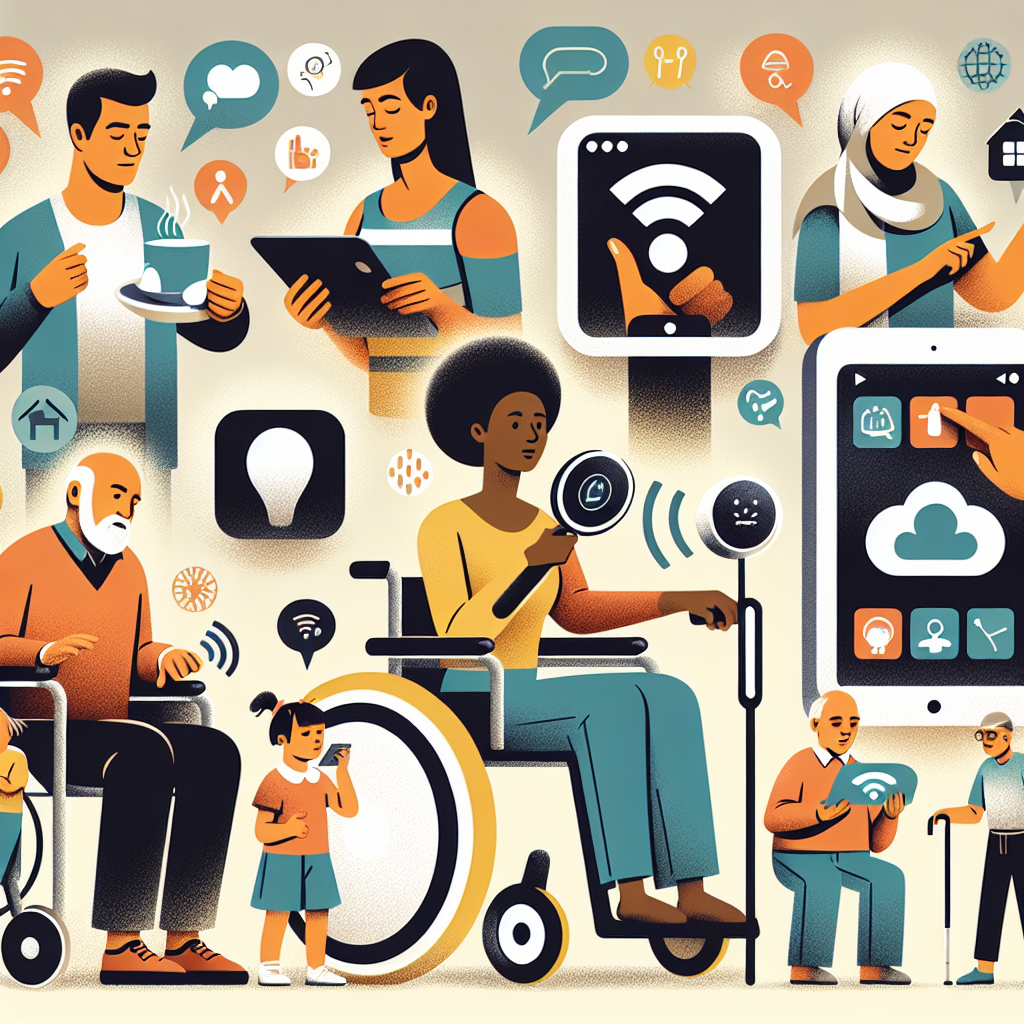
Automated Lighting and Heating Systems: Creating Accessible Environments
Automated lighting and heating systems are another key component of a smart home, designed to provide even greater levels of convenience and accessibility. For individuals with disabilities, these systems can be transformative in maintaining a comfortable and safe living environment.
Lighting systems that respond to voice commands or automation schedules can significantly enhance the safety and accessibility of a home. For people with mobility challenges, the ability to control lights without moving around can prevent accidents and falls. For individuals with sensory impairments, these systems can adapt to their specific needs by providing appropriate lighting levels and avoiding harsh glares or flickers.
Heating and cooling systems that can be adjusted through voice commands or smartphone apps also contribute to creating a comfortable living environment. Individuals who may find it physically taxing to reach thermostats or manually adjust settings can benefit immensely from these automated solutions. The ability to pre-program environments or adjust them in real-time ensures that people with disabilities can enjoy optimal living conditions with minimal effort.
Furthermore, these systems can be integrated with other smart home technologies, such as security systems, to provide a cohesive and accessible living experience. For instance, a user could set a nighttime routine that dims the lights, lowers the thermostat, and arms the security system with a single voice command, ensuring comfort and safety with minimal physical exertion.
Smart Security Devices: Ensuring Safety and Peace of Mind
Safety is a paramount concern for everyone, but it holds even greater significance for individuals with disabilities. Smart security devices, such as video doorbells, automated locks, and surveillance cameras, play a crucial role in providing peace of mind and security.
Video doorbells like Ring or Nest Hello offer the ability to see and speak with visitors without having to physically approach the door. This is particularly beneficial for individuals with mobility issues, as they can manage visitors and deliveries without exerting themselves. These devices also provide a layer of security by recording footage and sending alerts if someone approaches the door, ensuring that users are always aware of who is at their doorstep.
Automated locks that can be controlled via smartphone apps or voice commands further enhance security by allowing individuals to lock and unlock their doors without needing to use keys. This can be particularly useful for those who may have difficulty manipulating traditional locks or who have memory impairments, ensuring that doors remain securely locked without the need for manual checks.
Surveillance cameras integrated into the smart home system provide real-time monitoring of the home and its surroundings. These cameras can be accessed remotely, allowing users to check on their property or loved ones from anywhere, adding an extra layer of security and peace of mind.
The combination of these smart security devices creates a robust system that ensures the safety of individuals with disabilities, giving them greater confidence and independence in their daily lives.
Smart Appliances: Enhancing Daily Living
Smart appliances, such as refrigerators, ovens, and washing machines, have revolutionized the way we manage household chores. For individuals with disabilities, these appliances offer significant benefits by making daily tasks more manageable and less physically demanding.
Smart refrigerators equipped with cameras and inventory management features can help individuals with memory impairments keep track of their groceries and plan meals more efficiently. Some models can even suggest recipes based on the contents of the fridge, reducing the cognitive load associated with meal planning.
Smart ovens and stoves that can be controlled via smartphone apps or voice commands ensure that cooking is both safer and more accessible. These devices often come with features such as automatic shut-off, temperature control, and cooking presets, making it easier for individuals with disabilities to prepare meals without constant monitoring or manual adjustments.
Washing machines and dryers with smart capabilities can be operated remotely, allowing users to start, stop, or schedule laundry cycles from their smartphones. This is particularly beneficial for individuals with mobility impairments, as they can manage their laundry without having to physically interact with the machines.
These smart appliances not only enhance convenience but also play a crucial role in promoting independence and reducing the physical and cognitive demands of daily chores, making it easier for individuals with disabilities to manage their households.
The Future of Smart Home Technology and Accessibility
The potential for smart home technology to further enhance accessibility is vast and ever-evolving. As technology continues to advance, we can expect even more innovative solutions tailored specifically to the needs of individuals with disabilities.
One area of development is the integration of artificial intelligence (AI) to create more personalized and adaptive environments. AI-powered systems can learn from user behavior and preferences, making real-time adjustments to lighting, temperature, and other settings to create an optimal living environment. These systems can also provide predictive assistance, such as reminding users of appointments or alerting them to potential hazards, further enhancing safety and convenience.
Wearable technology is another promising frontier that can complement smart home devices. Wearables equipped with sensors and health monitoring capabilities can communicate with the smart home system to provide real-time updates on the user’s health and well-being. For example, if a wearable detects a fall or a sudden change in vital signs, it can trigger the smart home system to call for emergency assistance or notify a caregiver.
Continued advancements in voice recognition technology will also play a key role in improving accessibility. As voice assistants become more sophisticated and capable of understanding a wider range of commands and accents, they will become even more effective in assisting individuals with disabilities in managing their daily lives.
The ongoing development of smart home technology holds great promise for creating more accessible, inclusive, and supportive living environments. By embracing these advancements, we can ensure that individuals with disabilities have the tools they need to lead independent and fulfilling lives.
Conclusion: Embracing Smart Home Technology for Accessibility
In conclusion, smart home devices represent a significant advancement in enhancing the accessibility and quality of life for individuals with disabilities. The Americans with Disabilities Act (ADA) has laid the foundation for creating inclusive environments, and the integration of smart home technology builds upon this foundation by providing practical solutions that address the unique challenges faced by people with disabilities.
Voice-activated assistants, automated lighting and heating systems, smart security devices, and smart appliances all contribute to creating an accessible and supportive living environment. These technologies not only enhance convenience but also promote independence, safety, and overall well-being.
As we look to the future, the continued development of smart home technology holds the potential to further transform the way individuals with disabilities interact with their environments. By embracing these advancements, we can create more inclusive and accessible spaces that empower individuals with disabilities to lead independent and fulfilling lives.
The ongoing commitment to accessibility and the integration of smart home technology are essential steps in realizing the full potential of the ADA and ensuring that every individual has the opportunity to thrive in an inclusive and supportive environment.
Frequently Asked Questions
1. How do smart home devices help people with disabilities in their daily routines?
Smart home devices have revolutionized the way individuals with disabilities navigate their daily lives, offering increased independence and ease for tasks that might otherwise be challenging. For instance, voice-activated assistants like Amazon Echo or Google Home allow users to control various home functions, from setting reminders and alarms to managing household tasks such as turning on lights or adjusting the thermostat, simply through spoken commands. This hands-free approach is particularly beneficial for those with mobility impairments or limitation in their hands.
Moreover, automated lighting and heating systems can be programmed to operate on specific schedules, reducing the need for manual adjustments. For individuals with visual impairments, these systems can be set up to respond to environmental cues or set times of day, ensuring their environments are comfortably lit or heated without additional effort. Altogether, these technologies minimize physical exertion, enhance safety, and provide a sense of control and autonomy within one’s living space.
2. In what ways do smart security devices cater to the safety needs of disabled individuals?
Security devices equipped with smart technology are particularly crucial for individuals with disabilities, offering heightened security and peace of mind. Video doorbells like Ring or Nest Cam allow people to see who is at their door in real-time using smartphones or tablets, which is especially useful for those who may have difficulty getting to the door quickly due to mobility issues. Many of these devices also incorporate two-way audio, enabling the user to communicate with visitors without having to physically engage with them.
Additionally, smart locks can be controlled remotely via an app, allowing users to unlock and lock doors without needing traditional keys, which can be cumbersome for individuals with limited hand function. They also allow granting of access to caregivers or family members without needing a physical exchange of keys, providing both convenience and security.
3. How do smart home devices support the needs of individuals with auditory impairments?
For those with hearing impairments, smart home devices offer a range of features to enhance accessibility and ensure they can stay connected with their environment. Smart alert systems, such as doorbell lights or vibration notifications, can be set up to alert individuals to different activities or events in the home, such as a visitor at the door or a smoke alarm going off, through visual or tactile signals instead of auditory cues.
Moreover, smart TVs and streaming devices often support closed captioning features, providing accessible media experiences, while video conferencing tools integrated with smart devices often come with real-time text translation features. These adaptations support more inclusive communication and interaction within the home environment for those with varying degrees of hearing loss.
4. Can smart home technology assist individuals with cognitive disabilities, and if so, how?
Individuals with cognitive disabilities can greatly benefit from the intuitive, hands-free nature of smart home devices. Memory aids, such as reminders for medication schedules or upcoming appointments, can be set through virtual assistants, helping manage day-to-day responsibilities more efficiently. These devices can issue verbal reminders which can be more effective for individuals with difficulties in keeping track of time or remembering tasks.
Moreover, the ability to control the home environment through simplified interfaces aids in reducing complexity and potential anxiety, enabling individuals to configure their living spaces according to their unique preferences without needing to navigate more complex traditional interfaces. Smart technology can also offer supportive prompts for daily tasks, promoting autonomy and reducing reliance on external assistance.
5. Are there any potential drawbacks or challenges in adopting smart home devices for people with disabilities?
While smart home technologies offer numerous benefits, there are some challenges worth considering. The initial cost of setting up a smart home system can be quite high, which might be a barrier for some individuals or families. Additionally, there is often a learning curve associated with configuring and using these technologies, which could be daunting for those less familiar with technology. Another potential concern is the reliability on internet connectivity. Poor Wi-Fi or disruptions in service could compromise the functionality of these smart devices.
Furthermore, privacy and data security is a matter of concern as these devices often record and store data, which might be sensitive for some users. It’s essential to ensure devices have robust security features, and manufacturers and users must follow best practices for securing smart home networks. Despite these obstacles, with careful planning and the right support, many users find that the benefits of smart home devices far outweigh these challenges, significantly enhancing their quality of life and facilitating greater independence.