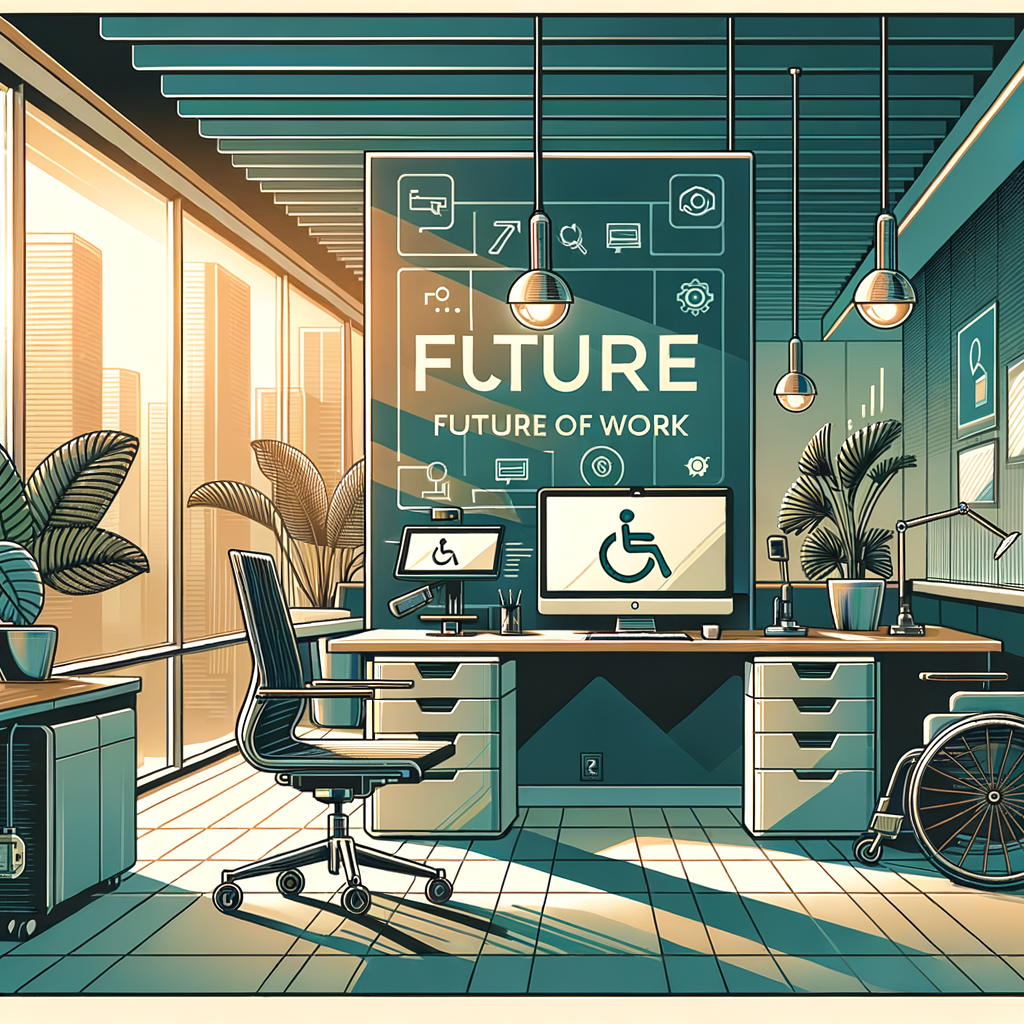
The future of work is evolving at a remarkable pace, driven by rapid technological advancements that are reshaping the way we interact with our environments. In this transformative era, accessible technology is at the forefront of this change, spearheading innovations that redefine the workplace experience. As companies seek to leverage these advancements, the emphasis is increasingly placed on ensuring the workplace is inclusive and adaptable to a diverse workforce. The integration of accessible technology not only aids in enhancing productivity but also ensures that individuals with varying abilities can fully participate in and contribute to the workplace. Understanding the implications of accessible technology in evolving workplaces is crucial for businesses aiming to remain competitive and for society at large to benefit from diverse talents and perspectives. This exploration delves into the current trends and future potential of accessible technology in professional environments, addressing how these advancements can lead to more inclusive and efficient workplaces.
As we usher into this new era, the role of accessible technology is becoming more pronounced. Technological integration in workplaces holds the promise of creating environments that are not only more productive but also more inclusive and adaptable to the diverse needs of workers. Through strategic implementations and thoughtful designs, workplaces can be transformed into more equitable spaces where everyone, regardless of their physical or cognitive abilities, can contribute meaningfully. This introduction serves as a gateway to a comprehensive understanding of how accessible technology can shape future workplaces and why it is an imperative consideration for future-focused organizations and individuals alike.
Current Trends and Innovations in Accessible Technology
The landscape of accessible technology is rapidly evolving, with innovations permeating various aspects of workplace functionality. One significant trend is the integration of artificial intelligence (AI) in creating adaptive systems that cater to diverse needs. AI-powered tools have shown immense potential in enhancing accessibility for employees with disabilities, facilitating communication, and expediting workflow processes. For instance, speech-to-text technologies and real-time captioning tools are transforming how individuals with hearing impairments engage with audio content, making communication more seamless than ever before. These technological advancements are not just about inclusivity but also about enhancing efficiency and connectivity within workplace settings.
Moreover, the advent of virtual and augmented reality technologies is changing the game by providing immersive experiences that can be customized to accommodate various physical limitations. Virtual reality (VR) platforms can offer tailored training scenarios that simulate real-world environments, allowing for a more inclusive approach to skill development. For instance, VR technology can provide a safe and controlled environment for employees with disabilities to practice and refine skills necessary for job performance, without the limitations posed by physical infrastructures.
Further innovations can be observed in the realm of IoT (Internet of Things) devices, which create smart environments by automating various functions to meet individual needs. IoT technology enables the personalization of workspaces, allowing for ergonomic adjustments, lighting modifications, and environmental controls—all adjusted to personal preferences and accessibility requirements. This technological capability is paramount, particularly for employees needing specific accommodations to perform optimally.
The Role of Accessible Software in Enhancing Productivity
Software developers are increasingly focusing on creating programs and applications that prioritize accessibility from the ground up. The adoption of design principles that center around accessibility ensures that products are usable by everyone, including those with disabilities. Web accessibility, driven by standards set forth by the W3C’s Web Content Accessibility Guidelines (WCAG), has become a foundational aspect of digital deployment, ensuring that web and mobile applications meet the needs of all users.
Ensuring accessibility in software not only aligns with ethical considerations but also enhances productivity by expanding the user base and reducing barriers to technology use. For instance, customizable user interfaces that offer simplified navigation and voice-activated controls enable users with dexterity challenges to perform complex tasks efficiently. As productivity tools become more accessible, employees are empowered to work more independently and contribute more effectively to their organizations.
The integration of tools like screen readers, magnifiers, and alternative text descriptions into mainstream applications further exemplifies the commitment of technology providers to support diverse workforces. These features are crucial for the inclusivity of individuals with visual impairments, allowing them to engage with digital content on equal footing with their peers. By taking a proactive approach towards incorporating accessible features into software products, companies not only adhere to compliance standards but also unlock the potential of overlooked talent pools, thus driving innovation and growth.
Inclusive Workplaces: Designing for Diverse Needs
The design of a workplace significantly impacts the accessibility and inclusivity for its workforce. Inclusive design, which considers diverse needs from inception, is instrumental in establishing environments where accessibility is inherent rather than retrofitted. Offices that integrate accessible design principles, such as ergonomic workstations, barrier-free layouts, and assistive technologies, contribute to an employee-friendly atmosphere that promotes sustainability and wellness.
Innovative designs that prioritize accessibility also foster a culture of inclusion, which subsequently enhances employee satisfaction and engagement. Studies have shown that workplaces designed with accessibility in mind report higher levels of employee morale and lower turnover rates. Moreover, the financial implications of retrofitting inaccessible offices are often significant, underscoring the importance of proactive design that addresses accessibility from the outset.
Beyond physical spaces, the concept of remote work has gained traction as a means of promoting accessibility in the workplace. The flexibility provided by remote work options allows employees with mobility impairments to participate without the constraints of commuting or navigating inaccessible environments. Remote work also fosters a more diverse workforce by removing geographical barriers, allowing organizations to tap into global talent pools with varied expertise and perspectives.
The Future Landscape of Accessible Technology
The future of work will see accessible technology continue to evolve and impact all levels of professional environments. As technological sophistication increases, we can anticipate greater personalization and adaptability in workplace tools and resources. Future advancements will likely focus on creating intelligent systems capable of anticipating and adjusting to individual user needs without manual intervention, further enhancing user autonomy.
Furthermore, the cultural awareness surrounding accessibility is poised to grow, driven by ongoing advocacy and regulatory developments. This heightened awareness will likely influence policy-making, encouraging organizations to prioritize accessibility as a strategic imperative rather than a compliance requirement. As such, employers will need to invest in ongoing education and training for all employees to ensure that inclusive practices are woven into the organizational fabric.
Moreover, collaboration between technology developers, employers, and advocacy groups will be crucial to further advancing accessibility. By fostering partnerships, stakeholders can share insights and resources to develop more effective solutions that meet evolving needs. The collective effort to increase awareness and enhance accessible technology will be a cornerstone in shaping a future where workplaces are universally inclusive and innovative.
Conclusion
In conclusion, the future of work, propelled by accessible technology, offers exciting opportunities for evolving workplaces to become more inclusive, efficient, and empowering. As we have explored, the integration of technological innovations such as AI, VR, IoT devices, and accessible software presents vast potential to enhance employee engagement and productivity while eliminating barriers posed by disabilities. Organizations that prioritize accessibility not only fulfill ethical and legal obligations but also stand to gain from a more diverse and talented workforce.
As workplaces continue to adapt and evolve, it is imperative that accessible technology remains at the forefront of organizational strategies. This entails investing in design that accommodates diverse needs, promotes inclusion, and fosters a culture where accessibility is seamlessly integrated into daily operations. Moreover, as remote work practices become more prevalent, organizations must ensure that they provide the necessary tools and platforms that allow employees to work effectively from anywhere.
Looking ahead, the commitment to inclusion and accessibility will be defining characteristics of thriving workplaces. With the continued collaboration and dedication of stakeholders across industries, the future of work holds the promise of transforming accessibility from an accommodation into a fundamental component of workplace culture. By harnessing the power of accessible technology, we pave the way for workplaces that are not only technologically advanced but also truly inclusive, diverse, and innovative.
Frequently Asked Questions
1. What is accessible technology, and why is it crucial in the future workplace?
Accessible technology refers to the design and implementation of tech tools and software that accommodate the diverse needs of all individuals, making work environments more inclusive. As the workplace continues to evolve, accessibility has become a cornerstone of redesigning how we work. It ensures that individuals with disabilities or those facing various barriers can participate fully in the modern workforce. This not only promotes inclusivity and diversity but also enhances productivity as diverse teams often bring varied perspectives and innovative solutions. In a future where technology is integral to most job functions, making these tools accessible is not just beneficial; it’s essential. Companies that embrace accessible technology now will likely be leaders in innovation and inclusivity, setting a standard for others to follow.
2. How are technological advancements reshaping the workplace environment?
Technological advancements are redefining everything from the tools we use to the way we interact and communicate within the workplace. Innovations such as artificial intelligence, machine learning, virtual reality, and cloud computing are allowing for more efficient workflows and more flexible work environments. These technologies enable remote working, real-time collaboration across different geographies, and data-driven decision-making, which can significantly boost productivity. Moreover, advanced assistive technologies facilitate better engagement for people with disabilities, proving that tech progress aims at dismantling historic barriers in the workforce. The future of work will likely be characterized by more hybrid workplaces with a focus on flexibility, efficiency, and inclusivity.
3. What role does accessible technology play in supporting a diverse workforce?
Accessible technology is pivotal in nurturing a more diverse workforce by creating an equitable environment where all employees, regardless of their physical, sensory, or cognitive abilities, can thrive. It ensures that tools and platforms are usable for folks with variable needs, from software that incorporates screen readers and voice-recognition to hardware designed ergonomically for different physical capabilities. By prioritizing accessibility, companies not only comply with legal standards but also open doors to a broader talent pool, enriching the workforce inputs with diverse perspectives. As businesses become more globally oriented, accommodating diverse abilities doesn’t just address needs; it sparks creativity, promotes a culture of empathy, and ultimately supports business goals through diverse problem-solving techniques.
4. How can businesses ensure that their technology remains accessible as it evolves?
To ensure ongoing accessibility as technology evolves, businesses need to adopt a proactive, strategic approach. Firstly, staying informed about the latest in accessibility standards and guidelines is critical. Regularly updating tools and service platforms to meet these standards helps prevent exclusion. Additionally, involving users with disabilities in the design and testing phases of new technologies provides pivotal insights into real-world use and accessibility hurdles. Another strategy is to appoint dedicated accessibility officers who can champion these initiatives within the organization, ensuring that compliance and enhancement remain priorities. Finally, nurturing a workplace culture that values inclusivity encourages continuous feedback and improvement and fosters dialogues that support accessibility as initiatives expand.
5. What future trends can we expect in accessible technology within evolving workplaces?
The future of accessible technology in the workplace is promising and ever-evolving. Emerging trends include the integration of artificial intelligence for personalization, improving user experience vastly. AI can adapt software interfaces to meet users’ specific needs based on usage patterns. Meanwhile, the rise of voice-activated technology continues to provide seamless interactions without traditional input devices, benefitting individuals with mobility or sensory disabilities. Additionally, extended reality (XR), which encompasses virtual, augmented, and mixed reality, offers revolutionary ways for employees to engage with their environments and colleagues, breaking conventional barriers of time and space. These and other technological trends will progressively dovetail to create workplaces wherein accessibility is not a separate consideration but an inherent feature, supporting diverse working styles and needs universally. Businesses that embrace these trends will not only keep pace with innovation but shape the future of equitable work experiences.