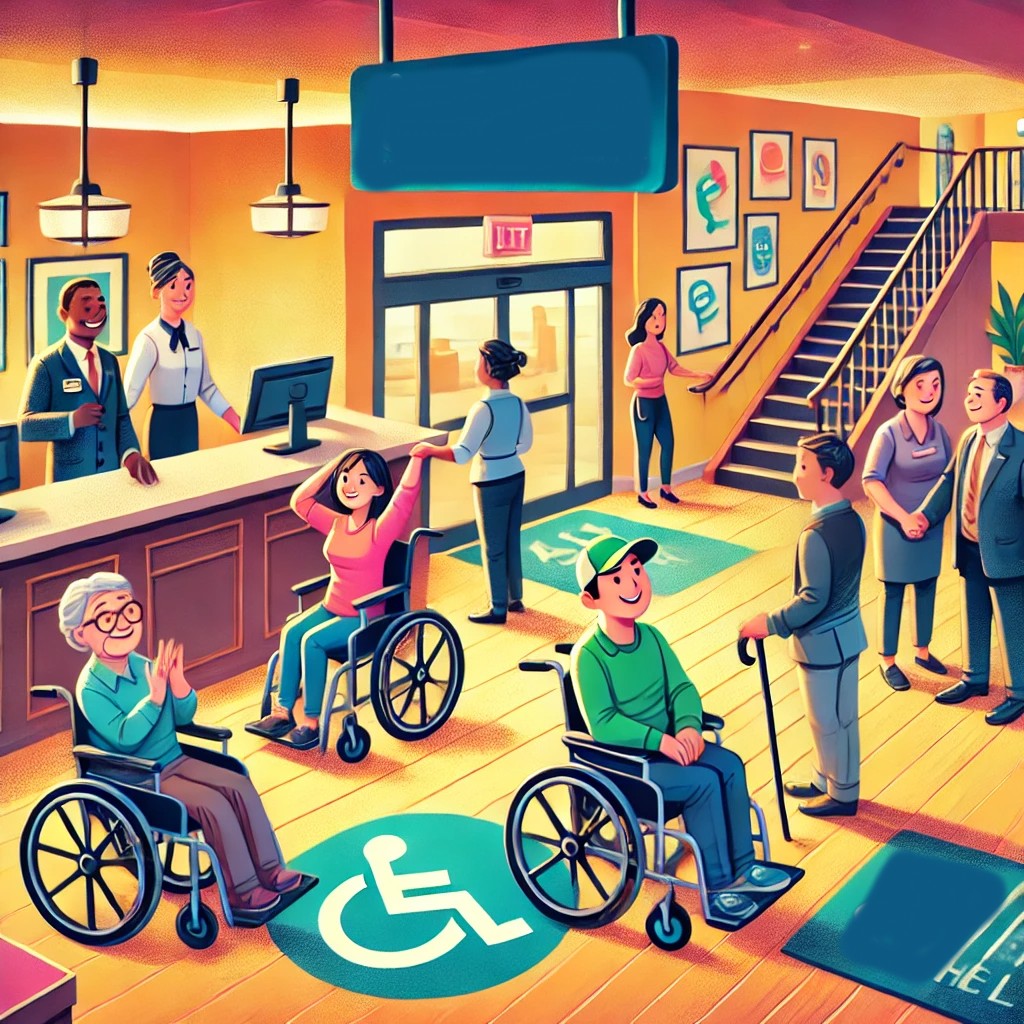
The Americans with Disabilities Act (ADA), enacted in 1990, significantly improved accessibility and equality for individuals with disabilities across the United States. Through setting comprehensive standards, the ADA ensures people with disabilities are given equal opportunities in employment, public accommodations, transportation, state and local government services, and telecommunications. Enforcing these standards plays a critical role in maintaining the integrity and effectiveness of the ADA. Understanding ADA enforcement, including the agencies involved and the processes they employ, allows individuals and businesses to navigate and comply with ADA regulations more effectively. This article delves into the organizations responsible for enforcing the ADA and the processes they utilize to address complaints and ensure compliance, underscoring their importance to the ADA’s continued success.
Agencies Responsible for ADA Enforcement
ADA enforcement is a structured process managed by several federal agencies, each tasked with overseeing specific domains of the ADA’s implementation. The U.S. Department of Justice (DOJ) holds substantial responsibility, ensuring compliance primarily in public accommodations and state and local government services. The DOJ has the authority to take legal action against violators, and it plays a crucial role in setting ADA standards and guidelines, fostering public awareness, and offering technical assistance.
The Equal Employment Opportunity Commission (EEOC) is another key player in ADA enforcement, focusing on employment-related issues. The EEOC ensures that employers with 15 or more employees comply with ADA mandates, handling complaints regarding discrimination in hiring, promotion, compensation, and other employment practices due to disability.
The U.S. Department of Transportation (DOT) enforces ADA regulations concerning public transportation systems. The DOT ensures accessible public transportation options, influencing the design and operation of facilities like buses and rail systems. Their oversight extends to airports, bus transit systems, and related facilities, ensuring that individuals with disabilities can access transportation services effectively.
Telecommunications access, governed by Title IV of the ADA, falls under the jurisdiction of the Federal Communications Commission (FCC). The FCC ensures that telecommunication services, including telephone and internet services, are accessible to individuals with hearing and speech disabilities through services such as telecommunications relay services (TRS).
Processes of ADA Enforcement
The ADA enforcement process generally begins when a violation is reported or identified. An individual who believes their rights under the ADA have been violated can file a complaint with the relevant agency. For instance, employment discrimination complaints are filed with the EEOC, while complaints regarding public accommodations or state and local government services are typically directed to the DOJ. Similarly, transportation-related complaints go to the DOT, and telecommunications complaints to the FCC.
Upon receiving a complaint, the agency conducts an investigation to determine if the ADA has been violated. This investigation can involve reviewing documentation, interviewing witnesses, and analyzing the alleged violation’s impact on the complainant. If a violation is found, the agency attempts to mediate and resolve the issue through informal negotiations, encouraging both parties to reach a voluntary agreement to rectify the problem.
Should these informal efforts fail, the enforcing agency may proceed with formal action. This can include filing lawsuits, seeking court orders to require compliance, or imposing penalties. The DOJ, for example, can file legal actions against non-compliant entities, seeking injunctive relief and civil penalties. In severe instances, non-compliance may lead to withholding federal funds or other severe penalties.
Besides handling complaints, these agencies also proactively monitor compliance. They audit organizations and facilities, provide guidance, and develop educational materials to help businesses and individuals comply with ADA regulations. They also engage in outreach activities to foster a deeper understanding of the ADA’s requirements and the benefits of compliance.
Role of Courts in ADA Enforcement
Courts play a pivotal role in ADA enforcement by interpreting the law and adjudicating disputes. While agencies often resolve most cases through negotiations and settlements, some disputes inevitably proceed to litigation. Federal courts interpret ambiguities in the ADA, establishing precedents that influence how the law is applied in future cases. These judicial decisions can clarify the scope and application of ADA provisions, shaping the landscape of disability rights law.
Court rulings can also spur legislative or regulatory changes. When courts identify gaps in ADA provisions or issues requiring clearer guidelines, their decisions can lead to new administrative rules or amendments to the ADA, enhancing its effectiveness and scope. Consequently, the judicial system is an integral part of the ADA enforcement framework, providing a necessary legal backstop when informal resolution efforts prove insufficient.
Importance of Awareness and Training in Compliance
A key aspect of ADA enforcement is promoting awareness and providing training for businesses, government entities, and the general public. By understanding ADA requirements, stakeholders can proactively address potential issues and avoid complaints or legal actions. Agencies responsible for enforcement offer extensive resources, such as online training modules, workshops, technical assistance documents, and guidance publications, to help organizations achieve and maintain compliance.
Training programs often include information on the rights of individuals with disabilities, how to make facilities accessible, and the procedures for responding to complaints. These educational efforts empower organizations to develop best practices and foster a more inclusive environment. Enhanced awareness and training can significantly reduce the incidence of ADA violations, thereby minimizing the need for enforcement actions and fostering a culture of accessibility and inclusion.
Conclusion
Enforcement of the Americans with Disabilities Act is a vital component of ensuring the law’s promises are fulfilled, effecting real change in the lives of those it is designed to protect. Numerous federal agencies, including the DOJ, EEOC, DOT, and FCC, each play distinct yet interconnected roles in monitoring, investigating, and addressing ADA compliance across various sectors. Their work, alongside court rulings, enhances ADA implementation and effectiveness. The enforcement process, starting from complaints and investigations to potential legal actions, is designed to encourage voluntary compliance and address violations rigorously when necessary. Moreover, proactive compliance through robust programs of education and training assists organizations in understanding and adhering to ADA standards, while also uplifting public awareness regarding disability rights. The synergy of enforcement, judicial oversight, and public education serves as the backbone of the ADA’s success, propelling its mission of accessibility, inclusion, and equality forward. Together, these efforts underscore a shared commitment to upholding the dignity and rights of individuals with disabilities in every sphere of life.