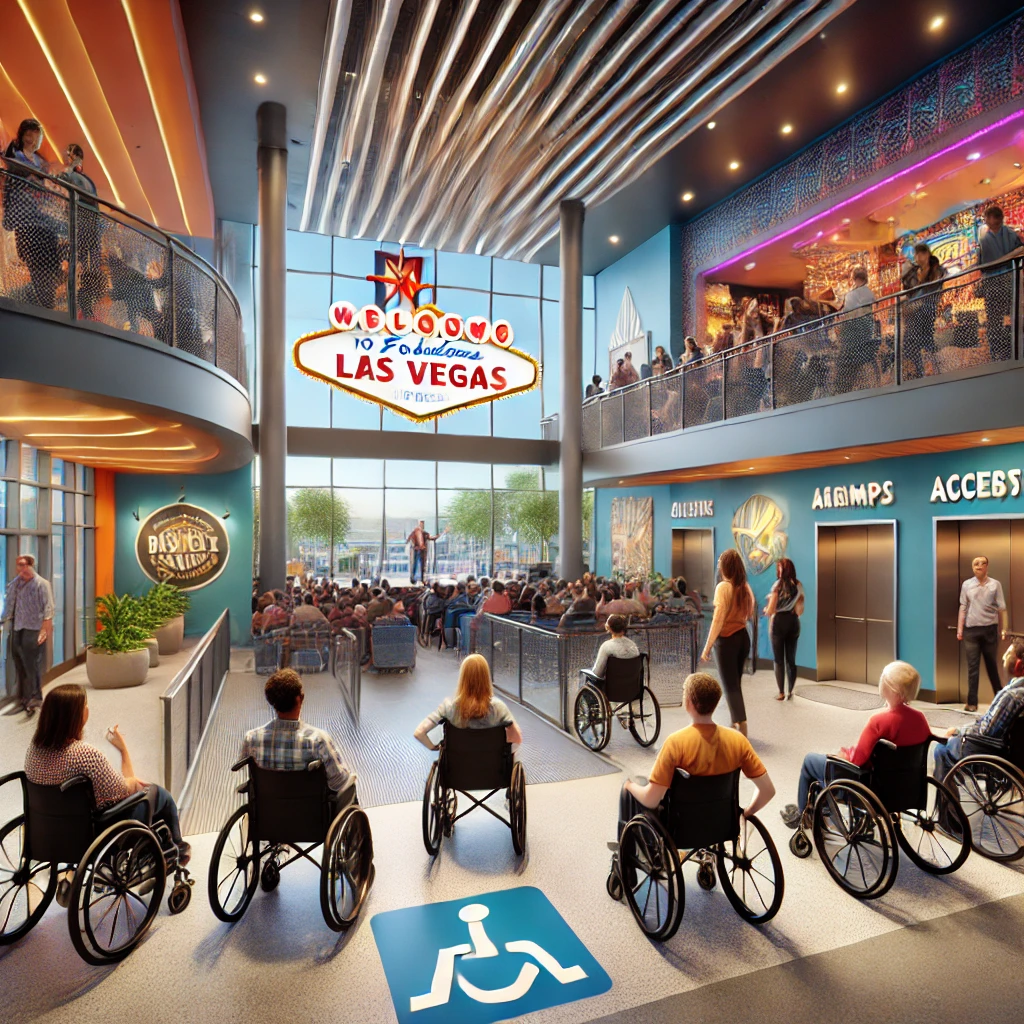
The Americans with Disabilities Act (ADA) is a critical piece of legislation designed to protect the rights of individuals with disabilities and ensure their full participation in society. Title III of the ADA specifically addresses ‘public accommodations,’ which encompasses a wide range of facilities including entertainment venues. These venues, such as movie theaters, concert halls, sports stadiums, and other performance spaces, play a significant role in our cultural and social lives. By mandating that these spaces be accessible to individuals with disabilities, the ADA not only enhances the quality of life for millions of Americans but also promotes inclusivity and diversity. In this article, we will take an in-depth look at how ADA Title III impacts entertainment venues, the specific requirements it mandates, challenges in implementation, and the overall benefits of making these spaces more accessible.
Scope and Coverage of ADA Title III
Title III of the ADA focuses on public accommodations and commercial facilities, mandating that they be accessible to individuals with disabilities. This applies to both existing facilities and new constructions, although the standards for each can differ. For entertainment venues, this means that not only seating areas but also entrances, restrooms, concession stands, and parking areas should be accessible. The ADA stipulates a wide range of accessibility features, including but not limited to, ramps, elevators, accessible seating in various locations, and visual and auditory aids. Compliance with Title III isn’t optional; it’s a legal requirement. Violation of the ADA can result in significant fines and legal action, making it essential for venue operators to fully understand and implement these standards.
Accessibility Requirements for Entertainment Venues
When it comes to entertainment venues, the ADA outlines several specific requirements to ensure inclusivity. Accessible seating is one of the primary focuses, which includes not only the physical seats but also the paths leading to them. Seats must be integrated, meaning they should be distributed so that patrons with disabilities can enjoy similar options as non-disabled patrons. The ADA also requires that there be a sufficient number of accessible seats, with guidelines based on the total seating capacity of the venue. Furthermore, entertainment venues must provide accommodations like assistive listening systems and captioning for individuals with hearing impairments. Visual aids and tactile signage must also be available for individuals who are visually impaired. The goal is not just minimal compliance but ensuring that individuals with disabilities can enjoy the experience fully.
Challenges in Implementation
While the ADA provides comprehensive guidelines, implementing these in existing venues can be challenging. Retrofits and renovations can be costly and complex, especially in older buildings where space and structural limitations may pose significant challenges. Sometimes, local or state regulations can also intersect with ADA requirements, adding another layer of complexity. Venue operators must navigate these barriers to ensure compliance. There is often a fine line between meeting regulatory requirements and providing a genuinely inclusive experience. For example, it’s not enough to have accessible seating if individuals with disabilities must bypass significant portions of the venue to reach it. Financial constraints, design limitations, and lack of awareness can further complicate implementation efforts. Yet, overcoming these challenges is crucial for creating a truly inclusive environment.

Benefits of ADA Compliance in Entertainment Venues
The benefits of complying with ADA Title III extend beyond simply adhering to the law. By making entertainment venues accessible, operators can tap into a wider audience, including families and friends of individuals with disabilities, who are more likely to attend events at accessible venues. Enhancing accessibility also boosts a venue’s reputation, positioning it as a forward-thinking, inclusive establishment. This can lead to positive word-of-mouth and increased customer loyalty. Moreover, accessible venues help foster a community spirit by ensuring everyone, regardless of their physical abilities, can participate in social and cultural events. The improvements often translate into more efficient and user-friendly spaces overall, benefiting all patrons, including those with temporary injuries or older adults.
Examples of Successful Implementation
Several entertainment venues have set benchmarks in ADA compliance, showcasing how effective implementation can create welcoming and inclusive environments. For example, the Kennedy Center in Washington D.C. is renowned for its comprehensive accessibility features, including wheelchair access, assistive listening devices, and sign language interpretation for many performances. Similarly, the Barclays Center in Brooklyn, New York, offers a range of accommodations, from accessible seating and restrooms to sensory rooms for individuals with autism or sensory processing disorders. These venues demonstrate that with thoughtful planning and commitment, significant strides can be made toward full inclusivity. They serve as models for other venues striving to meet or exceed ADA standards.
Future Prospects and Technological Advances
As technology advances, so too do the possibilities for making entertainment venues more accessible. Innovations such as augmented reality (AR) and virtual reality (VR) are opening new avenues for enhancing the experience of individuals with disabilities. For instance, AR can provide real-time captions or sign language interpretation that users can access through their smartphones. Similarly, VR can offer an immersive experience for those who may not be able to physically attend an event. Mobile apps are also increasingly being used to provide navigation assistance within large venues, ensuring that individuals with disabilities can find their way easily. These technological advancements not only facilitate compliance with ADA standards but also contribute to a more enriched and inclusive experience for all patrons. As we look to the future, the integration of these technologies will likely become standard practice, further bridging the accessibility gap.
Conclusion
The Americans with Disabilities Act Title III has significantly contributed to the creation of inclusive spaces within the realm of public accommodations, particularly in entertainment venues. While the journey towards full accessibility presents various challenges, venues that commit to adhering to ADA guidelines do more than meet a legal requirement—they become beacons of inclusivity. From ensuring accessible seating and providing assistive devices to leveraging technological advancements, there are myriad ways to create spaces where everyone can fully participate and enjoy. As society moves forward, the continued effort to incorporate ADA standards into entertainment venues will not only comply with the law but will also promote a richer, more diverse cultural landscape. In doing so, we take meaningful steps toward a world that acknowledges and celebrates the value of inclusivity for all.
Frequently Asked Questions
1. What does ADA Title III require from entertainment venues regarding accessibility?
ADA Title III is a key part of the Americans with Disabilities Act that focuses on public accommodations, ensuring that facilities like entertainment venues are accessible to individuals with disabilities. This means that movie theaters, concert halls, sports stadiums, and performance spaces must remove physical barriers where it’s feasible and ensure access to their services, amenities, and activities. Whether it’s providing accessible entrances, seating, restrooms, or other accommodations, venues must comply with standards that make the experience inclusive for everyone. Moreover, they must offer aids and services such as sign language interpreters or assistive listening devices to cater to individuals with auditory or visual impairments, making sure that they can fully enjoy the entertainment without facing discrimination or exclusion.
2. How can an entertainment venue ensure it meets ADA Title III standards?
To meet ADA Title III standards, entertainment venues should take a proactive approach. First, they need to conduct accessibility audits to identify any physical barriers or policies that might hinder participation by individuals with disabilities. This includes evaluating entryways, seating arrangements, concession stands, restrooms, and emergency exits. Once issues are identified, venue operators must implement changes where readily achievable. This might involve structural modifications like ramps and lifts, redesigning seating for wheelchair access, installing visual and auditory alerts, and ensuring counter top accessibility for reception and snack services. Training staff for awareness and appropriate interaction with guests with disabilities is also critical. Continuous review and updating of policies are essential to adapt to evolving standards and technologies that support accessibility.
3. What is the impact of non-compliance with ADA Title III on entertainment venues?
Non-compliance with ADA Title III can have significant legal, financial, and reputational impacts on entertainment venues. Legally, a venue that does not adhere to ADA standards can face lawsuits from individuals who feel discriminated against due to inaccessible facilities or policies. Such lawsuits can result in hefty fines and mandatory compliance directives. Financially, these expenses alongside potential modifications required by a legal judgment can be substantial. Beyond the legal and financial aspects, non-compliance can severely harm a venue’s reputation, alienating a key segment of their audience and casting a negative light on their commitment to inclusivity. Therefore, compliance is not only about avoiding penalties but ensuring that all patrons can participate fully and enjoy the venue’s offerings equally.
4. Are temporary events at entertainment venues also subject to ADA Title III?
Yes, temporary events held at entertainment venues are also subject to ADA Title III requirements. When planning temporary events such as festivals, concerts, or sports games, organizers must ensure that temporary structures like stages, seating, and booths are accessible. This involves considering accessible pathways, parking, restrooms, and seating arrangements that cater to individuals with disabilities. Providing auxiliary aids and services, like hearing loop systems or assistive listening devices, to accommodate guests with sensory disabilities is equally important. Planning for accessibility from the beginning allows all guests, regardless of their abilities, to have equal access to the event’s offerings without barriers. Ensuring compliance for temporary events requires careful preparation and collaboration with venue operators who are familiar with ADA requirements. This collaborative effort guarantees an inclusive experience that aligns with ADA Title III mandates.
5. What resources are available for entertainment venues to help them comply with ADA Title III?
Several resources are available to assist entertainment venues in complying with ADA Title III. The Department of Justice (DOJ) provides guidelines and technical assistance materials that offer detailed insights into ADA compliance. These resources help venues understand the legal requirements and examine practical solutions to enhance accessibility. Local ADA centers funded by the National Institute on Disability, Independent Living, and Rehabilitation Research (NIDILRR) offer educational resources, training programs, and expert consultations tailored to meet specific organizational needs. Consulting with architects or disability rights professionals experienced in ADA compliance can also provide valuable guidance during facility planning and renovation. By leveraging these resources, entertainment venues can not only meet legal obligations but create welcoming, inclusive environments for all patrons, harnessing a diverse audience while embracing the values of equality and inclusion.


