The Americans with Disabilities Act (ADA) remains a landmark piece of civil rights legislation in the United States, ensuring that people with disabilities receive the same opportunities and accommodations available to everyone else. As technology increasingly integrates into our daily lives, there’s a growing emphasis on making technological advancements accessible to all individuals, regardless of their abilities.
Accessible technology encompasses a broad range of devices, software, and infrastructure designed to accommodate various disabilities, whether physical, auditory, visual, or cognitive. The importance of accessible technology cannot be overstated—it empowers individuals, enhances independence, and promotes inclusivity in society.
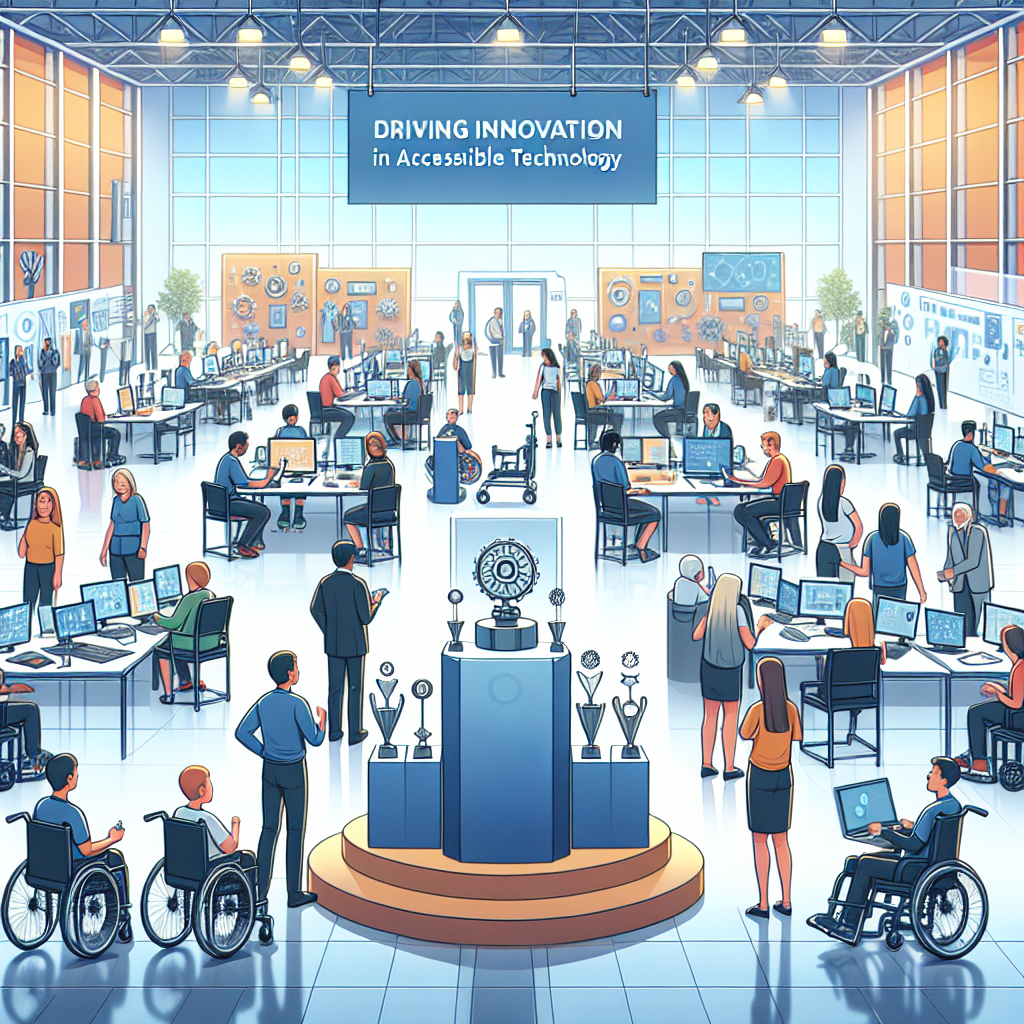
Competitions and awards in the realm of accessible technology have played a vital role in stimulating innovation and driving the creation of impactful solutions. They serve as a platform for inventors, developers, designers, and advocates to showcase their breakthroughs and push the boundaries of what is possible. This article delves into how these competitions and awards foster innovation, explores key events that define this space, and highlights the incredible advancements resulting from these initiatives.
Empowering Innovators: The Role of Competitions
Competitions in the field of accessible technology provide a fertile ground for creativity and experimentation. They not only offer incentives—such as monetary prizes or funding opportunities—but also serve as prestigious platforms for recognition and validation. Entrepreneurs, technologists, and students are drawn to these events, keen to prove their solutions and garner attention from industry leaders and potential investors.
These competitions often have specific themes or areas of focus, encouraging participants to tackle particular challenges faced by individuals with disabilities. This targeted approach ensures that innovations are not only creative but also pragmatic and applicable in real-world scenarios. The process of preparing for these competitions fuels dedication, as competitors engage in rigorous research, partnership development, and prototyping.
Additionally, these events promote collaboration across multidisciplinary teams, combining expertise from fields like engineering, design, healthcare, and sociology. By fostering a collaborative environment, competitions bridge gaps between different sectors and encourage holistic approaches to creating accessible technologies.
Prominent Competitions in Accessible Technology
There are numerous prestigious competitions dedicated to accessible technology, each contributing uniquely to the landscape. Among the most notable are the Microsoft Imagine Cup, the NFB KNFB Reader App Contest, and the FCC Chairman’s Awards for Advancement in Accessibility.
The Microsoft Imagine Cup is a global student technology competition, offering various categories, including accessibility. It provides students with an opportunity to create inclusive solutions that address real-world issues. Successful projects from this competition have resulted in wide-reaching impacts, helping individuals lead more independent lives.
The National Federation of the Blind (NFB) KNFB Reader App Contest has its specific focus on visual impairments. Participants create innovative applications that significantly enhance the lives of the blind or visually impaired. The contest has catalyzed solutions that offer greater autonomy to visually impaired individuals through mobile technology.
The Federal Communications Commission (FCC) Chairman’s Awards for Advancement in Accessibility recognize innovative products, services, and practices that improve accessibility. These awards emphasize practical implementation and encourage widespread adoption of accessible technology, thus impacting countless lives positively.
Key Awards Elevating Accessible Technology
Awards play an equally crucial role in the accessible technology ecosystem. They acknowledge and celebrate exceptional contributions, inspiring others to push boundaries and explore innovative solutions. Some of the most impactful awards include the Zero Project Awards, the AbilityNet Tech4Good Awards, and CES Innovation Awards.
The Zero Project Awards, given annually by the Zero Project Foundation, honor innovative policies and practices from around the world that improve the lives of persons with disabilities. These awards have highlighted remarkable examples of inclusive technology, driving global awareness and adoption.
The AbilityNet Tech4Good Awards recognize organizations and individuals using digital technology to make the world a better place. Categories cover a wide range of areas, including accessibility, education, and innovation. These awards draw attention to technological advancements that have a high potential for positive societal impact.
The Consumer Electronics Show (CES) Innovation Awards program recognizes outstanding design and engineering in consumer technology products, with categories specifically dedicated to accessibility. Winning products at CES often set trends and demonstrate the commercial viability of accessible technology solutions.
Real-World Impacts: Success Stories
The ripple effect of competitions and awards in accessible technology is evident in the numerous success stories that arise from these initiatives. Consider Microsoft’s Seeing AI app, developed as part of their Imagine Cup efforts. This app uses artificial intelligence to describe objects, read text, and recognize people, providing visually impaired users with a tool to navigate their surroundings more effectively.
Another example is the Be My Eyes app, which connects blind or visually impaired users with sighted volunteers through a video call, allowing the volunteers to assist with everyday tasks. This groundbreaking app emerged from an innovation competition and has since helped millions of individuals lead more independent lives.
Moreover, the development of the KNFB Reader app—an award-winning project initially funded through a competition—has revolutionized the way blind individuals access printed text. The app allows users to take photos of text documents and have them read aloud, breaking down significant barriers in reading and self-instruction.
Challenges and the Road Ahead
While competitions and awards have significantly driven innovation in accessible technology, they are not without challenges. Ensuring adequate funding, maintaining engagement levels, and effectively translating competition concepts into commercially viable products are ongoing hurdles.
Ensuring inclusivity within the competitions themselves is essential. This means providing accessible environments and materials for participants with disabilities, allowing them to compete on an equal footing. Bias and disparate access to resources must also be actively addressed to foster a genuinely inclusive innovation ecosystem.
Looking ahead, the continuous evolution of accessible technology hinges on sustained investment, policy support, and fostering a culture of inclusivity within the tech industry. The collaboration between public, private, and non-profit sectors remains key to driving impactful advancements.
Moreover, education and awareness campaigns are crucial in encouraging the next generation of developers and innovators to prioritize accessibility from the ground up. By embedding accessibility into the foundational stages of technology development, future advancements can inherently cater to a broader audience.
Conclusion
The journey of technology towards full accessibility is ongoing, but the role of competitions and awards in steering this journey cannot be undervalued. By providing platforms for recognition, incentives for innovation, and opportunities for collaboration, these events have fostered an environment where accessible technology thrives.
As we continue to celebrate and support groundbreaking solutions, it is essential to remember the end goal: empowering individuals with disabilities to lead independent, fulfilling lives. By bridging gaps and breaking down barriers, accessible technology upholds the fundamental principles of the ADA, ensuring equality and inclusivity for all.
The future of accessible technology looks promising, with advancements rapidly materializing through the dedication and ingenuity of those engaged in these competitions. Together, through sustained efforts, the vision of a more inclusive and accessible world can become a reality.
Let us continue to champion innovation and celebrate achievements in accessible technology, recognizing the profound impact these developments have on the lives of millions of individuals.
Frequently Asked Questions
What are the driving factors behind innovation in accessible technology?
The push for innovation in accessible technology is primarily driven by the need to ensure inclusivity for individuals with disabilities. As technology becomes a fundamental part of daily life, it’s essential that everyone, regardless of physical or cognitive limitations, can benefit from it. This drive is propelled by a combination of ethical responsibility and legal mandates, most notably the Americans with Disabilities Act (ADA), which underscores the commitment to equal opportunities. Furthermore, there’s an increasing recognition of the potential market that inclusive technology opens up, as well as the positive social impact it can have. Compounding these factors is the urge to leverage technological advancements to improve quality of life, increase independence, and promote broader societal participation. Competitions and awards in this field spur innovation by providing recognition and support for cutting-edge solutions that aim to cover these objectives.
How do competitions and awards foster innovation in accessible technology?
Competitions and awards serve as catalysts for innovation in accessible technology by creating incentives for inventors, developers, and businesses to focus on inclusivity. They highlight the importance of accessibility, bringing it to the forefront of the tech conversation. By providing a platform for ideas and solutions, these competitions encourage collaboration and interdisciplinary approaches, fostering a sense of community among innovators who might otherwise operate in isolation. Additionally, awards often come with funding opportunities, which can be crucial for the development and scaling of ground-breaking products. Recognition from prestigious awards can also lead to increased visibility, credibility, and business opportunities, motivating more entities to integrate accessibility from the outset of their development processes. Furthermore, these initiatives often involve feedback from actual users with disabilities, ensuring that the solutions are both practical and user-centered, which helps pave the way for more meaningful and impactful technology.
What are some notable accessible technology competitions and awards?
There are several competitions and awards dedicated to promoting innovation in accessible technology. The AbilityNet Tech4Good Awards celebrate the unique contributions technology can make to improve the lives of those with disabilities. Another significant event is the Zero Project Conference, which focuses on innovative practices and policies that support full implementation of the United Nations Convention on the Rights of Persons with Disabilities. SXSW’s Innovation Awards also include categories that recognize achievements in Health, Med & BioTech, emphasizing the transformative effect technology can have on health and accessibility. The Google Impact Challenge and Microsoft’s AI for Accessibility Awards are notable for providing substantial financial support and technical expertise to winning projects. These competitions serve not only as recognition for outstanding work in the field but also as inspiration and motivation for further advancements.
What role does the ADA play in the development of accessible technology?
The Americans with Disabilities Act (ADA) plays a critical governing role in the development of accessible technology by setting a legal framework for accessibility standards. The ADA mandates that new technologies be usable by individuals with disabilities, which influences both the private and public sectors to prioritize accessibility in their products and services. This legislation acts as a powerful motivator, encouraging tech companies to innovate and develop products that are not only compliant but also inclusive by design. The ADA indirectly stimulates competition and awards for innovation in this field, as stakeholders seek recognition for their efforts to meet and exceed these legal requirements. The act serves as a reminder of the ethical obligation to ensure technology is inclusive, highlighting the importance of accessible design in fostering a more equitable society.
How can individuals and organizations get involved with accessible technology competitions?
There are several pathways for individuals and organizations interested in participating in accessible technology competitions. First, they should conduct thorough research to identify competitions that align with their goals and interests. Many events and awards have well-publicized open calls for entries, so it’s essential to stay informed about upcoming deadlines and eligibility requirements. Collaborating with institutions, such as universities or tech incubators, can provide additional resources and expertise. Networking is a powerful tool; engaging with online forums, attending industry conferences, and connecting on social media platforms like LinkedIn can lead to valuable partnerships and mentorship opportunities. Organizations might also consider advocating for in-house innovation contests to cultivate ideas from within their teams. Importantly, maintaining an ongoing dialogue with the disability community can provide invaluable insights and feedback, ensuring that the innovations are effectively meeting the needs of users. By being proactive and resourceful, participants can maximize their chances of making a significant impact in the realm of accessible technology.