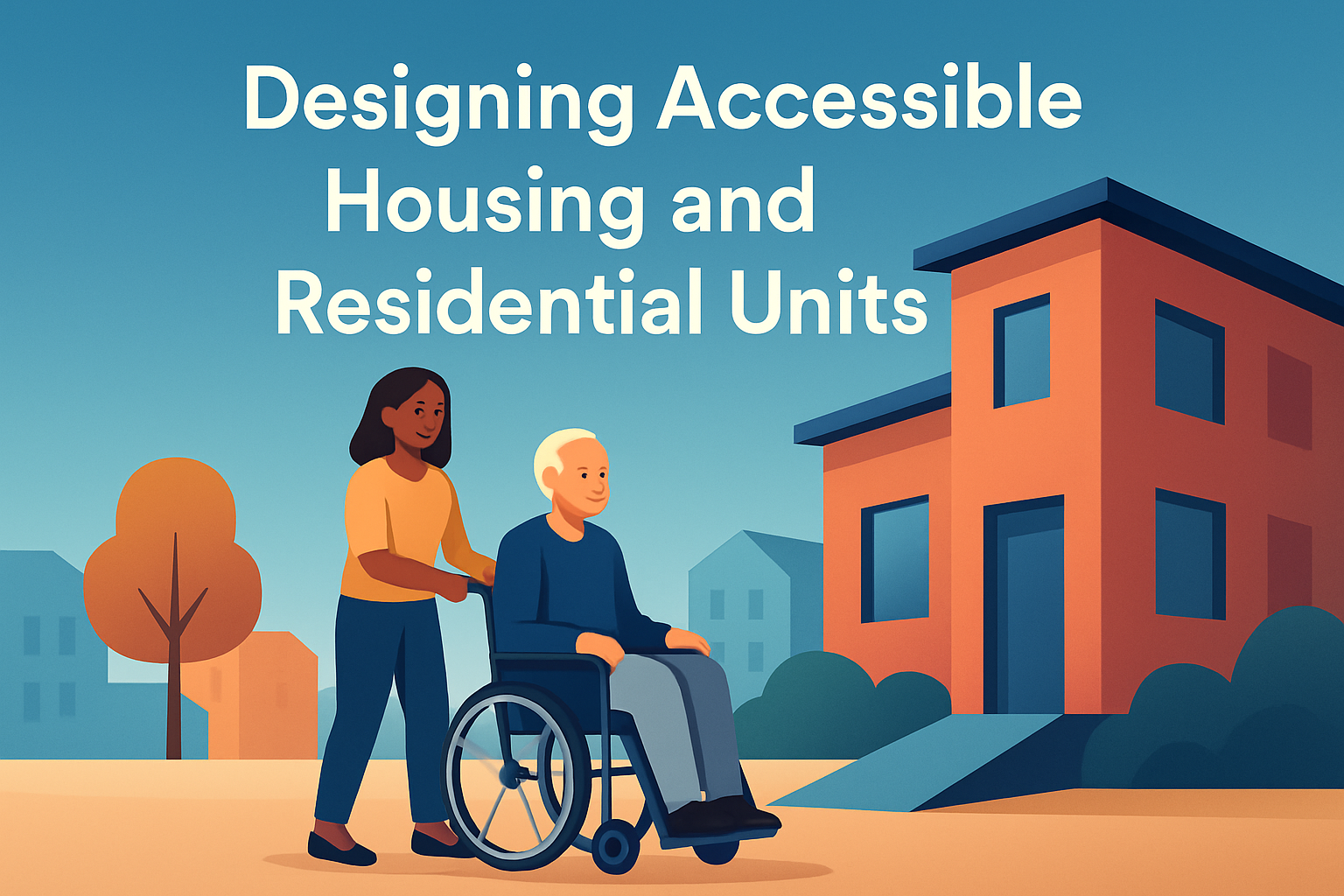
In today’s evolving society, the need for accessible housing is gaining heightened recognition. With an aging population and diverse individuals living with disabilities, accessibility is becoming more of a necessity than a luxury. But what does it mean to design accessible housing? In the simplest terms, accessible housing refers to homes designed with features that accommodate people with various physical and sensory impairments. These features can range from step-free entries to adjustable kitchen counters, and even advanced technology systems enhancing life quality. The significance of designing accessible housing cannot be overstated. It promotes inclusivity, fosters independence for persons with disabilities, and importantly, enriches the community by encouraging diversity. Understanding and implementing accessible design is crucial, not just for architects and builders, but also for policymakers, as they shape the future of housing developments.
Understanding the Fundamentals of Accessible Design
The concept of accessible design goes beyond just the physical structure. It encompasses thoughtful, intentional layouts and features that enhance usability and safety for all residents, regardless of abilities. For instance, designing housing with wide doorways and hallways ensures that individuals using wheelchairs can navigate comfortably. Another prime example is the incorporation of lever handles instead of traditional doorknobs, facilitating easier use for people with limited hand dexterity. Accessible housing provides a clear, unobstructed environment that minimizes barriers and maximizes usability. In a practical scenario, adopting these design elements in a residential unit can transform it into a welcoming space for a grandmother using a walker or a young professional with visual impairments.
Integrating Accessibility into Kitchen and Bath Design
Kitchens and bathrooms are often regarded as the most utilized spaces in a home, and thus, they demand special attention when designing for accessibility. A well-designed accessible kitchen might feature adjustable countertops and sink heights, pull-out shelves, and appliances within easy reach to cater to varying needs. In bathrooms, features such as roll-in showers, grab bars, and height-adjustable showerheads play a pivotal role. By integrating these elements, individuals can perform daily tasks with ease and safety. Consider the example of a young couple where one partner has reduced mobility; an accessible kitchen empowers them both to enjoy cooking together without compromise.
The Role of Technology in Accessible Housing
Technology serves as a powerful tool in augmenting accessibility in residential designs. Smart home technologies offer the ability to control lighting, temperatures, locks, and appliances via a smartphone or voice commands, providing unprecedented convenience for individuals with mobility or sensory challenges. Moreover, advanced security systems cater to the unique needs of residents with disabilities, providing an added layer of safety and peace of mind. For example, a family with a child who has hearing impairments might incorporate visual signaling technology as part of their home alarm system, allowing for visual alerts during emergencies.
A Look into Legislation and Standards
| Legislation | Region | Purpose |
|---|---|---|
| Americans with Disabilities Act (ADA) | United States | Ensures public spaces accommodate people with disabilities. |
| Building Code of Australia – Section D3 | Australia | Mandates accessibility in all parts of a building available to the public. |
| Equality Act 2010 | United Kingdom | Prohibits discrimination based on disability in access to housing. |
The importance of legislation and standards in shaping accessible housing cannot be overstated. Laws such as the Americans with Disabilities Act (ADA) in the United States set the groundwork for public facilities to accommodate all individuals. While private residences are not always governed by these acts, they serve as critical guidelines for builders and architects committed to inclusivity. A glance at the Building Code of Australia underlines the global recognition and commitment towards creating accessible environments, further supporting the need for unified, global standards.
Adapting Existing Homes for Accessibility
While building new accessible homes is crucial, there’s also the need to retrofit existing homes to meet accessibility standards. Simple modifications, such as the installation of ramps, stair lifts, or widening doorways, can make a significant impact. Retrofitting doesn’t have to mean large-scale renovations; often, small changes like enhancing lighting or switching to slip-resistant flooring can vastly improve accessibility. The tale of a retired couple, who transformed their beloved home by installing grab bars in the bathroom and replacing steps with a ramp, serves as a testament to the transformative power of retrofitting.
Financial Implications and Community Benefits
Designing accessible housing does carry cost implications, but the benefits considerably outweigh the financial investment. Accessible homes are future-proof, accommodating evolving needs over time, minimizing the necessity for costly future refurbishments. Moreover, accessible designs elevate a home’s market appeal, widening its potential buying audience. Communities that prioritize accessible housing often experience enriched community spirit, as they become inclusive, welcoming, and supportive environments. For instance, a development in Portland that focused on accessible housing witnessed increased community engagement and communal activities, underscoring the societal benefits of inclusive housing.
Summarizing the Power of Accessible Design
In summary, designing accessible housing goes hand in hand with creating inclusive communities that celebrate diversity and provide independence for all individuals. By understanding the fundamentals of accessibility, from thoughtful design features to legislative adherence, we can cater to a wide array of needs, ensuring that every member of the community can enjoy and utilize their home fully. Integrating technology, updating existing homes, and considering financial and community benefits further bolster the argument for accessible housing. Whether you’re an architect, a policymaker, or a potential homeowner, the call to action is clear: prioritize accessibility in your next project. Taking steps towards designing accessible homes today sets a foundation for an inclusive tomorrow.
Frequently Asked Questions
1. What is meant by accessible housing?
Accessible housing refers to residential units that are specifically designed, constructed, or modified to accommodate the needs of individuals with disabilities or advanced age. This includes considering physical constraints and sensory impairments to ensure that everyone, regardless of ability, can live comfortably and safely. The goal is to create an inclusive environment that provides equal opportunities for independence and participation.
In practice, accessible housing might feature step-free entrances, wider doorways to accommodate wheelchairs, appropriate floor surfaces to prevent slipping, and light switches and controls that are reachable for someone with limited mobility. It can also mean integrating visual or auditory signals for those who are deaf or hard of hearing, or contrasting colors for those with visual impairments.
2. What are the common features included in accessible housing designs?
When designing accessible housing, the aim is to create a living space where individuals with physical and sensory impairments can move freely and perform daily activities with ease. Common accessibility features include:
– Step-free entries and exits: No more struggles with stairs; seamless access to homes is crucial.
– Wider doorways and hallways: These are critical for wheelchair access but also beneficial for those using walkers or crutches.
– Accessible kitchens and bathrooms: The countertops, sinks, and appliances should be installed at appropriate heights to ensure they are usable from a seated position. Roll-under sinks and accessible bathtubs or showers with grab bars can make personal care processes safer.
– Lever-style door handles and faucets: These are easier to use for individuals with limited hand strength compared to traditional round knob designs.
– Adjustable counter heights: This flexible solution can accommodate both seated and standing users, promoting inclusiveness.
– Non-slip flooring materials: Reduces the risk of falls and injuries, especially in potentially wet areas like kitchens and bathrooms.
– Lighting and electrical controls: These should be positioned at a height accessible to individuals in wheelchairs, often placing controls at about 48 inches from the floor.
All these features together create a space that caters to a wide array of needs, supporting not just people with disabilities but also anyone affected by temporary injuries or aging-related mobility changes.
3. Why is it important to incorporate accessible design in residential buildings now?
Incorporating accessible design features in residential buildings is essential for several reasons:
Aging Population: With a steadily aging population, there is a rising demand for homes that allow older adults to age in place comfortably and safely. Accessible homes reduce the likelihood of accidents and increase the ability of seniors to remain independent longer.
Diverse Needs: Modern society is increasingly recognizing the diverse needs of its members. People with disabilities represent a significant portion of the community, and it’s crucial that housing reflects their needs and offers the dignity of living independently and comfortably.
Future-proofing: By adopting universal design principles now, buildings are prepared to accommodate future tenants with changing needs without requiring extensive renovations.
Compliance with Laws and Standards: Many regions hold legal requirements and building codes that mandate accessibility features be incorporated into new builds. Staying ahead by designing with accessibility in mind helps developers avoid legal issues down the line.
Social Inclusion and Equity: Ensuring that everyone, regardless of physical ability, has equal access to housing opportunities is a fundamental aspect of fostering a fair and inclusive community.
4. How can technology enhance the design of accessible housing?
Technology can play a crucial role in enhancing the accessibility of homes. Innovations in smart home technology can provide significant assistance and independence to individuals with disabilities. Here are some examples of how technology can be integrated into accessible housing:
Smart Lighting and Climate Control: Voice-activated systems or smartphones can control these elements, eliminating the need for physically reaching switches and thermostats.
Automated Doors and Windows: Motion sensors or remote controls can facilitate easier navigation through the home.
Advanced Security Systems: These can offer enhanced safety features, such as visual and auditory alerts, which are particularly useful for those with sensory impairments.
Assistive Technologies: Home automation capabilities, like smart speakers integrated with personal assistance software, can provide reminders, medication alerts, and quick access to emergency services.
Communication Devices: These include video doorbells and smart door locks, which can aid in secure and accessible communication with visitors.
Overall, the inclusion of technology in accessible housing design makes homes easier to manage, thereby allowing more independence and improving the quality of life for residents.
5. What challenges might developers face when designing accessible housing?
Designing accessible housing is not without its challenges; developers often need to navigate various hurdles, including:
Cost Considerations: Incorporating accessible features can result in higher upfront costs for developers. However, these investments often pay off in the long term by attracting a wider range of tenants and reducing renovations or retrofits in the future.
Finding a Balance: Developers must balance aesthetic appeal with functionality. Achieving a design that fulfills accessibility requirements while maintaining visual attractiveness can be complex.
Regulations and Codes: Navigating different regional building codes and accessibility standards can be challenging. Each area may have varied requirements, necessitating expertise in legal compliance and a need for close collaboration with accessibility consultants.
Space Constraints: Especially in urban areas where space is at a premium, finding ways to incorporate accessibility features effectively without sacrificing too much space is a critical task.
Market Demand Understanding: Identifying and successfully catering to the needs of potential tenants in the accessible housing market requires in-depth market research and understanding.
Despite these challenges, the benefits of accessible housing create a positive impact on communities, contributing to healthier, more inclusive societies. It’s a worthwhile investment for developers seeking to lead in ethical and socially conscious building design.