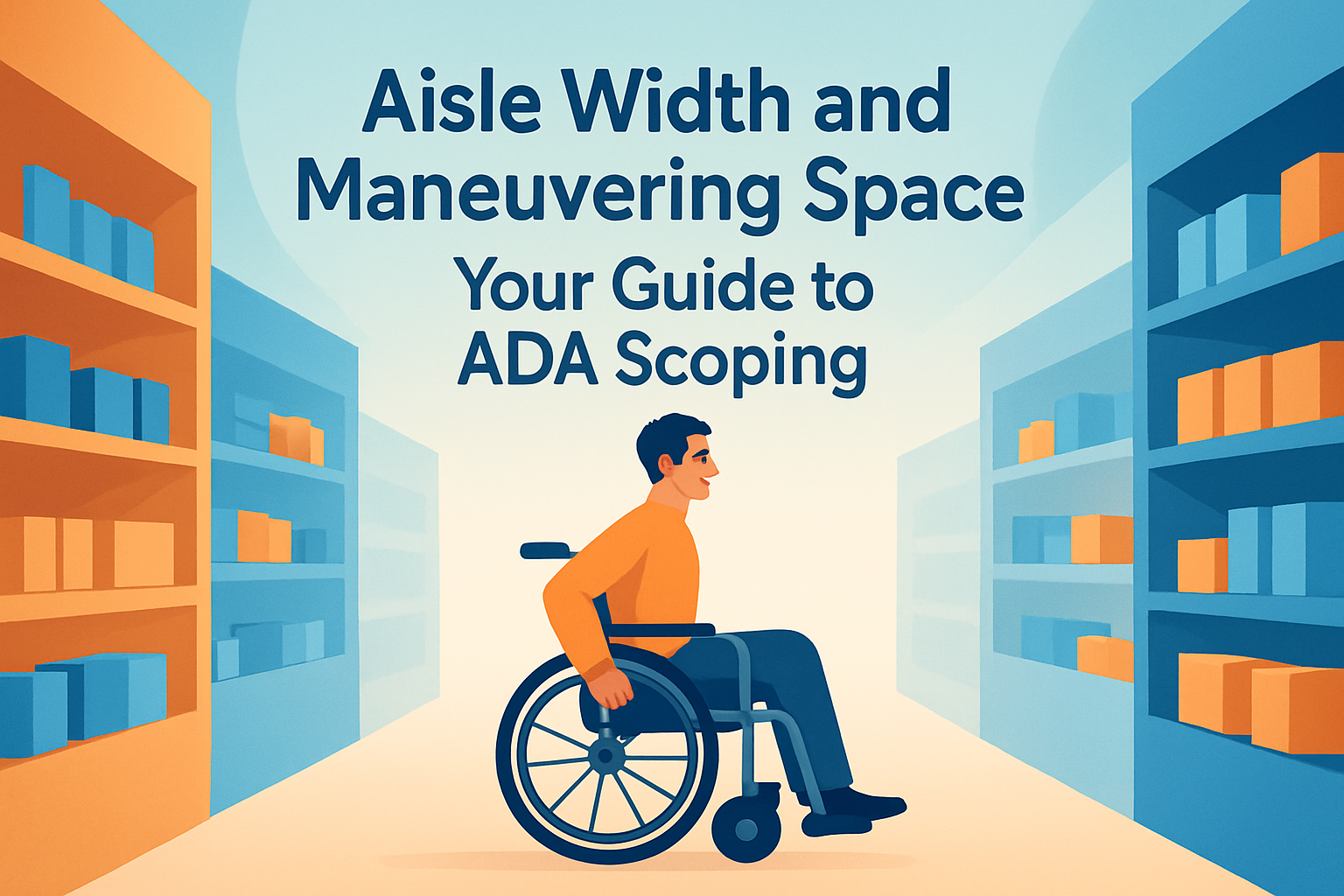
In today’s world, where inclusivity and accessibility gain increasing importance, the role of infrastructure cannot be overstated. Curb ramps and elevators serve as critical elements in creating accessible routes for all individuals, ensuring that everyone can navigate spaces independently and safely. Curb ramps, or curb cuts, are inclined planes inserted in sidewalks and pedestrian pathways to provide seamless access for those using wheelchairs, strollers, or mobility aids. Elevators in multi-level buildings enable easy movement between floors without relying on staircases, which can pose significant barriers. Making public spaces truly accessible serves not only to comply with legal regulations but also to enhance the quality of life for individuals with disabilities, the elderly, and even families with young children. This approach promotes a more inclusive society, where architectural barriers no longer hinder participation in daily activities.
The Importance of Curb Ramps in Everyday Life
Curb ramps play a vital role in facilitating ease of movement for individuals who require assistance. Consider a wheelchair user visiting a city park; without proper curb ramps, navigating from the parking area to pathways becomes a daunting task. The Americans with Disabilities Act (ADA) mandates the installation of curb ramps in pedestrian crossings and other critical locations to ensure access to public spaces. This legislation exemplifies society’s commitment to creating an equitable world where all individuals have equal opportunities to enjoy public amenities.
A real-world example is New York City’s initiative to improve sidewalk accessibility. The city implemented a long-term plan to install and maintain thousands of curb ramps across the city. This massive project not only caters to individuals with disabilities but also benefits parents with strollers and travelers with heavy luggage. By addressing the needs of pedestrians through effective infrastructure solutions, we prioritize inclusivity and enhance quality of life across various demographic groups.
Analyzing the Benefits of Elevators in Multistory Buildings
Elevators are indispensable in ensuring vertical accessibility in buildings, particularly for individuals with mobility impairments. They provide a practical solution for accessing different floors in residential and commercial buildings, hospitals, and educational institutions. Elevators remove the physical barrier of stairs, enabling individuals who use wheelchairs, crutches, or other mobility aids to navigate effortlessly.
A notable instance of successful elevator implementation is the Shard in London, Europe’s tallest building. With elevators serving its numerous floors, visitors with disabilities can experience its breathtaking views without concern for accessibility. Elevators in the Shard utilize advanced technology to maximize speed and minimize wait times, addressing the needs of all visitors. In buildings across the world, such innovations demonstrate how infrastructure can adapt to various requirements, making spaces more accommodating for everyone.
Implementing Universal Design Principles
Universal design is an architectural approach that seeks to create environments accessible to all, regardless of age, ability, or circumstance. Curb ramps and elevators are prime examples of how incorporating universal design principles creates spaces that cater to diverse needs. The concept of universal design ensures that architectural elements cater not only to individuals with disabilities but to the entire population, enhancing usability and comfort.
In Oslo, Norway, universal design principles are applied extensively in urban planning. The city has retrofitted older structures and integrated considerate design in new constructions to ensure accessibility throughout. This includes seamless curb ramps throughout the city and the installation of accessible elevators in public buildings. The adoption of universal design highlights the importance of proactive planning, demonstrating that accessibility improvements benefit society as a whole.
- Flexibility in Use: Designs accommodate a wide range of individual preferences and abilities.
- Simple and Intuitive Use: Products or spaces are easy to understand, regardless of the user’s experience or knowledge.
- Equitable Use: Products provide the same means of use for all users.
Challenges in Retrofitting Accessibility Solutions
Retrofitting existing structures to include curb ramps and elevators presents unique challenges. Many historical or outdated buildings were designed without consideration for accessibility needs. Consequently, adapting these structures to meet modern accessibility standards requires innovative solutions and considerable investment. For instance, the retrofit of the Louvre Museum in Paris involved integrating elevators and ramps without compromising the building’s historical integrity.
This transformation was not only expensive but technically complex, necessitating collaboration between architects, engineers, and conservationists. However, such efforts are essential for ensuring that people with disabilities can access historical and cultural treasures worldwide, underscoring the universal commitment to inclusivity.
The Role of Legislation in Promoting Accessibility
Governments play a crucial role in promoting accessibility through legislation. The ADA in the United States and the Equality Act in the United Kingdom set clear guidelines for public and commercial facilities regarding accessibility features like curb ramps and elevators. These policies reinforce the necessity for inclusive infrastructure in urban development, encouraging municipalities to prioritize accessibility in both new developments and retrofits.
The incorporation of these regulations into building codes ensures that accessibility is a standard consideration in the design process. Legislation provides a framework for accountability, motivating designers and builders to adopt inclusive practices. Such regulatory measures enhance the lives of millions, ensuring that public spaces serve everyone equitably.
| Country | Legislation | Focus |
|---|---|---|
| United States | Americans with Disabilities Act | Accessibility in public spaces and commercial buildings |
| United Kingdom | Equality Act | Non-discrimination and accessibility in public environments |
| Australia | Disability Discrimination Act | Equal access to public and work environments |
Technological Advancements in Accessibility Solutions
With the advent of technology, modern curb ramps and elevators encompass advanced features that enhance user experience. Sensor-equipped elevators, for example, can predict peak moments of use and optimize responses, reducing wait times. Innovations such as these offer unparalleled convenience while upholding accessibility standards.
In Toronto, Canada, new developments feature smart elevators equipped with touchless technology, catering to hygiene concerns in a post-pandemic world. This technology utilizes sensors and voice commands, allowing users to select floors without physical contact with the elevator’s controls. Such advancements not only address accessibility but also accommodate evolving societal needs.
Community Involvement in Accessibility Implementation
Community support is instrumental in the success of accessibility initiatives. Local stakeholders, including residents with disabilities, advocacy groups, and urban planners, contribute valuable insights into specific communal needs. Engaging these voices ensures that implemented solutions effectively address challenges faced by all community members.
For example, a community-driven approach in Madrid focused on enhancing public transportation access. Through workshops and consultations, officials integrated feedback to improve bus stops and metro stations with curb ramps and elevators. This collaboration fosters a sense of ownership and pride, encouraging continued communal investment in accessibility improvements.
Conclusion
The incorporation of curb ramps and elevators into public infrastructure is essential for ensuring accessible routes for all individuals. These features not only facilitate movement for those with disabilities but also simplify life for parents with young children, the elderly, and others who benefit from barrier-free design. By embracing the principles of universal design, implementing inclusive legislation, and actively involving communities, we can create environments that prioritize accessibility. The advancements seen in global cities illustrate the tangible benefits that accessible routes offer, promoting a more inclusive and cooperative society.
Ultimately, the responsibility rests with governments, architects, urban planners, and community members to uphold accessibility standards. As society continues to evolve, so too must our efforts to dismantle barriers and create spaces where everyone can thrive. By acknowledging and addressing the diverse needs within our communities, we pave the way for a future where accessibility is inherent in design, facilitating everyday interactions for all individuals. Let us embrace the challenge of fostering inclusivity, making our public spaces more accessible today and in the years to come.
Consider assessing your local community’s accessibility and advocating for enhancements to public infrastructure, ensuring that your area is part of this global movement towards a more inclusive future.
Frequently Asked Questions
1. What are curb ramps and why are they important for accessibility?
Curb ramps, often referred to as curb cuts, are small inclined planes built into sidewalks and pedestrian crosswalks. These ramps are essential for ensuring accessibility because they allow individuals using wheelchairs, walkers, strollers, or other mobility aids to move freely between the street and the sidewalk without encountering barriers. The importance of curb ramps in creating walkable and inclusive environments cannot be overstated; they enable people with mobility challenges to travel safely and independently, participate in community activities, reach public transportation, and access stores and other facilities with ease. Think about a typical city block with its raised curbs—without curb ramps, those six- or eight-inch height differences might as well be walls for someone in a wheelchair. Therefore, these features are considered vital in urban planning and comply with accessibility standards such as the Americans with Disabilities Act (ADA) in the United States.
2. How do elevators contribute to making public spaces more accessible?
Elevators play a pivotal role in making public spaces and multi-level buildings accessible to everyone, including those with mobility limitations. In a world with increasing urbanization and multi-story buildings, elevators ensure that vertical circulation is unimpeded—whether you’re someone with a disability, a parent with a stroller, or anyone who finds climbing stairs challenging. By providing an alternative to stairs, elevators help bridge the gap, literally and figuratively, between different floors in a building. Accessibility isn’t just about getting in the door; it’s about being able to comfortably navigate every part of a building. Elevators provide a dignified and equal means of access, which is crucial for reaching housing units, offices, healthcare facilities, transportation hubs, and retail levels. Importantly, modern elevators are designed to accommodate various needs, including control panels placed at accessible heights, audio announcements for each floor, and easily reachable call buttons, reflecting an inclusive approach to design.
3. What are the common standards or regulations for curb ramps and elevators to ensure they are accessible?
When it comes to ensuring accessibility, there are established standards and regulations that curb ramps and elevators must meet. In the United States, the Americans with Disabilities Act (ADA) sets forth specific requirements. For curb ramps, ADA standards dictate features such as slope, width, and surface texture. Typically, a curb ramp should have a maximum slope of 1:12, meaning for every inch of height, the ramp should extend 12 inches—a gentle gradient that makes navigation feasible for wheelchairs. They should also be a minimum of 36 inches wide to comfortably accommodate a variety of mobility aids, while the surface must be non-slip to prevent accidents in wet conditions. As for elevators, ADA regulations require features including low control panel heights, Braille-labeled buttons, and sufficient space to accommodate various sizes of wheelchairs. Additionally, these elevators should provide both visual and audible signals to indicate floor stops. These regulations ensure that all individuals, regardless of their physical abilities, can utilize public infrastructure safely and without discrimination.
4. How have modern advancements improved the design and functionality of curb ramps and elevators?
Modern advancements in technology and design have greatly enhanced the functionality and usability of curb ramps and elevators, contributing to increased accessibility. For curb ramps, innovations have led to the development of detectable warning surfaces at the bottom of ramps—these bumpy, textured surfaces alert visually impaired individuals to street crossings, providing a vital tactile cue. Advances in materials science have also resulted in long-lasting, weather-resistant ramps that require less maintenance over time. On the elevator front, technology has ushered in improvements like touch-free controls, which enhance hygiene and convenience, particularly in busy public spaces. Smart elevators can now prioritize responses for users with disabilities, optimizing wait times and accessibility. Additionally, elevators equipped with voice-control technology offer an alternative for those who may struggle with conventional button systems. As we move further into an era defined by smart cities and intelligent design, the ongoing integration of such technologies into infrastructure is expected to enhance accessibility even further, fostering more inclusive communities.
5. Can you provide examples of accessible routes that incorporate curb ramps and elevators effectively?
Accessible routes that effectively incorporate curb ramps and elevators can be observed in well-planned urban areas and public facilities. For instance, New York City’s Times Square is a bustling tourist hub where customized accessibility solutions have been integrated into the environment. Here, curb ramps are strategically positioned at every pedestrian crossing, facilitating seamless transitions from the sidewalk to the street. Inside the surrounding buildings, elevators are strategically placed to serve core areas and transit lines, ensuring access to office spaces, hotels, and retail areas. Another excellent example is the Tokyo metro system, renowned for its accessibility features. Stations are equipped with elevators that provide clear guidance and easy access to platforms, and all major exits feature curb ramps to ensure a smooth transition for all passengers, including those with mobility challenges. Malls like the Mall of America in Minnesota demonstrate inclusive design practices, with wide, accessible corridors, multiple elevators, and strategically placed ramps that enable everyone to enjoy the shopping experience equally. These examples illustrate how thoughtful integration of curb ramps and elevators creates an environment where people of all abilities can navigate freely and comfortably.