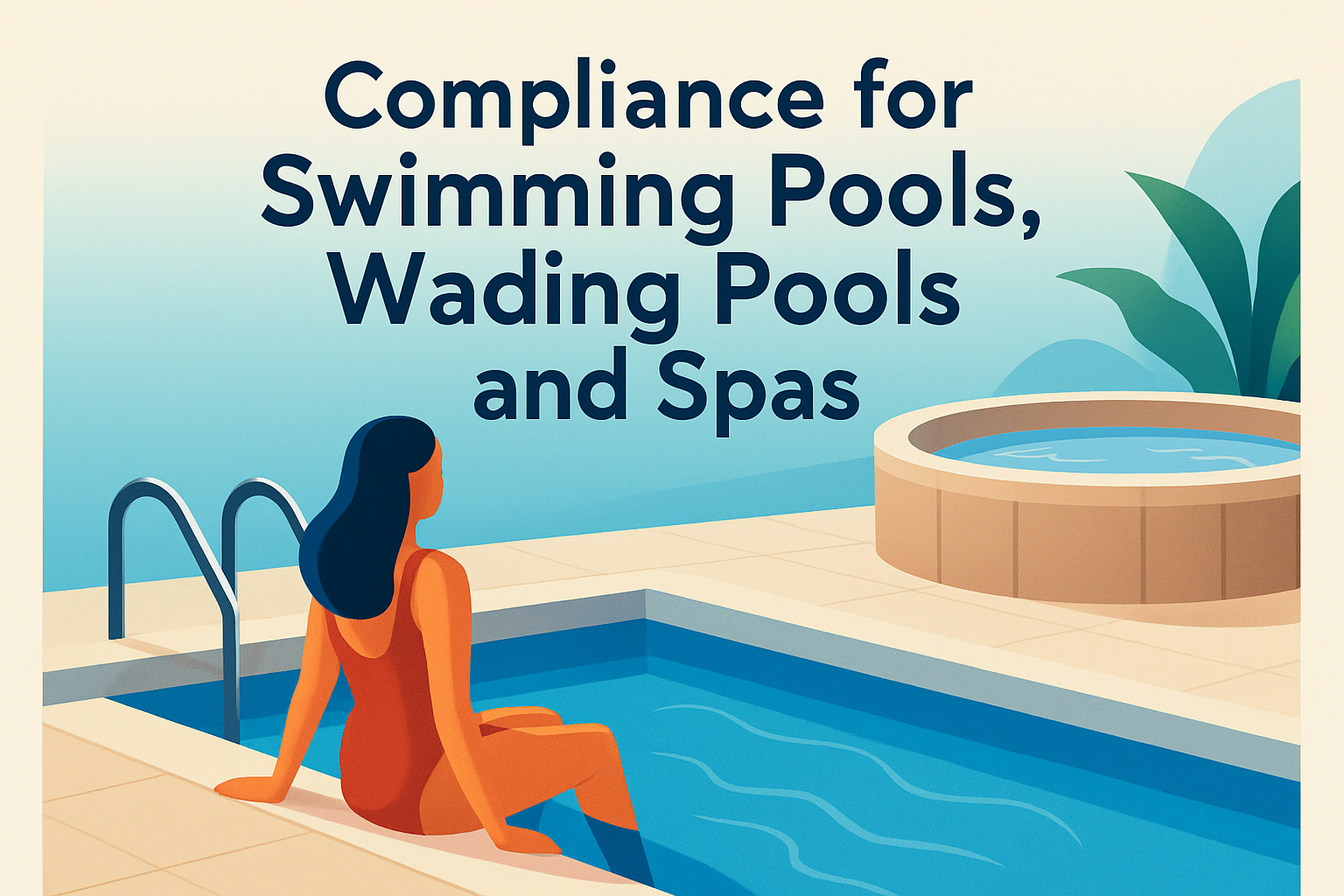
Swimming pools, wading pools, and spas are popular amenities that provide fun, relaxation, and exercise. Whether for residential or commercial use, maintaining these water facilities involves more than just cleanliness and routine maintenance. Compliance refers to meeting the legal requirements set by local, state, or federal authorities. Compliance for swimming pools, wading pools, and spas is crucial for ensuring safety, health, and legal liability. Understanding the standards, regulations, and codes that govern these facilities is essential for anyone responsible for operating or managing them. Failure to comply can result in fines, legal actions, or even closure of the facility. This article will explore what compliance means in the context of pools and spas, the regulations involved, and the importance of adhering to these guidelines. People often overlook these regulatory measures, underestimating their impact, but the consequences of non-compliance can be significant. By understanding compliance, one can ensure the safety and well-being of users, protecting both patrons and business operators from potential hazards and legal pitfalls.
Understanding Key Regulations and Standards
Compliance for swimming pools, wading pools, and spas involves adhering to various regulations and standards. These regulations typically focus on water quality, safety, accessibility, and operational practices. Water quality regulations ensure that the pool is safe for swimmers by maintaining proper chemical balance and cleanliness. Safety regulations include measures for preventing accidents and injuries, such as adequate fencing, emergency equipment, and proper signage.
One prominent set of standards is the Virginia Graeme Baker Pool and Spa Safety Act (VGBA), a federal law targeting suction entrapment prevention. This law mandates pool and spa drains to be compliant with safety standards and aims to eliminate hazards related to drain covers.
In addition to federal laws, local health departments may enforce stricter regulations based on specific regional needs. For example, in Florida, operators must comply with state health department rules, such as monthly water testing and maintaining appropriate chemical levels.
- Water Quality Standards: Keep chemical balances such as chlorine and pH within regulated ranges to ensure bather safety and water clarity.
- Safety Regulations: Include anti-entrapment drain covers, proper fencing, and childproof gates to prevent access without supervision.
- Accessibility Standards: Compliance with the Americans with Disabilities Act (ADA) to ensure access for all individuals, including provisions for lifts or sloped entry.
- Operational Practices: Regular inspections, maintenance logs, and adherence to maximum bather loads contribute to adherence to operational compliance.
The Role of Inspections and Certification
Inspections and certifications are vital components of compliance for swimming pools, wading pools, and spas. Regular inspections verify that facilities meet health and safety standards, while certifications ensure compliance with laws and regulations. Local health departments often conduct these inspections, and facility operators must maintain a consistent record of compliance to stay operational. Inspections evaluate the structure, equipment, water quality, and emergency procedures.
An example of an inspection requirement is found in Texas, where public pools must be inspected at least twice a year. Any deficiencies must be addressed promptly, and immediate hazards can lead to closure until corrections are made. It’s also essential for facilities to obtain relevant certifications, such as lifeguard certifications, chemical handling, and safety audits.
Common Compliance Challenges and Solutions
Maintaining compliance with swimming pools, wading pools, and spas presents challenges that vary based on the facility’s size, type, and location. Common hurdles include keeping up with changing regulations, ensuring employee training, managing costs, and addressing sudden health concerns like algae blooms or bacterial outbreaks.
For instance, in large commercial water parks, constantly fluctuating bather loads can complicate water chemistry management. If chemical levels exceed recommended limits or dip below the required range, it can immediately impact compliance status and endanger patrons.
Addressing these challenges requires a proactive approach. Regular training sessions, up-to-date certification, and state-of-the-art equipment can mitigate many compliance barriers. Investing in automatic monitoring systems that detect chemical imbalances early can also save on long-term costs by reducing the need for corrective measures.
Practical Steps for Ensuring Pool Compliance
Ensuring compliance begins with understanding and implementing crucial steps. Facility operators can start by regularly consulting with local regulatory bodies or industry experts to stay informed about recent changes in regulations. Utilizing technology, such as digital monitoring and record-keeping tools, can streamline compliance efforts.
An effective system might include daily logs of water chemistry tests, regular staff training schedules, and a checklist of inspections performed. Collaboration with suppliers and contractors who understand compliance standards can also enhance a facility’s adherence to regulations. By fostering a culture of safety and vigilance, operators can prevent many common compliance issues.
Compliance Case Study: A Municipal Pool Overhaul
Consider a real-world example of a municipal pool undergoing a comprehensive compliance overhaul. Several years ago, a town in California recognized its public pool facilities were no longer meeting updated health and safety standards. The pool’s aging infrastructure, poor access for individuals with disabilities, and lack of updated safety equipment were significant concerns.
To address these issues, the local government secured funding for improvements and contracted a professional compliance team. The team assessed the facility, developed a detailed plan to address every compliance aspect, including installing ADA-compliant ramps, upgrading the pool filtration systems, and adding automatic chlorine dispensers.
The project culminated in a fully compliant and operational facility, demonstrating that adherence to compliance not only improved safety but also increased public satisfaction and usage rates. This example highlights that compliance is not just a legal obligation but an opportunity to enhance community facilities.
| Compliance Aspect | Measure Taken | Outcome |
|---|---|---|
| Water Quality | Installed automatic chemical dispensers | Maintained ideal chemical balance |
| Safety | Upgraded to anti-entrapment drain covers | Reduced risk of accidents |
| Accessibility | Added ADA-compliant ramps | Enhanced access for disabled patrons |
The Importance of Compliance and Beyond
Compliance for swimming pools, wading pools, and spas guarantees user safety, protects facility investments, and assures legal adherence. Ignoring compliance can lead to serious repercussions, including legal penalties, health risks, and tarnished reputations. Proper adherence provides peace of mind, knowing that the facility operates under the highest standards of safety and quality.
Beyond compliance, enhancing a facility’s resilience against unforeseen challenges such as biological outbreaks or sudden regulatory changes is crucial. Facility managers should maintain an audit-ready state, enabling quick response to any challenge that might arise.
The tangible benefits of compliance extend beyond legality. For businesses, compliant pools and spas attract more customers who trust the facility’s commitment to safety and quality. Increased patronage can boost revenue and provide the resources needed for continual updates and improvements.
In summary, compliance for swimming pools, wading pools, and spas ensures safety, attracts customers, and protects business investments. By understanding and implementing effective compliance strategies, various stakeholders — from facility managers to local governments — can provide better, safer water facilities for everyone. Whether you manage a private backyard pool or a large public aquatic center, focusing on compliance is not only a legal requirement but a wise investment in safety, health, and community satisfaction.
Frequently Asked Questions
1. What does compliance for swimming pools, wading pools, and spas entail?
Compliance for swimming pools, wading pools, and spas involves adhering to a variety of legal requirements set by local, state, or federal authorities. These regulations are put in place to ensure the safety, health, and legal liability of operators and users. Compliance includes proper installation, routine inspection, and maintenance of pool structures and equipment. This means pools must meet specific standards regarding water quality, fencing and safety barriers, depth markers, signage, and emergency equipment. Additionally, it involves following rules related to chemical usage to ensure the water remains safe and hygienic for all users. It is crucial to familiarize yourself with the specific codes and laws in your area because these requirements can differ significantly depending on where your pool or spa is located.
2. Why is compliance so critical for pools and spas?
Compliance is critical for swimming pools, wading pools, and spas primarily because it ensures safety and health for all users. Noncompliance can lead to serious accidents or health issues, including drowning, injuries, or illnesses caused by waterborne pathogens. Safety regulations, such as the requirement for fences or life-saving equipment, are designed to prevent accidents and make it easier to respond to emergencies. Health standards regulate things like chemical levels and water filtration systems to ensure that the water remains clean and safe for users, significantly reducing the risk of infections and diseases. Furthermore, compliance protects owners from legal responsibilities and can help avoid penalties, fines, or even closures imposed by regulatory authorities. Thus, maintaining compliance is not just a legal obligation but also a moral responsibility to ensure a safe environment for families, customers, and employees.
3. How can I determine if my pool or spa is compliant?
Determining compliance for your pool or spa involves conducting a thorough review of the relevant regulations and ensuring that all necessary measures are in place. Start by consulting with your local health department or regulatory agency to obtain a comprehensive list of applicable requirements for your location. These may include guidelines on structural features, safety equipment, water quality standards, and signage. Additionally, regular inspections by a certified pool inspector can help identify any areas that may need attention or improvement. Routine maintenance and operational checks can ensure ongoing compliance with these standards. Keeping detailed records of inspections, maintenance, and any updates or corrections you’ve made is also advantageous, as these documents can demonstrate your commitment to compliance should any issues arise.
4. What are some common compliance issues faced by pool and spa owners?
Common compliance issues faced by pool and spa owners include failure to maintain adequate barrier requirements, such as fencing or secure covers, which are essential to prevent unauthorized access and accidental drownings. Another frequent issue is improper or inadequate water sanitation and filtration, leading to unsafe chemical levels and potential health hazards. Pool and spa operators often neglect required signage which must clearly convey important safety information, depth indicators, and emergency protocols. Inadequate maintenance of emergency equipment, such as lifesaving rings and first aid kits, is another compliance challenge that many facilities encounter. Operators may also face issues with maintaining mandatory training for staff, such as first aid and CPR qualifications, which are necessary to ensure a quick and effective response in case of an incident. Regular review and updates of policies, procedures, and staff training programs are necessary to address these issues and maintain compliance effectively.
5. How often should a pool or spa be inspected to ensure compliance?
The frequency of inspections for pools and spas to ensure compliance can vary based on local regulations, the type of facility, and its usage levels. However, a general recommendation is to conduct at least an annual inspection by a qualified pool professional to evaluate structural integrity, safety features, and operational performance. High-traffic facilities, such as those in hotels or community centers, may require more frequent inspections every few months to ensure compliance amidst constant use. In addition to professional inspections, weekly self-inspections should be conducted to check the water’s chemical levels, ensure equipment is functioning correctly, and verify that all safety measures are intact. During these regular checks, updating maintenance logs and addressing any issues promptly is crucial to maintaining ongoing compliance. Ultimately, adhering to the inspection guidelines provided by local authorities is essential for avoiding potential legal issues and ensuring the safety of all users.