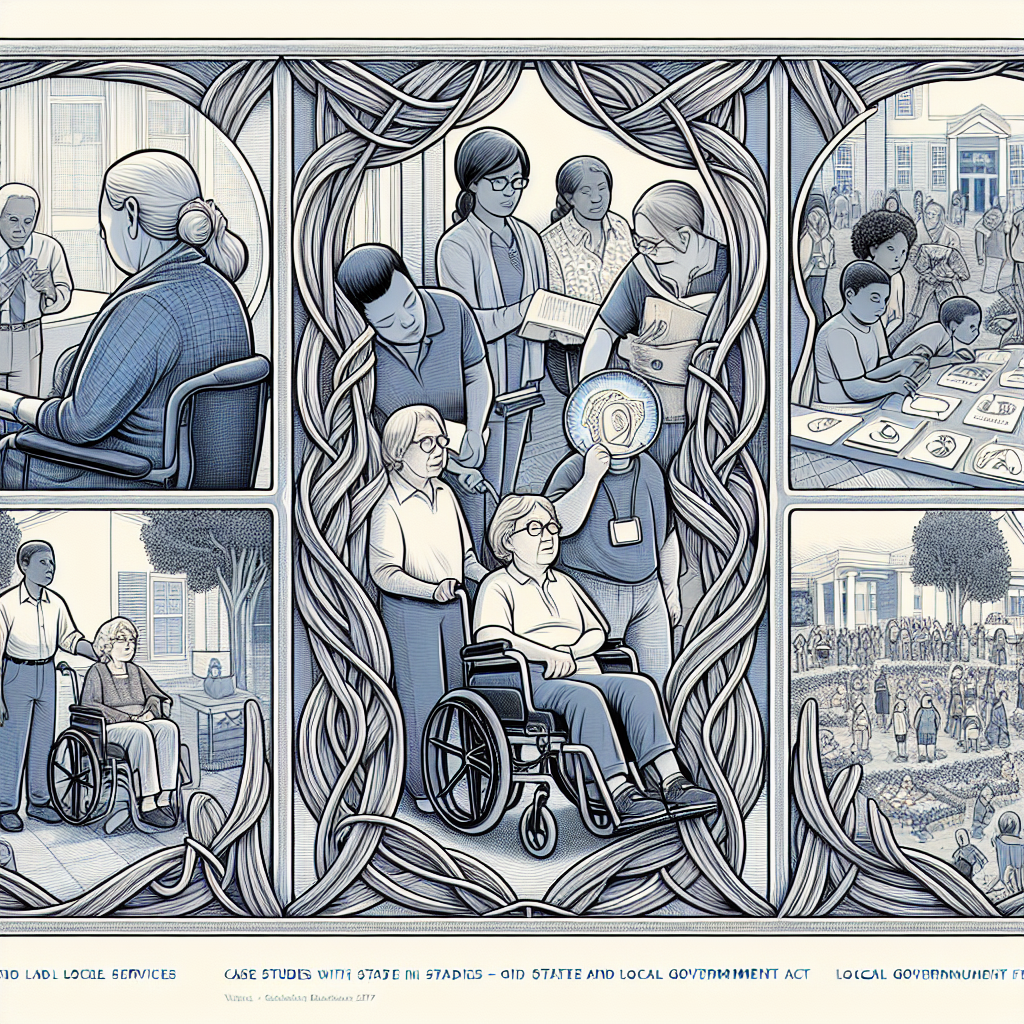
The Americans with Disabilities Act (ADA) has been a cornerstone in shaping an inclusive educational environment for students with disabilities. With its primary aim of prohibiting discrimination and ensuring equal opportunity, the ADA has transformed the educational landscape, compelling institutions to adapt and accommodate diverse needs. This article celebrates the successful applications of ADA accommodations in education by examining real-world case studies that demonstrate how these practices have been effectively implemented. Through these stories, we find inspiration and guidance for future efforts in creating accessible learning spaces for everyone.
Introduction to ADA in Education
Since its enactment in 1990, the ADA has aimed to guarantee that individuals with disabilities have the same rights and opportunities as everyone else. In education, this means that schools and universities are obligated to provide accommodations that enable students with disabilities to participate fully in academic life. Whether it’s arranging sign language interpreters for deaf students, allowing extra time for exams, providing materials in braille, or ensuring physical accessibility in classrooms, the scope of ADA accommodations is vast and tailored to individual needs.
The ultimate goal of these accommodations is to level the playing field, allowing students with disabilities to not only apply but thrive in academic settings. It’s about removing barriers, acknowledging the potential within every student, and fostering an environment where all can learn and succeed. The success stories we explore demonstrate the positive impact of ADA when correctly applied, offering insight into the ways educational institutions can continue to uphold the rights of students with disabilities.
Case Study: Implementing Technology for Visual Impairments
One of the most compelling examples of ADA accommodations in education involves the use of technology to assist students with visual impairments. Consider the case of Maria, a legally blind student attending a major university. Her institution implemented a comprehensive tech suite that included screen reading software, audiobooks, and specialized navigation tools within the campus grounds. These accommodations enabled her not only to access academic materials effectively but also to navigate daily campus life with greater independence.
The introduction of such technology was not only a legal obligation but also represented a commitment to fostering inclusivity. By leveraging these resources, Maria was able to engage with course material on par with her peers, participate in study groups, and present confidently in class. The university’s proactive approach demonstrated how integrating technology could break down barriers, allowing students with visual impairments to achieve their academic goals.
This case underscores the importance of viewing technological advances as a means to enhance educational accessibility. It also highlights the role of institutions in sourcing, funding, and maintaining such technology to ensure continuous support for students with disabilities. By embracing these tools, educational settings can significantly enrich the learning experiences of students with visual impairments.
Deaf Education: A Story of Inclusion
Another remarkable ADA success story comes from Lee High School, which became a beacon of hope for their deaf student population. Recognizing the need for comprehensive deaf education, the school set up a program that included hiring full-time American Sign Language (ASL) interpreters and training teachers in deaf culture and communication strategies. These steps were pivotal in creating a truly inclusive classroom environment where deaf students could fully participate and engage.
The implementation of ASL interpreters across various subjects meant that deaf students like John, who had previously struggled to keep up, could now follow lessons seamlessly. The school also developed extracurricular activities and social events with adaptations to ensure deaf students were not left out. By embedding these practices into the school’s ethos, Lee High not only met ADA requirements but thrived beyond them, setting a standard for how inclusive education should look.
This program had a profound impact, significantly increasing the academic performance and self-esteem of their deaf students. It showed the power of commitment from educational institutions to not merely accommodate but immerse deaf students in a supportive, inclusive educational journey.

Physical Access in Educational Spaces
Ensuring physical access is another crucial aspect of ADA accommodations, one that has been transformative for many students. One notable example is Riverside Community College, which undertook a comprehensive overhaul of its campus environment to improve accessibility. This project included installing ramps, elevators, and automated doors, alongside designing classrooms to accommodate wheelchair users comfortably.
The most inspiring aspect of Riverside’s approach was their decision to involve students with disabilities in the planning process. This inclusion ensured that the accommodations truly met students’ needs and considered the nuances of daily campus life from their perspective. Such engagement not only resulted in effective solutions but also empowered students by valuing their input and experiences.
The initiative transformed the campus into a model for accessibility, drawing praise from both current students and prospective ones. It demonstrated how thoughtful design and student engagement could coalesce to create a genuinely inclusive educational experience, reflecting the spirit and letter of the ADA.
Academic Flexibility for Students with Cognitive Disabilities
Accommodations tailored to cognitive disabilities are a vital part of ADA’s implementation in educational institutions. An exemplary case is that of Baxter University, which adopted a flexible approach to assignments and assessments for students with learning disabilities such as dyslexia and ADHD. By offering these students additional time for exams and alternative formats for assignments, the university acknowledged diverse learning paces and styles.
Moreover, Baxter University introduced a peer-support system where trained student volunteers assisted their peers in managing study schedules and navigating academic challenges. This network became a robust support system, enabling students to excel and gain confidence in their academic capabilities.
These measures highlight the necessity of adopting flexible teaching and assessment methods to accommodate different learning needs. The success at Baxter University is a testament to how such accommodations, when thoughtfully designed and implemented, can significantly benefit students academically and personally.
Cultural Sensitivity and ADA in Schools
Cultural sensitivity plays a critical role in implementing ADA accommodations effectively, as demonstrated by the program at Madison Elementary School. The school recognized that students with disabilities often face compounded challenges based on cultural and linguistic backgrounds. To address this, the school embedded cultural competency training as part of its ADA implementation process.
By fostering a school-wide culture of understanding and respect, educators developed more nuanced educational strategies that honored both the individual and cultural identities of students. For example, incorporating bilingual education resources allowed students with disabilities from non-English speaking households better access to learning materials and support systems.
This holistic approach not only catered to the linguistic needs of students but also facilitated a more inclusive and empathetic school environment, reducing stigma and enhancing participation among all students. The Madison Elementary model emphasized the importance of considering cultural contexts in ADA accommodations, a practice that significantly enriches the educational experience.
Conclusion: The Path Forward
As we celebrate these successes in ADA accommodations within education, it is crucial to assess how these stories inform future practices. These case studies illustrate not only the challenges but also the triumphs, showing that with commitment, creativity, and collaboration, educational institutions can create spaces where every student can learn and succeed without barriers.
The path forward involves continuous dialogue between students, educators, and policymakers to ensure that accommodations meet the evolving needs of students with disabilities. It means embracing technology, valuing diversity, advocating for inclusive design, and fostering environments that recognize the unique strengths each student brings. As society advances, so too must our commitment to providing equitable educational opportunities for all.
Ultimately, the successful implementation of ADA accommodations is not a finite goal but an ongoing journey toward greater inclusivity and accessibility. By learning from the successes and lessons of the past, we can pave the way for a future where educational equity is not aspirational but a fundamental reality for everyone.
Frequently Asked Questions
1. What are ADA accommodations in the context of education?
The Americans with Disabilities Act (ADA) accommodations in education are measures and practices designed to support students with disabilities, ensuring they have equal access to educational opportunities and a level playing field in academic environments. This means institutions must provide necessary modifications or alternatives to how things are typically done, allowing students with disabilities to access the same education and services as their peers. Examples of ADA accommodations include providing sign language interpreters for deaf students, offering extra time on exams, and installing ramps and elevators for easier campus access. The goal is to create an inclusive environment where every student can thrive regardless of their physical or cognitive challenges.
2. How have educational institutions adapted to implement ADA accommodations successfully?
Educational institutions have come a long way in implementing ADA accommodations successfully, and much of this is due to a combination of proactive planning, resource allocation, and a genuine commitment to inclusivity. Firstly, schools and universities typically develop comprehensive ADA compliance plans, which involve training faculty and staff, conducting facility audits, and investing in adaptive technology. Additionally, institutions work closely with students to assess and identify individualized needs, ensuring accommodations are both effective and respectful of student dignity. Real-world success stories show campuses leveraging innovative solutions like digital learning tools, virtual reality aids for spatial learning, and specially designed furniture to support various physical needs. The synergy between administrative dedication and student advocacy has been crucial in fostering an adaptable educational ecosystem.
3. Can you provide examples of successful ADA accommodations in real-world educational settings?
Certainly! Successful ADA accommodations in real-world settings are diverse and varied, stemming from creativity and an understanding of specific student needs. Take, for example, a university that developed a sensory-friendly study area for students with autism. This space featured calming lights, noise-cancelling headphones, and minimal distractions, dramatically improving those students’ ability to focus and absorb information. Another instance is a high school that implemented a buddy program for students with mobility impairments, pairing them with peers to assist with everyday tasks, fostering a sense of community and independence. Additionally, an art school pioneered the use of tactile art tools for blind students, allowing them to experience and create art through touch and three-dimensional modeling. These cases celebrate institutions that go beyond mere compliance, embracing true inclusion.
4. What challenges do institutions face when providing ADA accommodations, and how are they overcoming them?
Institutions often encounter challenges such as limited funding, lack of awareness, and infrastructural limitations when providing ADA accommodations. However, many schools and universities tackle these hurdles through strategic partnerships, community engagement, and innovative problem-solving. For instance, by securing grants and donations specifically earmarked for disability resources, educational bodies can finance necessary modifications. Moreover, many institutions foster active lines of communication with both faculty and students to raise awareness and understand unique needs better, involving everyone in the inclusivity mission. Educational technology also plays a significant role in overcoming challenges by offering cost-effective and scalable solutions, such as virtual classrooms that accommodate various learning styles or digital assistive devices that enhance learning for all. Persistence and a commitment to continuous improvement remain key for institutions facing these challenges.
5. How can students advocate for their own ADA accommodations in educational settings?
Students can be their own best advocates in securing ADA accommodations by being informed, proactive, and communicative. It’s crucial for students to understand their rights under the ADA and the specific accommodations available to them. Many institutions have a designated disability services office, and students should reach out early to declare their needs. Detailed documentation of their disability and how it impacts their education is often required to tailor exact accommodations effectively. Beyond formal procedures, students can engage with disability advocacy groups on campus, which can offer support and amplify their voices. Open dialogue with instructors about what they need to succeed is also essential. By clearly communicating their requirements and collaborating with educational staff, students can help shape an inclusive environment that not only supports their own learning journey but also paves the way for future students.