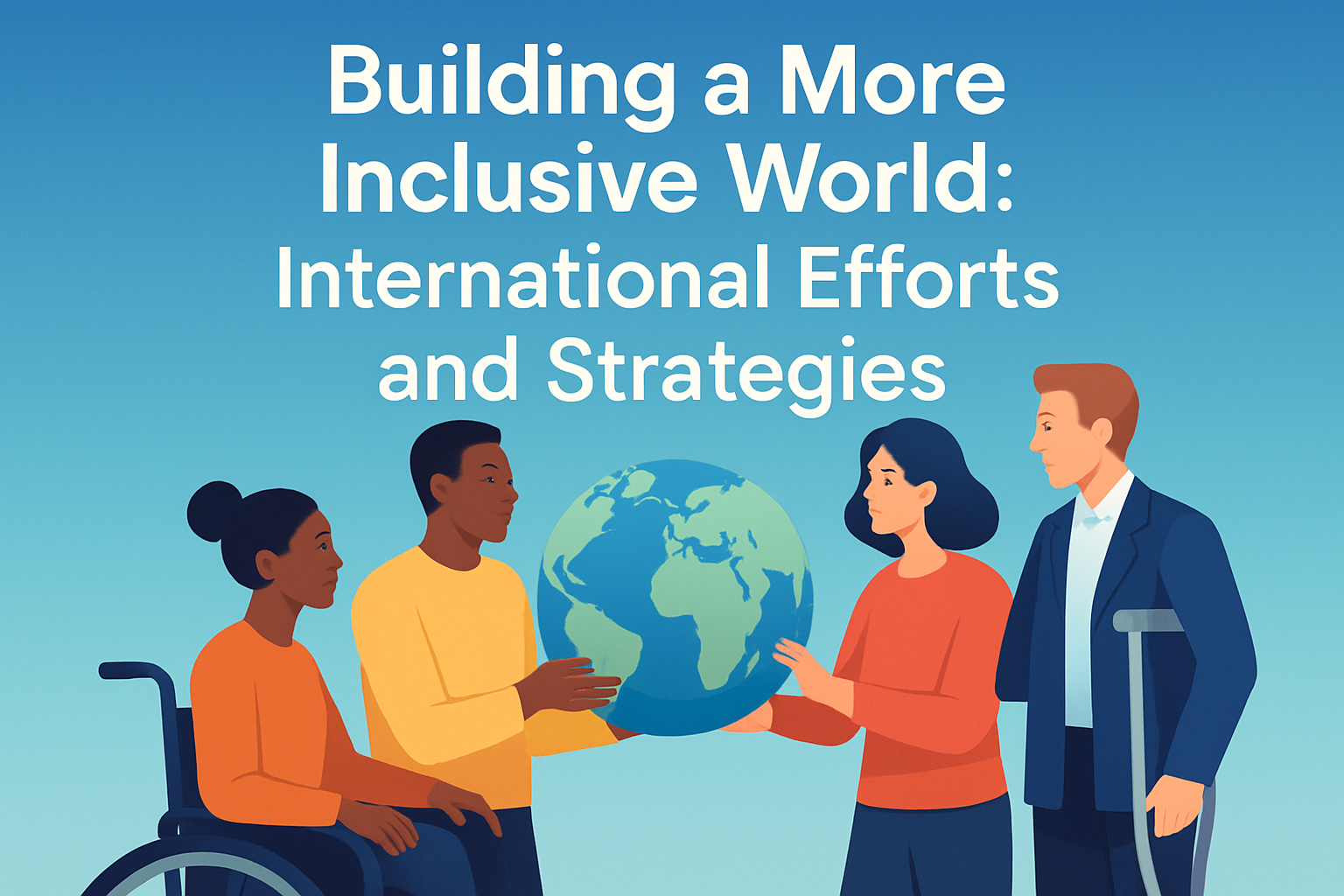
In a rapidly globalizing society, the concept of inclusivity has emerged as a pivotal idea in shaping a future that is equitable and prosperous for all. Inclusivity, in its broadest sense, refers to the practice of ensuring that diverse individuals, regardless of their backgrounds or abilities, have equal access to opportunities and resources. It encompasses both social and economic dimensions, emphasizing the breakdown of barriers that lead to marginalization. Building an inclusive world matters immensely, as it promotes social harmony, economic growth, and cultural richness by tapping into the talents and perspectives of people from all walks of life. As nations grapple with increasing diversity, international efforts and strategies to foster inclusivity have gained significant attention on global platforms, forming a fundamental cornerstone of sustainable development.
Global Educational Initiatives
One of the cornerstones of creating an inclusive world is fostering equitable access to education. Education empowers individuals by equipping them with the necessary skills and knowledge to contribute meaningfully to society. The United Nations Educational, Scientific and Cultural Organization (UNESCO) advocates for global educational initiatives under its “Education 2030” framework. This framework aims to ensure inclusive and equitable quality education for all and promote lifelong learning opportunities. Ethiopia serves as a real-world example with its concerted efforts to promote access to education for children in rural and marginalized communities. By building schools, training teachers, and providing resources in local languages, Ethiopia has successfully increased school enrollment rates, particularly for girls. This progress underscores the importance of global partnerships and community-based approaches in promoting educational inclusivity.
- Providing access to education irrespective of socio-economic status
- Ensuring gender parity in school enrollments
- Improving educational infrastructure and resources in underprivileged areas
Economic Inclusivity Through Microfinance
Economic inclusivity is essential in bridging the gap between rich and poor communities, ensuring that individuals have the financial tools to improve their lives. Microfinance offers an effective strategy to enhance economic inclusivity by providing small loans to individuals who lack access to traditional banking services. The Grameen Bank in Bangladesh epitomizes the success of microfinance initiatives. Founded by Nobel laureate Muhammad Yunus, the Grameen Bank has empowered millions of Bangladeshis, particularly women, to start small businesses, thereby lifting themselves out of poverty. This initiative demonstrates the transformative power of financial inclusivity in improving individual livelihoods and fostering community development. By providing financial education, support, and resources, microfinance tailors solutions to the unique needs of marginalized individuals, prompting economic growth and self-sufficiency.
Inclusivity in the Workplace
The workplace serves as a microcosm of wider societal dynamics, making it a critical area for promoting inclusion. Organizations worldwide are increasingly recognizing the benefits of a diverse and inclusive workforce, which include enhanced creativity, improved problem-solving abilities, and greater employee satisfaction. Tech giant Google has been at the forefront of driving workplace inclusivity through comprehensive diversity programs. These programs are designed to ensure equal representation of gender, race, and other minority groups by fostering an open culture, revising hiring practices, and providing unconscious bias training. Such initiatives not only fortify a company’s brand image but also yield competitive advantages by harnessing the full potential of a diverse talent pool. Inclusive policies ensure that varied employee perspectives contribute to innovation and sustained business success.
Accessible Healthcare for All
Accessible healthcare is a pivotal component of a world where inclusivity thrives. Health is a fundamental human right, and equitable access to healthcare ensures that all individuals, regardless of their socio-economic status or geographical location, can attain positive health outcomes. The World Health Organization (WHO) has championed initiatives aimed at achieving universal health coverage. Sri Lanka provides an inspiring example of a nation succeeding in implementing free healthcare services despite limited resources. Through efficient healthcare planning, robust public health infrastructure, and prioritization of primary healthcare, Sri Lanka has achieved remarkable health indicators comparable to more affluent nations. This model of healthcare inclusivity highlights the potential of policy innovation and resource optimization in transcending economic limitations, proving that healthcare can be universally accessible and equitable.
Technological Innovations Promoting Digital Inclusivity
In the digital era, technological inclusivity becomes increasingly important. Digital divide, manifested through unequal access to the internet and information technology, exacerbates existing social and economic disparities. Various technological innovations aim to bridge this divide, thus promoting inclusivity. India’s Digital India initiative is a testament to reformative change, with a mission to ensure digital access for citizens across the country. Through this initiative, India has expanded broadband connectivity and increased digital literacy, thus facilitating e-governance and empowering rural communities. By dismantling barriers to technology, Digital India fosters inclusivity, creating pathways for economic participation and enabling individuals to benefit from digital growth. The use of technology in promoting inclusivity underscores the importance of digital infrastructure as a catalyst for social and economic integration.
| Area of Inclusivity | Strategy | Example |
|---|---|---|
| Education | Global educational initiatives | Ethiopia’s rural education programs |
| Economy | Microfinance | Grameen Bank in Bangladesh |
| Workplace | Diversity programs | Google’s inclusive workforce |
| Healthcare | Universal health coverage | Sri Lanka’s free healthcare services |
| Technology | Digital initiatives | Digital India |
Policy and Governance for Social Inclusivity
Policy and governance play a critical role in establishing an environment where inclusivity is valued and practiced. National governments and international bodies are crucial in implementing policies and governance models that promote social inclusivity by addressing injustices and disparities. The European Union (EU) has implemented numerous policies to foster social inclusivity within its member states. These include anti-discrimination laws, promotion of minority rights, and programs targeting poverty alleviation. By setting common standards and benchmarks, the EU encourages member countries to adhere to practices that reduce social exclusion. National and international policies are effective tools in creating systemic change, ensuring that inclusivity is an integral part of social frameworks. Dynamic governance models instill accountability, encourage participatory decision-making, and drive innovation toward equitable societies.
Cultural Inclusivity and the Arts
The arts and cultural sectors serve as powerful vehicles for promoting inclusivity by celebrating diversity and fostering understanding across different cultures and communities. Cultural exchanges and collaborations promote peace, appreciation, and mutual respect. An exemplary effort is the Smithsonian Folklife Festival in the United States, which showcases the cultural richness and traditions of various communities through music, crafts, and storytelling. This festival provides a platform for cultural dialogue, inviting participants from around the world to share their heritage with a global audience. Such events highlight the importance of cultural inclusivity in fostering connections, breaking down stereotypes, and encouraging cultural empathy. The arts are instrumental in nurturing creativity, through which inclusive narratives stimulate innovation and social harmony.
Conclusion: Towards a More Inclusive World
As the lens through which humanity views progress expands, inclusivity remains a vital ingredient for social cohesion and global advancement. Efforts to build a more inclusive world are multifaceted, encompassing education, economy, technology, healthcare, and culture. These initiatives not only address visible disparities but also create systems where equitable access and participation are woven into the fabric of society. By ensuring that everyone, particularly those on the margins, have opportunities to thrive, inclusivity transforms societies into engines of prosperity and stability. Encouraged by real-world examples and collective global will, we must advocate for sustained commitment to inclusivity, ensuring its principles resonate across generations. Readers are encouraged to support and participate in initiatives that foster inclusivity, whether through community engagement, advocating inclusive policies, or supporting organizations championing these values. Building a more inclusive world is a shared responsibility that must be tackled with vision, empathy, and perseverance.
Frequently Asked Questions
1. What does it mean to build a more inclusive world?
Building a more inclusive world means creating an environment where every individual, regardless of their background, identity, or abilities, gets equal opportunities, acceptance, and participation in societal affairs. The goal is to remove any barriers to access to resources and ensure everyone feels valued and engaged in community life. It’s about fundamentally reshaping structures, policies, and attitudes that perpetuate discrimination and marginalization. This means initiating systemic changes in everything from educational systems to workplace cultures to urban planning. Inclusivity spans across various sectors, promoting diversity, accessibility, and equality as standard rather than exceptions. It’s fundamentally about understanding, recognizing, and valuing the myriad of differences that make us all unique while ensuring that no one is left out.
2. Why is international cooperation essential in promoting inclusivity?
International cooperation is crucial because creating an inclusive world transcends borders. Nations around the globe face similar challenges related to inequality and marginalization, which can only be effectively managed through collaborative efforts. Countries can share strategies, resources, and innovations to tackle these issues, benefiting from diverse perspectives and experiences. Additionally, global issues such as migration, climate change, and economic instability contribute to inequality and require a unified response. International organizations, such as the United Nations, play a pivotal role in establishing frameworks and guidelines that member states can follow. By aligning goals and objectives, nations can create policies that promote inclusivity on a global scale, ensuring protection for all individuals irrespective of their origins. Moreover, when countries recognize shared values of inclusivity, it fosters global peace, partnerships, and sustainable development.
3. What strategies are being implemented to foster an inclusive society on a global level?
Various strategies are being implemented worldwide to promote inclusivity. Firstly, educational reforms are crucial; many countries are adopting inclusive education models that cater to diverse learning needs and aim to provide quality education for all students. Secondly, legal and policy frameworks are being established to protect marginalized groups from discrimination. These include laws promoting gender equality, disability rights, and protection for minority communities. Moreover, economic policies focusing on inclusive growth aim to reduce wealth disparities and provide equitable access to resources. International efforts, such as the Sustainable Development Goals (SDGs), specifically target inclusive growth and equality. Additionally, technological innovations are being leveraged to enhance accessibility, providing people with disabilities better opportunities to participate in society. Collaboratively, nations also participate in cultural exchanges and dialogues to promote understanding and reduce biases. On the corporate front, diversity and inclusion initiatives are becoming a staple in many global organizations, promoting diverse workplaces that reflect the society.
4. How is technology being used to promote inclusivity?
Technology is a powerful tool for promoting inclusivity because it offers numerous opportunities to enhance accessibility and reduce barriers. Innovations such as assistive technologies make it easier for individuals with disabilities to participate fully in educational and work environments. For example, screen readers for the visually impaired or speech-to-text applications for those with hearing impairments ensure that all individuals can engage with the digital world. Moreover, online platforms and social media give marginalized communities a voice, enabling them to connect, organize, and advocate for their rights. The development of inclusive design principles also ensures that products and services cater to diverse user needs, promoting a sense of belonging by considering different abilities and cultural perspectives in their creation. Global tech companies are increasingly focusing on building more inclusive products, recognizing the economic and social benefits of reaching broader audiences. Overall, by continually innovating and prioritizing accessibility, technology can break down barriers and result in a more equitable society.
5. What role do individuals play in building a more inclusive world?
Individuals play a critical role in fostering inclusivity by driving grassroots change and influencing broader societal norms. Personal actions and attitudes significantly impact how inclusive or exclusive an environment may feel. By adopting inclusive behaviors, individuals actively contribute to creating spaces where everyone feels welcome. This can involve learning about different cultures, experiences, or histories and reflecting on personal biases or privileges that may influence interactions. Individuals can also participate in or organize community events or forums that promote diversity, discuss inclusivity issues, and highlight marginalized voices. Moreover, advocating for inclusive policies in workplaces, schools, and local governments ensures that inclusivity becomes an ingrained aspect of institutions. Supporting businesses and brands that prioritize diversity and inclusivity are also impactful, as consumer behavior can compel companies to adopt more inclusive practices. Ultimately, by being open-minded, engaging in dialogues, and educating oneself and others, anyone can help break down the societal barriers that lead to exclusion and instead build bridges towards a world that celebrates and integrates diversity.