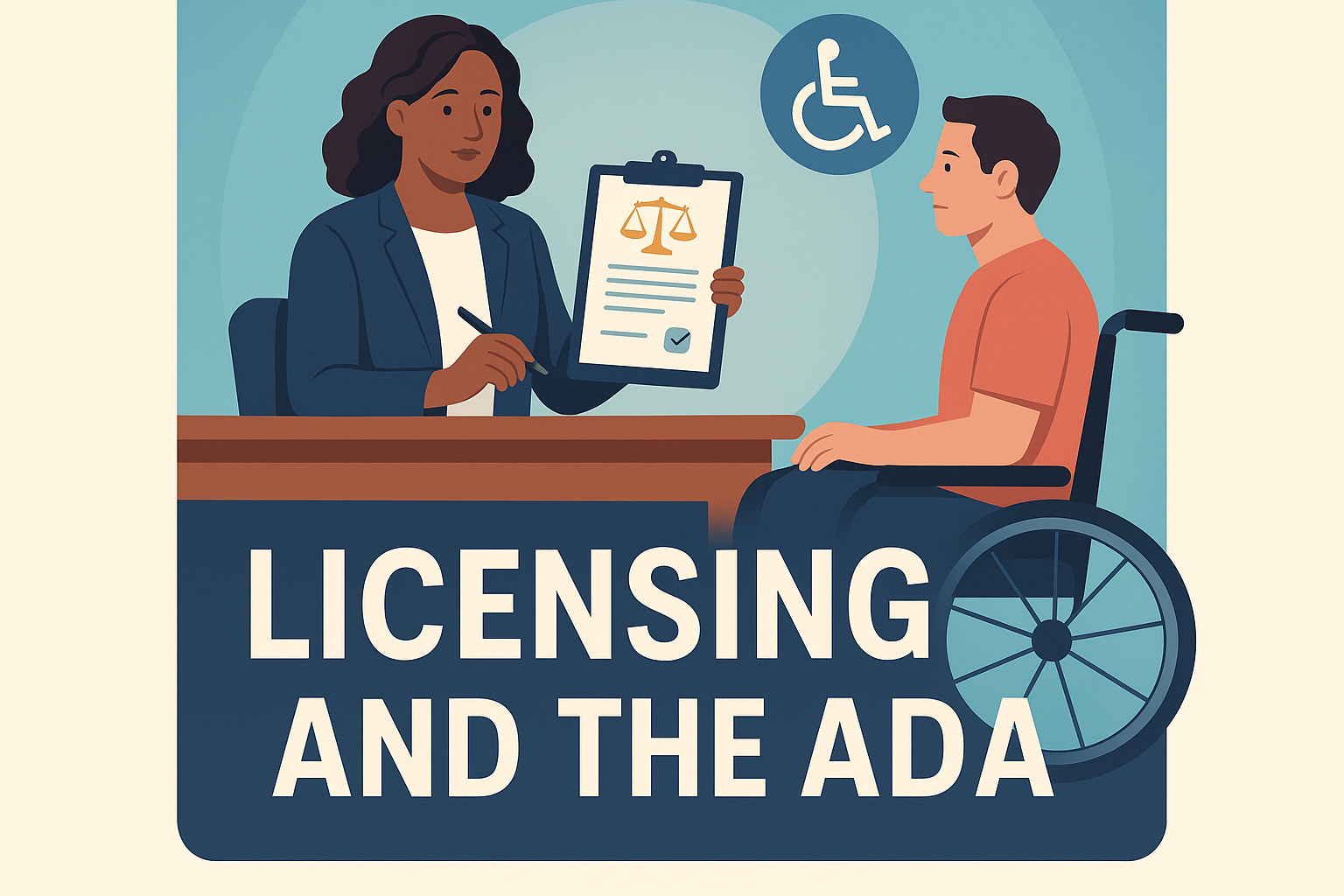
The case of Brumfield v. City of Chicago serves as a landmark legal scenario that addresses the responsibilities of emergency services under the Americans with Disabilities Act (ADA). This case delves into whether emergency services are adequately equipped and legally obligated to provide accommodations for individuals with disabilities during urgent situations. The significance of this issue is profound. With the ADA in place as a protective measure to prevent discrimination against individuals with disabilities, the question of how it applies in emergency settings is crucial to ensure the rights and safety of all citizens are reasonably protected. Understanding the nuances of this legal battle helps in highlighting the importance of policy adaptations and training for emergency personnel, thus encouraging the development of inclusive practices in public services.
Background of the ADA and Its Relevance to Emergency Services
The Americans with Disabilities Act (ADA), enacted in 1990, prohibits discrimination against individuals with disabilities in all areas of public life. This includes jobs, schools, transportation, and all public and private places open to the general public. The primary purpose of the ADA is to ensure that individuals with disabilities have the same rights and opportunities as everyone else. Specifically, Title II of the ADA requires that state and local governments give people with disabilities an equal opportunity to benefit from all of their programs, services, and activities, including emergency services.
Emergency services, by their nature, are rapid-response entities charged with delivering services in high-stress, time-sensitive environments. They include police, fire departments, emergency medical services (EMS), and other responder agencies. The question at the heart of legal conversations, such as in Brumfield v. City of Chicago, is whether these services can reasonably be expected to make accommodations in emergencies, and what constitutes a “reasonable accommodation” in such urgent scenarios. For example, could failing to provide an ASL interpreter constitute a breach of ADA requirements? Are EMS personnel required to carry specialized equipment or have specific training to accommodate various disabilities during an emergency response?
The Case of Brumfield v. City of Chicago
The lawsuit involving Brumfield emerged when an individual with a disability contended that the City of Chicago’s emergency services failed to provide necessary accommodations during an emergency. Specifically, Brumfield alleged that during a critical situation, the lack of appropriate accommodations resulted in inadequate service and, effectively, discrimination based on disability. The crux of the argument was whether Brumfield’s rights under the ADA had been violated because emergency responders failed to prepare for and provide required assistance considering their known disability.
The legal proceedings unveiled specific instances where emergency services had allegedly overlooked specific measures that could have ameliorated the plaintiff’s situation. This case demanded a review of the procedural and policy adaptations (or lack thereof) in Chicago’s emergency management strategies, and whether these followed federal guidelines for disability accommodation.
Implications for Emergency Services Policies
The implications of this lawsuit are significant for setting precedents on how emergency services handle individuals with disabilities. The outcome of such cases invariably influences how policies are structured, training modules developed, and budget allocations made for necessary equipment. Key adjustments often lie in:
- Training: Ensuring emergency personnel receive comprehensive training on ADA requirements and specific strategies for assisting individuals with a wide range of disabilities.
- Resource Allocation: Allocating funds appropriately to ensure all units are stocked with equipment that can aid in accommodating various disabilities.
- Policy Development: Creating clear, actionable policies that outline the processes for modifying standard protocol to accommodate emergencies involving disabled individuals.
Resource allocation also needs prioritization to facilitate these accommodations. For example, should all police units have access to text-based communication devices to assist those who are hearing impaired? The policies become reference points not only for compliance but also to enhance the trust and effectiveness of emergency operations in multicultural, diverse urban settings.
Example and Comparison with Other Cities
To grasp the potential reach and application of ADA in emergency services, consider the example of Los Angeles, a city known for its proactive stance on inclusion and disability rights. Los Angeles has invested in cross-departmental ADA compliance programs, ensuring that all public service units are equipped and trained to respond to and assist disabled individuals during emergencies. This includes both adaptable technologies and standardized training for police, firefighters, and EMTs in communicating and assisting citizens with disabilities effectively.
In comparing with Chicago, the Brumfield case underscores instances where these services fell short. The litigation highlighted gaps in preparedness and service continuity which became a focal point for public scrutiny and legal reform. Elements like consistent access to translation services, clear evacuation procedures for people with physical disabilities, and an operational framework for emergency responders signify proactive measures that some cities have adopted to align with ADA guidelines.
Key Learnings and Call to Action
The Brumfield v. City of Chicago case iterates several key learnings critical for all stakeholders, especially policy-makers and those in charge of emergency services. Primarily, it reinforces the legal imperative and ethical duty of ensuring that ADA protocols are integrated into emergency response frameworks. Recognizing disabilities beyond physical limitations, understanding situational needs, and preparing adequately are essential steps.
For individuals involved in emergency services—from city planners to on-ground first responders—the primary takeaway is the importance of readiness and ongoing education. Ensuring that ADA compliance is not merely a static checkbox but a dynamic commitment involves a comprehensive understanding and operational capability to assist all citizens equitably.
As a call to action, emergency service agencies are urged to review and audit their current disability accommodation policies immediately. Identifying gaps and bridging them with modern technology and inclusive training can assure compliance and elevate the quality of service. Engaging with disability rights experts for consultative support in revising these frameworks ensures a multifaceted approach to public safety and community trust.
Brumfield v. City of Chicago should act as a wake-up call, prompting a systemic review of how emergency services across the nation understand and implement the ADA. The results not only affect legal standings but profoundly impact community relations and the ethos of our public safety culture.
Frequently Asked Questions
1. What was the primary issue in the case of Brumfield v. City of Chicago?
The central issue in Brumfield v. City of Chicago was whether the emergency services in Chicago were fulfilling their legal obligations under the Americans with Disabilities Act (ADA) to provide reasonable accommodations to individuals with disabilities during emergency situations. This case became particularly significant as it highlighted the gap between the theoretical provisions of the ADA and their practical application during urgent, real-life scenarios where timely and appropriate accommodations could significantly impact the safety and well-being of individuals with disabilities.
For instance, the case examined whether the City of Chicago had trained its emergency personnel to effectively communicate and provide necessary assistance to individuals with disabilities, ensuring that these individuals received equitable treatment comparable to those without disabilities in the midst of crisis situations.
2. Why is the ADA important in the context of emergency services?
The Americans with Disabilities Act (ADA) is crucial in the realm of emergency services as it mandates non-discrimination and ensures that individuals with disabilities have equal access to public services, including emergency response. This is vitally important because individuals with disabilities may face unique challenges and barriers during emergency events, which could range from communication difficulties, mobility restrictions, or the need for specialized medical attention. Failure to provide necessary accommodations could lead to severe consequences, thus breaching their rights and potentially risking their lives.
By codifying these needs into law, the ADA strives to prevent discrimination and promote inclusivity, thereby ensuring emergency services are comprehensively prepared to address the diverse needs of all people, particularly during critical times when they are most vulnerable.
3. How did the City of Chicago allegedly fail in providing ADA accommodations during emergencies?
In the lawsuit, it was alleged that the City of Chicago’s emergency services were not fully equipped or sufficiently trained to provide necessary accommodations for individuals with disabilities, thus potentially violating the ADA standards. Concerns raised included inadequate training in communicating with individuals with visual, hearing, or cognitive impairments, improper or insufficient accessibility of emergency shelters and facilities, and a lack of individualized planning to account for the diverse needs of people with disabilities during emergencies.
The lawsuit argued that these shortcomings could leave individuals with disabilities at greater risk during emergencies, failing to provide them with the same level of service and protection afforded to those without disabilities, highlighting a systemic issue that needed addressing.
4. What are some examples of reasonable accommodations that emergency services should provide?
Reasonable accommodations that emergency services might be expected to provide include, but are not limited to, ensuring effective communication through sign language interpreters or real-time captioning, providing accessible transportation to emergency shelters, and ensuring those shelters are equipped with necessary aids and appliances such as ramps or specialized bedding.
Additional accommodations could involve staff training focused on handling individuals with specific disabilities, development of individual emergency plans, and ensuring all public alerts and information dissemination is made through multiple channels to reach individuals with auditory or visual impairments effectively. Tailoring these services could mean the difference between life and death during an emergency, underscoring the need for compliance with ADA provisions.
5. What was the impact of Brumfield v. City of Chicago on future emergency service operations?
The Brumfield case served as a critical catalyst for change in how emergency services are structured to serve individuals with disabilities. It amplified the conversation around the obligations of cities and municipalities under the ADA, urging them to reassess their current practices and ramp up efforts to ensure compliance. One significant impact was that it prompted many emergency departments nationwide to review and potentially overhaul their training programs, protocols, and accessibility measures.
Moreover, the case highlighted the necessity of an ongoing dialogue between disability rights advocates and municipal leaders to foster an inclusive approach to emergency planning. This case has effectively paved the way for more robust and inclusive emergency strategies, ultimately aiming for a more equitable response mechanism that recognizes and addresses the needs of all individuals, regardless of their abilities, during emergencies.