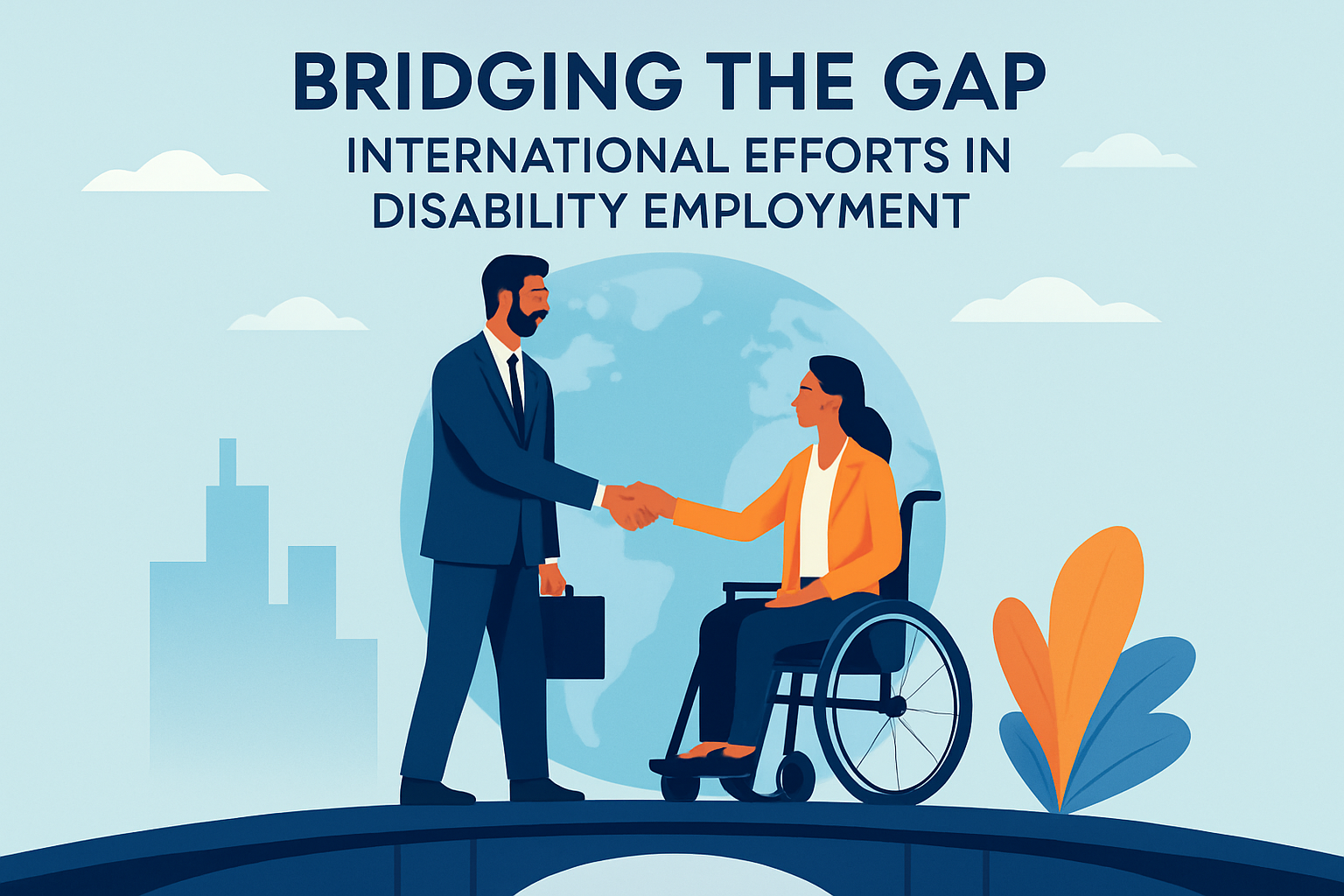
The global landscape of employment is undergoing a revolutionary phase with an increasing focus on disability employment. Disability employment refers to the effort to provide equal job opportunities and workplace accommodations to individuals with disabilities. This issue not only pertains to social justice but also entails significant economic and organizational benefits. Addressing disability employment is imperative as it can drastically improve the lives of millions while enriching organizations with a diverse workforce. Despite growing awareness, a substantial gap remains in the full integration of disabled individuals into the professional world. This article will delve into international efforts aimed at bridging this gap, illustrating global strategies, success stories, and highlighting the obstacles that still need to be traversed.
The Economic Imperative of Disability Employment
The economic benefits of integrating disabled individuals into the workforce are manifold. From increasing productivity to tapping into a vast, underutilized talent pool, there is much to be gained. For instance, companies such as Walgreens have shown remarkable success by tailoring their workplace policies to be inclusive of individuals with disabilities. By doing so, they have reported increased productivity and a boost in employee morale.
A significant effort towards inclusivity requires understanding the economic implications. Globally, approximately 15% of the population is living with a disability. This enormous demographic, often overlooked, represents a potential workforce that can contribute significantly to economic growth. Countries like Canada have recognized this potential and have implemented the Accessible Canada Act, which lays down a robust framework aimed at making Canada barrier-free by 2040. These initiatives not only aim to close employment gaps but also offer strategic economic benefits.
Government Policies and Legal Frameworks
National governments play a pivotal role in shaping disability employment policies. Several countries have enacted legislation to ensure disabled individuals have equal rights and are given opportunities similar to non-disabled persons. The Americans with Disabilities Act (ADA) in the United States stands as a prime example, providing a legal framework that prohibits employment discrimination and mandates reasonable accommodations be made for disabled employees.
In the United Kingdom, the Equality Act 2010 serves a similar function, providing strong legal backing for persons with disabilities. The Act ensures that disability is a protected characteristic, thus mandating equal treatment in all employment aspects. The impact of such legislation has been profound, ensuring companies adhere to fair practices and encouraging more inclusive work environments.
International Collaboration and Advocacy
International organizations have been instrumental in fostering disability employment initiatives. The United Nations, through its Convention on the Rights of Persons with Disabilities (CRPD), pushes for global uniformity in rights and opportunities for disabled individuals. One highlight of the CRPD is its emphasis on the right to work on an equal basis with others, directly addressing the employment gap.
Furthermore, the International Labour Organization (ILO) focuses on creating opportunities and provides technical support to member countries aimed at developing effective disability employment programs. Collaboration among these bodies emphasizes a global commitment to change and ensures a unified effort towards the inclusion of disabled individuals in the workplace.
Corporate Responsibility and Inclusive Workplace Practices
Corporations worldwide are beginning to understand their role in fostering an inclusive work environment. By adopting inclusive workplace practices, companies not only comply with legal requirements but also unlock a wealth of benefits. Microsoft, one of the tech giants, stands as a shining example of this practice. By launching the Autism Hiring Program, they have tapped into a diverse talent pool and seen significant innovative benefits.
These inclusive practices often necessitate a rethinking of traditional recruitment processes and workplace setups. Companies are encouraged to provide sign language interpreters, modified workstations, and flexible work schedules, thus creating a welcoming environment for everyone. The key takeaway for businesses is that inclusive employment strategies are not merely about compliance but also about achieving business excellence.
Challenges and Barriers Yet to Overcome
While progress has been made, significant challenges remain in disability employment globally. Many disabled individuals still encounter barriers when seeking employment, often due to stigmatization and lack of awareness among employers. In some regions, especially within developing nations, societal attitudes and infrastructural inadequacies pose additional challenges.
Efforts to bridge this gap must consider holistic societal change, including education reform and public awareness campaigns. Training programs tailored to both employers and potential employees are essential to eliminating prejudices and fostering inclusive attitudes. Addressing these issues requires concerted efforts from all societal levels, ensuring that everyone has access to equal opportunities.
| Country | Key Legislation | Year Enacted |
|---|---|---|
| United States | Americans with Disabilities Act (ADA) | 1990 |
| United Kingdom | Equality Act | 2010 |
| Canada | Accessible Canada Act | 2019 |
Real-World Examples and Success Stories
Understanding the impact of successful disability employment initiatives is crucial. The Australian National Disability Insurance Scheme (NDIS) offers a glimpse into how government intervention can transform employment landscapes. By providing funding to eligible Australians with disabilities, this initiative supports increased participation in the workforce and community.
Similarly, SAP, a German multinational software corporation, has led by example with its Autism at Work program. This initiative recruits individuals on the autism spectrum, recognizing the unique skills they bring to the organization. SAP reported improved innovation levels and employee engagement as a result, highlighting the tangible benefits of inclusive employment practices.
Technological Advancements and Opportunities
The role of technology in advancing disability employment cannot be overstated. Innovations such as screen readers, voice recognition software, and adaptive devices have been game-changers in increasing workplace accessibility. Companies like IBM are at the forefront, developing AI-driven tools that support disabled employees in performing their roles effectively.
These technological advancements open new career paths and opportunities for disabled individuals, transforming how they interact with their work environments. As technology continues to evolve, it is vital for organizations to embrace these tools, ensuring they contribute towards a more inclusive workforce.
Training and Skill Development
Training and skill development remain cornerstones of successfully integrating disabled individuals into the workforce. Providing targeted training programs helps bridge the gap between capability and opportunity, aligning with industry needs. Organizations such as Project Search offer transition-to-work programs that focus on building career skills for disabled youth.
Total inclusion requires that employers also undergo training to better understand and manage a diverse workforce. As companies and training institutions collaborate, they empower disabled individuals to achieve success in their chosen careers, reinforcing the importance of skills and education in bridging the employment gap.
Conclusion: Moving Forward
The international efforts in disability employment highlight a shift towards a more inclusive and diverse workforce. Key takeaways include recognizing the significant economic potential in employing disabled individuals, the essential role of government and international bodies, and the profound benefits organizations can reap from adopting inclusive practices. The journey toward bridging the employment gap requires unwavering commitment from governments, corporations, and society as a whole.
Each success story serves as a call-to-action: there is power and potential in diversity. Encouraging disabled individuals to partake fully in the workforce is not merely a philanthropic effort but a strategic advantage. As we look to the future, let us commit to advancing these efforts — ensuring equal employment opportunities are a reality for everyone, fostering a world where disabilities are no longer seen as barriers but rather as opportunities for innovation and growth.
For those willing to take the next step, consider examining local employment practices and urging policymakers to support inclusive employment. Together, we can build bridges toward a more equitable future.
Frequently Asked Questions
1. What does bridging the gap in disability employment mean?
Bridging the gap in disability employment refers to the proactive efforts and strategies designed to close the disparity between the employment rates of individuals with disabilities and those without. This involves not just creating more job opportunities but also ensuring that workplaces are accessible and accommodating. Bridging the gap means recognizing and removing invisible barriers that often hinder individuals with disabilities from obtaining and retaining employment. It encompasses a wide array of initiatives such as providing appropriate assistive technologies, implementing inclusive hiring practices, and fostering a workplace culture that values diversity and inclusion. It’s about leveling the playing field so that all individuals, regardless of their physical or mental limitations, have the opportunity to contribute to the workforce and, by extension, society.
2. Why is international cooperation important in improving disability employment?
International cooperation is crucial in improving disability employment because unemployment related to disability is a widespread issue that transcends borders. Countries can learn from one another, sharing best practices, technological advancements, innovative policies, and successful case studies. This cooperation can lead to a more standardized approach in addressing disability employment globally. For instance, international collaborations can help establish universally recognized guidelines and regulations that protect and empower disabled workers. Furthermore, working together on an international level opens up a dialogue that can influence global perceptions of disability, fostering a more inclusive understanding and ensuring that disability rights are recognized as human rights everywhere. Through joint efforts, countries can address systemic issues more effectively and create employment environments that not only welcome but actively recruit and support individuals with disabilities.
3. What are some examples of workplace accommodations for employees with disabilities?
Workplace accommodations for employees with disabilities vary widely depending on the individual’s specific needs and the nature of their disability. Common examples include structural modifications such as ramps, widened doorways, and adjustable desks for wheelchair users. Technological accommodations might include screen readers, voice recognition software, or specialized communication devices for individuals who are visually impaired or have speech impairments. Organizations might also implement flexible work hours and offer the option of remote work for individuals who experience fatigue or have a mobility-related disability. In some cases, providing a quiet, sensory-friendly space is crucial for employees on the autism spectrum to work effectively. Furthermore, creating a comprehensive support system involving continuous feedback and personalized assistance can make a significant difference, enabling employees with disabilities to thrive in their roles.
4. How does increasing disability employment benefit organizations economically?
Increasing disability employment offers numerous economic benefits to organizations. Firstly, it broadens the talent pool, allowing companies to capture unique perspectives and skills that individuals with disabilities bring to the table. Diverse teams have been shown to foster innovation and creativity, leading to improved problem-solving and decision-making processes, which ultimately boost productivity and profitability. Additionally, organizations known for their inclusive practices often enjoy enhanced reputations, which can lead to increased loyalty from both customers and employees. Moreover, by retaining and supporting disabled employees, businesses can reduce turnover rates and the associated costs of hiring and training new personnel. Companies may also benefit from government incentives, such as tax credits, for hiring individuals with disabilities. Overall, by integrating disability employment, organizations do not only fulfill their corporate social responsibilities but also drive sustainable economic growth.
5. What can individuals and communities do to support disability employment initiatives?
Individuals and communities play a vital role in supporting disability employment initiatives by fostering an inclusive culture and advocating for the rights of people with disabilities. On an individual level, it starts with education and awareness – learning and understanding the challenges and abilities of those with disabilities. Individuals can use their voices to advocate for inclusive policies and practices in their workplaces, schools, and communities. Volunteering with organizations that support disability employment or participating in awareness campaigns can also make a significant impact. Communities can engage with local businesses to promote the hiring of individuals with disabilities and provide necessary support structures for accommodating workplace needs. Additionally, community groups can partner with vocational training centers to develop programs that equip people with disabilities with the skills they need to enter the workforce. By taking these steps, communities and individuals can help create environments in which everyone, regardless of ability, can contribute meaningfully.