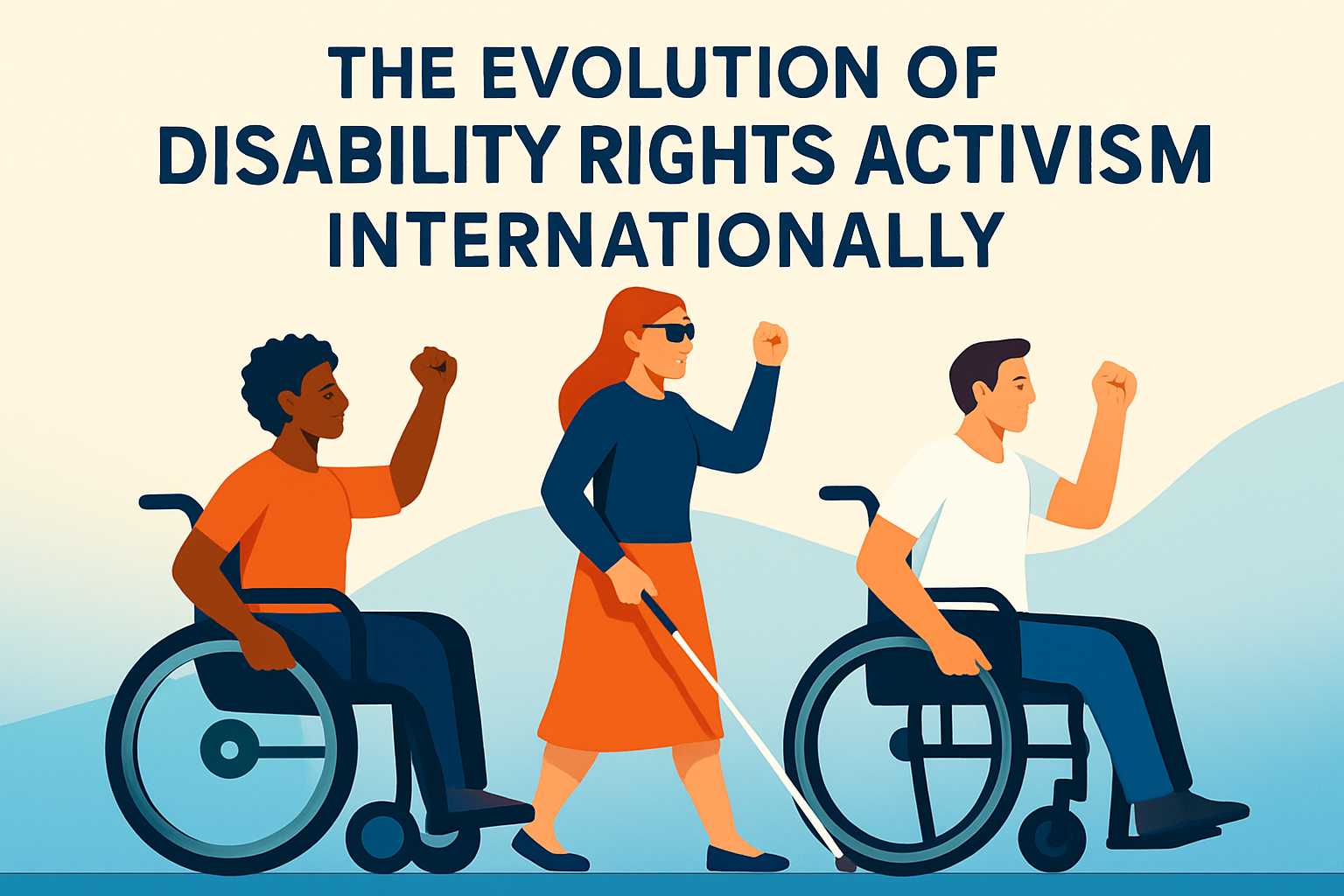
The Scandinavian countries — comprising Sweden, Norway, and Denmark — have long been recognized globally for their progressive approaches to social welfare and human rights. In the disability rights landscape, these nations exemplify best practices through robust policies, inclusive public systems, and a cultural commitment to accessibility and dignity for all individuals, regardless of their abilities. Scandinavian countries not only embody equality and inclusion in their legislations but also in societal attitudes and everyday practices. This makes their approaches valuable case studies for other countries aiming to enhance their disability rights frameworks. By understanding the innovative strategies and principles driving these initiatives, other nations can learn how to model their approaches on successful Scandinavian practices. But what sets these countries apart? What are the core elements of their practices in disability rights? This article explores these questions, delves into specific strategies undertaken, and evaluates how societal values in Scandinavia reflect and reinforce progressive disability rights. From governmental policies to community-based initiatives and technological innovations, expanding on Scandinavian strategies can provide critical insights into making society more inclusive and equitable on a global scale.
Sweden: Integrative Policy Design and Innovation
Sweden’s approach to disability rights underscores comprehensive policy-making that integrates the concept of accessibility into all spheres of public life. The government enforces laws designed to dismantle barriers, both physical and societal, through detailed policies such as the Act Concerning Support and Service for Persons with Certain Functional Impairments (LSS). This legislation emphasizes individual rights to personal assistance, emphasizing the principle that no person should face inequality due to disability. Furthermore, the Swedish government has effectively supported the Personal Ombudsman system, ensuring that individuals with mental health issues can access adequate support and representation in their decision-making processes. This initiative seeks to empower these individuals, granting them autonomy in navigating their complex social and health care systems.
A significant stride taken by Sweden is its focus on Universal Design — a concept encouraging environments and products to be usable by as many people as possible, regardless of age or abilities. This design philosophy is evident in its public transportation systems, accessible architecture, and digital services. Major buildings and transport facilities are equipped with ramps, lifts, and auditory signals accommodating people with various impairments. Additionally, Swedish urban planners prioritize tactile pathways and accessible digital interfaces, ensuring that technology is not a barrier but rather a bridge to opportunities and civic participation.
Norway: Legal Frameworks and Cultural Acceptance
Norway’s framework for disability rights is deeply rooted in a strong legal foundation. The country’s commitment to integrating disability rights into human rights legislation is evident through laws like the Anti-Discrimination and Accessibility Act. This legislation enshrines the right to equal access and addresses discrimination across many sectors, including education, employment, and transportation. Truly ahead of its time, Norway mandates public and private sectors to accommodate disabilitative needs, pushing standards beyond simple compliance to embracement of diversity as a societal norm.
The Norwegian government also ensures oversight and compliance through active enforcement measures. The Equality and Anti-Discrimination Ombud oversees complaints, making sure organizations adhere to set accessibility standards. This regulatory approach fosters an environment where discrimination is not only legally unacceptable but socially intolerable.
Culturally, Norwegians value inclusivity and participation, permeating societal functions from schooling to workplace environments. Educational institutions champion inclusive education, accommodating students with special needs alongside their peers through tailored educational programs and assistive technologies. Critical to this approach is the proactive attitude towards accommodating all students, empowering them to contribute and engage fully with the learning experience.
Denmark: Community-Based Approaches and Technology
Denmark has distinguished itself by focusing on community support and employing technology to enhance the quality of life for people with disabilities. Danish policies prioritize community-centered support networks, enabling disabled individuals to lead independent lives while feeling integrated within their communities. These efforts have been bolstered by the development of home-based support services, ensuring personalized care and assistance.
The Danish Act on Social Services provides a legal framework that emphasizes services tailored to individual needs, thus promoting participation and reducing isolation. Danish municipalities play pivotal roles in achieving this, serving as primary points of contact for services and support, ensuring that aid is not only accessible but also convenient and reliable for people with disabilities.
Technological advancement is another area where Denmark excels. By leveraging innovative technologies such as communication aids and rehabilitation software, individuals can increase their mobility and autonomy. Municipalities often incorporate cutting-edge technology into the home environments of persons with disabilities, resulting in improved personal agency and mobility.
Holistic Education and Workplace Inclusion
The educational and occupational inclusivity strategies across these Scandinavian countries demonstrate a holistic approach to disability rights. In Sweden, Norway, and Denmark, policies promote not only access to education but also engagement with the content and community. Inclusive education transcends merely placing students with disabilities in mainstream classrooms. Rather, it involves rebuilding curricula, training experts, implementing technologies, and adapting physical environments to better suit students’ diverse needs.
For workplaces, Scandinavian practices move beyond token inclusion towards genuine empowerment, emphasizing the potential that people with disabilities bring. Government grants and tax incentives are offered to companies who employ individuals with disabilities. These countries also provide employees with relevant training programs, career development opportunities, and necessary access provisions to ensure successful integration within the workforce. By nurturing an inclusive workforce, Scandinavian countries tap into a broader talent pool, enriching their economies and enhancing societal diversity.
Policy Effectiveness and Global Impact
Scandinavian countries have shown the world that robust and comprehensive policies can strongly impact global disability rights. Their initiatives have spurred international interests and collaborations, influencing frameworks and policies beyond their borders. For instance, Scandinavian advisories frequently consult with developing countries aiming to build or enhance their national disability policies. These consultive efforts ensure that local contexts and needs are considered, reinforcing sustainable and inclusive growth.
Moreover, the Scandinavian model has pointed out that societal measures need participation from all stakeholders: individuals, communities, businesses, and governments must collaborate to foster an inclusive society. By championing these holistic approaches, these countries have cultivated ecosystems that respect and honor disability rights, creating a ripple effect of progress worldwide.
Conclusion: A Global Blueprint for Inclusion
In concluding our exploration of Scandinavian best practices in disability rights, it’s evident that these countries have crafted a society where everyone, regardless of ability, can access both opportunities and communities equally. Sweden, Norway, and Denmark have demonstrated that coordinated efforts in policy design, societal acceptance, community engagement, and technological advancements can make significant differences in the lives of people with disabilities. Such an integrated approach not only enhances societal well-being but also serves as a blueprint for global adoption, promoting the profound belief that inclusion is an investment in human potential.
These nations’ practices and policies underscore the notion that uplifting every sector of society, including those with disabilities, ultimately elevates the entire nation. The focus on accessibility and inclusivity molds a supportive framework where all individuals can contribute meaningfully to society. Looking forward, other nations are invited to embrace and adapt these practices to reflect their unique cultures and legislations, thus promoting a universally inclusive future.
In a world striving for equity and justice, adopting Scandinavian methods could lead to a significant shift towards global inclusivity, inspiring widespread action and positive change across various regions. The Scandinavian model serves not only as an exemplar of best practices but also as a testament to the transformative power of investing in people and their rights, reinforcing that everyone, regardless of their abilities, is a vital part of the global community.
Frequently Asked Questions
1. What are some key disability rights practices in Scandinavian countries?
Scandinavian countries such as Sweden, Norway, and Denmark have several key practices when it comes to disability rights. They focus on inclusive policies that are woven into the very fabric of their legislation, ensuring equal opportunities for everyone. These nations emphasize the dignity of all individuals through laws that mandate accessibility in public spaces, transportation, and technology. This extends into the educational system, where there is a strong commitment to inclusive education, allowing children with disabilities to learn alongside their peers. Furthermore, there’s a significant push towards personal assistance initiatives, providing tailored help to individuals with disabilities to live independent, fulfilling lives. Additionally, comprehensive social welfare systems support both people with disabilities and their families, recognizing the importance of community support and inclusion.
2. How do Scandinavian countries ensure accessibility for people with disabilities?
Accessibility is a major priority in the Scandinavian approach to disability rights. Legislative frameworks require that public buildings, services, and transportation systems are barrier-free to ensure that everyone can move freely and participate fully in society. Moreover, there’s a strong emphasis on universal design, which means that products and environments are created to be usable by everyone, to the greatest extent possible, without the need for adaptation. Public transport is equipped with ramps, elevators, and audio-visual aids to accommodate people with varying needs. Urban planning also plays a crucial role, with cities designed to be accessible, complete with pedestrian zones and tactile paving for those who are visually impaired. The commitment extends into digital spaces as well, where websites and online services must comply with accessibility standards to support users with different abilities.
3. How do the Scandinavian countries support the employment of individuals with disabilities?
Employment support for individuals with disabilities in Scandinavian countries is comprehensive and multifaceted. Policies are in place to ensure non-discrimination in hiring and employment practices. Employers are encouraged, and sometimes incentivized, to hire people with disabilities. There are government-funded programs that provide training, accommodations, and workplace adjustments to aid both employees and employers. Additionally, there are initiatives to create job opportunities in sheltered or supported employment settings, which offer a stepping-stone for individuals into the open labor market. Scandinavia’s strong social welfare systems also play a role, offering financial support and personalized employment assistance programs to help individuals with disabilities find and retain meaningful work.
4. What cultural attitudes towards disability can be found in Scandinavian countries?
The cultural attitudes towards disability in Scandinavian countries are founded on respect and equality. There is a widespread societal understanding and acceptance of disabilities as a natural part of human diversity. The cultural commitment to egalitarian principles ensures that people with disabilities are integrated into all aspects of life. This mindset is reinforced in the education system, community initiatives, and workplace policies. Society values the contributions of all individuals, recognizing that everyone has something unique to offer. Awareness campaigns, public discussions, and community events actively promote the inclusion and representation of individuals with disabilities, challenging stereotypes and fostering a culture of acceptance and support.
5. How do Scandinavian countries involve people with disabilities in policy-making?
In Scandinavian countries, the involvement of people with disabilities in policy-making is seen as essential to creating inclusive, effective policies. This collaborative approach is institutionalized through various mechanisms that ensure active participation and consultation. Advisory boards and councils composed of individuals with disabilities and representatives from disability organizations advise the government on policy matters. This collaboration ensures that legislation and initiatives accurately reflect the needs and rights of the disabled community. In addition, public consultations and feedback mechanisms are in place to gather inputs directly from individuals with disabilities, ensuring that their voices shape the policies that affect them. This inclusive approach not only results in better policy outcomes but also empowers individuals with disabilities by acknowledging their role in shaping their own futures.