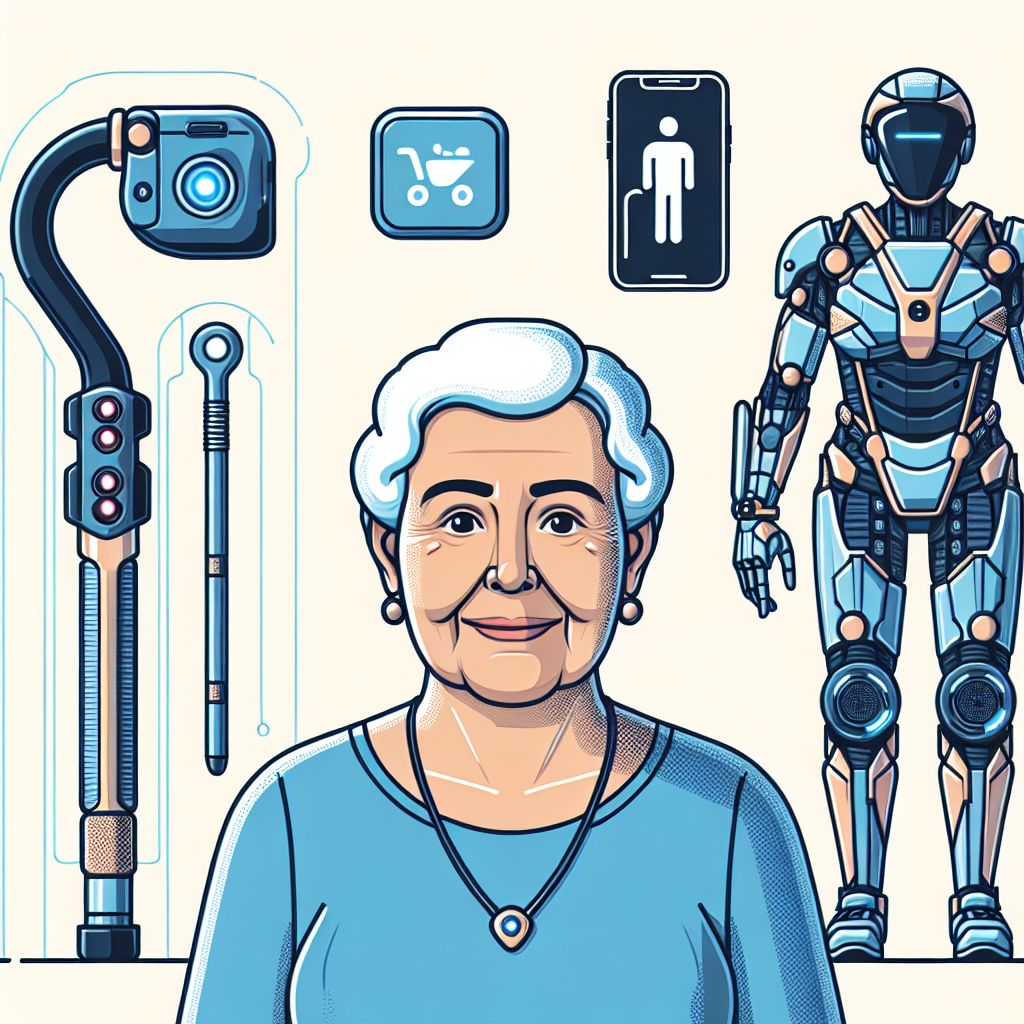
Augmented reality (AR) is increasingly being recognized as a revolutionary force in various sectors, particularly in assistive technology. By overlaying digital information onto the real world, augmented reality enhances human abilities, allowing individuals with disabilities to interact with their environment in more immersive and meaningful ways. Assistive technology, aimed at increasing, maintaining, or improving the functional capabilities of individuals with disabilities, has been transformed significantly by the integration of AR. From facilitating navigation for the visually impaired to enhancing communication for those with speech difficulties, augmented reality offers unprecedented possibilities. This novel approach empowers those with disabilities by providing tools and resources that were once unimaginable, thereby enabling a more inclusive society.
The utilization of augmented reality in assistive technology is not limited to enhancing physical interactions; it also extends to psychological and cognitive support. By creating realistic experiences and simulating real-world challenges, AR can help individuals improve their cognitive skills and build confidence. With these multiple layers of support, AR is setting new benchmarks in assistive technology. This article delves into the transformative potential of augmented reality in assistive technology, exploring its applications, benefits, current challenges, and future prospects. As we unravel this dynamic intersection, we will discover how AR is not only redefining what is possible but also how it is contributing to a more accessible and equitable world for all.
Applications of Augmented Reality in Assistive Technology
The scope of augmented reality in assistive technology is vast and varied, impacting a multitude of areas. Vision assistance is among the most prominent applications. For individuals with visual impairments, AR can serve as a guide in unfamiliar environments, offering real-time navigation support. Applications such as AR-powered smart glasses provide auditory cues by recognizing objects and obstacles through integrated cameras, helping users avoid hazards and navigate safely. Additionally, AR technologies can magnify text and images, offering considerable assistance to those with low vision, thus facilitating a better understanding of their surroundings.
In the realm of auditory assistance, AR contributes by offering transcription services and speech-to-text applications in real-time. These services allow the hearing-impaired to participate in conversations and engage in social interactions, thereby bridging communication gaps. With AR, captions and translations can be displayed in real-time through smart glasses or smartphone apps, enabling users to fully engage in diverse environments, from classrooms to theaters.
Furthermore, AR applications are making strides in assisting individuals with mobility challenges. For people who rely on wheelchairs or other mobility aids, AR can be integrated into devices to provide navigation instructions and environmental analysis. This provides users improved situational awareness and independence. Enhancements in smart wheelchairs that employ augmented reality can alert users about possible obstacles or suggest alternative routes to navigate around them efficiently and safely.
Cognitive assistance through AR offers valuable benefits for individuals with learning disabilities or cognitive impairments. Applications that use AR for skill development or therapy expose users to customizable, controlled virtual scenarios designed to improve decision-making, planning, and multitasking skills. Additionally, these tools can offer prompts and reminders, acting as a digital assistant in everyday tasks. By simulating realistic work environments or social situations, AR can help users develop necessary social and occupational skills in a supportive, systematic manner.
Speech and language assistance technologies have similarly been transformed by AR. For individuals with speech impairments or non-verbal users, AR can facilitate communication through visual aids and sign language recognition. Applications that convert sign language to text or spoken language in real-time are breaking down barriers for those with speech and language challenges, providing them with the tools to interact with their environment more effectively.
Benefits of Augmented Reality in Assistive Technology
The benefits of incorporating augmented reality into assistive technology are numerous and profound. One of the primary advantages is the enhancement of independence for individuals with disabilities. By offering tools that improve self-reliance, AR empowers users to navigate the world around them with greater confidence and autonomy. Enhanced accessibility and independence translate into a higher quality of life and increased social participation, reducing feelings of isolation and dependency.
Moreover, AR technologies provide personalized experiences tailored to the individual needs of users. This customization is especially beneficial for people with disabilities, as it allows for the adaptation of technology to suit varying levels of ability and preference. Personalized AR applications offer targeted interventions based on the unique requirements of each user, thereby optimizing their effectiveness.
Augmented reality fosters an inclusive learning environment as well. By providing alternative instructional methods and materials, AR accommodates diverse learning styles and abilities. In educational settings, AR can transform how subjects are taught by enabling interactive and engaging learning experiences that cater to students with different needs. This aids in bridging learning gaps and ensuring equitable educational opportunities for all students, regardless of their abilities.
From a societal perspective, the integration of AR into assistive technology promotes awareness and acceptance of disabilities by demonstrating the potential for technology to enhance human capabilities beyond conventional limits. This increased visibility of both technological innovations and the capabilities of individuals with disabilities can foster a more inclusive approach to design and policy, influencing future developments in accessibility.
By creating environments where individuals with disabilities can thrive, AR solutions contribute to workforce integration and economic empowerment. Providing assistance in the workplace through AR can facilitate job performance and expand the employment opportunities available to individuals with disabilities, offering them a greater chance at gaining financial independence and contributing meaningfully to society.
Challenges and Considerations
Despite the considerable potential of augmented reality in assistive technology, several challenges and considerations must be addressed. One primary concern is the accessibility and affordability of AR devices. Advanced AR technology can come with significant costs, which could limit access for individuals who stand to benefit the most. Ensuring that AR technologies are available at reasonable prices is essential to achieving widespread adoption and equity.
Another challenge lies in the user-friendliness and technical complexity of AR systems. To be effective, these systems must be intuitive and easy to use for all individuals, regardless of their technical aptitude. This necessitates thoughtful design and rigorous testing to ensure that AR solutions are accessible and functional for diverse user groups.
Privacy and data security are also significant considerations. With AR devices collecting vast amounts of data about users and their environments, safeguarding this information is paramount to prevent misuse and maintain user confidence. Developers must implement stringent security protocols and transparent data policies to protect user privacy while maintaining the functionality and benefits of AR.
Interoperability with existing assistive technologies and platforms is another consideration. The successful integration of AR requires seamless interaction with current systems to maximize benefits and minimize disruptions for users. Development efforts must focus on creating open standards and ensuring compatibility between different technology components.
Lastly, the ethical implications of augmented reality in assistive technology cannot be overlooked. While AR offers tremendous potential to empower individuals with disabilities, it also raises questions about dependency and reliance on technology. Maintaining a balance between technological assistance and personal agency is crucial in ensuring that individuals retain control over their lives and make informed choices about their use of AR technologies.
Future Prospects
As technological advancements continue, the future of augmented reality in assistive technology holds boundless promise. The potential for innovations and newer applications is vast and varied, as AR becomes increasingly integrated with artificial intelligence (AI) and other emerging technologies. These integrations will enhance the capabilities and functionalities of AR, paving the way for more sophisticated and effective assistive solutions.
One prospective area of development is the improvement of sensory substitution systems, which allow individuals to rely on alternative senses to perceive the environment. With advances in machine learning and AI, AR can facilitate more accurate and efficient sensory experiences that cater to individual preferences and abilities.
Another exciting possibility lies in the potential for AR to create shared experiences and environments, offering new ways for individuals with disabilities to interact both digitally and physically. Collaborations between users can be augmented through virtual environments that offer shared perspectives and experiences, fostering collaboration and reducing social barriers.
As AR in assistive technology continues to evolve, there will be increased opportunities for personalization and customization. Future AR applications will likely incorporate advanced data analytics and machine learning models to design customized assistive solutions that more accurately address individual needs and enhance user experience.
The prospects for AR in assistive technology hold immense potential for transforming lives and expanding societal inclusivity. By harnessing the power of augmented reality, we can work towards a future where technology serves as a bridge to opportunity, independence, and empowerment for all individuals, regardless of their abilities.
Conclusion
In conclusion, augmented reality is a game-changer in the field of assistive technology, setting the stage for significant advancements in accessibility and independence for individuals with disabilities. By providing tools and solutions that enhance human abilities and interactions with the environment, AR is empowering individuals within a society that values inclusivity and equal opportunities. The applications of AR are diverse, ranging from vision assistance to cognitive development, offering users the means to live fuller, more independent lives.
While challenges such as accessibility, cost, and data security need to be addressed, the potential benefits of AR in assistive technology far outweigh these hurdles. As technological innovations continue and societal perspectives on disability and inclusivity evolve, the integration of AR promises to reshape the landscape of assistive technology. This transformation serves not only to empower individuals with disabilities but also to inspire innovation and inclusivity across all facets of society.
Ultimately, the continued development and implementation of augmented reality in assistive technology will play a crucial role in breaking down barriers, promoting independence, and facilitating a more equitable world. As we advance into a future rich with possibilities, the potential for augmented reality to serve as a catalyst for change remains as promising as ever, heralding a new era of opportunity and empowerment for everyone.