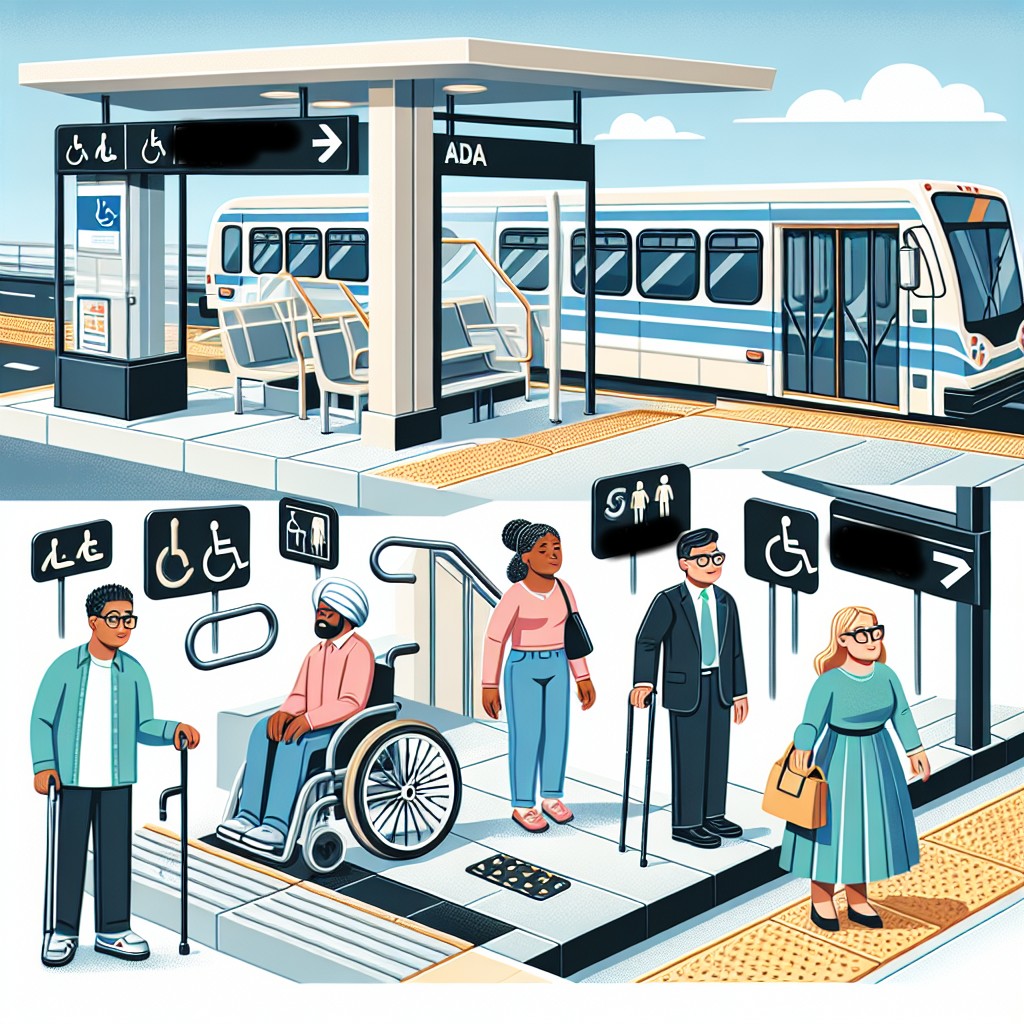
The Americans with Disabilities Act (ADA) has played a pivotal role in ensuring that individuals with disabilities have equal access to public spaces, employment, transportation, and communication. Since its enactment in 1990, the ADA has been instrumental in fostering inclusivity and equality. However, as societal norms evolve and technology advances, legal developments surrounding ADA litigation are bound to surface. Understanding these anticipated legal developments is crucial for businesses, lawmakers, and individuals alike. Such developments could address gaps in compliance, enhance understanding of digital accessibility, and manage new challenges that arise as our world becomes more technologically integrated. With legal experts predicting significant shifts, this article delves into these potential changes, examining how they may impact ADA litigation in the near future.
Broadening the Scope of Digital Accessibility
One of the most significant developments anticipated in ADA litigation is the expansion and clarification of digital accessibility requirements. As online platforms and digital interactions become ubiquitous, ensuring that websites and apps are accessible to individuals with disabilities becomes increasingly critical. Courts have already begun to set precedents, requiring businesses to make their digital content accessible. The lack of clear guidelines, however, has resulted in a myriad of interpretations and legal challenges.
To date, the ADA primarily addresses physical accessibility, but the digital realm necessitates different stipulations. Anticipated legal developments may involve comprehensive federal regulations mandating digital accessibility. The World Wide Web Consortium’s Web Content Accessibility Guidelines (WCAG) have been a go-to standard, but incorporating them into the legal framework in a definitive manner will help businesses understand their obligations more clearly. Moreover, as artificial intelligence and machine learning technology become commonplace, questions will arise regarding the accessibility of such advanced technologies, prompting further legal scrutiny.
Clarification of “Public Accommodation”
The interpretation of “public accommodation” under the ADA remains a contentious issue, often influencing the outcomes of ADA litigation. Historical interpretations have typically focused on physical spaces, such as stores or restaurants. However, the definition of what constitutes public accommodation continues to expand, especially as digital platforms increasingly supplant physical locations for business and social engagements.
Legal developments may offer a more inclusive understanding of what encompasses public accommodation, potentially extending it to include online platforms, virtual reality environments, and other emerging technological spaces. This redefinition could significantly affect businesses operating predominantly online, increasing their responsibility to provide accessible user experiences. Increased guidance from lawmakers or judiciaries on this matter will be crucial in reducing the ambiguity that currently surrounds the application of ADA standards to non-physical spaces.
Addressing Workplace Inclusivity in Remote Settings
Remote work, once a contingency plan, has become a permanent arrangement for many businesses, raising new considerations for ADA compliance. Employers must navigate the complexities of providing reasonable accommodations in a virtual work environment, which could include accessible technologies for meetings, customized interfaces for specific disabilities, or flexible work-hour arrangements.
As more employees work remotely, anticipated legal developments may strengthen guidelines regarding what constitutes reasonable accommodations in a digital workspace, potentially including requirements for accessible telecommuting technologies. Furthermore, ADA litigation could emerge when employers fail to adapt to these changes. Such developments will likely spur organizations to proactively assess and improve their remote work practices, ensuring that inclusivity extends beyond physical office spaces.
Interpretation of Reasonable Accommodation and Undue Hardship
The ADA requires employers to provide reasonable accommodations to employees with disabilities unless they pose an undue hardship. However, what precisely constitutes reasonable accommodation or undue hardship can vary widely. As new forms of disabilities are identified and as technology evolves, these definitions are expected to be reevaluated.
Anticipated legal developments could lead to more explicit definitions and guidelines, enabling both employers and employees to have a better grasp of their rights and responsibilities. With novel technologies possibly altering what accommodations are considered reasonable or feasible, ongoing legal discourse is essential to balance the operational needs of businesses with the rights of employees. More precise legislation or judicial guidelines will help mitigate disputes, standardize accommodations, and promote workplace equity.
Addressing Intersectionality in ADA Litigation
Intersectionality—considering how various social identities intersect to create unique experiences—has gained increasing attention in legal discourse, particularly in ADA litigation. Characteristics such as race, gender, and disability can have compounded effects, necessitating a nuanced approach to ADA compliance and litigation.
Future legal developments could incorporate intersectionality into ADA litigation, allowing for a deeper understanding of how multiple identities can influence an individual’s experience with accessibility and discrimination. Courts might begin to consider intersectionality as a critical factor in ADA cases, leading to more comprehensive and fair outcomes. This evolution in legal thinking would necessitate more inclusive policies and practices within organizations, acknowledging and addressing the varied experiences of all employees or customers.
Changes in Enforcement Mechanisms and Penalties
As ADA litigation evolves, so too might the mechanisms for enforcement and penalties associated with non-compliance. Current methods often rely on individual complaints and subsequent lawsuits, which can be cumbersome and costly. Streamlining enforcement could enhance compliance and deter potential violations.
Anticipated legal developments might include the introduction of preemptive audits, certifications, or incentives for businesses demonstrating proactive compliance. Additionally, penalties for non-compliance could be adjusted to reflect the potential severity of violations or the benefits gained from excluding individuals with disabilities. Enhanced enforcement mechanisms could foster a more cooperative relationship between regulatory bodies and businesses, reducing litigation while improving accessibility standards.
Adapting to Technological Innovations
The pace of technological innovation presents continuous challenges and opportunities for ADA litigation. Emerging technologies, such as augmented reality, autonomous vehicles, and biometric identification systems, each present unique accessibility considerations.
Anticipated legal developments could involve proactive regulations addressing the accessibility of these technologies, emphasizing inclusivity from the design phase. The engagement of accessibility experts early in the development process could become a standard practice, encouraged through policy frameworks. As technology continues to evolve, so too must our legal frameworks, ensuring that advancements enhance rather than impede accessibility for individuals with disabilities.
Promoting Universal Design Principles
The concept of universal design—creating environments accessible to all people regardless of ability or disability—could gain prominence in ADA litigation. Encouraging or mandating universal design principles could help preempt accessibility issues, reducing reliance on reactive litigation and accommodating a broader audience.
Anticipated legal developments might provide incentives or requirements for businesses to adopt universal design principles, aligning with ADA objectives while enhancing usability for everyone. As universal design gains traction, businesses could find themselves at the forefront of accessible practices, fostering inclusive environments and potentially reducing the need for future accommodations.
Conclusion
As we anticipate these legal developments in ADA litigation, the future presents both challenges and opportunities for creating a more inclusive society. Expanding the scope of digital accessibility, redefining public accommodation, ensuring remote work inclusivity, and clarifying reasonable accommodations are only a few of the critical areas demanding attention. Incorporating intersectionality into legal frameworks, enhancing enforcement mechanisms, and adapting to technological advances are further imperative steps.
These changes underscore the importance of continuous dialogue and adaptation in ADA litigation. For businesses and lawmakers, staying informed and proactive in addressing these anticipated developments will be crucial. By fostering a deeper understanding of accessibility needs and implementing robust, forward-thinking measures, society can ensure a future where people with disabilities experience equal access and opportunities across all facets of life.
Overall, these anticipated legal developments represent an ongoing commitment to fairness and equality, reinforcing the core principles upon which the ADA was founded. Embracing these changes with a proactive mindset will be instrumental in making the theoretical promises of the ADA a reality for everyone, paving the way for a more inclusive future that genuinely respects and values diverse abilities.
Frequently Asked Questions
1. What new trends are we expecting in ADA litigation as technology continues to advance?
As technology rapidly evolves, we anticipate several new trends in ADA litigation. One of the most prominent developments is the focus on digital accessibility. With the increasing reliance on websites, apps, and other digital platforms for everyday activities, ensuring these technologies are accessible to people with disabilities is becoming more crucial. Legal standards are likely to be refined to clearly define what constitutes an accessible digital environment under the ADA. This includes compliance with the Web Content Accessibility Guidelines (WCAG), which ensure that digital content is perceivable, operable, understandable, and robust for all users, including those with disabilities.
Another trend involves the use of artificial intelligence (AI) and machine learning technologies. As these technologies become more integrated into various sectors, their compliance with ADA requirements is under scrutiny. Issues such as bias within AI systems that may inadvertently disadvantage people with disabilities are likely to be litigated. We may also see developments in the way assistive technologies are supported and mandated by law to ensure individuals with disabilities can fully harness digital innovations.
2. How might changes in societal norms impact ADA litigation in the near future?
As societal attitudes towards disability and inclusivity evolve, they are likely to influence ADA litigation. One significant shift is the increasing recognition of invisible disabilities, such as mental health issues and cognitive impairments. As awareness grows, legal cases may challenge existing definitions within the ADA and seek to expand protections effectively. Businesses might be required to implement broader accommodations and foster more inclusive environments for a diverse range of disabilities.
There is also a growing societal shift towards universal design, which aims for environments and products that can be used by all people, to the greatest extent possible, without the need for adaptation or specialized design. As universal design becomes more accepted, ADA litigation may increasingly address how businesses and public entities can integrate these principles to proactively meet the needs of individuals with disabilities.
3. What sectors are most at risk for facing ADA lawsuits and why?
Certain sectors are particularly vulnerable to ADA litigation. The retail and hospitality industries are heavily scrutinized, as these sectors are crucial to everyday consumer engagement and must ensure that physical spaces, services, and digital platforms are accessible. Failure to comply with ADA standards in these industries can lead to litigation based on lack of accessibility to goods and services.
The transportation sector is also closely watched, especially as advancements in autonomous vehicles and ride-sharing services introduce new challenges and opportunities. Ensuring these new modes of transport are accessible and do not discriminate against individuals with disabilities is an emerging legal focus. Educational institutions are another critical area, where ensuring equal access to learning materials and environments remains a paramount concern.
4. What role do businesses play in anticipating ADA legal developments, and how can they prepare?
Businesses play an essential role in anticipating ADA legal developments by fostering an inclusive culture that prioritizes accessibility from the onset. Proactively conducting accessibility audits of physical and digital spaces can help identify areas requiring improvement before any legal challenges arise. Investing in training employees about disability awareness and compliance can also mitigate risks related to ADA non-compliance.
Additionally, engaging with disabled communities and seeking their input on barriers they face can provide invaluable insights for businesses aiming to improve accessibility. Keeping up to date with evolving legal standards and technological advances ensures businesses can adapt swiftly to potential changes in the ADA. This preparedness not only reduces legal risks but also enhances reputation and customer trust.
5. How might international developments in disability rights influence U.S. ADA litigation?
International developments in disability rights can significantly impact U.S. ADA litigation as they offer new perspectives and frameworks for enhancing inclusivity. Countries with progressive disability rights policies often serve as models, encouraging lawmakers and advocates to push for similar reforms in the U.S. For instance, recognizing intersectional identities within disability rights debates is an area gaining traction globally, prompting broader interpretations and applications of the ADA.
Furthermore, international treaties such as the United Nations Convention on the Rights of Persons with Disabilities (CRPD) can influence U.S. litigation strategies by highlighting best practices and setting aspirational goals. Although the U.S. has yet to ratify the CRPD, its principles may inspire domestic legal arguments and standards over time. Thus, staying informed about these global developments enables U.S. stakeholders to anticipate and react to changes that may reshape ADA litigation dynamics.