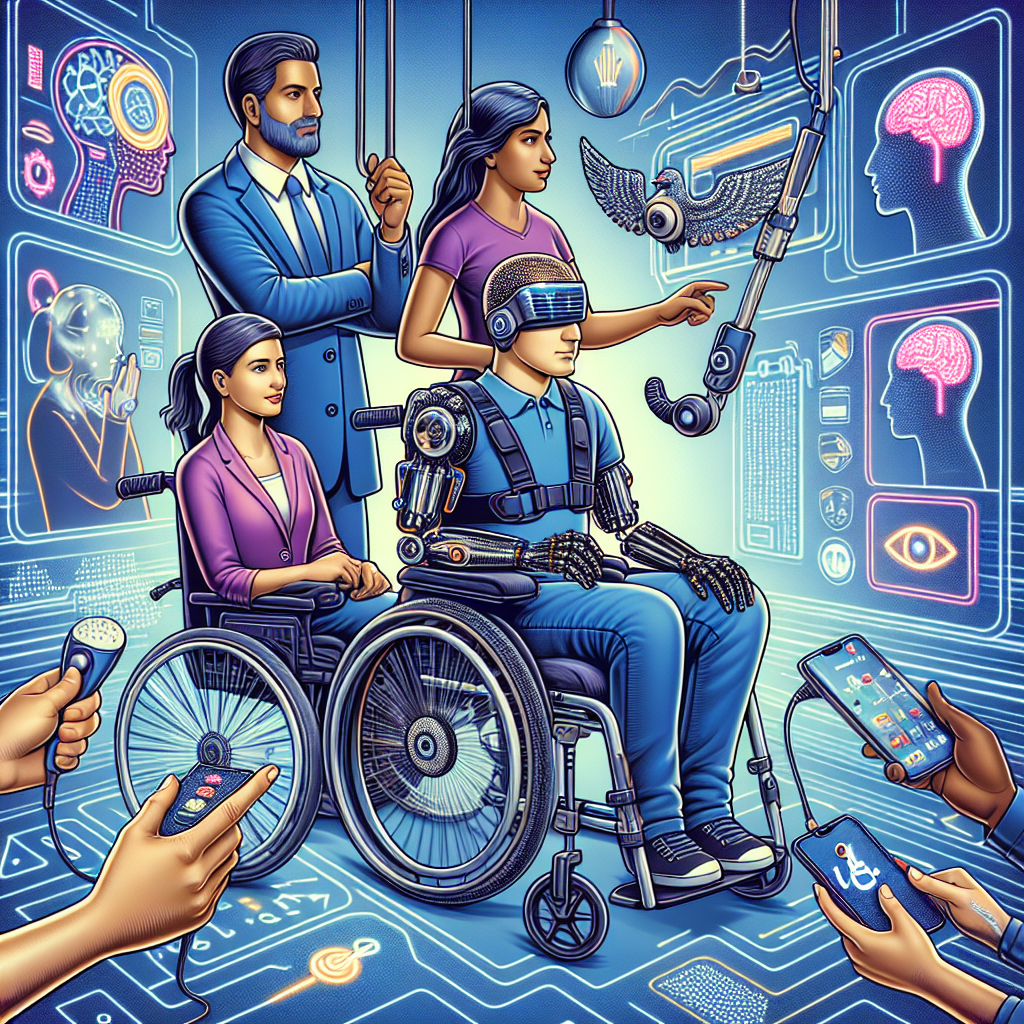
The Americans with Disabilities Act (ADA) has been a cornerstone in making the world more accessible for individuals with disabilities. Since its inception in 1990, the ADA has driven an evolution towards inclusivity, requiring public and private sectors to eliminate barriers and promote equality. One of the most exciting advancements in recent years is the intersection of artificial intelligence (AI) and accessibility. As technology advances, so do opportunities for improved accessibility, ensuring that individuals with disabilities can participate fully in society. This article aims to explore the recent ADA-related advances in AI that are dramatically enhancing accessibility. We’ll delve into the progress made, the challenges that still exist, and the future potential of AI in upholding and evolving the principles of the ADA.
At the heart of accessibility is the belief that everyone, regardless of abilities or disabilities, deserves access to the digital and physical worlds. The digital transformation of recent years, bolstered by AI technologies, has brought us closer to realizing this vision. From automated captioning to smart personal assistants, AI empowers individuals with disabilities by reducing reliance on others and providing increased independence. However, the journey towards a fully inclusive environment is ongoing and demands the commitment of policymakers, tech developers, and society at large.
The Impact of AI on Visual Impairments
One of the most significant applications of AI in accessibility is its impact on assisting those with visual impairments. AI technologies are innovatively addressing challenges faced by individuals who are blind or have low vision.
Screen readers, powered by advanced AI, interpret and translate data from text and images into spoken words or braille. This capability has been revolutionary in providing access to information. AI-driven apps and services like Seeing AI from Microsoft use a smartphone’s camera and AI algorithms to describe people, text, and objects to a user, making navigation in the physical and digital world easier.
AI-driven tools are also enhancing image recognition. For instance, software that quickly and accurately describes the contents of a photo can help individuals understand social media content, which is predominantly visual. This clear benefit shows the promise that AI holds to revolutionize daily digital interactions for those with visual impairments.
Revolutionizing Communication for Hearing Impaired
For individuals with hearing impairments, AI has unlocked significant new possibilities in improving communication and comprehension.
Real-time translation services are applying AI to convert spoken language into text. Applications like Google’s Live Transcribe dynamically turn conversations and sounds into on-screen text, helping users engage in real-time communications autonomously.
Moreover, AI is enhancing sign language recognition tools. These tools utilize deep learning and computer vision to interpret sign language gestures into text or spoken words, providing a bridge between hearing and hearing-impaired communities. AI avatars in virtual environments also utilize sign languages to communicate, creating inclusive experiences for deaf users.
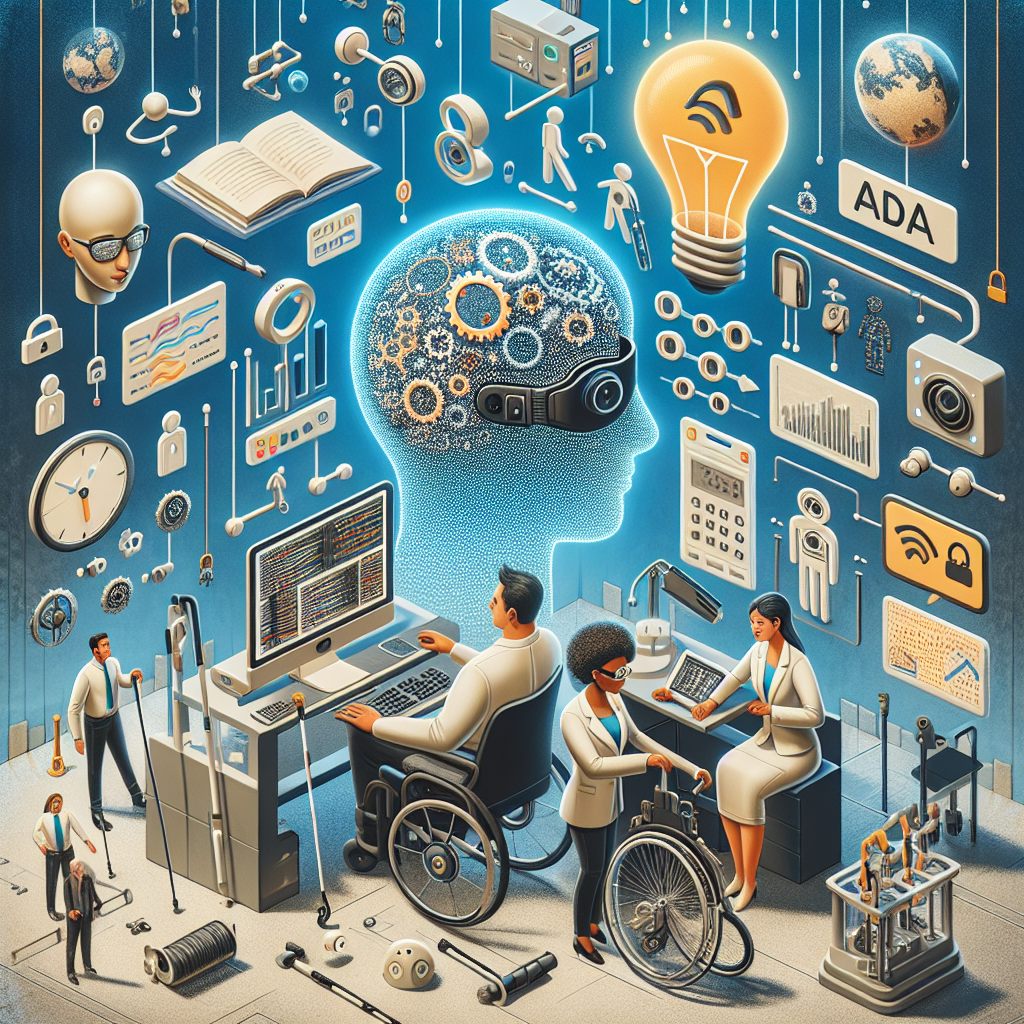
AI & Physical Mobility Advances
The impact of AI extends significantly into the field of physical mobility, offering enhanced solutions for individuals with mobility impairments.
AI-driven robotics and wearable technologies are at the forefront. Innovations like exoskeletons and AI-powered prosthetics are transforming how users interact with their environment. These devices provide the necessary support and assistance, leveraging AI to predict and enhance user movement, granting greater autonomy.
Smart wheelchairs equipped with AI systems offer advanced navigation and control features. They provide personalized experiences by adapting to user preferences, learning from environments, and providing predictive text input or verbal assistance, minimizing the cognitive load for users.
Mental Health and Cognitive Accessibility
AI also has demonstrated potential in the mental health and cognitive accessibility arenas, providing tools that cater to diverse cognitive needs.
Applications utilizing AI support those with conditions such as autism by offering personalized learning and therapeutic resources. Machine learning algorithms can help tailor content to user needs, increasing engagement and effectiveness.
Similarly, AI-based mental health applications can offer 24/7 support, guiding users through mindfulness exercises, cognitive behavioral therapy, or simply providing a compassionate virtual ear for listening when needed. These advances not only offer services but also help reduce stigma by making mental health support more accessible and discreet.
The Role of AI in Policy and Advocacy
Beyond technological advancements, AI plays a crucial role in shaping policy and advocacy for accessibility. By analyzing data trends and user interactions, AI can highlight gaps where companies and institutions fail to meet accessibility standards.
This data-driven approach can support policymakers in refining ADA regulations to better accommodate the complexities of the digital age. Tech firms can utilize these insights to build more inclusive products, ensuring compliance and fostering a culture of accessibility from the ground up.
In advocacy, AI empowers communities by providing platforms for collective voice amplification. Automated systems can monitor social media sentiment, track advocacy campaign reach, and optimize content delivery, driving successful accessibility campaigns.
Challenges and Considerations
Despite the progress, there are considerable challenges tied to AI and accessibility that demand careful consideration. While AI provides amazing opportunities, it also introduces several complexities.
One major concern is the accuracy and bias in AI systems. AI models are only as good as the data they’re trained on, and if this data is biased, it can result in discriminatory outcomes. Ensuring diversity in data sets and transparency in AI algorithms is crucial.
Moreover, privacy concerns are prevalent, especially as AI systems collect and process vast amounts of personal data. It’s essential to strike a balance between innovative uses of technology and the protection of user privacy.
Conclusion
The synergy between AI and accessibility continues to pave the way toward a more inclusive future, building upon the foundational principles of the ADA. These technological advances empower individuals with disabilities, granting them increased independence, improving quality of life, and allowing them to participate fully in society.
However, as we embrace these technological changes, it remains essential for developers, policymakers, and advocates to work together to address challenges surrounding AI bias, data security, and ethical considerations. By prioritizing inclusivity at every stage of technological development, we ensure that AI remains a tool for empowerment rather than division.
As technology continues to evolve at an unprecedented pace, the opportunity to build a world where everyone can thrive is more achievable than ever. The coming years hold remarkable potential in transforming theories of accessibility into reality, leveraging AI to uphold the enduring legacy of the ADA.
Frequently Asked Questions
1. How is AI improving accessibility for people with disabilities?
AI is a game-changer when it comes to accessibility, particularly for individuals with disabilities. AI technologies are increasingly being integrated into devices and services to make them more user-friendly and accessible. For instance, AI-powered voice recognition software like Siri, Google Assistant, and Alexa are incredibly beneficial for individuals with mobility impairments by allowing them to control devices hands-free. Additionally, AI-driven image recognition can provide descriptions of visual content for those who are visually impaired. AI is also used in predictive text and speech-to-text applications, which assist people with hearing impairments or those who have difficulty with motor skills. These innovations are making everyday tasks more seamless and enhancing overall quality of life.
2. What role does the ADA play in the development of AI accessibility tools?
The Americans with Disabilities Act (ADA) serves as a crucial legislative framework that fosters the development and implementation of accessible technologies. The ADA mandates that public accommodations and services be accessible to individuals with disabilities, which has spurred the creation of technologies that align with these requirements. As AI tools and solutions continue to emerge, the ADA ensures these technologies adhere to standards that guarantee accessibility. This pushes developers to innovate with inclusivity in mind, resulting in applications that break down barriers for people with disabilities. From AI-driven captioning services in videos to navigation apps that account for access needs, the ADA ensures these innovations serve the purpose of promoting equal access and are integrated into mainstream use.
3. Can AI help individuals with cognitive disabilities, and if so, how?
Absolutely, AI holds tremendous potential for aiding individuals with cognitive disabilities. Various AI technologies are designed to support and enhance cognitive tasks, thereby fostering greater independence. For example, AI-driven personal assistants can help individuals with cognitive impairments manage schedules, remember tasks, or adhere to daily routines by providing timely reminders. Additionally, AI can tailor educational content to individual learning speeds and needs, making education more accessible and personalized. Smart home technologies equipped with AI can automate processes and simplify complex activities by breaking them down into manageable steps or offering reminders, thereby reducing the cognitive load on users. These advancements not only enhance accessibility but also empower individuals by promoting greater autonomy.
4. What are some examples of AI applications making digital content more accessible?
There are numerous AI applications that play an instrumental role in making digital content more accessible for people with disabilities. One of the most prominent is AI-powered captioning services used by platforms like YouTube and Zoom, which provide real-time subtitles for the hearing impaired. Similarly, AI-driven image recognition tools like Microsoft’s Seeing AI app can describe images to visually impaired users by analyzing visual data. Additionally, AI is pivotal in improving text readability, where applications can adjust text complexity according to the reader’s cognitive abilities. Optical character recognition (OCR) software, often empowered by AI, can convert printed or handwritten text into digital text, benefiting those with dyslexia or other visual impairments by allowing them to use screen readers and other assistive technologies.
5. What challenges exist in integrating AI into accessibility solutions, and how are these being addressed?
Despite the promising advancements, there are challenges in integrating AI into accessibility solutions. One major challenge is ensuring that AI systems are designed inclusively, which requires diverse data sets that consider various disabilities and contexts, something that developers are increasingly prioritizing. Another challenge is cost; sophisticated AI solutions can be expensive, potentially limiting access for those who could benefit most. To combat this, open-source initiatives and partnerships between tech companies and non-profits are helping bring down costs and increase access. Privacy concerns, especially regarding AI systems’ use of personal data, are also being addressed by developers through the implementation of robust data protection policies. Lastly, fostering greater awareness and understanding of accessibility needs among developers and tech companies is crucial, and ongoing education and advocacy are helping bridge this gap.