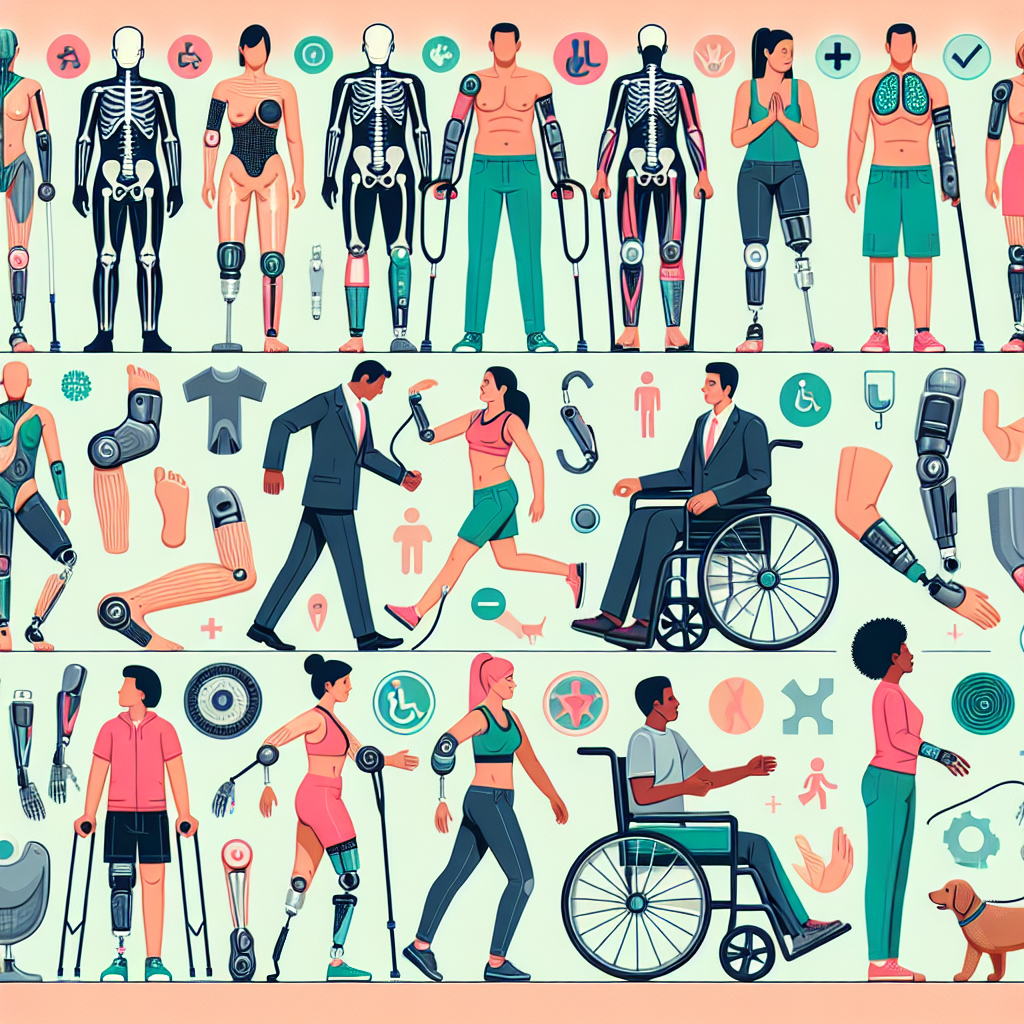
The Americans with Disabilities Act (ADA), signed into law in 1990, represents a committed push towards inclusivity and recognition of individuals with disabilities. Spanning over three decades, the ADA has sparked transformative changes across several sectors, including education, employment, transportation, and building accessibility. However, one of the most crucial, yet often under-discussed areas significantly impacted by ADA’s guiding principles is technology in healthcare, particularly the realm of prosthetic and orthotic advancements.
Technological innovation in prosthetics and orthotics has witnessed a breathtaking surge in recent years, offering enhanced mobility and autonomy to individuals who rely on these critical devices. The developments in these technologies not only improve the physical aspects of user movement but also contribute to their psychological and social well-being. Acknowledging the importance, the ADA has been instrumental in fostering environments that support the research and development of more sophisticated and accessible prosthetic and orthotic solutions.
With increasing emphasis on the application of technology for accessibility, the dynamic field of prosthetics and orthotics continues to break new ground, integrating artificial intelligence, enhanced materials, and cutting-edge design methodologies. In this exploration, we delve deep into the contemporary landscape of prosthetic and orthotic technologies, focusing on ADA’s significant role in promoting inclusivity and accessibility through regulatory frameworks and driving innovations that are transforming lives globally.
Evolution of Prosthetic Technologies
The evolution of prosthetic technology under the ADA framework is nothing short of revolutionary. Prosthetics have undergone significant advancements, transforming from basic aids to highly sophisticated devices that afford users greater independence and quality of life. Developments like myoelectric prostheses have introduced devices capable of mimicking natural limb movement, utilizing signals from the residual muscles in an amputated limb to control prosthetic limbs with increased precision and ease.
Advanced materials have also played a vital role in improving the performance and comfort of prosthetics. Carbon fiber and lightweight alloys have become standard components, offering durability without sacrificing ease of movement. Moreover, the integration of clean energy sources, such as solar-powered prosthetics, points toward a sustainable future for these essential devices.
The ADA has played a crucial role by setting standards and guidelines that ensure accessibility to these advancements is maintained. Through its policies, the ADA mandates that federally funded agencies and facilities provide necessary resources and support for individuals requiring prosthetic devices, effectively reducing barriers to access.
Furthermore, collaboration between federal agencies, public sectors, and private research institutions under ADA’s directive has been instrumental in driving the evolution of prosthetic technology. This symbiosis not only fuels innovation but also ensures compliance with accessibility norms, creating a holistic environment conducive to the advancement of technology that truly benefits the end-user.
Orthotic Innovations and ADA Impact
In parallel with prosthetics, orthotic technology has seen considerable advancements geared towards improving the lives of individuals with physical impairments. Orthotics, designed to correct and support musculoskeletal deformities, have traditionally served as vital tools in mobility management and enhancement.
Recent innovations include dynamic orthotic devices featuring microprocessors and smart materials that adapt to the individual’s walking pattern, offering personalized and responsive support. Such technologies are pivotal in promoting muscle activity, reducing user fatigue, and assisting in rehabilitation processes. The use of smart sensors in orthotic devices further exemplifies how technology can align with ADA objectives by providing real-time data that can shape treatment plans and optimize device effectiveness.
The ADA’s influence extends into ensuring these cutting-edge orthotic devices are accessible to all who need them. Policy frameworks advocate for coverage under health insurance and publicly funded health programs, emphasizing affordability and accessibility. These directives have played a significant role in making sure that such advanced orthotic technologies do not fall out of reach for users requiring them, underscoring the ADA’s commitment to inclusive technological advancement.
Moreover, the ADA encourages educational initiatives and professional training for healthcare providers, enhancing their ability to integrate innovative orthotic solutions into treatment regimens effectively. By reinforcing educational aspects under its provisions, the ADA ensures that technological advancements are not just confined to research labs but actively permeate clinical practice—benefiting those who rely on them every day.
Integration of AI in Prosthetic and Orthotic Technologies
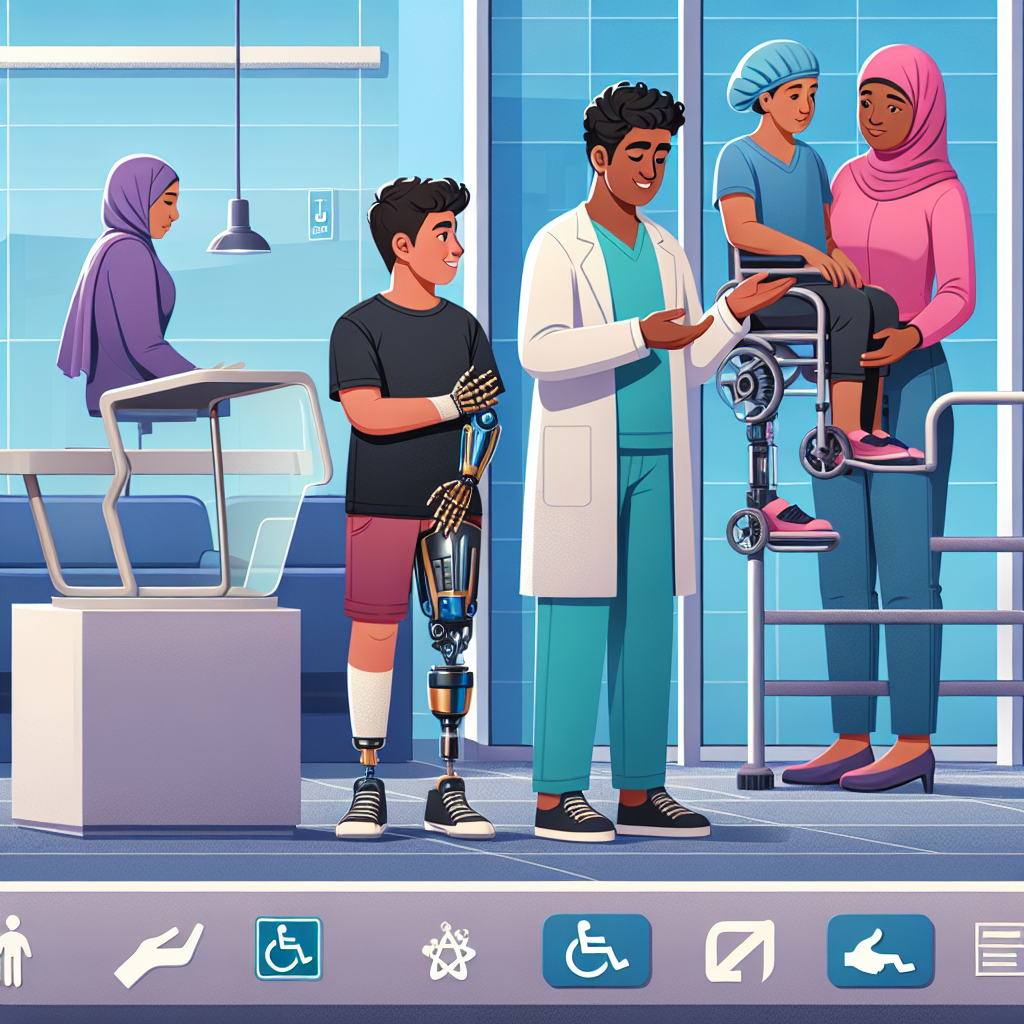
The advent of artificial intelligence (AI) has brought about unparalleled changes in prosthetic and orthotic technologies, offering users lifelike functionalities and enhancing their interaction with these devices. AI’s role in this sector is expansive, ranging from the optimization of device control systems to the provision of customizable solutions tailored to individual needs.
Myoelectric prostheses, now embedded with AI capabilities, can interpret and learn from the wearer’s muscle movements and adapt accordingly, offering a smoother user experience. Similarly, orthotic devices utilize AI-driven algorithms to analyze an individual’s gait, providing adaptive assistance that improves mobility and rehabilitation outcomes over time. The ADA’s regulatory framework implicitly supports these AI advancements by demanding equitable access to state-of-the-art medical technology. Through its enforcements, the ADA ensures that AI-powered prosthetic and orthotic devices are acknowledged as necessary medical interventions, encouraging healthcare systems to integrate these technologies within their service offerings.
Integrating AI into these technologies aligns with the ADA’s vision of removing historical barriers faced by people with disabilities. By transforming prosthetic and orthotic devices into intuitive tools that blend seamlessly with human interaction, AI in this scope reduces stigma, enhances user independence, and improves both physical and cognitive connections between individuals and their assistive devices.
3D Printing and Customization
3D printing technology in prosthetics and orthotics has introduced a new paradigm of customization, allowing the creation of highly personalized devices that cater to specific anatomical and functional needs. This technology provides an avenue for rapidly producing prosthetic limbs and orthotic supports at a fraction of the traditional cost and production time, making them more accessible to a wider population.
The ADA champions this innovative approach by advocating for widespread adoption and integration of 3D printing technologies in healthcare facilities and clinics. Doing so aligns with its vision of accessibility by ensuring devices are not only made to fit physically but are also tailored to the psychological and emotional end-user experience.
3D printing also presents the potential to bridge gaps in personalized healthcare throughout underserved communities. Utilizing this technology, prosthetics and orthotics can be designed according to socio-cultural preferences, ensuring users are comfortable and receptive to integrating these devices into their daily lives.
Such customization enhances the therapeutic impact and accelerates rehabilitation, underscoring the ADA’s commitment to promoting technologies that provide tangible improvements in the quality of life for individuals with disabilities and differences. By leveraging these advancements, we move closer to realizing the ADA’s long-term goal of universal accessibility through technology.
Telehealth and Remote Support for Prosthetics and Orthotics
With advancements in telecommunication technologies, the ADA continues to push the boundaries of accessibility through telehealth initiatives, significantly relevant in the context of prosthetic and orthotic care. Through remote consultations, adjustments, and fittings, telehealth minimizes logistic challenges and costs associated with frequent clinic visits, making support services more accessible to individuals in need, regardless of their geographical location.
Telehealth ensures continued care, especially for users in remote or rural areas, thus reducing disparities in healthcare access influenced by geographic and socioeconomic factors. The shift towards digital consultations also means that healthcare providers can seamlessly monitor device performance and user conditions, enabling proactive adjustments and timely interventions.
The ADA’s advocacy for telehealth adoption reinforces its commitment to integrating functional technology that accommodates user needs beyond conventional settings. By championing policy shifts that broaden the scope of telehealth offerings, the ADA emphasizes equal opportunity in accessing health advancements, echoing its foundational doctrine of improving and preserving civil rights for individuals with disabilities.
Telehealth also enriches the user experience by involving them more actively in their treatment processes, as they can communicate more regularly and freely with professionals, offering feedback and contributing to the personalized adjustments of their prosthetic or orthotic devices. The empowerment resulting from this dynamic underscores the ADA’s strategic focus on independence and self-autonomy for individuals with disabilities.
Conclusion
The Americans with Disabilities Act has been a pivotal force in progressing technologies in prosthetics and orthotics, shaping an environment conducive to innovation while ensuring that accessibility remains a primary focus. Through policy support, educational initiatives, and funding encouragements, the ADA has successfully facilitated a transformative era in accessibility technology, realizing opportunities where barriers once stood.
As prosthetic and orthotic technologies continue to evolve, so does the impact of the ADA in guiding ethical and practical implementations. Whether through the integration of AI, the potential of 3D printing, or the embracing of telehealth solutions, we see a legislatively driven future where access to these technologies becomes universal.
Furthermore, the ADA’s commitment to inclusivity and innovation promises a future where prosthetic and orthotic devices not only serve functional roles but also enhance identities and support community interactions. In honoring these principles, individuals with disabilities are empowered to redefine limitations and explore capabilities.
In conclusion, the ADA’s influence on technological advancements in prosthetics and orthotics echoes far-reaching impacts beyond healthcare fields, reverberating through societal norms and transforming narratives around disability and capability. Looking ahead, continued collaboration among legislators, developers, and communities will ensure this momentum not only persists but translates into actionable accessibility for all.
Frequently Asked Questions
1. What impact has the ADA had on advancements in prosthetic and orthotic technologies?
The ADA has significantly influenced advancements in prosthetic and orthotic technologies by driving innovation aimed at improving accessibility and inclusivity for individuals with disabilities. This landmark legislation ensured that there was not only a legal mandate to accommodate people with disabilities but also a societal push towards embracing cutting-edge technologies to improve quality of life. This means more funding and research have been directed towards developing prosthetic and orthotic devices that offer greater functionality, comfort, and adaptability. Devices have become more lightweight, durable, and are often equipped with technology such as microprocessors and robotics to enhance user mobility and autonomy. The ADA has also indirectly impacted the healthcare industry by ensuring that these advanced technologies are available and accessible, pushing developers to continually innovate and enhance their offerings.
2. How have prosthetic devices evolved in the last thirty years due to ADA’s influence?
Prosthetic devices have seen significant evolution over the past three decades, largely spurred by the inclusive ethos and legal framework provided by the ADA. Initially, prostheses were primarily passive devices focused on rudimentary function and appearance. But with ADA promoting accessibility and equal opportunities, there’s been a revolutionary shift. Today’s prosthetics often include highly advanced materials like carbon fiber for lightweight strength, microprocessors for adaptive control, and myoelectric technology that responds to muscle signals for enhanced movement capabilities. Moreover, there is an increasing trend of personalized prosthetics tailored to fit the unique needs and preferences of users, offering them not only physical adaptability but also aesthetic personalization, improving both functional outcomes and wearer’s self-esteem.
3. What technological advancements in orthotics have been influenced by the ADA?
Orthotic technologies have also undergone substantial advancements influenced by the ADA’s emphasis on accessibility and user-centric design. Initially, orthotic devices were rudimentary and often uncomfortable, made from hard materials that focused solely on structural support. However, with the push for inclusivity, there has been an increased focus on user comfort, ease of use, and the overall user experience. Modern orthotics now incorporate materials that are not only stronger but also lighter and more breathable. They feature advanced fitting technology, like 3D scanning, to ensure a custom fit that minimizes discomfort and maximizes support. Additionally, there are smart orthotics that integrate sensors to monitor movement, providing real-time feedback and therapy guidance. These advancements help users not only live more comfortably but also actively participate in lifestyle or rehabilitation programs, significantly enhancing their quality of life.
4. How does the ADA ensure that advancements in prosthetic and orthotic technologies remain accessible to everyone?
The ADA ensures that advancements in prosthetic and orthotic technologies remain accessible by establishing a legal framework that mandates non-discriminatory access to public facilities, workplaces, healthcare services, and more. Insurance companies and healthcare providers are thus made to adhere to regulations that entail providing reasonable accommodations, which include state-of-the-art prosthetic and orthotic solutions. Furthermore, the ADA has galvanized public and governmental interest in funding and developing assistive technologies, ensuring that innovation does not become prohibitively expensive but remains an achievable option for many. As a result, organizations and policymakers are constantly encouraged to prioritize policies that subsidize these advanced technologies, promote wide availability, reduce costs through innovation, and support educational initiatives aimed at raising awareness about these technologies.
5. What future advancements in prosthetic and orthotic technology can we anticipate under ADA’s influence?
Under the influence of the ADA, future advancements in prosthetic and orthotic technologies hold exciting possibilities. As technology continues to push boundaries, we can expect to see further integration of artificial intelligence and machine learning, where devices not only assist but also adapt intuitively to the user’s lifestyle and environment for improved interaction and functionality. Prosthetics may increasingly feature neural interfaces, allowing more natural control through brain signals, significantly decreasing the learning curve and improving accuracy in movement. In orthotics, we could expect further development in responsive materials that adjust dynamically to the body’s movements, offering real-time support and corrections. Moreover, as customization becomes more prevalent, cost-effective 3D printing may lead to more widespread personalization options. The ADA’s influential platform will likely continue to support these advancements by ensuring they are developed inclusively and remain accessible to all individuals who need them, thereby continuing to elevate the quality of life for people with disabilities.


