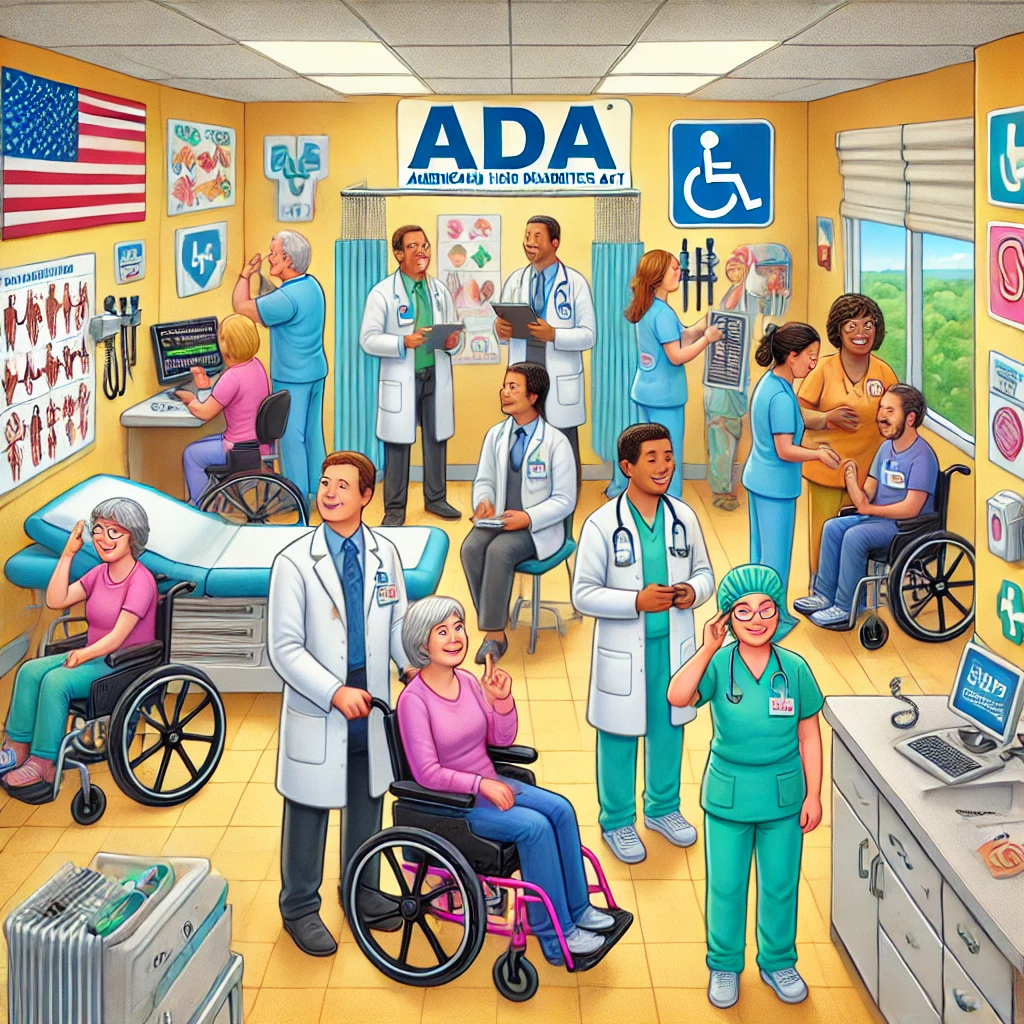
The Americans with Disabilities Act (ADA) is a landmark civil rights law enacted in 1990 aimed at prohibiting discrimination against individuals with disabilities in various spheres of public life. Title III of the ADA specifically addresses public accommodations, ensuring that people with disabilities have the same rights and access to public spaces as everyone else. Among the many aspects covered by this title, service animals play a pivotal role, especially for those who rely on them to navigate daily challenges and improve their quality of life.
Service animals, as defined by the ADA, are dogs that are individually trained to do work or perform tasks for a person with a disability. Such tasks can range from guiding visually impaired individuals to alerting someone with epilepsy of an impending seizure. The inclusion and regulation of service animals under Title III help remove barriers, allowing for greater participation by individuals with disabilities in public life.
However, understanding how Title III impacts service animal regulations can be intricate. Policies continually evolve and can sometimes be misunderstood by businesses, service providers, and the public. This article aims to provide a comprehensive overview of ADA Title III with a focus on service animal regulations, elucidating key elements, implications, and ongoing debates to ensure clarity and compliance.
Defining a Service Animal Under ADA Title III
The ADA’s definition of a service animal is precise and limited primarily to dogs, with a few exceptions for miniature horses under specific circumstances. According to the Department of Justice, which enforces ADA regulations, a service animal is not merely a pet but a working animal that has undergone specialized training to assist its handler with a disability.
For a dog to be recognized as a service animal, it must be trained to perform tasks directly related to the person’s disability. These tasks can include:
- Guiding individuals who are blind or have low vision.
- Alerting individuals who are deaf or hard of hearing.
- Providing non-violent protection or rescue work.
- Pulling a wheelchair.
- Assisting individuals during seizures.
- Alerting individuals to the presence of allergens.
- Retrieving items such as medicine or the telephone.
It is important to note that the ADA does not recognize emotional support animals (ESA) as service animals. ESAs provide comfort through their presence but do not have specialized training to perform tasks that mitigate a disability. This distinction is critical when considering the rights and regulations under Title III.
Rights and Responsibilities Under Title III
Under ADA Title III, individuals with disabilities who use service animals are granted specific rights to ensure they can access public accommodations, which include businesses, nonprofits, and other entities that provide services to the public. Here are some key points:
- Access: Service animals must be allowed to accompany their handlers in all areas of a facility where the public is normally allowed to go, including restaurants, shops, hospitals, and hotels.
- No Fees: Entities cannot charge a fee solely because a person with a disability has a service animal, although they may charge for any damage the animal causes if they normally charge individuals for damage they cause.
- Inquiries: Staff may only ask two specific questions if it is not obvious what service the animal provides: Is the dog a service animal required because of a disability? What work or task has the dog been trained to perform? They cannot ask about the person’s disability or require any documentation.
- Control of the Animal: The service animal must always be under the handler’s control, typically through a harness, leash, or other tether unless it interferes with the animal’s task or the handler’s disability prevents using such devices. In that case, the animal must be under voice control or other effective means.
It is essential for businesses and other entities to understand their responsibilities under Title III to avoid discrimination and ensure they are in compliance with the law. Knowing the correct procedures when addressing service animals is a crucial aspect of accessibility and inclusion.
Common Misconceptions and Clarifications
Despite the ADA’s clear guidelines, misconceptions about service animal regulations are prevalent. These misunderstandings can lead to conflicts, discrimination, and breaches of compliance. Let’s address some of the most common misconceptions:
All Service Dogs Wear Vests: While many service animals wear vests or harnesses that identify them, it is not a requirement under the ADA. The absence of a vest does not mean the animal is not a service dog.
Service Animal Registration: There is no official ADA certification or identification card for service animals. Any “registration” is voluntary and may not be recognized everywhere. Businesses should refrain from requesting proof of registration.
Public Spaces Must Allow All Animals: Only service animals that meet the ADA’s criteria are allowed in public accommodations. Emotional support, therapy, or companion animals do not have the same access rights.
Service Animals Must Be Professionally Trained: While service animals must be trained to perform specific tasks, they do not necessarily need professional training. Handlers can train their service dogs themselves as long as the animal can perform tasks related to the disability.
Emerging Challenges and Legal Developments
As society evolves, the landscape of service animal regulation faces new challenges. One such challenge is the increasing number of fake service animals. Some individuals attempt to pass off pets as service animals, undermining the credibility of true service animals and causing skepticism among the public and business owners.
To address this issue, several states have passed laws imposing penalties for falsely claiming an animal as a service animal. These laws aim to deter fraudulent behavior and protect the rights of individuals with legitimate service animals. Additionally, public awareness campaigns and educational initiatives can help businesses and the public understand the importance of service animals and how to appropriately interact with them.
Technology also plays a role in shaping the future of service animal regulations. Advances in assistive technology, such as robotic aids and wearable devices, may complement or even replace some tasks traditionally performed by service animals. This could lead to questions about the definition and necessity of service animals in specific contexts.
How Businesses Can Ensure Compliance
For businesses, ensuring compliance with ADA Title III and its service animal provisions is critical. Here are practical steps businesses can take to maintain compliance:
- Staff Training: Regularly train employees on ADA regulations, focusing on the rights of individuals with service animals and the appropriate questions to ask.
- Clear Policies: Develop and implement clear policies for accommodating service animals, including protocols for addressing any issues that may arise.
- Signage: Use welcoming signage to indicate that service animals are allowed, demonstrating a commitment to accessibility and inclusion.
- Responding to Complaints: Establish a procedure for handling complaints related to service animals promptly and respectfully, ensuring that the rights of individuals with disabilities are upheld.
- Educational Resources: Provide educational resources to both staff and customers about the importance of service animals and the role they play in the lives of individuals with disabilities.
By adopting these measures, businesses can not only comply with ADA Title III but also foster a more inclusive and welcoming environment for all customers.
Conclusion
The Americans with Disabilities Act, particularly Title III, has had a profound impact on the lives of individuals with disabilities, ensuring their right to access public accommodations with the support of service animals. Understanding and adhering to the regulations surrounding service animals is essential for fostering inclusivity and preventing discrimination.
From defining what constitutes a service animal to addressing common misconceptions and emerging challenges, this comprehensive overview has aimed to clarify key elements of ADA Title III. For businesses and public entities, awareness and proper implementation of these regulations not only comply with the law but also demonstrate a commitment to equal access and respect for all individuals.
As society continues to evolve, ongoing education, vigilance, and adaptation will be necessary to uphold the principles of the ADA. By doing so, we can create a more inclusive world where individuals with disabilities can thrive, participate fully in public life, and enjoy the same opportunities as everyone else.
Frequently Asked Questions
1. What is ADA Title III and how does it relate to service animals?
ADA Title III encompasses a range of provisions that aim to guarantee non-discriminatory access for individuals with disabilities to various public accommodations, which include facilities like restaurants, hotels, theaters, retail stores, and more. Service animals are a crucial aspect of these provisions because they serve as indispensable aids for many people with disabilities, helping them navigate daily life with more ease and confidence.
Under ADA Title III, service animals must be allowed to accompany their handlers in areas where the public is generally allowed to go. But it’s not just about allowing animals into places—it’s about ensuring that individuals with disabilities have the same opportunities to participate in and benefit from public spaces just like anyone else. By defining service animals as those specifically trained to aid individuals with disabilities, Title III sets standards for how businesses and public entities must accommodate these animals.
In a practical sense, this means a person with a disability can bring their service animal into a store, a movie theater, or even a restaurant without being denied entry, charged an additional fee, or being asked intrusive questions about their disability.
2. How does ADA Title III define a service animal?
According to Title III of the ADA, a service animal is defined as a dog that is individually trained to perform tasks or work for a person with a disability. These tasks must be directly related to the individual’s disability—such as guiding someone with vision impairment, alerting someone with a hearing impairment to sounds, pulling a wheelchair, fetching items for an individual with mobility issues, or even providing personal security or support in cases of severe anxiety or PTSD.
Although dogs are the primary animals recognized under this definition, ADA regulations have also made exceptions for miniature horses, provided they meet certain criteria and are trained to assist a person with a disability. It’s important to note that while emotional support, comfort, or companion animals play a significant role in the lives of their owners, they do not qualify as service animals under ADA standards unless they are specifically trained to perform tasks for a specific disability.
3. Are there limitations on where service animals can go?
There are few limits to where service animals can accompany their handlers. They are allowed to enter most public and private spaces where the general public or customers are permitted. This includes places like stores, restaurants, hotels, hospitals, and even on public transportation systems like buses and trains.
There are, however, a few situations where service animals may be restricted. For example, in specific areas within a hospital where high sterility is crucial, such as certain operating rooms or intensive care units, service animals might not be allowed for health and safety reasons. Similarly, they might be restricted in areas where their presence would fundamentally alter the nature of a service or pose an undue burden. These exceptions are narrow and typically require a thorough justification for any exclusion.
4. What can business owners ask when a service animal enters their premises?
When a service animal enters a business, the staff is limited in what they can ask to ensure compliance with ADA Title III. They may ask only two questions: 1) “Is the animal required because of a disability?” and 2) “What work or task has the animal been trained to perform?”
Business owners and employees are not allowed to request documents or proof of disability or require that the animal demonstrate its task. Additionally, they can’t ask for an identification card or certificate that indicates the animal is a service animal. It’s important for businesses to respect the privacy and dignity of individuals who use service animals, and to focus on creating an accommodating and non-discriminatory environment.
5. What responsibilities do handlers of service animals have under ADA Title III?
Handlers of service animals have several responsibilities to ensure the safe and respectful integration of their animal in public accommodations. First and foremost, the service animal must be under control at all times. This usually means being on a harness, leash, or in a similar restraint, unless the handler’s disability prevents their use.
The animal must also be housebroken, meaning it needs to be trained to eliminate waste only outdoors. The handler is responsible for cleaning up after the animal and ensuring it does not cause disruptions by barking, snarling, or jumping on others while in any public space.
If a service animal behaves in an unacceptable manner and the handler does not control it, a business has the right to ask that the animal be removed, provided they first offer the handler the chance to control the animal’s behavior. Even if a service animal is asked to leave, the individual must still be offered services or access to the space without the animal present.