The Americans with Disabilities Act (ADA) has been a groundbreaking piece of legislation since its inception in 1990, aimed at eliminating discrimination against individuals with disabilities. Title II of ADA specifically mandates that all public services must be accessible to people with disabilities, including recreational programs. This fundamental shift in policy has enabled millions of Americans to enjoy and participate in community activities, regardless of their physical or mental challenges. Title II obliges local, state, and federal agencies to make their programs, services, and activities accessible. The beauty of ADA lies in its wide-reaching and open-ended nature, obliging institutions to continually improve their level of service. However, this benefit of flexibility also comes with the challenge of diligent enforcement and persistent education. This article delves into how local governments are adapting recreational programs to meet ADA Title II requirements. The aim is to explore the myriad ways in which inclusivity is achieved while addressing the ongoing challenges and best practices worth emulating. Understanding ADA Title II and its application to recreational programs is crucial for everyone: from government officials and physical educators to participants and their families. It helps demystify the law, offering a roadmap toward a more inclusive and equitable recreational experience for all community members. What is ADA Title II?
Title II of the Americans with Disabilities Act requires that all state and local governments make their programs, services, and activities accessible to individuals with disabilities. This encompasses everything from voting and education to recreational activities. Under Title II, no qualified individual with a disability shall, by reason of such disability, be excluded from participation in or be denied the benefits of the services, programs, or activities of a public entity. This comprehensive directive ensures that no public space or service leaves behind any member of the community. Specific to recreational programs, Title II requires that public entities provide equal opportunity to participate in and benefit from these programs. This can involve modifying equipment, adjusting policies, or even constructing new facilities. These adaptations ensure that everyone, regardless of physical or mental limitations, can engage fully in community life. Local governments must also coordinate with other public and private entities to maximize the effectiveness of their recreational programs. This necessitates proper training for staff, widespread public education campaigns, and continuous upgrades to facilities and services. Strategies for Inclusive Recreational Programs
There are numerous strategies that can make recreational programs more inclusive. Here are some approaches that have proven successful: Facility Modifications:
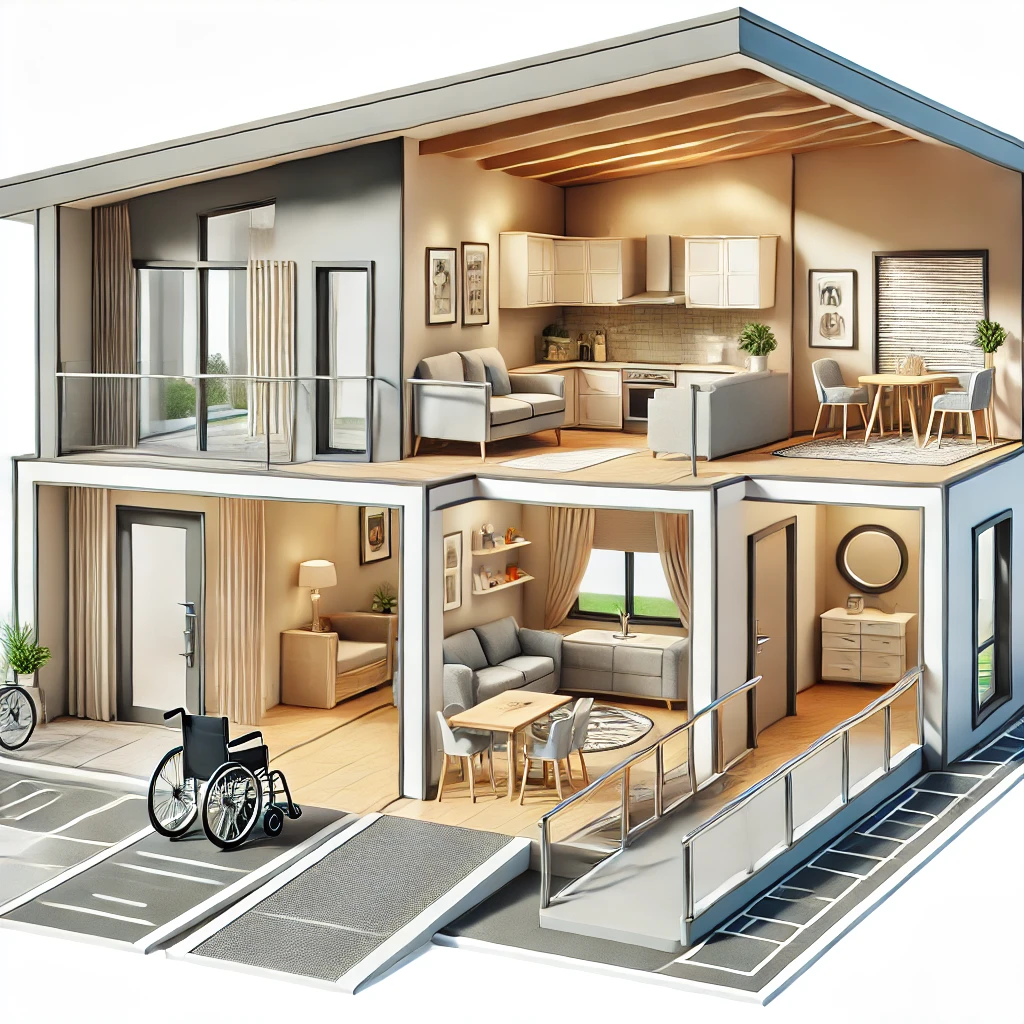
Ensuring that recreational facilities are accessible is the first and most crucial step. This means installing ramps, widening doorways, and providing accessible restrooms and changing rooms. Some recreation centers have even installed pool lifts to allow individuals with mobility challenges to enjoy swimming. Adaptive Equipment:
Many sports and activities can be made more inclusive by incorporating adaptive equipment. For example, adaptive ski equipment and modified bicycles can allow people with diverse abilities to participate in these activities. Inclusive Program Design:
Designing programs that cater to all abilities can play a key role. Yoga classes that include modifications for various physical abilities, or art classes where materials are accessible to everyone, are great examples of inclusive program design. Training for Staff:
Staff members should be adequately trained to understand the needs of participants with disabilities. This includes emergency response training, understanding different types of disabilities, and learning how to use adaptive equipment. By implementing these strategies, recreational programs can be made more accessible and enjoyable for everyone involved.
Challenges and Barriers to Inclusion
While the benefits of inclusivity are numerous, achieving these goals is not without its challenges. Funding:
Securing the necessary funding to make required modifications is often a significant hurdle. Adaptive equipment and facility modifications can be costly, and many local governments struggle to allocate appropriate resources. Public Awareness:
Another challenge is the lack of public awareness and understanding. Many people still don’t fully understand the importance of making recreational programs accessible, leading to resistance against changes or misallocation of resources. Staff Training:
Proper training for staff is crucial but can be time-consuming and expensive. It often requires comprehensive training sessions and continuous education, which might not always be feasible for smaller municipalities. Infrastructure Limitations:
Older buildings and facilities are often not designed with accessibility in mind. Retrofitting these structures to meet ADA standards can be particularly challenging and expensive. Despite these challenges, efforts must continue in order to ensure that everyone can equally benefit from recreational programs.
Case Studies of Success
Numerous municipalities have successfully implemented the principles of ADA Title II within their recreational programs. Here are some inspiring case studies: San Francisco, California:
The San Francisco Recreation and Park Department has been a leader in inclusive recreational programs. They offer adaptive programs in a variety of sports, including tennis, sailing, and basketball, ensuring everyone has the chance to participate. Austin, Texas:
Austin has developed numerous inclusive playgrounds throughout the city. These playgrounds are designed so that children of all abilities can play together, incorporating smooth surfaces, wide ramps, and accessible swings. Portland, Oregon:
Portland has created inclusive community centers that offer various programs, including adaptive swimming, inclusive fitness classes, and modified sports leagues. These programs are specifically designed to welcome individuals with disabilities. These case studies demonstrate that, with the right approach and commitment, inclusive recreational programs are achievable and highly beneficial for the community.
Legal Implications of Non-Compliance
Non-compliance with ADA Title II can result in significant legal implications for local governments and public entities. Lawsuits:
Local governments can face lawsuits from individuals or advocacy groups if they fail to provide accessible services. These lawsuits can lead to costly settlements and force municipalities to make necessary changes under court orders. Federal Funding Implications:
Public entities that do not comply with ADA Title II might face the risk of losing federal funding. Since many recreational programs rely on federal grants, non-compliance can result in a significant financial strain. Negative Publicity:
Beyond legal and financial implications, non-compliance can lead to negative publicity, diminishing the trust and goodwill of the community. This can make it harder for local governments to engage with their constituents and promote other public initiatives. Administrative Sanctions:
Continuous failure to comply with ADA Title II can also lead to administrative sanctions, further hampering the public entity’s operational efficiency. Conclusion
Title II of the Americans with Disabilities Act serves as a guiding light for inclusivity, ensuring that public services, including recreational programs, are accessible to all individuals. Various strategies for adapting recreational facilities and programs can create an inclusive environment, although these efforts are often met with challenges such as funding, public awareness, and infrastructure limitations. Public entities can look to successful case studies, such as San Francisco, Austin, and Portland, for inspiration. These municipalities have demonstrated that making recreational programs inclusive not only meets legal requirements but also enhances the quality of life for all community members. The importance of compliance with ADA Title II cannot be overstated. Failure to comply could result in lawsuits, loss of federal funding, negative publicity, and administrative sanctions. Thus, prioritizing inclusivity within recreational programs is not only a legal obligation but also a moral imperative to ensure equitable access for all. As we move forward, it is crucial for local governments, community leaders, and the public to work collaboratively in creating an environment that fosters inclusivity. This commitment to accessibility will pave the way for a more equitable, inclusive, and stronger community.
Frequently Asked Questions
1. What is ADA Title II and how does it relate to recreational programs?
ADA Title II is a section of the Americans with Disabilities Act that requires all public entities, such as state and local governments, to ensure their programs, services, and activities are accessible to individuals with disabilities. This not only covers physical access to buildings and facilities but also ensures that the programs themselves – including recreational programs – are inclusive. This means that if your city or local government offers sports clinics, art classes, swimming lessons, or any other form of recreation, they are required to ensure these activities are accessible to people with disabilities. This can involve making modifications to facilities, providing alternative means of participation, and offering aids or services where necessary to accommodate the needs of people with disabilities.
2. How do ADA Title II requirements impact the design of public parks and recreational facilities?
Under ADA Title II, public parks and recreational facilities must be designed or retrofitted to ensure accessibility for individuals with disabilities. This includes physical modifications like installing ramps, ensuring pathways are wide enough for wheelchair use, and providing accessible restrooms. Beyond the physical aspects, programs within these parks must also be inclusive. This means having adaptive equipment available, ensuring signage is clear and helpful, and offering inclusive programming that allows everyone, regardless of their ability, to partake in recreational activities. The aim is to provide the same level of access and enjoyment to all participants.
3. Are there examples of recreational programs that have successfully implemented ADA Title II requirements?
Yes, numerous recreational programs across the country have successfully adhered to ADA Title II requirements. For example, many public swimming pools now offer pool lifts to assist individuals with mobility challenges in entering the water. Community centers have begun offering adaptive yoga classes, adjusting instruction and equipment to cater to individuals with disabilities. Trails in public parks are often designed to be wheelchair accessible and include tactile signs for people with visual impairments. These efforts demonstrate how creative approaches can lead to more inclusive recreational environments, thus enriching community life for people with disabilities.
4. What challenges do public entities face when implementing ADA Title II in recreational programs?
Implementing ADA Title II can present several challenges. One common issue is the financial cost associated with modifying existing facilities or establishing new programs. Budget constraints can make it difficult for smaller communities to meet these standards promptly. Another challenge is a lack of awareness or understanding among staff members regarding the specific needs of individuals with disabilities, which can result in inadequate accommodations or programming efforts. Overcoming these challenges often requires training, community involvement, and innovative solutions to creatively meet accessibility needs within financial constraints.
5. How can individuals advocate for better accessibility in their local recreational programs under ADA Title II?
Advocating for better accessibility involves raising awareness and engaging with local authorities and community leaders. Individuals can start by attending city council meetings or working with local advocacy groups to voice concerns and propose ideas for more inclusive recreational programming. It’s crucial to educate and collaborate with those responsible for implementing these changes, ensuring they understand the legal requirements and the social benefits of fostering an inclusive environment. Documenting existing barriers, proposing realistic solutions, and sharing personal stories can also be powerful tools in influencing more compassionate and effective policy changes. Moreover, fostering a community dialogue around inclusivity can generate broader support and urgency for improvements.